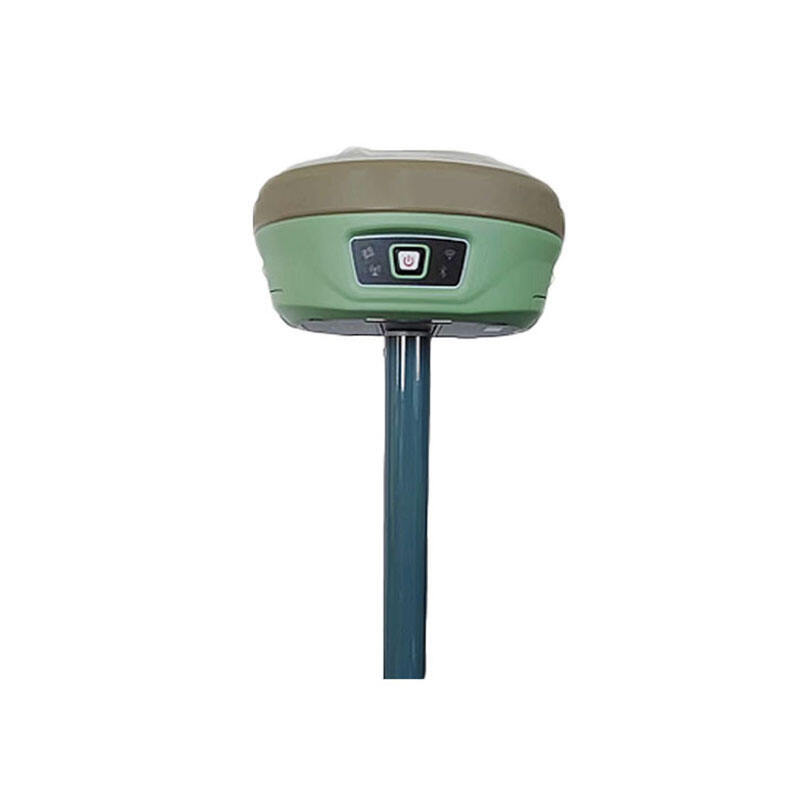
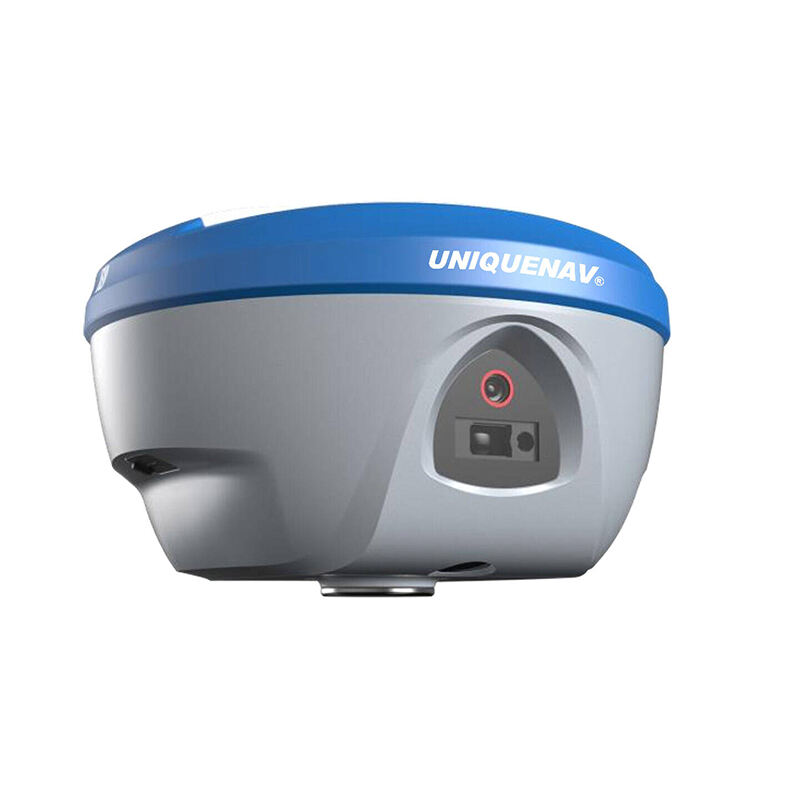
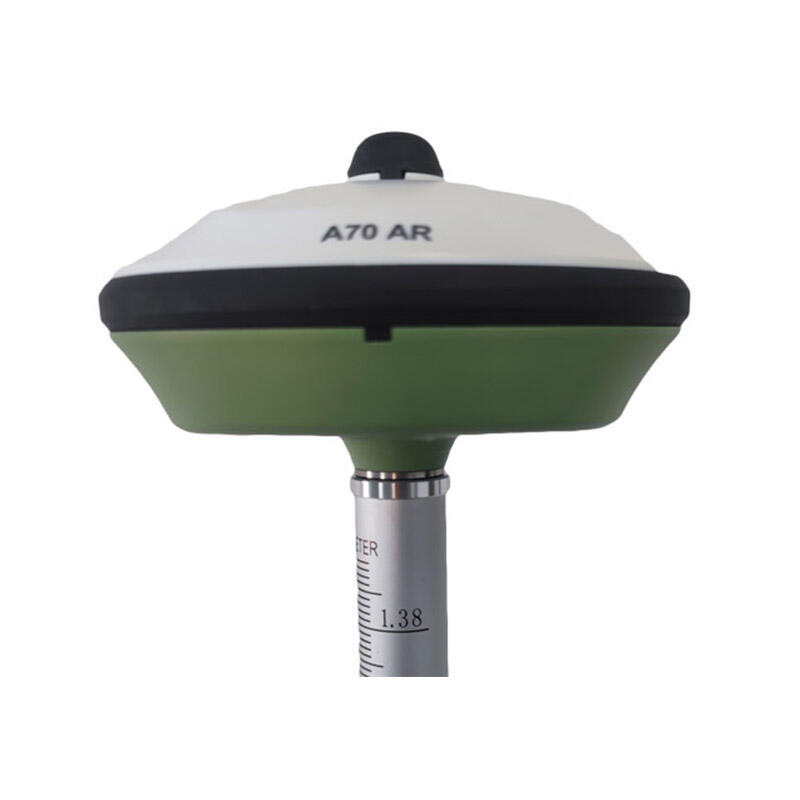
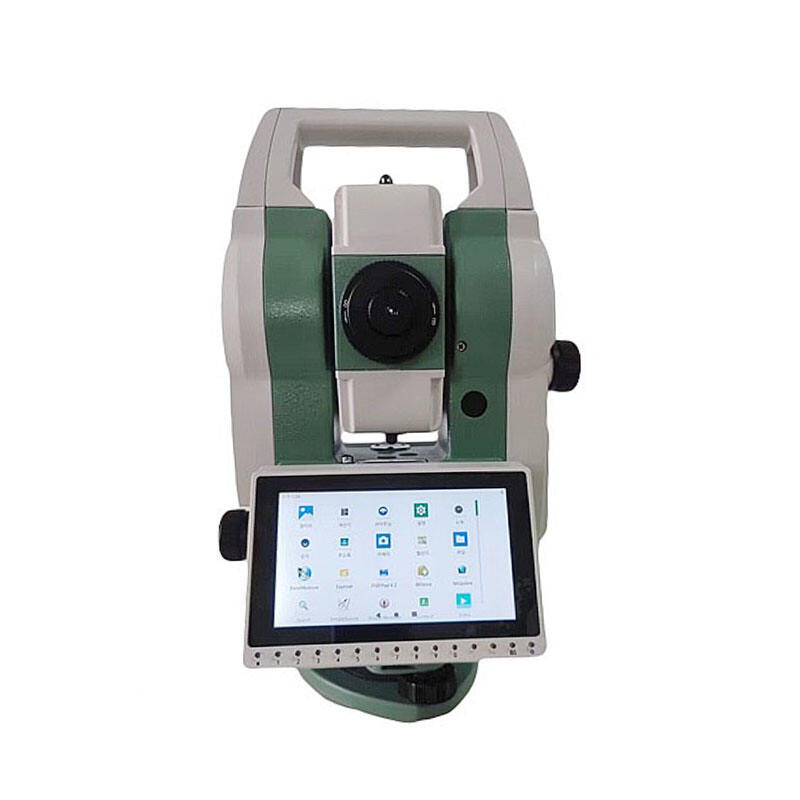
precision gps receiver
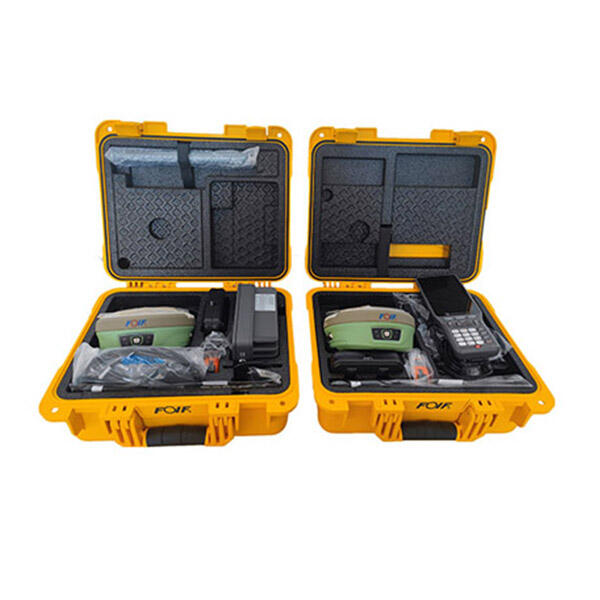
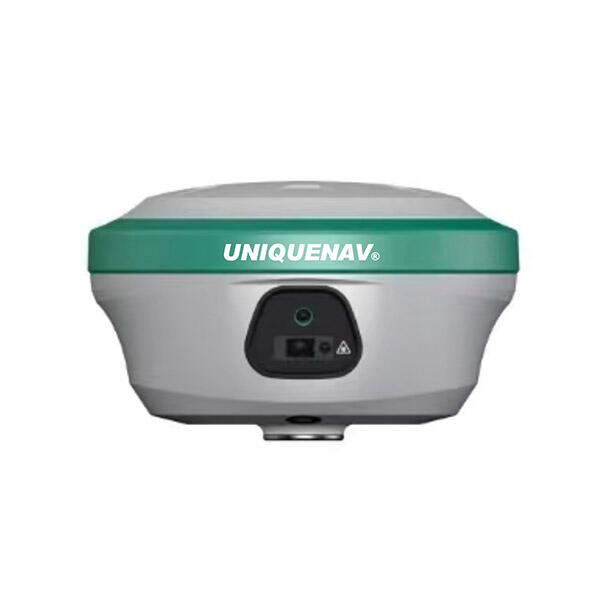
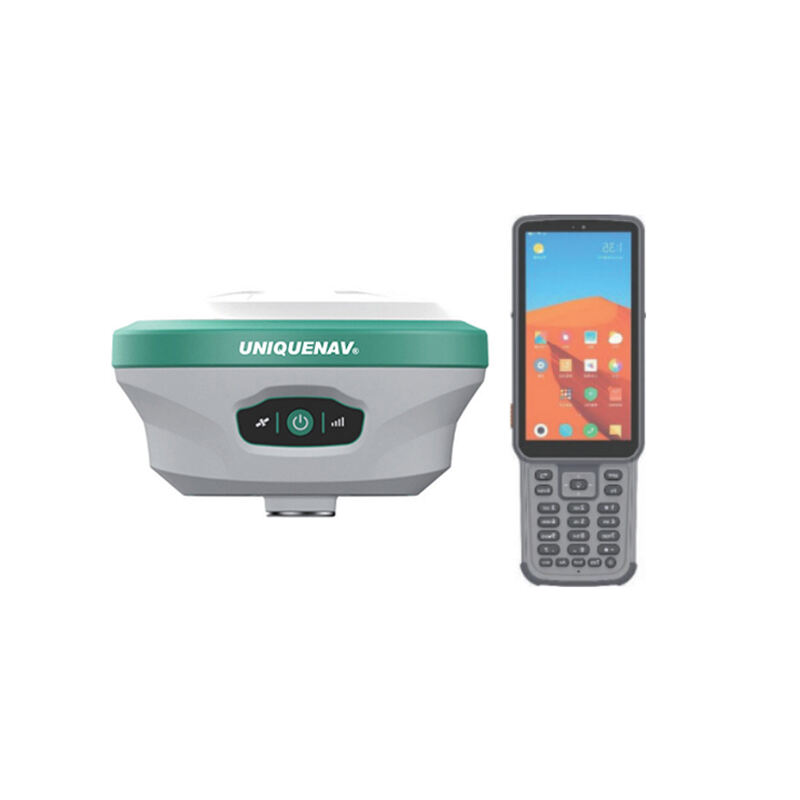
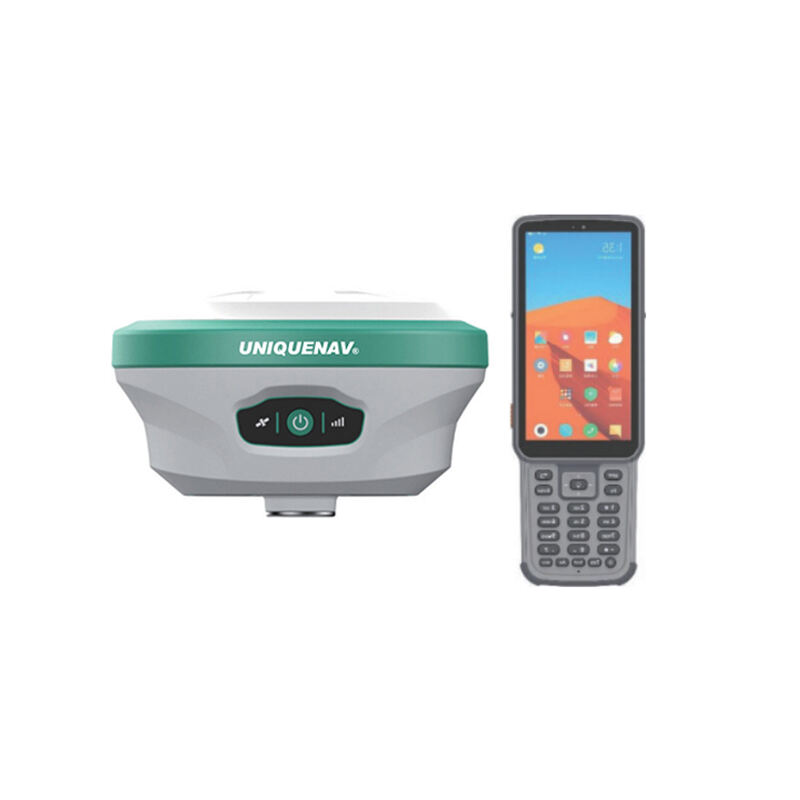
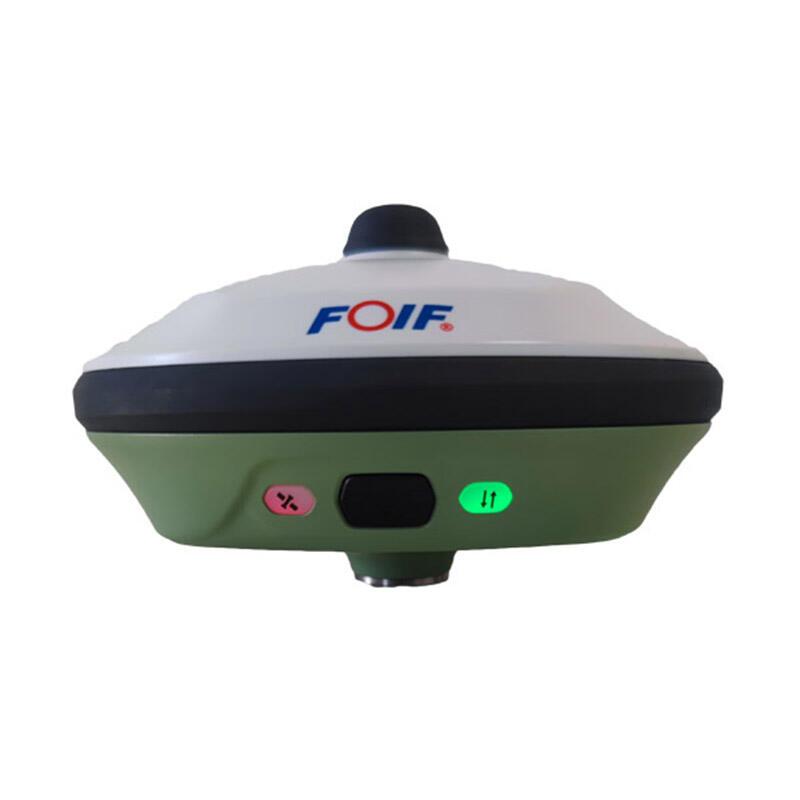
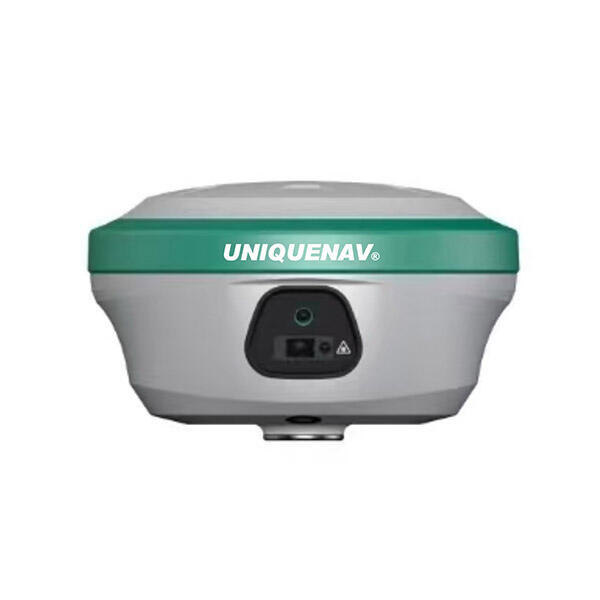
A precision GPS receiver represents cutting-edge satellite navigation technology that delivers exceptional accuracy and reliability for professional surveying, mapping, and positioning applications. Unlike standard consumer GPS devices that provide accuracy within several meters, a precision GPS receiver achieves centimeter-level positioning through advanced signal processing and correction techniques. This sophisticated equipment utilizes multiple satellite constellations including GPS, GLONASS, Galileo, and BeiDou to enhance signal availability and positioning reliability. The precision GPS receiver incorporates real-time kinematic technology, which processes carrier phase measurements from satellite signals to calculate precise coordinates. This device features dual-frequency or multi-frequency capabilities that help eliminate atmospheric interference and ionospheric delays that typically affect positioning accuracy. Modern precision GPS receivers integrate powerful processors that handle complex calculations instantly, ensuring rapid position fixes even in challenging environments. The equipment typically includes robust construction designed to withstand harsh field conditions, featuring weatherproof housings and shock-resistant components. Many models offer wireless connectivity options, allowing seamless data transmission to field computers, smartphones, or cloud-based platforms. The precision GPS receiver supports various correction services, including RTK base stations, NTRIP networks, and satellite-based augmentation systems, providing users with flexible options for achieving optimal accuracy. These devices often feature intuitive user interfaces with clear displays and simple operation procedures, making them accessible to professionals across different skill levels. Advanced models include integrated IMU sensors that maintain positioning accuracy during temporary satellite signal loss. The precision GPS receiver finds extensive use in construction, agriculture, mining, forestry, and scientific research applications where accurate positioning is critical for project success and operational efficiency.

 EN
EN