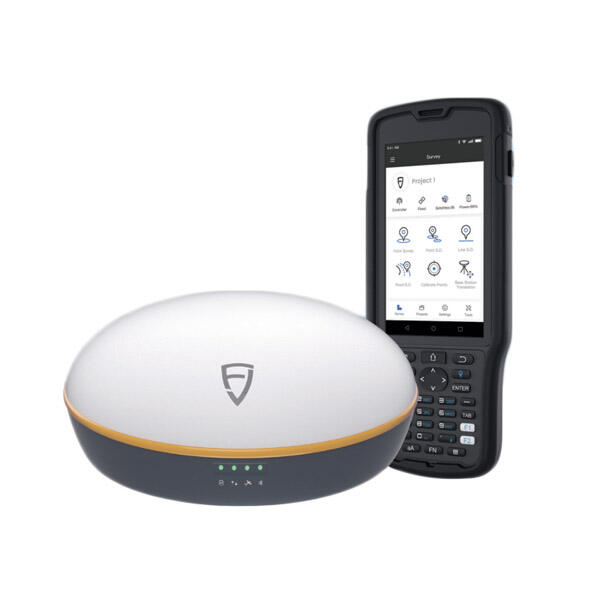
Dual Band GPS Receiver - High Precision Navigation Technology for Professional Applications

All Categories

dual band gps receiver

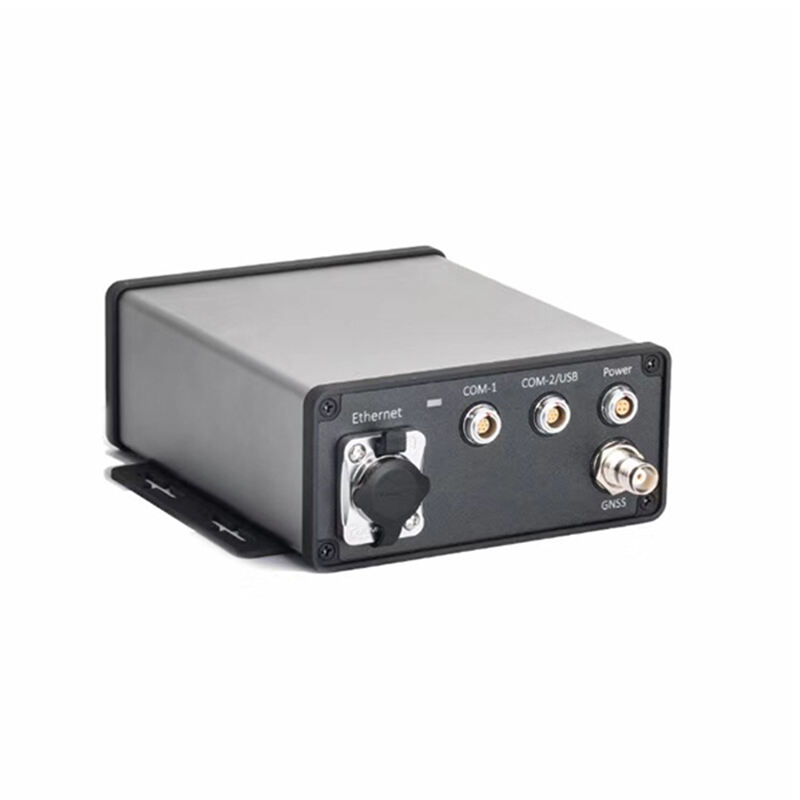
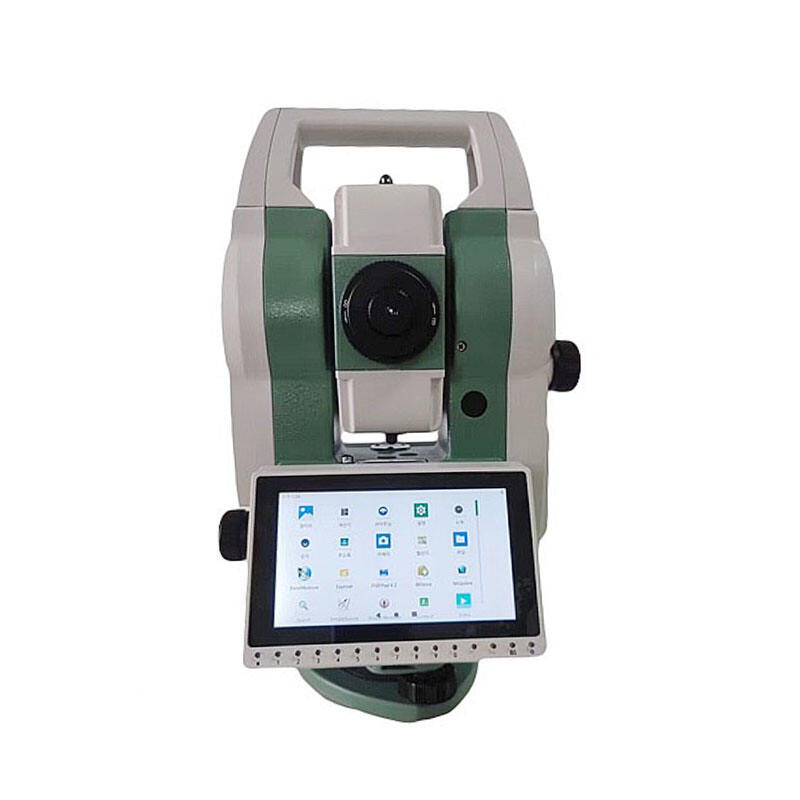
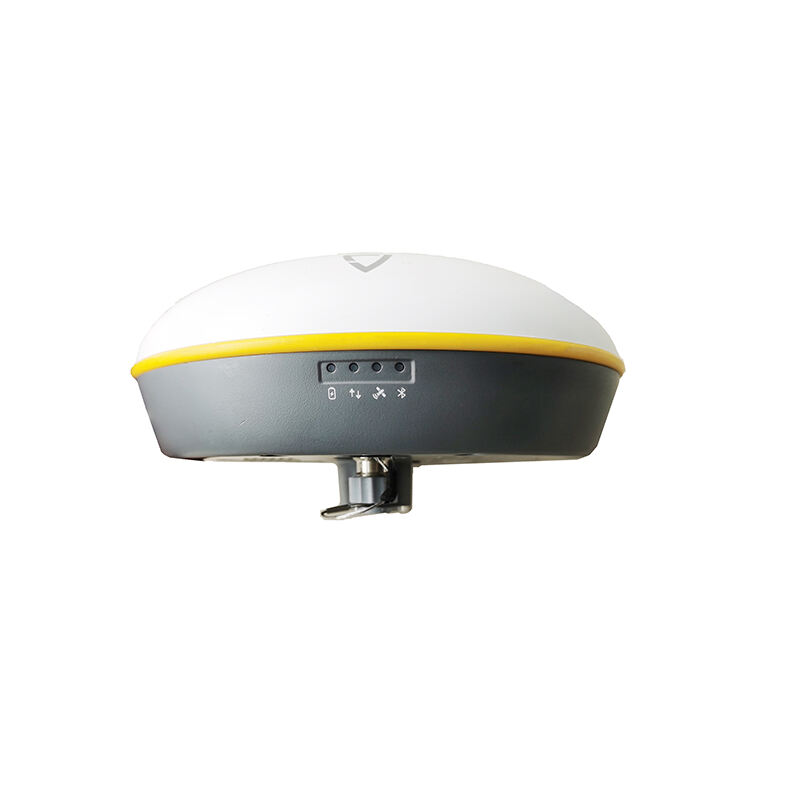
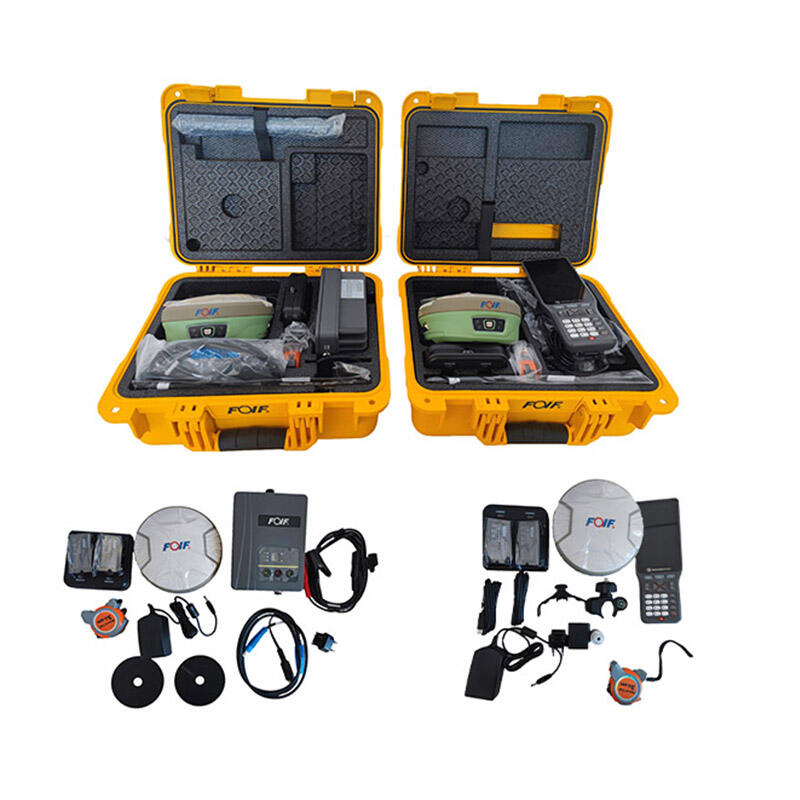
A dual band GPS receiver represents a significant advancement in satellite navigation technology, offering enhanced accuracy and reliability compared to traditional single-frequency systems. This sophisticated device operates on two distinct GPS frequency bands, typically L1 and L5, enabling it to receive and process signals from multiple satellite constellations simultaneously. The dual band GPS receiver utilizes advanced signal processing algorithms to combine information from both frequency bands, resulting in improved positioning accuracy and faster signal acquisition times. The primary function of a dual band GPS receiver involves capturing satellite signals across different frequencies, which allows the device to calculate precise location coordinates with remarkable accuracy. These receivers employ sophisticated ionospheric correction techniques that significantly reduce atmospheric interference, a common source of positioning errors in single-band systems. The technological architecture of a dual band GPS receiver includes high-sensitivity antennas capable of tracking weak signals, powerful processing units for real-time calculations, and advanced filtering systems that eliminate signal noise and interference. Modern dual band GPS receivers support multiple global navigation satellite systems, including GPS, GLONASS, Galileo, and BeiDou, providing users with comprehensive global coverage and redundancy. The device continuously monitors signal quality from available satellites, automatically selecting the strongest and most reliable signals for position calculations. Applications for dual band GPS receivers span numerous industries and use cases, from precision agriculture and surveying to autonomous vehicles and marine navigation. Professional surveyors rely on dual band GPS receivers for boundary mapping, construction layout, and topographical surveys where centimeter-level accuracy is essential. Agricultural professionals use these devices for precision farming applications, including variable rate seeding, fertilizer application, and crop monitoring. The aviation industry employs dual band GPS receivers for approach and landing systems, providing pilots with accurate guidance during critical flight phases. Maritime applications include vessel tracking, navigation in challenging coastal waters, and offshore positioning for drilling operations.


New Products

The dual band GPS receiver delivers substantial improvements in positioning accuracy compared to conventional single-frequency devices, making it an invaluable tool for professionals who require precise location data. Users experience significantly reduced positioning errors, often achieving accuracy levels within one to three meters under normal conditions, while some advanced dual band GPS receiver models can provide sub-meter precision. The enhanced accuracy stems from the device's ability to process signals from two different frequencies simultaneously, effectively canceling out atmospheric disturbances that typically degrade positioning quality. This dual band GPS receiver technology proves particularly beneficial in urban environments where signal reflections from buildings can cause multipath errors in traditional GPS systems. The improved signal acquisition speed represents another major advantage, as the dual band GPS receiver can establish satellite locks much faster than single-band alternatives, reducing the time users wait before obtaining reliable position fixes. Environmental resilience stands out as a key benefit, with dual band GPS receiver units maintaining consistent performance even in challenging conditions such as heavy foliage cover, urban canyons, or areas with electromagnetic interference. The enhanced reliability ensures that users can depend on their dual band GPS receiver for critical applications where positioning failures could have serious consequences. Battery efficiency improvements in modern dual band GPS receiver designs mean longer operational periods between charges, making these devices more practical for extended field work and remote applications. The dual band GPS receiver supports seamless integration with existing mapping software and geographic information systems, allowing users to incorporate precise positioning data directly into their workflows without compatibility concerns. Cost-effectiveness emerges over time as the superior accuracy of a dual band GPS receiver reduces the need for repeated measurements and resurveys, ultimately saving time and resources. Professional users appreciate the dual band GPS receiver's ability to maintain accuracy throughout the day, as the device automatically compensates for satellite geometry changes that can affect positioning quality. The versatility of dual band GPS receiver technology makes it suitable for both handheld portable units and fixed installation systems, accommodating diverse user requirements and application scenarios. Real-time correction capabilities in many dual band GPS receiver models enable users to achieve survey-grade accuracy without requiring separate base stations or correction services.

Practical Tips

GNSS RTK: The Ultimate Guide to Real-Time Kinematic Surveying

27

Nov

GNSS RTK: The Ultimate Guide to Real-Time Kinematic Surveying

Real-Time Kinematic (RTK) technology has revolutionized the field of surveying by providing centimeter-level accuracy in positioning measurements. This advanced Global Navigation Satellite System (GNSS) technique enables surveyors, construction profe...
View More
How Can RTK Improve Surveying Precision for Large Construction Sites?

22

Dec

How Can RTK Improve Surveying Precision for Large Construction Sites?

Modern construction projects demand unprecedented accuracy and efficiency, particularly when dealing with expansive development sites spanning hundreds of acres. Traditional surveying methods often fall short when faced with the complexities of large...
View More
Why Is RTK GNSS Essential for High-Accuracy Industrial Positioning?

22

Dec

Why Is RTK GNSS Essential for High-Accuracy Industrial Positioning?

In today's rapidly evolving industrial landscape, precise positioning has become the cornerstone of operational excellence across multiple sectors. RTK GNSS technology represents a quantum leap forward in positioning accuracy, delivering centimeter-l...
View More
How Can a Digital Level Boost Efficiency in Surveying Tasks?

11

Feb

How Can a Digital Level Boost Efficiency in Surveying Tasks?

Modern surveying operations demand precision, speed, and reliability to meet tight project deadlines while maintaining accuracy standards. Traditional surveying methods, while foundational, often fall short of the efficiency requirements in today's f...
View More

Get a Free Quote

Our representative will contact you soon.
Email
Name
Company Name
Message
0/1000

dual band gps receiver

Superior Ionospheric Correction Technology

Superior Ionospheric Correction Technology

The dual band GPS receiver employs advanced ionospheric correction algorithms that represent a breakthrough in satellite navigation accuracy. The ionosphere, a layer of Earth's atmosphere containing charged particles, can significantly distort GPS signals as they travel from satellites to receivers, causing positioning errors that can range from several meters to tens of meters in single-frequency systems. However, the dual band GPS receiver cleverly exploits the fact that ionospheric delays affect different frequencies in measurably different ways, allowing the device to calculate and virtually eliminate these atmospheric errors in real-time. This sophisticated dual band GPS receiver technology measures the time difference between signals received on L1 and L5 frequencies, using mathematical models to determine the exact amount of ionospheric delay affecting each signal path. By applying these corrections, the dual band GPS receiver can maintain consistent accuracy throughout various atmospheric conditions, including solar storms and other space weather events that severely impact single-frequency receivers. The ionospheric correction capability of a dual band GPS receiver becomes particularly valuable during periods of high solar activity when conventional GPS systems experience significant degradation. Professional surveyors and engineers rely on this dual band GPS receiver feature to maintain project schedules and accuracy requirements regardless of atmospheric conditions. The correction algorithms continuously adapt to changing ionospheric conditions throughout the day, ensuring that the dual band GPS receiver provides reliable positioning data from dawn to dusk. This technology eliminates the need for users to apply manual corrections or wait for favorable atmospheric conditions, making the dual band GPS receiver an efficient tool for time-sensitive applications. The ionospheric correction capability also extends the effective range of the dual band GPS receiver, allowing accurate positioning even when satellite signals must travel through more atmosphere at low elevation angles. Construction professionals particularly benefit from this dual band GPS receiver feature when working on projects that require consistent accuracy over extended periods, as they can trust their measurements without constantly checking against reference points.
Multi-Constellation Support and Signal Redundancy

Multi-Constellation Support and Signal Redundancy

The dual band GPS receiver incorporates comprehensive multi-constellation support, simultaneously tracking satellites from GPS, GLONASS, Galileo, and BeiDou systems to provide unprecedented signal redundancy and global coverage. This advanced capability means that a dual band GPS receiver can access up to 120 satellites orbiting Earth, compared to the 32 GPS satellites available to traditional receivers, dramatically improving positioning reliability and accuracy in challenging environments. The multi-constellation approach allows the dual band GPS receiver to maintain strong satellite visibility even in locations where terrain, buildings, or vegetation might block signals from some satellite systems. Urban professionals find this dual band GPS receiver feature invaluable when working in downtown areas where tall buildings create GPS shadows that would render single-constellation receivers unreliable or completely unusable. The signal redundancy provided by multi-constellation support enables the dual band GPS receiver to automatically switch between satellite systems if interference affects one constellation, ensuring continuous positioning capability during critical operations. Mining and forestry professionals working in remote locations particularly benefit from the expanded satellite coverage, as their dual band GPS receiver can maintain positioning locks in deep valleys, dense forests, and other challenging terrain where satellite visibility is naturally limited. The dual band GPS receiver intelligently prioritizes the strongest and most accurate satellite signals available at any given moment, optimizing positioning quality by selecting the best combination of satellites from all available constellations. This sophisticated signal management ensures that the dual band GPS receiver consistently delivers optimal performance regardless of geographic location or local interference conditions. Emergency responders and search-and-rescue teams depend on the reliability that multi-constellation support brings to their dual band GPS receiver units, knowing that positioning capability remains available even when operating in disaster zones where communication infrastructure might be compromised. The expanded constellation support also reduces the geometric dilution of precision that can affect positioning accuracy when satellites are clustered in one area of the sky, as the dual band GPS receiver can select satellites distributed more evenly across the visible sky. International users particularly appreciate how multi-constellation support in their dual band GPS receiver provides consistent performance when traveling between regions where different satellite systems offer varying signal strength and availability.
Real-Time Kinematic and Centimeter-Level Precision

Real-Time Kinematic and Centimeter-Level Precision

The dual band GPS receiver delivers revolutionary real-time kinematic capabilities that enable centimeter-level positioning accuracy for professional applications requiring the highest precision standards. This advanced dual band GPS receiver technology processes carrier phase measurements from both frequency bands to achieve positioning accuracy that rivals expensive survey-grade equipment, making precision surveying accessible to a broader range of professionals. The real-time kinematic functionality in a dual band GPS receiver works by comparing carrier phase measurements between the receiver and either a base station or satellite-based correction service, calculating positioning solutions with accuracy typically ranging from one to five centimeters. Land surveyors have embraced dual band GPS receiver technology because it eliminates many traditional surveying steps while maintaining the precision required for legal boundary determinations, construction layout, and topographical mapping. The dual band GPS receiver processes correction data in real-time, providing immediate feedback to users who need to make critical positioning decisions without delays or post-processing requirements that characterize older surveying methods. Construction professionals rely on dual band GPS receiver precision for machine guidance systems that control grading equipment, ensuring that earthwork meets exact specifications while reducing material waste and rework costs. The centimeter-level accuracy of a dual band GPS receiver enables precision agriculture applications such as controlled traffic farming, where vehicles follow exactly the same paths year after year to minimize soil compaction and optimize crop yields. Infrastructure projects benefit tremendously from dual band GPS receiver precision, as engineers can stake out utility lines, roadways, and building foundations with confidence that measurements meet engineering tolerances and regulatory requirements. The real-time aspect of dual band GPS receiver positioning eliminates the productivity delays associated with traditional surveying methods that require time-consuming setup procedures and multiple measurement sessions. Geospatial professionals appreciate how dual band GPS receiver technology integrates seamlessly with modern Geographic Information Systems, allowing direct data collection with survey-grade accuracy that immediately populates digital mapping databases. The precision capabilities of a dual band GPS receiver also support advanced applications such as deformation monitoring, where structures and landforms are tracked over time to detect minute movements that might indicate safety concerns or engineering problems. Quality control becomes more efficient with dual band GPS receiver technology, as supervisors can instantly verify that construction elements are positioned correctly rather than waiting for survey crews to complete traditional measurement procedures.

Get a Free Quote

Our representative will contact you soon.
Email
Name
Company Name
Message
0/1000