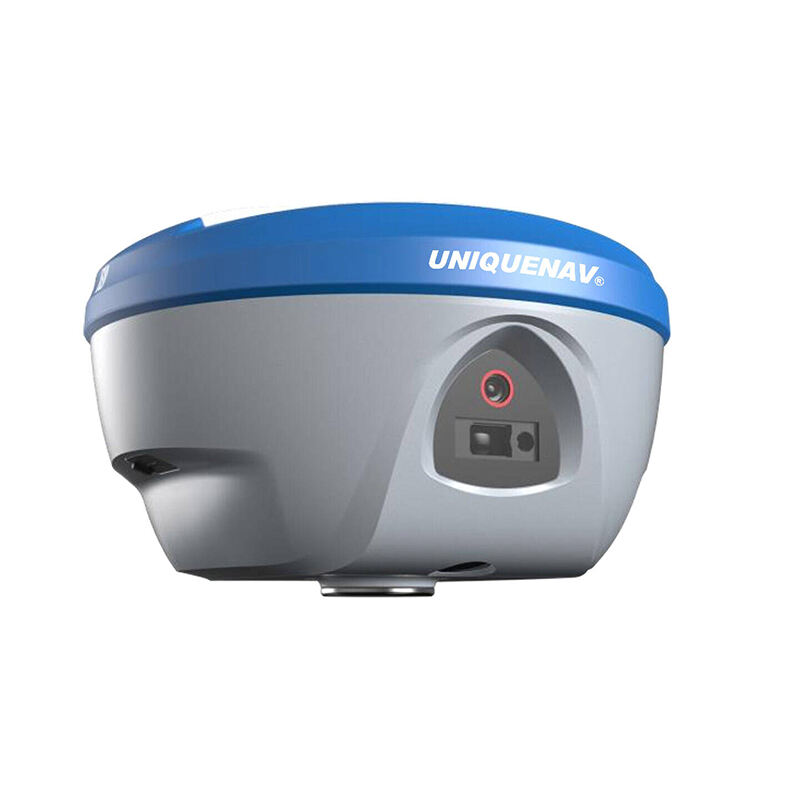
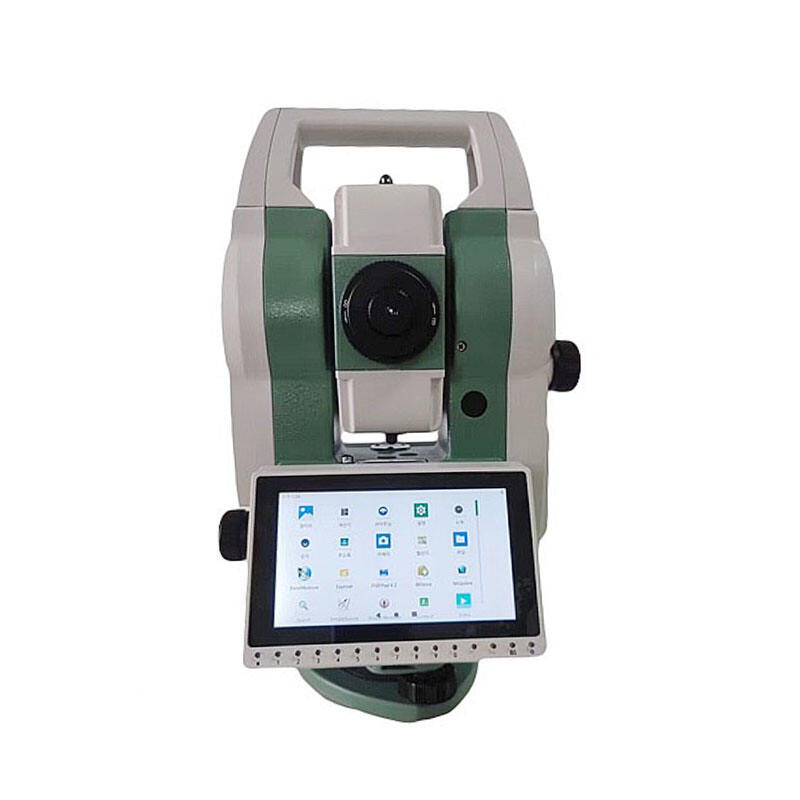
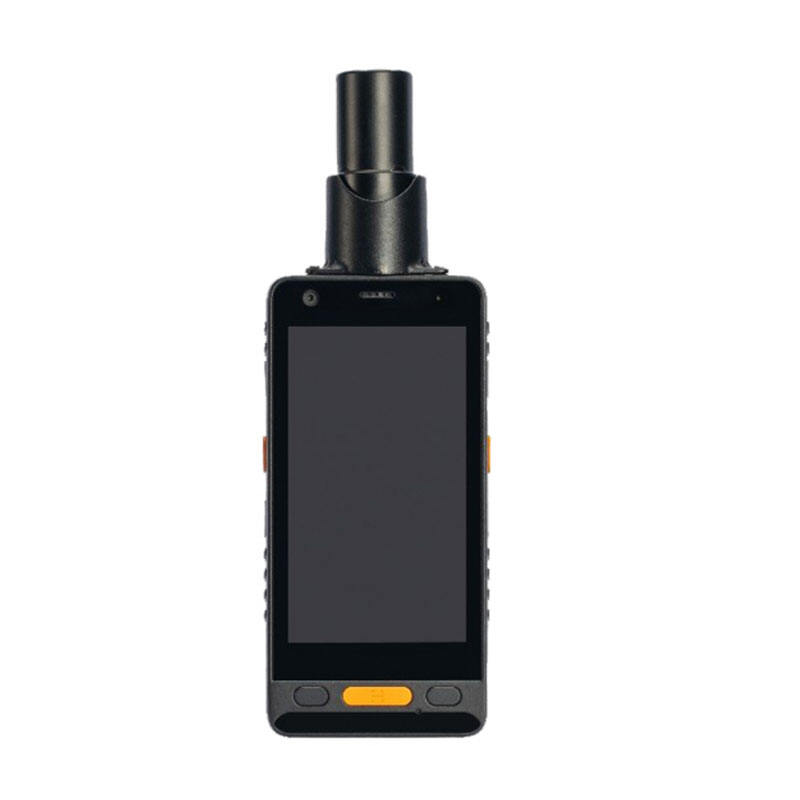
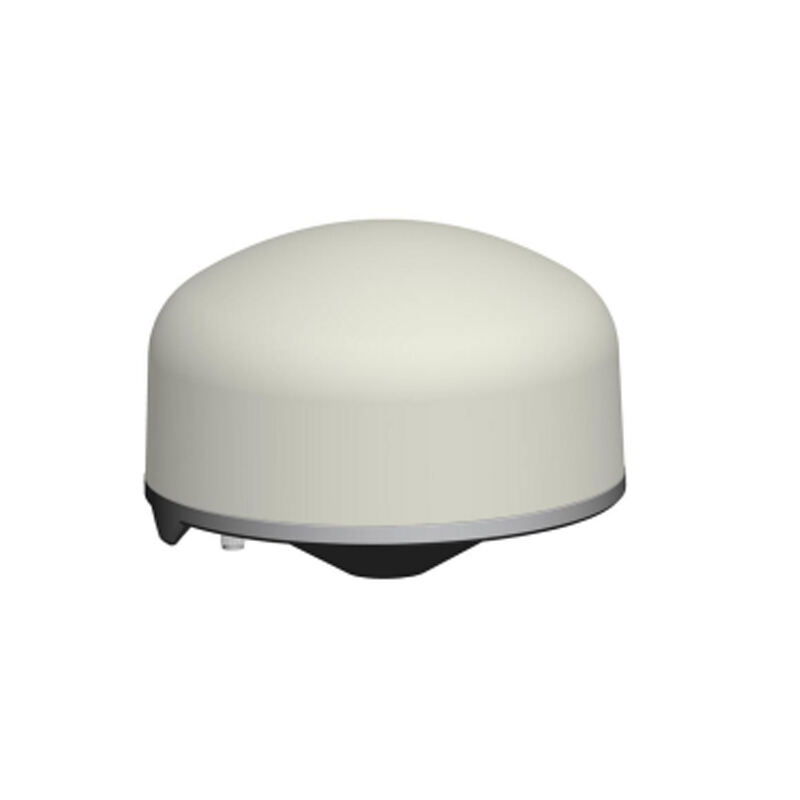
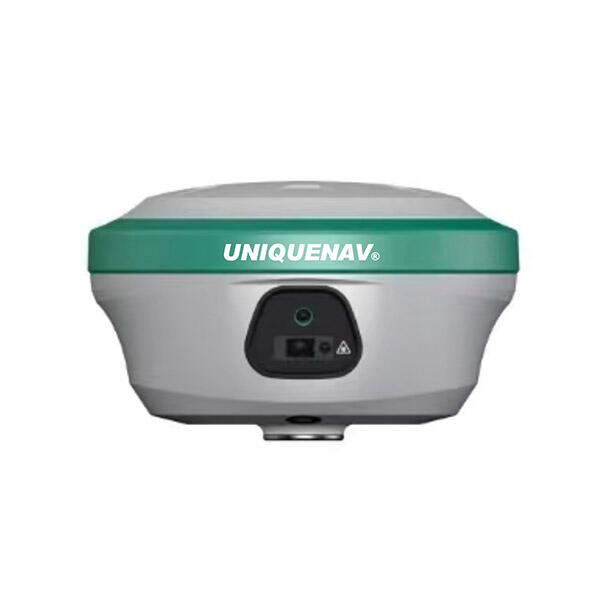
multi frequency gps receiver
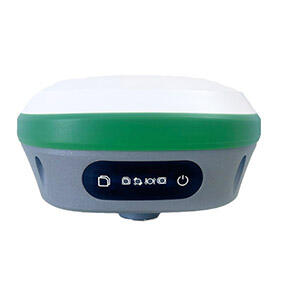
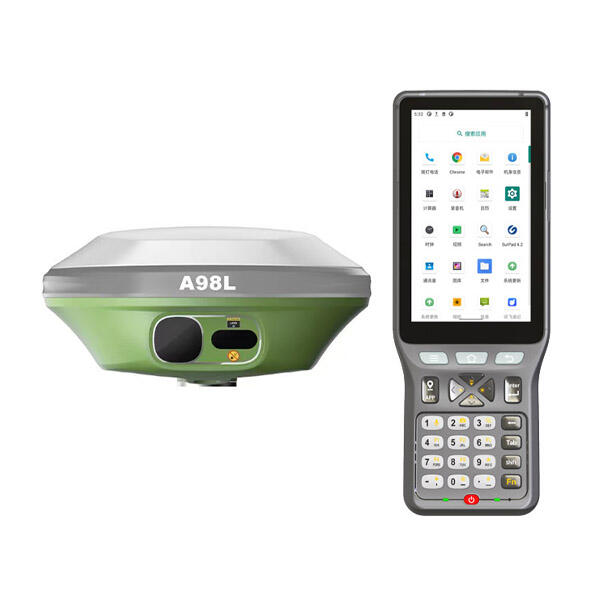
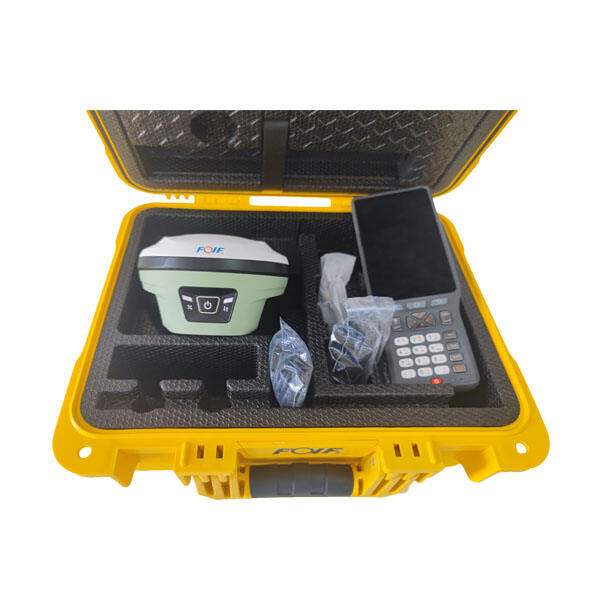
A multi frequency GPS receiver represents a significant advancement in satellite navigation technology, offering enhanced accuracy and reliability through simultaneous signal reception from multiple frequency bands. Unlike traditional single-frequency devices, these sophisticated receivers capture signals from L1, L2, and L5 frequency bands, along with signals from various global navigation satellite systems including GPS, GLONASS, Galileo, and BeiDou. This multi-constellation approach provides users with substantially improved positioning precision and signal availability across diverse environments. The core functionality of a multi frequency GPS receiver centers on its ability to process multiple satellite signals simultaneously, enabling advanced error correction techniques that eliminate atmospheric interference and signal delays. Through dual or triple-frequency processing, these receivers can calculate ionospheric delays with remarkable precision, resulting in centimeter-level accuracy for professional applications. The technological architecture incorporates advanced signal processing algorithms and high-performance antennas designed to maintain optimal reception quality even in challenging conditions such as urban canyons or dense forest environments. Modern multi frequency GPS receivers feature robust construction with weatherproof housings, extended battery life, and versatile connectivity options including Bluetooth, Wi-Fi, and cellular communication capabilities. These devices serve critical roles across numerous industries, from precision agriculture and surveying to autonomous vehicle navigation and scientific research. Construction professionals rely on multi frequency GPS receivers for site layout and machine control applications, while maritime operators utilize them for precise navigation and harbor approach procedures. The aviation industry benefits from enhanced approach and landing capabilities, particularly in low-visibility conditions where traditional navigation methods prove insufficient. Emergency response teams and search and rescue operations depend on these receivers for accurate location determination in remote or disaster-affected areas.

 EN
EN