
 EN
EN
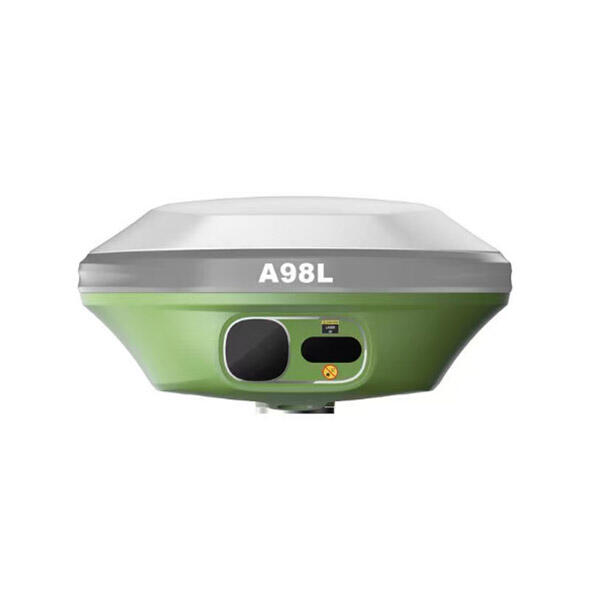
Navigation accuracy in challenging environments has become a critical requirement across industries ranging from construction and surveying to autonomous vehicles and precision agriculture. RTK GNSS receivers represent the pinnacle of satellite-based positioning technology, delivering centimeter-level accuracy even in the most demanding terrain conditions. These sophisticated devices leverage real-time kinematic corrections to overcome environmental obstacles that traditionally compromise standard GPS systems, making them indispensable tools for professionals who require unwavering precision in their location data.

The complexity of modern terrain environments poses significant challenges to satellite positioning systems. Urban canyons with towering buildings, dense forest canopies, mountainous regions with steep slopes, and areas with electromagnetic interference all create conditions where traditional GNSS systems struggle to maintain reliable connections with satellites. RTK GNSS receivers address these challenges through advanced signal processing algorithms, multiple constellation support, and sophisticated error correction methodologies that ensure consistent performance regardless of environmental conditions.
Fundamental Technology Behind RTK GNSS Stability
Real-Time Kinematic Processing Architecture
The core strength of RTK GNSS receivers lies in their ability to process carrier phase measurements in real-time, dramatically reducing positioning errors that accumulate in standard GNSS systems. This technology utilizes a base station with a known position that transmits correction data to the rover unit, enabling the receiver to resolve integer ambiguities and achieve centimeter-level accuracy. The mathematical algorithms employed in modern RTK systems can process multiple frequency bands simultaneously, creating redundancy that maintains stability even when some satellite signals are compromised by environmental factors.
Advanced signal processing capabilities within RTK GNSS receivers include sophisticated filtering techniques that distinguish between genuine satellite signals and multipath reflections that can occur in complex terrain. These systems employ Kalman filtering, least squares adjustment, and other statistical methods to continuously refine position estimates while rejecting erroneous data. The processing architecture also incorporates adaptive algorithms that automatically adjust to changing environmental conditions, ensuring consistent performance across varying terrain types and atmospheric conditions.
Multi-Constellation Integration Strategies
Modern RTK GNSS receivers leverage signals from multiple satellite constellations including GPS, GLONASS, Galileo, and BeiDou to enhance positioning stability and reliability. This multi-constellation approach significantly increases the number of visible satellites at any given time, providing redundancy that becomes crucial when operating in challenging terrain where satellite visibility may be limited by topographical features or vegetation. The diversity of satellite signals also helps overcome regional atmospheric disturbances and ionospheric effects that can impact positioning accuracy.
The integration of multiple constellations requires sophisticated signal management capabilities within RTK GNSS receivers to handle the different signal characteristics, frequencies, and timing systems employed by each constellation. Advanced receivers can seamlessly blend signals from different systems while maintaining the precise timing relationships necessary for RTK processing. This multi-constellation capability ensures that even in the most challenging environments, sufficient satellite signals remain available to maintain centimeter-level positioning accuracy.
Environmental Adaptation Mechanisms
Signal Obstruction Mitigation Techniques
RTK GNSS receivers employ several sophisticated techniques to maintain positioning stability when satellite signals are partially obstructed by terrain features, vegetation, or structures. Advanced antenna design with enhanced gain patterns and beam steering capabilities helps maintain signal lock even at low elevation angles where satellites may be partially obscured by hills or buildings. These receivers also incorporate predictive algorithms that anticipate signal interruptions and maintain position estimates using inertial measurement units or dead reckoning techniques during brief signal outages.
Shadow matching algorithms represent another critical technology that enables RTK GNSS receivers to maintain accuracy in urban environments and complex terrain. These systems analyze the pattern of satellite visibility and signal strength to determine position based on the unique signature created by surrounding obstacles. This approach is particularly effective in environments where direct line-of-sight to satellites is intermittent, allowing the receiver to maintain positioning continuity even when traditional methods would fail.
Atmospheric Interference Compensation
Atmospheric conditions can significantly impact GNSS signal propagation, particularly in mountainous regions where rapid elevation changes create varying atmospheric pressure and humidity conditions. RTK GNSS receivers incorporate sophisticated atmospheric modeling capabilities that account for ionospheric and tropospheric delays that can introduce positioning errors. These systems utilize dual or triple frequency measurements to separate atmospheric effects from the carrier phase observations, enabling accurate positioning even in challenging atmospheric conditions.
Advanced RTK systems also employ regional atmospheric correction models that provide enhanced accuracy by utilizing data from nearby reference stations to characterize local atmospheric conditions. This network-based approach enables RTK GNSS receivers to maintain stability across larger geographical areas while compensating for localized atmospheric disturbances that might affect individual satellite signals. The integration of meteorological data and atmospheric modeling ensures consistent performance regardless of weather conditions or altitude variations.
Hardware Engineering for Terrain Resilience
Robust Antenna Design Principles
The antenna system represents a critical component in maintaining RTK GNSS receiver stability across diverse terrain conditions. Modern RTK systems utilize advanced antenna designs with precise phase center stability, multipath rejection capabilities, and enhanced gain characteristics that maintain signal quality even in challenging environments. These antennas are engineered to minimize signal distortion caused by ground plane effects, nearby metallic objects, and other sources of interference commonly encountered in field applications.
Precision-engineered antenna systems also incorporate advanced shielding and filtering mechanisms that protect against electromagnetic interference from industrial equipment, power lines, and radio frequency sources that are frequently encountered in operational environments. The mechanical design of these antennas ensures stable operation across extreme temperature ranges, high humidity conditions, and exposure to dust and moisture that characterize challenging terrain applications. This robust construction enables RTK GNSS receivers to maintain consistent performance regardless of environmental stresses.
Processing Unit Optimization
The computational requirements for real-time kinematic processing demand sophisticated processing architectures that can handle complex algorithms while maintaining low power consumption and reliable operation in harsh environmental conditions. Modern RTK GNSS receivers utilize advanced microprocessors and digital signal processing units specifically optimized for satellite navigation applications. These processing systems incorporate multiple parallel processing cores that enable simultaneous tracking of numerous satellite signals while executing real-time correction algorithms.
Thermal management represents another crucial aspect of processing unit design, particularly for RTK GNSS receivers operating in extreme temperature environments commonly found in challenging terrain. Advanced thermal design techniques including heat sinks, thermal interface materials, and intelligent power management ensure stable operation across the full operating temperature range. The processing architecture also incorporates redundancy mechanisms that maintain operation even if individual components experience temporary failures due to environmental stresses.
Communication System Integration
Data Link Reliability Enhancement
Maintaining reliable communication between base stations and rover units presents significant challenges in complex terrain where line-of-sight communication may be intermittent due to topographical features. RTK GNSS receivers incorporate advanced communication systems that utilize multiple transmission methods including radio frequency links, cellular networks, and internet protocols to ensure continuous correction data availability. These systems automatically switch between communication methods based on signal quality and availability, maintaining positioning accuracy even when primary communication channels are compromised.
Error detection and correction protocols within the communication system ensure that correction data integrity is maintained even when transmitted through noisy or unreliable communication channels. Advanced RTK systems implement forward error correction, data compression, and redundant transmission techniques that enable successful data reception even under marginal communication conditions. These robust communication protocols are essential for maintaining RTK GNSS receiver stability in remote locations where communication infrastructure may be limited or unreliable.
Network RTK Implementation
Network RTK technology represents an advanced approach that enhances positioning stability by utilizing multiple reference stations to generate correction data tailored to specific geographical locations. This network-based approach enables RTK GNSS receivers to maintain centimeter-level accuracy across larger coverage areas while reducing the impact of local atmospheric conditions and satellite geometry variations. The network processing algorithms interpolate correction data based on the rover's position relative to multiple reference stations, providing enhanced reliability and accuracy.
The implementation of network RTK capabilities requires sophisticated data processing infrastructure that can handle real-time corrections from multiple reference stations simultaneously. Modern RTK GNSS receivers incorporate advanced algorithms that seamlessly integrate network corrections with onboard processing capabilities, automatically selecting the optimal correction source based on distance, data quality, and atmospheric conditions. This intelligent correction selection ensures maximum positioning stability regardless of the receiver's location within the network coverage area.
Quality Assurance and Performance Monitoring
Real-Time Accuracy Assessment
Continuous monitoring of positioning accuracy represents a fundamental requirement for RTK GNSS receivers operating in demanding environments where positioning errors could have serious consequences. Advanced systems incorporate real-time quality assessment algorithms that continuously evaluate solution quality based on factors including satellite geometry, signal strength, atmospheric conditions, and correction data age. These monitoring systems provide immediate feedback regarding positioning reliability and automatically alert operators when accuracy degrades below acceptable thresholds.
Statistical analysis of positioning solutions enables RTK GNSS receivers to provide confidence intervals and accuracy estimates that help users understand the reliability of their positioning data. These systems track position repeatability, solution convergence time, and other quality metrics that provide insight into system performance across different terrain conditions. Advanced receivers also maintain historical performance data that enables trend analysis and predictive maintenance scheduling to ensure continued optimal performance.
Adaptive Performance Optimization
Modern RTK GNSS receivers incorporate machine learning algorithms and adaptive processing techniques that continuously optimize performance based on operational conditions and historical data. These systems learn from past performance in similar environments and automatically adjust processing parameters to maximize positioning stability and accuracy. The adaptive algorithms can modify satellite selection criteria, adjust filter parameters, and optimize communication protocols based on real-world performance data.
Self-diagnostic capabilities within RTK GNSS receivers enable proactive identification of potential performance issues before they impact positioning accuracy. These systems continuously monitor hardware components, signal quality, and processing performance to detect degradation trends that might affect system stability. Predictive maintenance algorithms analyze performance patterns to recommend optimal maintenance schedules and component replacements, ensuring continued reliable operation in challenging terrain conditions.
Industrial Applications and Use Cases
Construction and Civil Engineering Projects
The construction industry relies heavily on RTK GNSS receivers for applications requiring precise positioning in challenging environments including urban construction sites, highway projects, and infrastructure development in difficult terrain. These receivers enable accurate machine guidance for excavators, bulldozers, and other heavy equipment operating on uneven surfaces where traditional surveying methods would be impractical. The centimeter-level accuracy provided by RTK technology ensures that construction projects meet stringent tolerances while reducing the need for extensive manual surveying and re-work.
Complex construction environments present numerous challenges for positioning systems including multipath interference from nearby buildings, signal obstruction from construction equipment, and electromagnetic interference from welding and other industrial processes. RTK GNSS receivers designed for construction applications incorporate enhanced filtering capabilities and robust communication systems that maintain positioning stability despite these challenging conditions. The real-time nature of RTK corrections enables immediate feedback for equipment operators, improving productivity and construction quality.
Precision Agriculture Implementation
Agricultural applications of RTK GNSS receivers span from automated tractor guidance in field operations to precision application of fertilizers and pesticides in variable terrain conditions. Modern farming operations frequently encounter challenging environments including rolling hills, varying soil conditions, and obstacles such as trees and farm buildings that can impact satellite visibility. RTK systems enable farmers to maintain precise navigation paths even in these complex environments, optimizing field efficiency and reducing input costs through accurate application of agricultural inputs.
The integration of RTK GNSS receivers with precision agriculture equipment enables advanced farming techniques including variable rate application, automated field mapping, and precision planting in challenging terrain. These systems maintain accuracy across varying elevation changes and soil conditions, ensuring consistent performance regardless of field topology. The reliability of RTK positioning enables farmers to implement sophisticated field management strategies that improve crop yields while minimizing environmental impact through precise input application.
FAQ
How do RTK GNSS receivers maintain accuracy when satellite signals are blocked by mountains or buildings
RTK GNSS receivers employ several strategies to maintain accuracy during signal obstruction including multi-constellation support that increases satellite availability, advanced antenna designs with enhanced gain at low elevation angles, and predictive algorithms that maintain position estimates during brief signal interruptions. These systems also utilize inertial measurement units and dead reckoning capabilities to bridge gaps when satellite signals are temporarily unavailable, ensuring continuous positioning capability even in challenging terrain.
What makes RTK technology more stable than standard GPS in complex environments
The superior stability of RTK GNSS receivers compared to standard GPS stems from their use of carrier phase measurements and real-time correction data that eliminate most sources of positioning error. While standard GPS achieves meter-level accuracy, RTK systems provide centimeter-level precision through sophisticated error modeling and correction algorithms. The real-time processing of correction data enables RTK receivers to adapt quickly to changing environmental conditions and maintain consistent accuracy regardless of terrain complexity or atmospheric interference.
How do communication interruptions affect RTK receiver performance in remote terrain
Modern RTK GNSS receivers incorporate multiple communication pathways and intelligent switching capabilities that minimize the impact of communication interruptions on positioning accuracy. These systems can utilize radio links, cellular networks, and internet connections interchangeably, automatically selecting the best available communication method. During temporary communication outages, advanced receivers maintain positioning accuracy through onboard processing capabilities and can resume RTK operation immediately when communications are restored.
What environmental factors most commonly challenge RTK receiver stability
The primary environmental challenges for RTK GNSS receivers include atmospheric interference from ionospheric and tropospheric conditions, physical signal obstruction from terrain features and vegetation, multipath interference from reflective surfaces, and electromagnetic interference from industrial equipment or power lines. Modern RTK systems address these challenges through multi-frequency signal processing, advanced filtering algorithms, atmospheric correction models, and robust antenna designs that maintain signal quality despite environmental stresses encountered in complex terrain applications.
Table of Contents
- Fundamental Technology Behind RTK GNSS Stability
- Environmental Adaptation Mechanisms
- Hardware Engineering for Terrain Resilience
- Communication System Integration
- Quality Assurance and Performance Monitoring
- Industrial Applications and Use Cases
-
FAQ
- How do RTK GNSS receivers maintain accuracy when satellite signals are blocked by mountains or buildings
- What makes RTK technology more stable than standard GPS in complex environments
- How do communication interruptions affect RTK receiver performance in remote terrain
- What environmental factors most commonly challenge RTK receiver stability