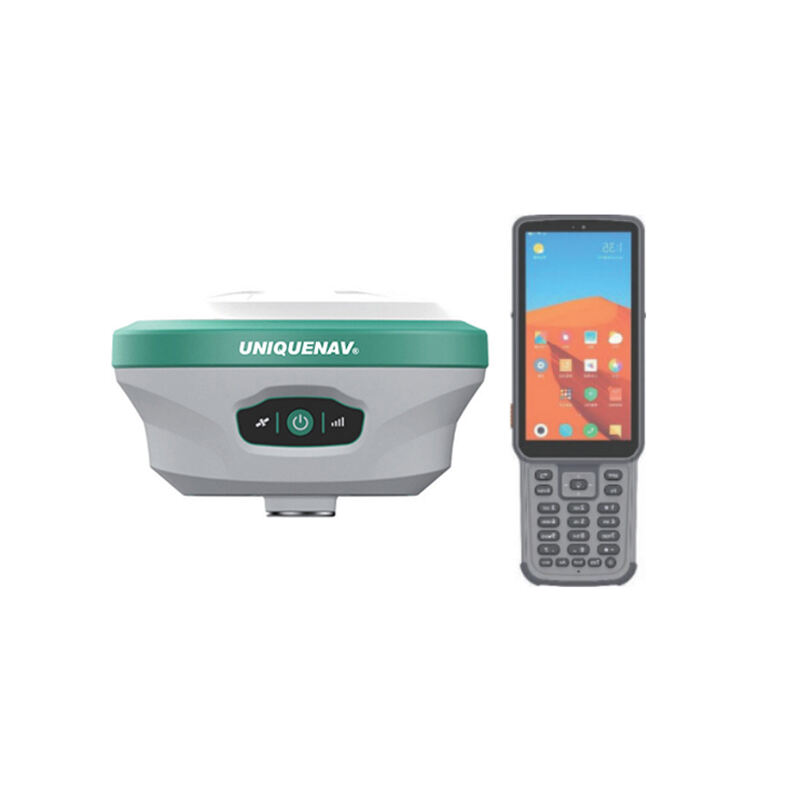
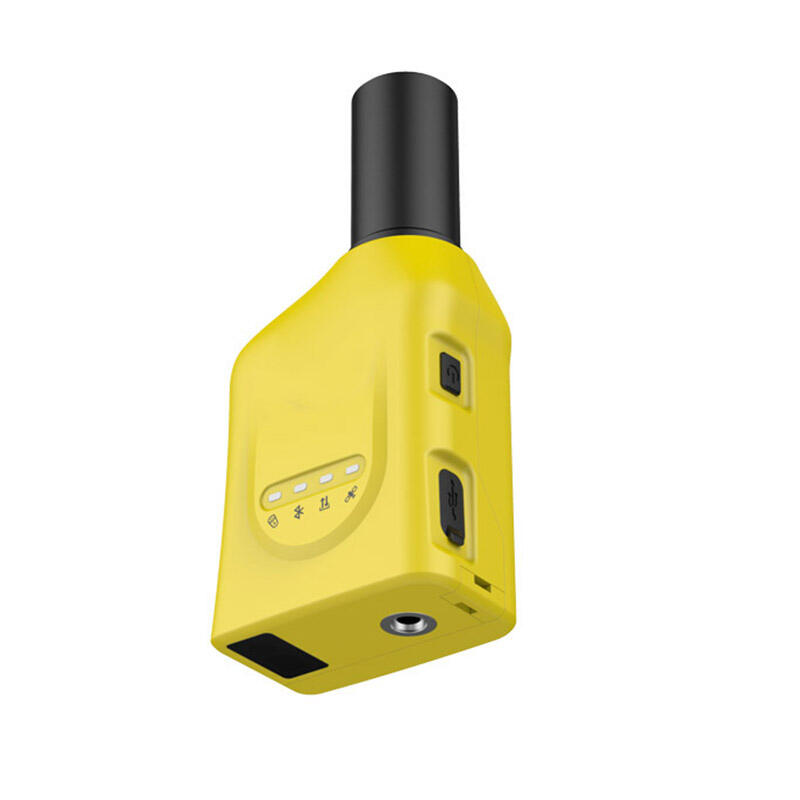
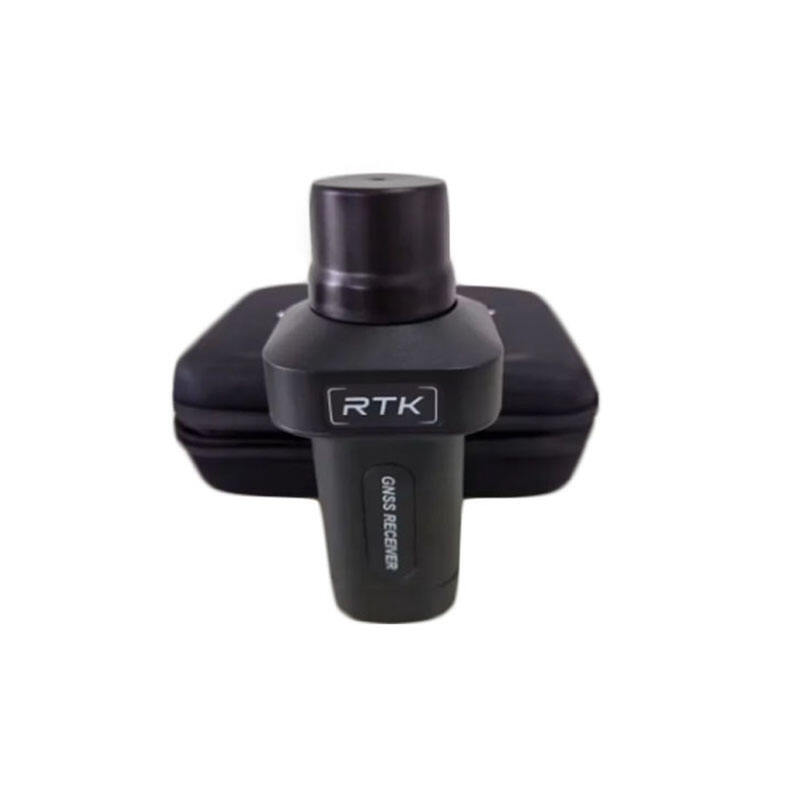
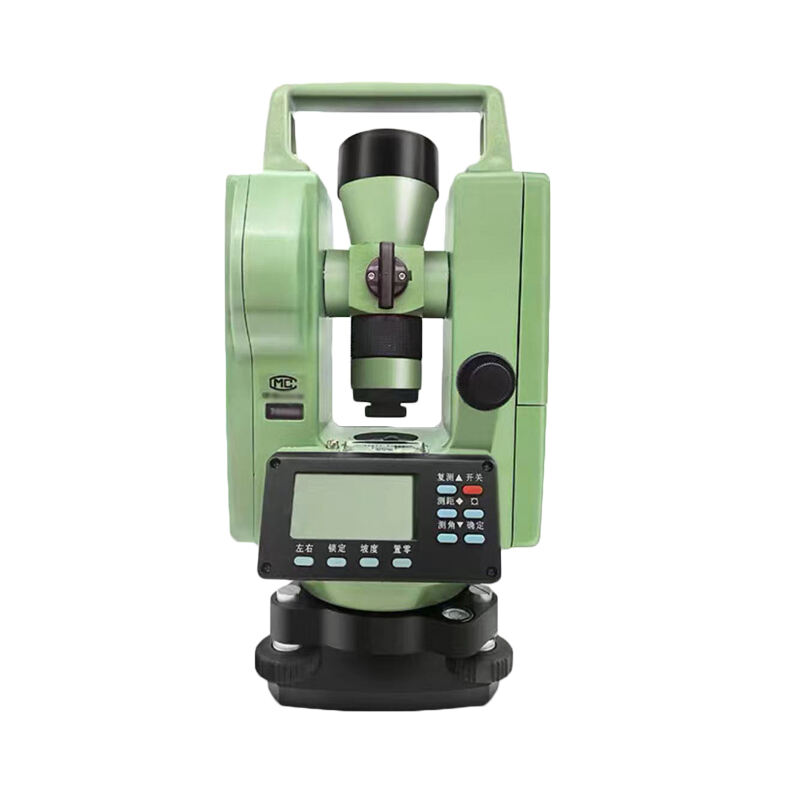
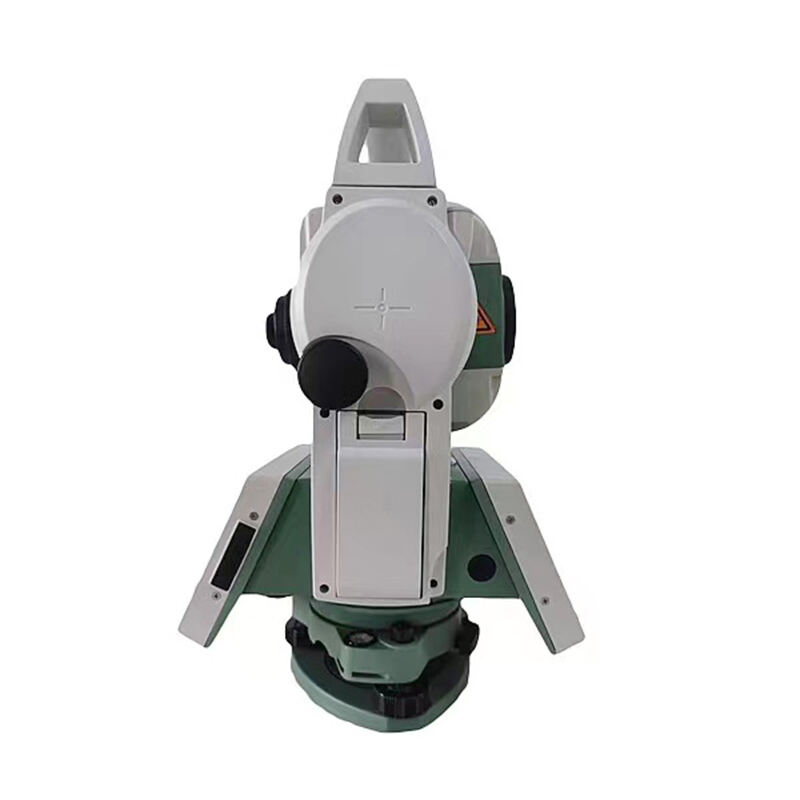
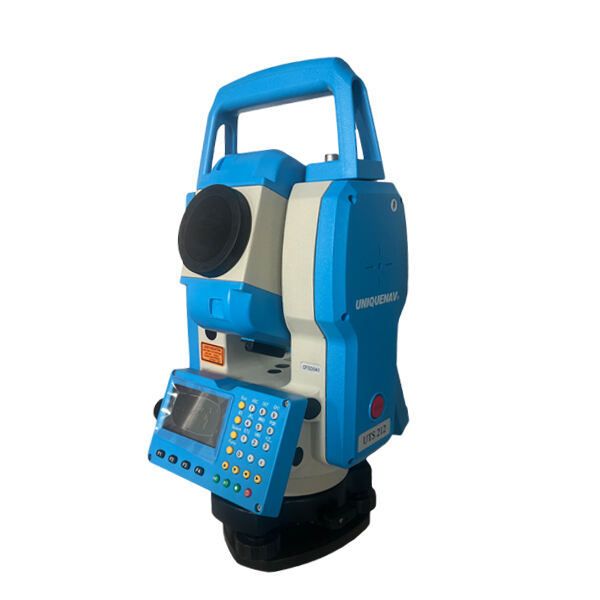
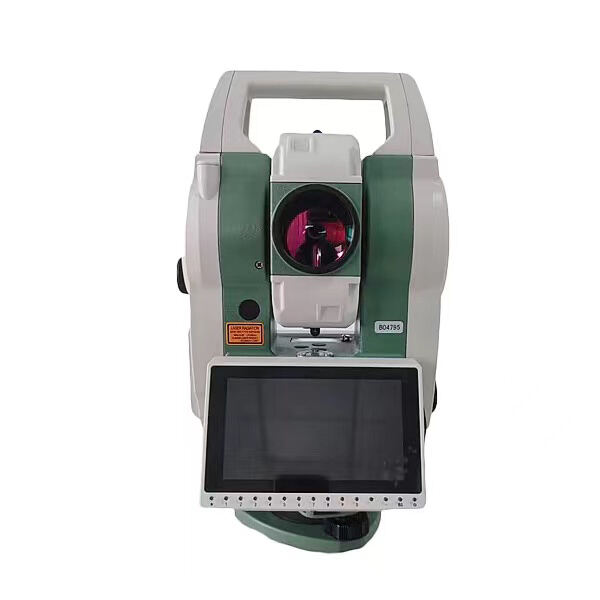
global navigation satellite system receiver
A global navigation satellite system receiver represents a sophisticated electronic device that captures and processes signals transmitted from satellite constellations orbiting Earth to determine precise positioning, velocity, and timing information. These advanced receivers utilize multiple satellite systems including GPS (Global Positioning System), GLONASS (Global Navigation Satellite System), Galileo, and BeiDou to deliver accurate location data across various applications. The primary function of a global navigation satellite system receiver involves receiving radio frequency signals from multiple satellites simultaneously, calculating distances through time-of-flight measurements, and employing trilateration algorithms to establish exact geographical coordinates. Modern global navigation satellite system receivers incorporate multi-constellation capability, enabling them to access signals from different satellite networks for enhanced accuracy and reliability. These devices feature robust signal processing capabilities, advanced antenna designs, and sophisticated chipsets that can handle weak signals in challenging environments such as urban canyons or dense forest coverage. The technological architecture includes radio frequency front-ends that amplify and filter incoming satellite signals, digital signal processors that decode navigation messages, and embedded processors that execute positioning calculations. Contemporary global navigation satellite system receivers support various augmentation systems like WAAS, EGNOS, and MSAS to achieve sub-meter accuracy levels. They incorporate advanced features such as Real-Time Kinematic processing, Precise Point Positioning, and multi-frequency signal reception. The operational frequency bands typically include L1, L2, and L5 frequencies, with newer models supporting emerging L6 signals. These receivers find extensive applications across surveying and mapping industries, precision agriculture, autonomous vehicle navigation, marine and aviation sectors, construction and mining operations, emergency services, and consumer electronics including smartphones and wearable devices.

 EN
EN