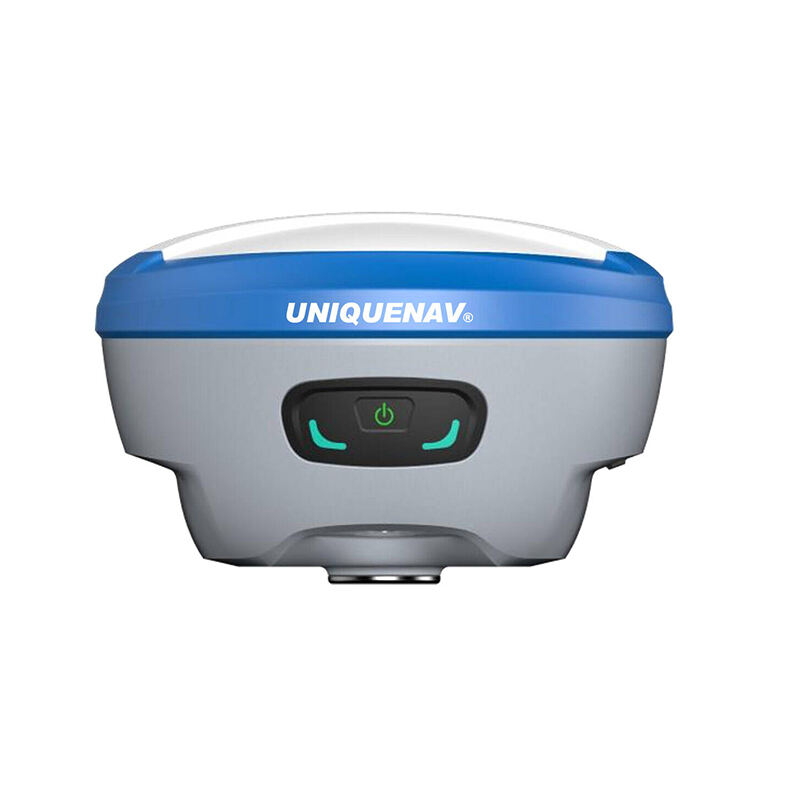
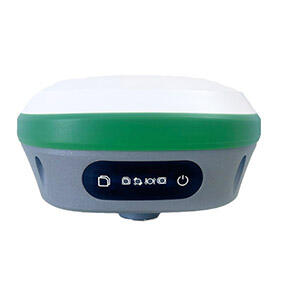
CORS GNSS Receiver: Professional Surveying Solution with Real-Time Centimeter Accuracy

All Categories

cors gnss receiver

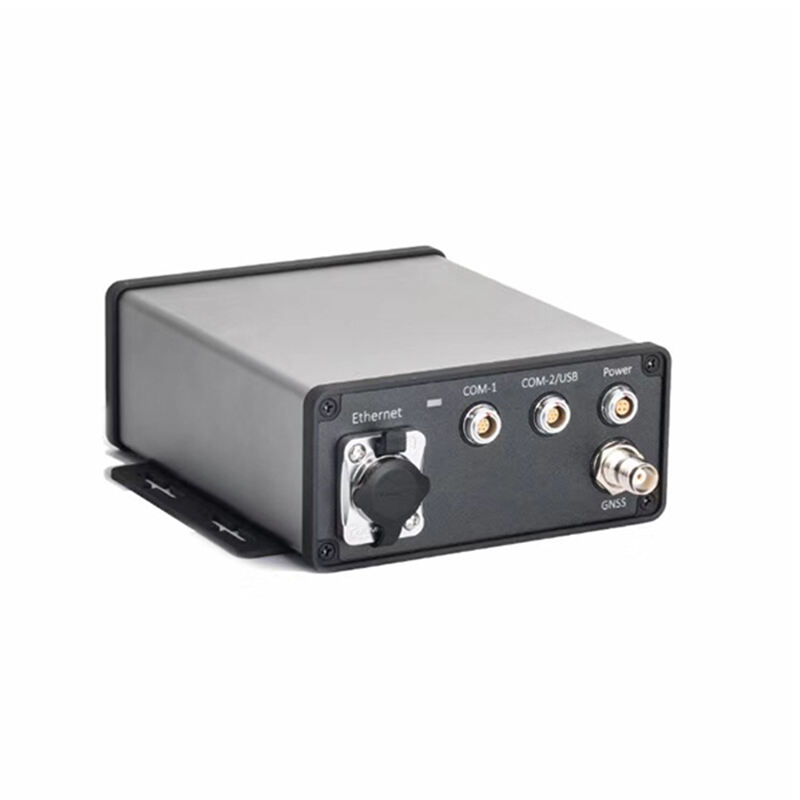
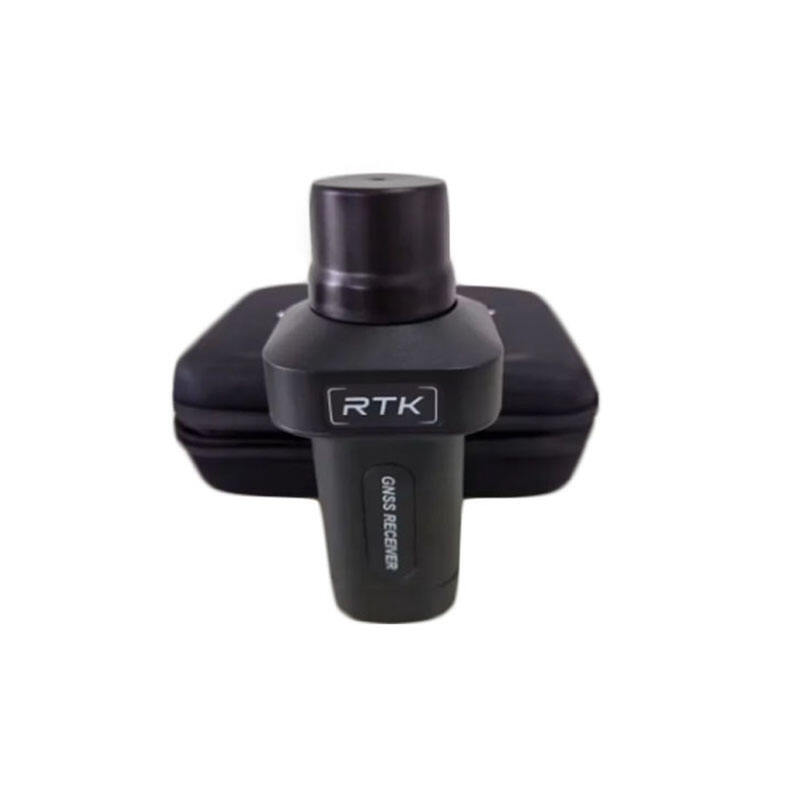
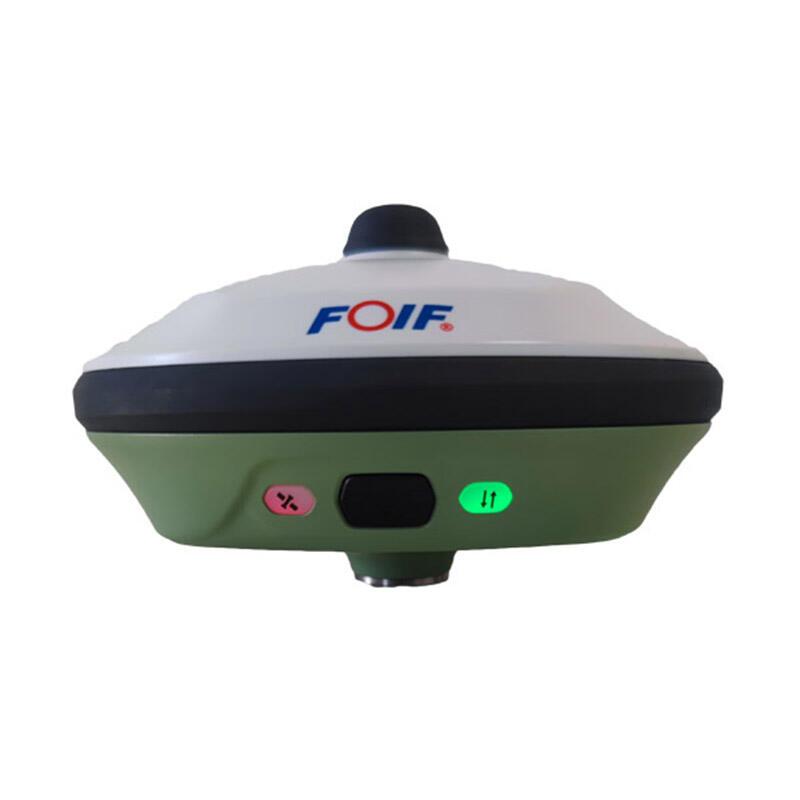
The CORS GNSS receiver represents a revolutionary advancement in satellite positioning technology, designed to deliver precise location data through continuous operation reference stations. This sophisticated device operates as part of a network infrastructure that provides real-time corrections to GPS and other global navigation satellite systems, ensuring centimeter-level accuracy for surveying, mapping, and construction applications. The CORS GNSS receiver functions by establishing permanent monitoring stations that track satellite signals continuously, collecting atmospheric and orbital error data that can significantly impact positioning accuracy. These receivers incorporate advanced signal processing capabilities, supporting multiple satellite constellation systems including GPS, GLONASS, Galileo, and BeiDou simultaneously. The technology behind CORS GNSS receivers utilizes differential correction methods, where reference stations with known precise coordinates monitor satellite signals and calculate correction factors for atmospheric delays, satellite clock errors, and orbital variations. These corrections are then transmitted to mobile users in real-time, enabling them to achieve survey-grade precision without requiring expensive equipment or lengthy observation periods. Modern CORS GNSS receivers feature robust hardware designs capable of operating in harsh environmental conditions, with industrial-grade components that ensure reliable performance across temperature extremes, humidity variations, and electromagnetic interference. The receivers typically include multiple frequency bands, allowing for improved signal tracking and faster convergence times. Integration capabilities enable seamless connectivity with existing survey workflows, supporting various data formats and communication protocols. The system architecture allows for both real-time kinematic positioning and post-processing applications, providing flexibility for different project requirements and operational constraints.

New Products

The CORS GNSS receiver delivers exceptional value through its ability to provide consistent, high-accuracy positioning data that dramatically reduces project timelines and operational costs. Users benefit from immediate access to centimeter-level precision without the traditional requirements of establishing local base stations or conducting lengthy static observations. This technology eliminates the need for multiple survey crews to coordinate reference station setups, allowing single operators to achieve professional-grade results efficiently. The CORS GNSS receiver system offers substantial cost savings by reducing equipment requirements, as users no longer need to purchase and maintain expensive base station hardware for each project site. The continuous operation model ensures positioning services are available around the clock, enabling flexible work schedules and improved project productivity. Real-time corrections provided by the CORS GNSS receiver network eliminate weather-related delays that traditionally affect survey operations, as atmospheric modeling corrections account for ionospheric and tropospheric variations automatically. The system enhances data quality through redundant satellite tracking and error checking algorithms, providing confidence in measurement results and reducing the likelihood of costly resurvey requirements. Integration with existing survey software and hardware platforms streamlines workflows, allowing professionals to leverage familiar tools while accessing enhanced positioning capabilities. The CORS GNSS receiver network coverage extends across large geographic areas, providing consistent accuracy standards regardless of project location within the service area. This standardization ensures that survey data collected by different teams or at different times maintains comparable precision levels, facilitating seamless data integration for large-scale projects. The system reduces training requirements, as operators can quickly learn to use the simplified workflows enabled by CORS GNSS receiver technology. Maintenance costs decrease significantly since the central infrastructure handles equipment calibration, software updates, and system monitoring, reducing the burden on individual users. The technology provides audit trails and quality assurance metrics that support regulatory compliance and professional liability requirements in surveying and engineering applications.

Latest News

How Can RTK Improve Surveying Precision for Large Construction Sites?

22

Dec

How Can RTK Improve Surveying Precision for Large Construction Sites?

Modern construction projects demand unprecedented accuracy and efficiency, particularly when dealing with expansive development sites spanning hundreds of acres. Traditional surveying methods often fall short when faced with the complexities of large...
View More
Why Is RTK GNSS Essential for High-Accuracy Industrial Positioning?

22

Dec

Why Is RTK GNSS Essential for High-Accuracy Industrial Positioning?

In today's rapidly evolving industrial landscape, precise positioning has become the cornerstone of operational excellence across multiple sectors. RTK GNSS technology represents a quantum leap forward in positioning accuracy, delivering centimeter-l...
View More
How Do RTK GNSS Receivers Maintain Stability in Complex Terrains?

22

Dec

How Do RTK GNSS Receivers Maintain Stability in Complex Terrains?

Navigation accuracy in challenging environments has become a critical requirement across industries ranging from construction and surveying to autonomous vehicles and precision agriculture. RTK GNSS receivers represent the pinnacle of satellite-based...
View More
How Do Total Stations Support High-Accuracy Layout in Construction?

13

Jan

How Do Total Stations Support High-Accuracy Layout in Construction?

Construction projects demand exceptional precision when establishing accurate layout points and measurements across job sites. Modern surveying instruments have revolutionized how construction professionals approach dimensional control and spatial po...
View More

Get a Free Quote

Our representative will contact you soon.
Email
Name
Company Name
Message
0/1000

cors gnss receiver

Real-Time Centimeter Accuracy with Multi-Constellation Support

Real-Time Centimeter Accuracy with Multi-Constellation Support

The CORS GNSS receiver stands out in the positioning technology market through its exceptional ability to deliver real-time centimeter-level accuracy across multiple satellite constellations simultaneously. This advanced capability stems from sophisticated signal processing algorithms that track GPS, GLONASS, Galileo, and BeiDou satellites concurrently, providing users with robust positioning solutions even in challenging environments. The multi-constellation approach significantly improves satellite availability, particularly in urban canyons, under forest canopies, or in mountainous terrain where signal obstruction commonly occurs. The CORS GNSS receiver processes signals from up to 40 satellites simultaneously, compared to traditional single-constellation receivers that may only track 8-12 satellites, resulting in faster solution convergence and improved reliability. The real-time kinematic positioning achieved by the CORS GNSS receiver eliminates the traditional wait times associated with static surveying methods, allowing operators to collect precise measurements within seconds of initialization. This rapid convergence capability transforms field productivity, enabling survey teams to complete projects in fractions of the time previously required. The system maintains accuracy consistency across varying atmospheric conditions through advanced ionospheric and tropospheric modeling, ensuring reliable results throughout daily and seasonal atmospheric changes. Quality control mechanisms built into the CORS GNSS receiver continuously monitor solution integrity, automatically flagging potential issues and providing confidence indicators for each measurement. This real-time quality assurance prevents the collection of erroneous data that could compromise project outcomes, saving significant time and resources in data validation and correction processes. The centimeter-level precision delivered by the CORS GNSS receiver meets or exceeds accuracy requirements for professional surveying, construction layout, and precision agriculture applications, making it suitable for the most demanding positioning tasks while remaining accessible to users with varying technical expertise levels.
Network Infrastructure Eliminates Base Station Requirements

Network Infrastructure Eliminates Base Station Requirements

One of the most compelling advantages of the CORS GNSS receiver system lies in its revolutionary approach to eliminating traditional base station requirements through comprehensive network infrastructure. This innovation fundamentally transforms how positioning projects are executed, removing the complexity and expense associated with establishing temporary reference stations for each survey operation. Traditional surveying methods require teams to transport, set up, and maintain base station equipment at known control points, often involving significant logistical challenges and equipment costs. The CORS GNSS receiver network replaces this cumbersome process with permanently installed reference stations strategically positioned to provide continuous coverage across large geographic areas. These permanent installations undergo rigorous site selection processes, ensuring optimal satellite visibility and minimal multipath interference that could degrade positioning accuracy. The network architecture enables automatic quality monitoring and redundancy, with multiple reference stations contributing to correction calculations for enhanced reliability and accuracy validation. Users connecting to the CORS GNSS receiver network gain immediate access to differential corrections without equipment setup delays, weather-related postponements, or coordination requirements between multiple field teams. This streamlined approach reduces project costs by eliminating base station rental or purchase expenses, transportation logistics, and additional personnel requirements for reference station management. The network infrastructure provides consistent accuracy standards across all coverage areas, ensuring uniform data quality regardless of project location or timing. Maintenance responsibilities shift from individual users to network operators, who employ specialized technical staff and standardized procedures to ensure optimal system performance. The CORS GNSS receiver network offers superior redundancy compared to single base station setups, automatically switching between reference stations or combining multiple station data to maintain service continuity during equipment maintenance or unexpected outages. This reliability proves essential for time-sensitive projects where positioning delays could result in significant cost overruns or schedule disruptions. The elimination of base station requirements also enhances safety by reducing field equipment exposure and minimizing personnel time spent in potentially hazardous environments while setting up temporary installations.
Seamless Integration with Professional Survey Workflows

Seamless Integration with Professional Survey Workflows

The CORS GNSS receiver excels in its ability to integrate seamlessly with existing professional survey workflows, providing enhanced positioning capabilities without requiring extensive retraining or equipment overhauls. This integration advantage stems from comprehensive compatibility with industry-standard survey software packages, data collection platforms, and field hardware systems commonly used by surveying professionals. The CORS GNSS receiver supports multiple data communication protocols, including RTCM corrections, NTRIP streaming, and various proprietary formats, ensuring compatibility with diverse equipment manufacturers and software solutions. Field crews can continue using familiar data collectors, surveying software, and analysis tools while benefiting from the enhanced accuracy and efficiency provided by CORS positioning services. The system automatically handles coordinate transformations between different datum systems and map projections, eliminating potential errors in manual coordinate conversions that could compromise project accuracy. Integration capabilities extend to office workflows, where CORS GNSS receiver data seamlessly imports into computer-aided design software, geographic information systems, and project management platforms without format conversion requirements. This compatibility reduces learning curves for experienced professionals while enabling organizations to leverage existing software investments and established procedures. The CORS GNSS receiver provides standardized output formats that facilitate data sharing between project stakeholders, contractors, and regulatory agencies, improving collaboration and reducing communication errors. Quality assurance features built into the integration process automatically validate data consistency and flag potential discrepancies before they propagate through project workflows, preventing costly errors and rework. The system maintains detailed metadata for each measurement, including accuracy estimates, satellite geometry information, and correction source data, supporting comprehensive audit trails required for professional liability and regulatory compliance. Workflow automation capabilities enable batch processing of large datasets, reducing manual data handling requirements and minimizing human error potential in repetitive tasks. The CORS GNSS receiver integration supports both real-time field applications and post-processing analysis, providing flexibility for different project requirements and quality assurance procedures. This dual-mode capability ensures that professionals can select the most appropriate workflow approach based on project constraints, accuracy requirements, and client specifications while maintaining consistent positioning standards throughout all operations.


Get a Free Quote

Our representative will contact you soon.
Email
Name
Company Name
Message
0/1000