low cost gnss
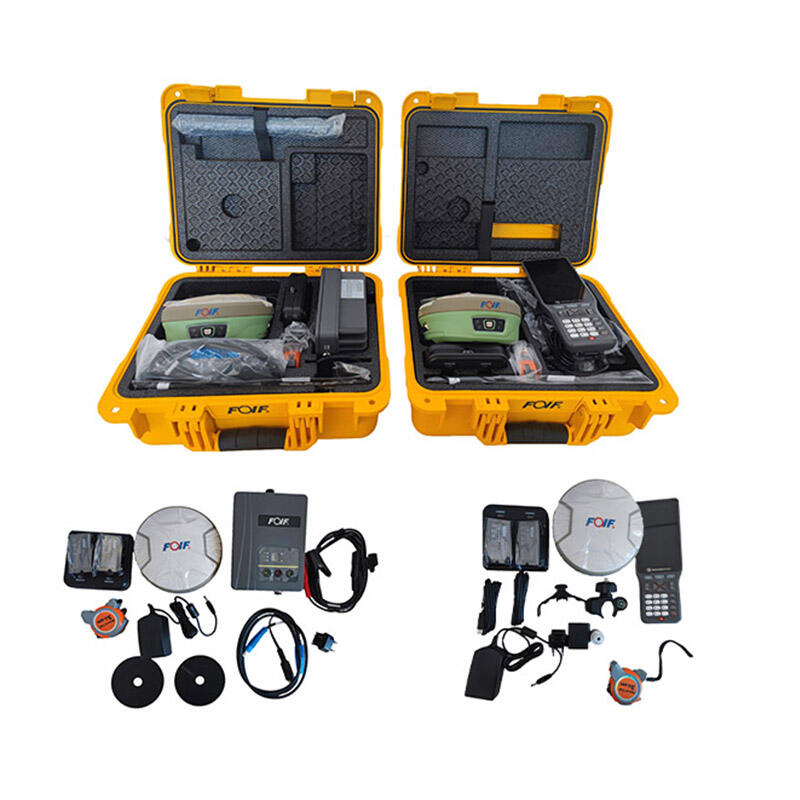
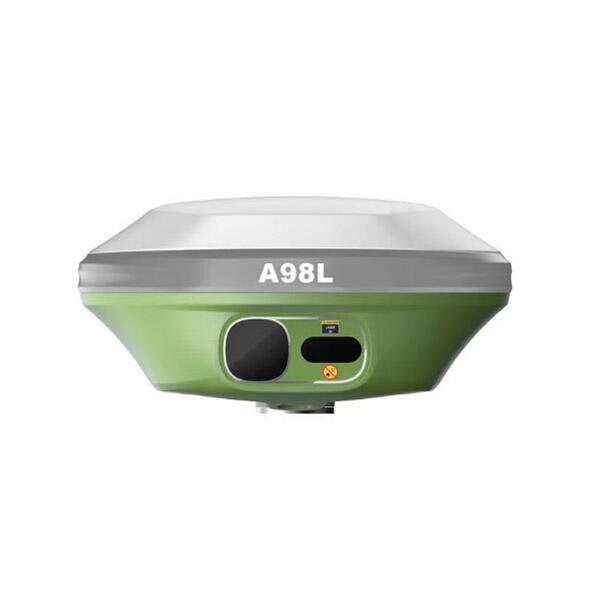
A low cost GNSS (Global Navigation Satellite System) represents a revolutionary advancement in positioning technology that makes precise satellite-based navigation accessible to a broader range of users and applications. This technology leverages signals from multiple satellite constellations, including GPS, GLONASS, Galileo, and BeiDou, to provide accurate location, velocity, and timing information at a fraction of the cost of traditional high-end systems. The main functions of a low cost GNSS include real-time positioning with meter-level accuracy, continuous tracking capabilities, and reliable timing synchronization across various environments. These systems typically feature multi-constellation support, allowing them to receive signals from numerous satellites simultaneously for enhanced reliability and coverage. The technological foundation includes advanced signal processing algorithms, efficient antenna designs, and optimized receiver architectures that reduce manufacturing costs while maintaining performance standards. Key technological features encompass fast signal acquisition, low power consumption, compact form factors, and simplified integration interfaces that facilitate easy deployment across diverse applications. The versatility of low cost GNSS extends to numerous sectors including agriculture, transportation, surveying, maritime navigation, outdoor recreation, and IoT device tracking. In precision agriculture, farmers utilize these systems for field mapping, crop monitoring, and automated machinery guidance. Transportation applications range from fleet management and logistics optimization to personal navigation and autonomous vehicle development. The construction and surveying industries benefit from cost-effective positioning solutions for site mapping, equipment tracking, and project management. Maritime users employ low cost GNSS for vessel navigation, fishing operations, and harbor management. Additionally, these systems play crucial roles in emergency services, wildlife tracking, asset management, and scientific research applications. The democratization of GNSS technology through affordable solutions has opened new possibilities for innovation across industries while making precise positioning accessible to small businesses, researchers, and individual users who previously could not justify the investment in expensive professional-grade systems.

 EN
EN