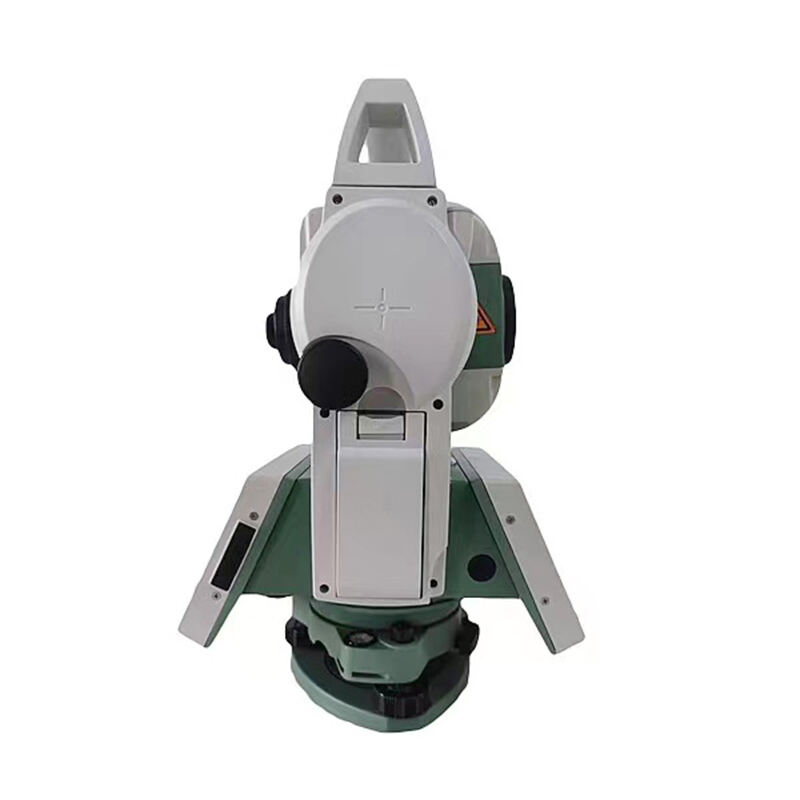
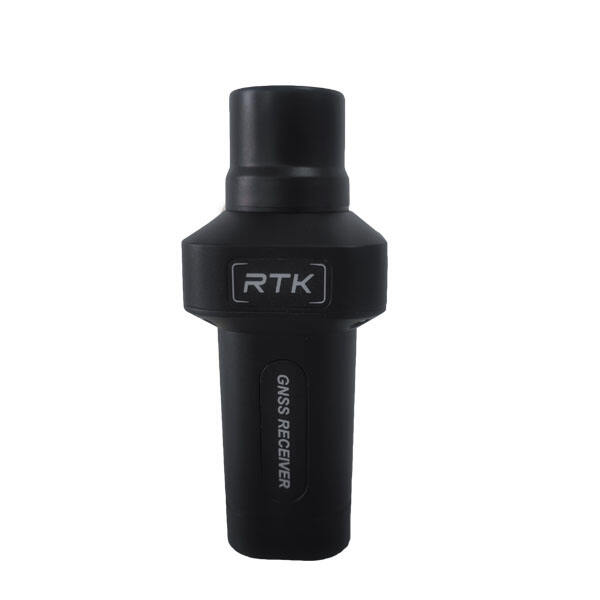
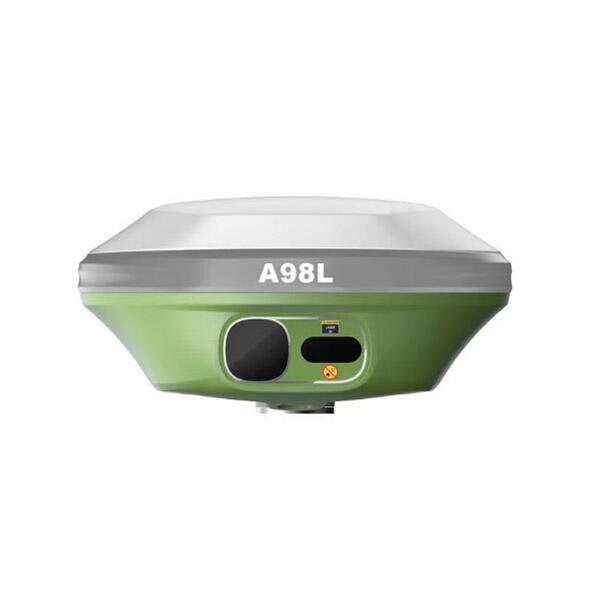
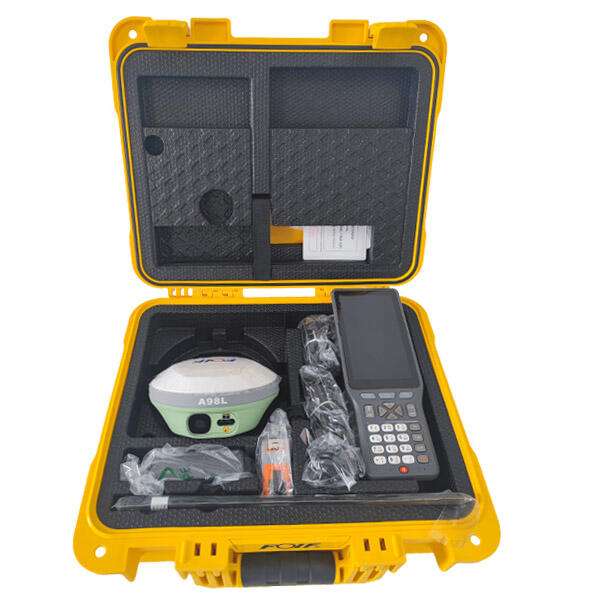
Affordable GNSS Receiver: Professional-Grade GPS Navigation Technology at Budget-Friendly Prices

All Categories

affordable gnss receiver

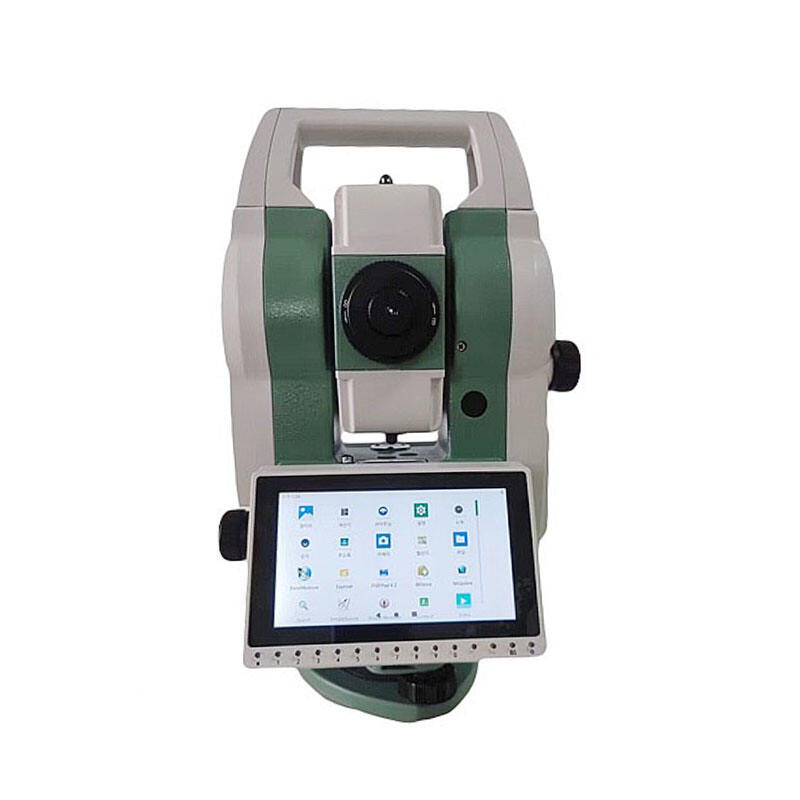
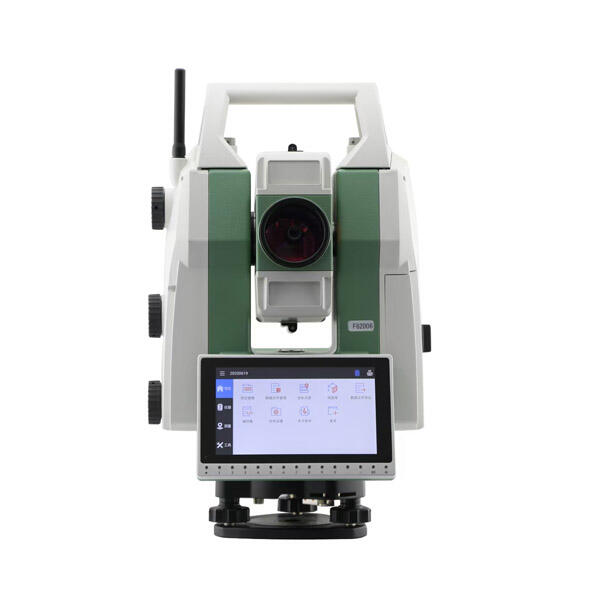
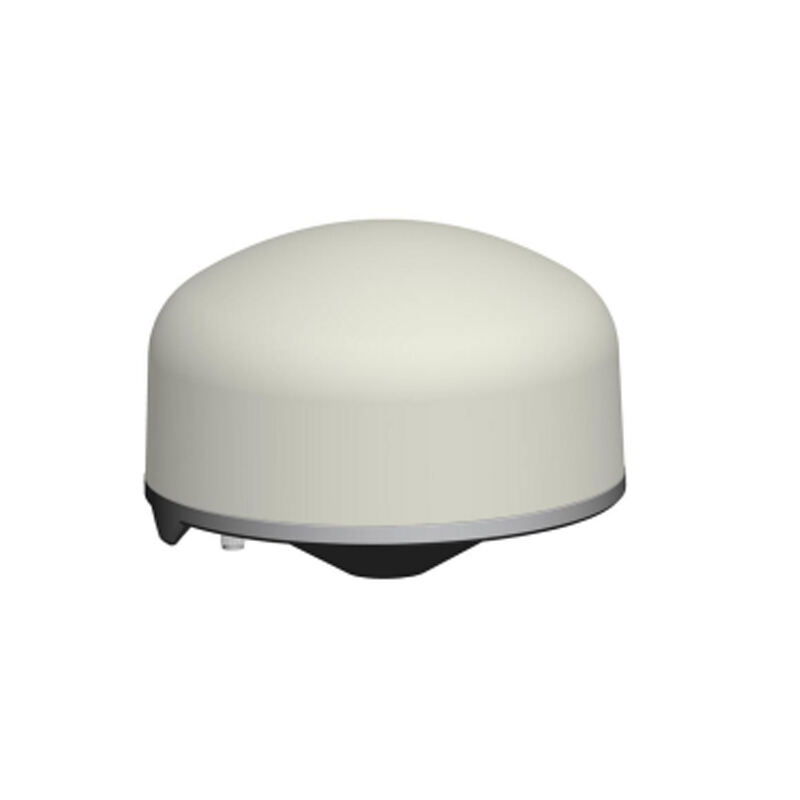
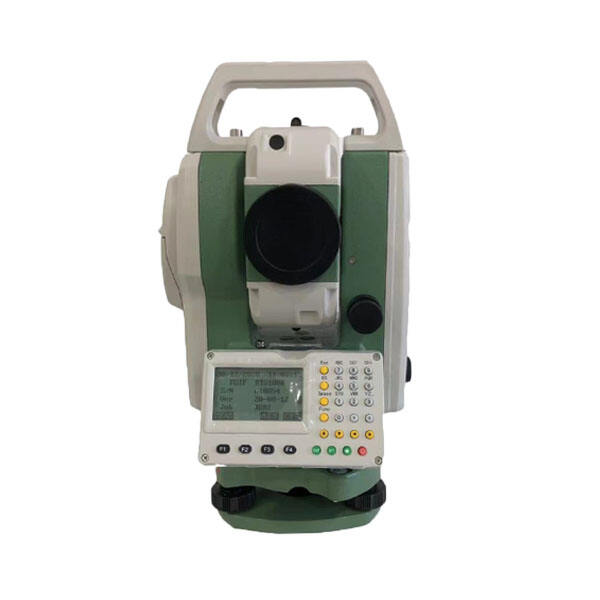
The affordable gnss receiver represents a breakthrough in satellite navigation technology, delivering professional-grade positioning capabilities at a fraction of traditional costs. This advanced device utilizes signals from multiple satellite constellations including GPS, GLONASS, Galileo, and BeiDou to provide precise location data across various applications. Modern affordable gnss receiver units incorporate cutting-edge signal processing algorithms that ensure reliable performance even in challenging environments with limited satellite visibility. The main functions of an affordable gnss receiver include real-time positioning, navigation assistance, time synchronization, and data logging capabilities. These devices feature multi-constellation tracking that significantly improves accuracy and reduces the time required to establish a position fix. The technological features of contemporary affordable gnss receiver models include advanced antenna designs, low-power consumption circuits, and robust data processing units that maintain consistent performance across diverse weather conditions. Applications for affordable gnss receiver technology span numerous industries including agriculture, surveying, construction, transportation, and outdoor recreation. In precision agriculture, farmers utilize affordable gnss receiver systems to implement automated steering, variable rate applications, and field mapping with centimeter-level accuracy. Survey professionals rely on affordable gnss receiver equipment for boundary establishment, topographic mapping, and construction layout activities. The construction industry benefits from affordable gnss receiver integration in heavy machinery for grade control, excavation guidance, and site planning operations. Transportation companies employ affordable gnss receiver technology for fleet management, route optimization, and asset tracking solutions. Outdoor enthusiasts and emergency responders depend on affordable gnss receiver devices for navigation, geocaching, and search-and-rescue operations. The affordability factor has democratized access to professional-grade positioning technology, enabling small businesses and individual users to leverage capabilities previously reserved for large corporations with substantial budgets.


New Product Releases

The primary advantage of an affordable gnss receiver lies in its exceptional cost-effectiveness without compromising essential functionality. Traditional high-end positioning systems often require significant capital investment, making them inaccessible to smaller organizations and individual users. An affordable gnss receiver breaks down these financial barriers by delivering comparable accuracy and reliability at substantially reduced prices. This democratization of technology enables widespread adoption across diverse sectors, from small-scale farming operations to independent surveying contractors. Users benefit from immediate cost savings during initial purchase while maintaining access to professional-grade features typically found in expensive alternatives. The operational efficiency gained through affordable gnss receiver implementation translates directly into improved productivity and reduced labor costs. Workers can complete tasks faster and with greater precision, eliminating the need for repetitive measurements and reducing human error rates. This efficiency improvement becomes particularly valuable in time-sensitive projects where delays result in significant financial consequences. Another crucial advantage involves the simplified user interface design found in most affordable gnss receiver models. Manufacturers prioritize ease-of-use to ensure quick adoption without extensive training requirements. This user-friendly approach reduces onboarding time and minimizes the learning curve for new operators. The plug-and-play functionality allows immediate deployment in field operations without complex configuration procedures. Maintenance requirements for affordable gnss receiver units remain minimal compared to traditional positioning equipment. These devices incorporate robust construction designed to withstand harsh environmental conditions while requiring little ongoing maintenance. The reduced maintenance burden translates into lower total ownership costs and improved operational uptime. Battery life optimization in modern affordable gnss receiver designs ensures extended field operation periods without frequent recharging. This extended battery performance reduces operational interruptions and increases overall productivity. The compact form factor of contemporary affordable gnss receiver models enhances portability and reduces fatigue during extended use periods. Workers can carry these lightweight devices comfortably throughout long working days without experiencing significant physical strain. Integration capabilities allow affordable gnss receiver systems to connect seamlessly with existing equipment and software platforms, maximizing return on current technology investments.

Practical Tips

How GNSS RTK Systems Deliver High-Precision Results

27

Nov

How GNSS RTK Systems Deliver High-Precision Results

Modern surveying and positioning applications demand exceptional accuracy that traditional GPS systems simply cannot deliver. Global Navigation Satellite System Real-Time Kinematic (GNSS RTK Systems) have revolutionized precision positioning by provi...
View More
Top Tips for Using High Accuracy Handheld GPS in the Field

27

Nov

Top Tips for Using High Accuracy Handheld GPS in the Field

Professional fieldwork demands precision, reliability, and efficiency in positioning technology. Modern surveying, construction, and geospatial applications require positioning solutions that deliver centimeter-level accuracy while maintaining the po...
View More
How Do RTK GNSS Receivers Maintain Stability in Complex Terrains?

22

Dec

How Do RTK GNSS Receivers Maintain Stability in Complex Terrains?

Navigation accuracy in challenging environments has become a critical requirement across industries ranging from construction and surveying to autonomous vehicles and precision agriculture. RTK GNSS receivers represent the pinnacle of satellite-based...
View More
Why Are Digital Levels Preferred Over Traditional Bubble Levels?

11

Feb

Why Are Digital Levels Preferred Over Traditional Bubble Levels?

The construction and engineering industries have witnessed a significant transformation in measurement tools over the past decade. Among these advancements, digital levels have emerged as the preferred choice for professionals who demand precision, e...
View More

Get a Free Quote

Our representative will contact you soon.
Email
Name
Company Name
Message
0/1000

affordable gnss receiver

Multi-Constellation Satellite Tracking for Enhanced Reliability

Multi-Constellation Satellite Tracking for Enhanced Reliability

The multi-constellation satellite tracking capability represents one of the most significant advantages offered by modern affordable gnss receiver technology. Unlike older single-constellation systems that relied exclusively on GPS satellites, today's affordable gnss receiver units simultaneously track signals from GPS, GLONASS, Galileo, and BeiDou satellite networks. This multi-constellation approach dramatically improves positioning reliability and accuracy across all operating conditions. When an affordable gnss receiver can access signals from multiple satellite constellations, it maintains consistent performance even in challenging environments where buildings, terrain, or atmospheric conditions might block certain satellite signals. The redundancy provided by multiple constellation access ensures that users never lose positioning capability due to temporary satellite unavailability. In urban environments where tall buildings create satellite signal shadows, an affordable gnss receiver with multi-constellation tracking maintains accurate positioning by automatically switching between available satellite networks. This seamless transition occurs without user intervention, ensuring uninterrupted operation during critical tasks. The enhanced satellite visibility provided by multi-constellation tracking also reduces the time required to establish an initial position fix, commonly known as Time to First Fix (TTFF). Users benefit from faster startup times and improved responsiveness when powering on their affordable gnss receiver devices. The improved geometry provided by accessing satellites from multiple constellations enhances the overall accuracy of position calculations. When satellites are distributed more evenly across the sky, the affordable gnss receiver can calculate more precise positions with reduced uncertainty. This geometric improvement becomes particularly valuable in applications requiring high accuracy, such as precision agriculture or construction layout work. The multi-constellation capability also provides insurance against potential system outages or interference affecting individual satellite networks. If one constellation experiences technical difficulties or intentional jamming, the affordable gnss receiver continues operating using signals from alternative constellation systems. This redundancy ensures business continuity and operational reliability even during adverse conditions that might affect traditional single-constellation receivers.
Real-Time Kinematic (RTK) Support for Centimeter-Level Accuracy

Real-Time Kinematic (RTK) Support for Centimeter-Level Accuracy

Real-Time Kinematic (RTK) support in affordable gnss receiver systems delivers centimeter-level positioning accuracy that was previously available only in expensive professional equipment. This advanced positioning technique uses a base station to transmit correction data to the affordable gnss receiver, eliminating atmospheric errors and satellite orbit uncertainties that typically limit standard positioning accuracy. The RTK capability transforms an affordable gnss receiver into a precision instrument suitable for applications requiring the highest accuracy standards, including precision agriculture, surveying, and construction activities. When operating in RTK mode, an affordable gnss receiver achieves horizontal accuracy within 1-2 centimeters and vertical accuracy within 2-3 centimeters under optimal conditions. This level of precision enables users to perform professional-grade surveying work, establish property boundaries, and implement precision farming techniques with confidence in their measurements. The real-time aspect of RTK correction means that users receive accurate positions immediately without post-processing requirements, enabling efficient field operations and immediate decision-making based on precise location data. Modern affordable gnss receiver models support various RTK correction sources, including local base stations, virtual reference station (VRS) networks, and satellite-based correction services. This flexibility allows users to choose the most appropriate correction source for their specific location and application requirements. Network RTK services provide correction coverage over wide geographic areas, enabling affordable gnss receiver users to achieve centimeter accuracy without establishing their own base station infrastructure. The cost savings associated with RTK-capable affordable gnss receiver systems are substantial compared to traditional high-end alternatives. Users can implement precision positioning solutions at a fraction of the cost typically associated with professional surveying equipment while maintaining comparable accuracy standards. This affordability factor enables small businesses and individual operators to compete effectively in markets previously dominated by larger organizations with expensive equipment budgets. The integration of RTK capability into affordable gnss receiver designs has revolutionized various industries by making precision positioning accessible to a broader user base, ultimately improving operational efficiency and measurement quality across numerous applications.
Extended Battery Life and Rugged Design for Field Operations

Extended Battery Life and Rugged Design for Field Operations

The extended battery life and rugged design characteristics of modern affordable gnss receiver units address critical operational requirements for extended field use in demanding environments. Manufacturers recognize that field operations often occur in locations without convenient access to power sources, making battery longevity a crucial factor in device usability and productivity. Contemporary affordable gnss receiver models typically provide 8-12 hours of continuous operation on a single battery charge, with some advanced models achieving up to 20 hours of runtime under optimal conditions. This extended battery performance ensures that users can complete full working days without interruption or the need to carry multiple battery packs. The power management systems integrated into affordable gnss receiver designs optimize energy consumption through intelligent sleep modes and adaptive processing algorithms that reduce power draw during periods of stable satellite reception. These power-saving features extend operational time while maintaining positioning accuracy and responsiveness when needed. Quick-charging capabilities allow affordable gnss receiver batteries to reach full capacity in 2-3 hours, minimizing downtime between field sessions. The rugged construction standards applied to affordable gnss receiver manufacturing ensure reliable operation in harsh environmental conditions commonly encountered during outdoor work. These devices typically meet or exceed IP67 ingress protection ratings, providing complete protection against dust infiltration and temporary water immersion. The robust housing materials resist impact damage from drops, vibration, and rough handling during transportation and use. Temperature resistance enables affordable gnss receiver operation across wide temperature ranges, from freezing winter conditions to hot summer environments without performance degradation. The shock-resistant design protects internal components from damage during accidental drops or impacts that commonly occur during field operations. Sealed button designs and reinforced connection ports prevent moisture and debris infiltration while maintaining user accessibility to essential controls and data ports. The ergonomic considerations incorporated into affordable gnss receiver design reduce user fatigue during extended operation periods, featuring comfortable grip surfaces and intuitive control layouts that enable single-handed operation when necessary. These durability and usability features ensure that affordable gnss receiver investment provides long-term value through reliable performance across diverse operating conditions and extended service life even under demanding use patterns.

Get a Free Quote

Our representative will contact you soon.
Email
Name
Company Name
Message
0/1000