
 EN
EN
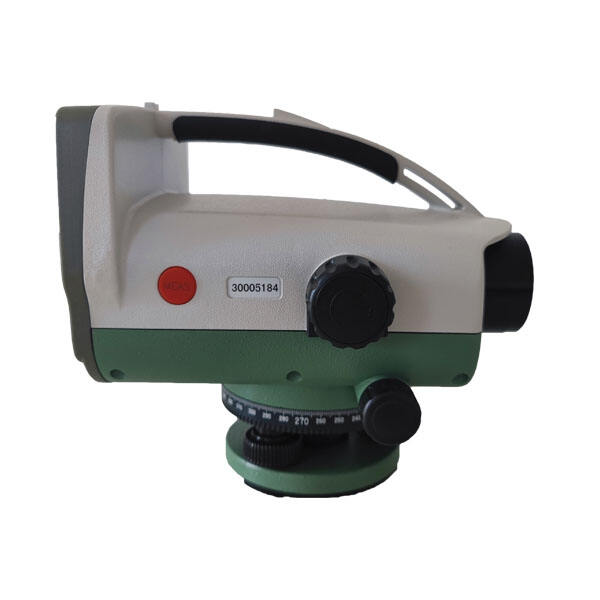
The construction and engineering industries have witnessed a significant transformation in measurement tools over the past decade. Among these advancements, digital levels have emerged as the preferred choice for professionals who demand precision, efficiency, and reliability in their work. Unlike traditional bubble levels that rely on visual interpretation of air bubbles suspended in liquid, digital levels provide numerical readings with unmatched accuracy and eliminate human error from the measurement process.
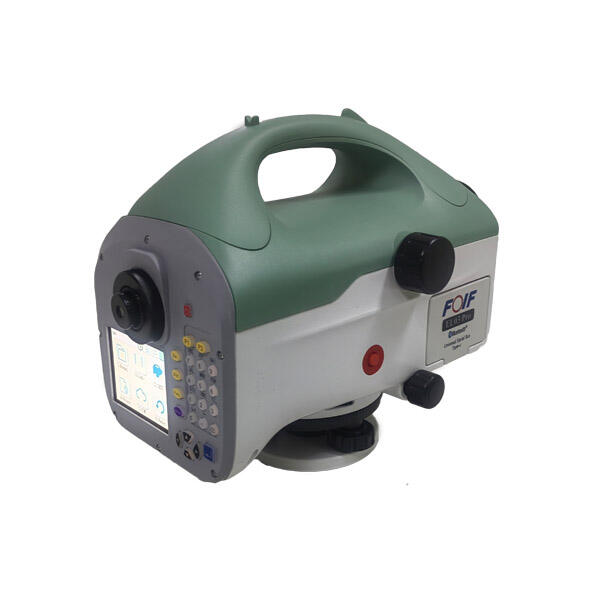
The shift toward digital levels represents more than just technological advancement; it reflects the industry's commitment to achieving superior results while reducing project timelines. These sophisticated instruments combine traditional leveling principles with modern electronics, offering features that were impossible to achieve with conventional bubble levels. Professional contractors, surveyors, and construction teams increasingly recognize that digital levels deliver measurable value through enhanced productivity and reduced rework costs.
Precision and Accuracy Advantages
Superior Measurement Resolution
Digital levels offer measurement resolution that far exceeds what traditional bubble levels can achieve. While conventional bubble levels typically provide accuracy within 0.5mm per meter, digital levels can deliver precision measurements down to 0.1mm per meter or better. This enhanced resolution becomes critical in applications where structural integrity depends on precise alignment, such as steel frame construction, machinery installation, and architectural finishing work.
The electronic sensors within digital levels eliminate the subjective interpretation required with bubble levels. Instead of estimating whether a bubble sits perfectly centered between guide lines, users receive exact numerical readings displayed on digital screens. This precision proves invaluable when working in challenging lighting conditions or when multiple team members need to achieve identical measurements across different work sessions.
Elimination of Parallax Error
Traditional bubble levels suffer from parallax error, which occurs when the viewer's eye position affects the apparent bubble position within the vial. This error source can introduce significant measurement variations, especially when different operators use the same level throughout a project. Digital levels completely eliminate parallax error by providing consistent numerical displays regardless of viewing angle or operator position.
Professional construction teams appreciate how digital levels maintain measurement consistency across multiple users. This consistency proves essential for large-scale projects where accuracy standards must remain constant despite personnel changes or shift rotations. The elimination of subjective interpretation ensures that project specifications are met uniformly throughout the construction process.
Enhanced Productivity Features
Multi-Function Capabilities
Modern digital levels integrate multiple measurement functions within a single instrument, replacing the need for separate tools. Many models combine traditional leveling with angle measurement, distance calculation, and slope determination capabilities. This multi-function approach reduces the number of tools required on job sites while ensuring that all measurements maintain consistent accuracy standards.
The versatility of digital levels extends beyond basic leveling tasks. Advanced models can store measurement data, calculate grade percentages automatically, and even provide audio feedback for hands-free operation. These features enable construction professionals to work more efficiently while maintaining the documentation required for quality control and project compliance.
Data Recording and Documentation
Digital levels often include data logging capabilities that automatically record measurements with timestamps and location references. This functionality eliminates the manual recording errors common with traditional levels while creating comprehensive documentation for quality assurance purposes. Project managers can access measurement histories to verify compliance with specifications and identify trends that might indicate systematic issues.
The ability to transfer measurement data directly to computers or mobile devices streamlines the reporting process significantly. Digital levels with wireless connectivity can integrate with project management software, enabling real-time progress monitoring and reducing administrative overhead. This digital integration aligns with modern construction workflows that rely on electronic documentation and data-driven decision making.
Durability and Environmental Performance
Weather Resistance Advantages
Digital levels typically feature superior weather resistance compared to traditional bubble levels, which can be affected by temperature variations that cause bubble fluid expansion or contraction. Electronic sensors maintain consistent performance across wide temperature ranges, ensuring reliable measurements in extreme weather conditions. This reliability proves crucial for outdoor construction projects that cannot be delayed due to environmental factors.
The sealed construction of digital levels protects internal components from moisture, dust, and debris that can compromise traditional bubble vials. Professional-grade digital levels often meet IP65 or higher ingress protection ratings, allowing continued operation in harsh environments where traditional levels might fail or provide unreliable readings.
Long-Term Reliability
While traditional bubble levels can develop air bubbles, crack vials, or experience fluid leakage over time, digital levels maintain their accuracy through electronic calibration systems. Many models include self-calibration features that automatically adjust for sensor drift, ensuring measurement accuracy remains consistent throughout the instrument's operational life.
The solid-state construction of digital levels eliminates the mechanical wear points found in traditional bubble levels. Without moving parts or liquid-filled vials, digital levels resist the cumulative damage that affects conventional levels subjected to repeated job site impacts and vibrations. This durability translates to lower replacement costs and reduced downtime for equipment maintenance.
Cost-Effectiveness Analysis
Initial Investment Considerations
While digital levels require higher initial investment compared to traditional bubble levels, the cost differential narrows when considering the total cost of ownership. Digital levels combine multiple measurement functions in single instruments, reducing the number of separate tools required for comprehensive measurement tasks. This consolidation effect often results in lower overall tool costs for professional applications.
The enhanced accuracy of digital levels reduces material waste and rework costs associated with measurement errors. Construction projects that achieve first-time accuracy through precise digital levels avoid the expense of correcting misaligned components, replacing incorrectly positioned materials, or addressing structural issues caused by cumulative measurement errors.
Productivity Return on Investment
Digital levels significantly reduce the time required for measurement tasks compared to traditional methods. The instant numerical display eliminates the interpretation time needed with bubble levels, while integrated calculation features provide immediate results for slope, grade, and angle measurements. This time savings translates directly to labor cost reductions on projects with extensive measurement requirements.
Professional contractors report that digital levels enable faster project completion through improved measurement efficiency and reduced quality control inspections. The documented accuracy of digital measurements often satisfies inspection requirements without additional verification, accelerating project approval processes and reducing administrative delays.
Industry Applications and Use Cases
Construction and Building Trades
Digital levels have become standard equipment in professional construction applications where precision directly impacts structural integrity and code compliance. Foundation work, concrete pouring, steel frame assembly, and finish carpentry all benefit from the enhanced accuracy that digital levels provide. The ability to verify measurements instantly reduces the risk of costly corrections and ensures consistent quality across all project phases.
Specialty applications such as elevator installation, mechanical equipment mounting, and architectural millwork require precision levels that exceed the capabilities of traditional bubble levels. Digital levels meet these demanding requirements while providing the documentation needed for warranty compliance and code approval processes.
Manufacturing and Industrial Settings
Industrial applications increasingly rely on digital levels for machinery installation, conveyor alignment, and precision assembly processes. Manufacturing environments demand measurement tools that maintain accuracy despite temperature variations, vibration, and electromagnetic interference. Digital levels designed for industrial use incorporate features such as magnetic dampening and EMI shielding to ensure reliable performance in challenging environments.
Quality control processes in manufacturing benefit from the traceability and documentation capabilities of digital levels. Measurement data can be integrated directly into quality management systems, enabling statistical process control and automated compliance reporting. This integration capability makes digital levels essential tools for ISO-certified manufacturing operations.
Technology Integration and Future Developments
Smart Connectivity Features
Modern digital levels incorporate wireless connectivity that enables integration with smartphones, tablets, and cloud-based project management systems. This connectivity allows real-time data sharing among team members and provides remote access to measurement records for project coordination purposes. Advanced models include GPS integration for location-specific measurement logging and automatic site mapping capabilities.
The development of augmented reality applications for digital levels promises to further enhance their utility by overlaying measurement data onto live camera feeds. This technology will enable users to visualize grade requirements, compare actual measurements against design specifications, and identify alignment issues before they become costly problems.
Artificial Intelligence Enhancement
Emerging digital levels incorporate artificial intelligence algorithms that can detect measurement patterns, predict equipment maintenance needs, and provide optimization suggestions for measurement workflows. These intelligent features help users achieve consistent results while minimizing the learning curve associated with advanced measurement techniques.
Machine learning capabilities enable digital levels to adapt to specific user preferences and work patterns, automatically adjusting display settings, measurement units, and data logging parameters based on usage history. This personalization improves user efficiency while maintaining measurement accuracy across different applications and environments.
FAQ
How long do digital levels typically last compared to traditional bubble levels?
Digital levels generally provide longer service life than traditional bubble levels due to their solid-state construction and absence of liquid-filled vials that can crack or develop air bubbles. With proper care and periodic calibration, professional-grade digital levels can maintain accuracy for 5-10 years or more, while traditional bubble levels may require replacement every 2-3 years due to vial damage or accuracy degradation.
Can digital levels work in extreme temperatures where bubble levels might fail?
Yes, digital levels typically operate reliably across much wider temperature ranges than traditional bubble levels. While bubble levels can become inaccurate due to thermal expansion or contraction of the bubble fluid, digital levels use electronic sensors that maintain consistent performance from -10°C to +50°C or beyond, depending on the model. This makes them ideal for outdoor construction work in varying weather conditions.
Are digital levels more fragile than traditional levels due to their electronic components?
Professional-grade digital levels are designed to withstand job site conditions and often prove more durable than traditional levels in practical applications. While they contain electronic components, these are protected by robust housings with high IP ratings for water and dust resistance. The absence of breakable glass vials actually makes many digital levels less susceptible to impact damage than traditional bubble levels.
How accurate are digital level batteries and what happens if they fail during work?
Most digital levels provide 40-100 hours of continuous operation on a single battery charge or set of batteries, with low battery warnings to prevent unexpected shutdowns. Many models include auto-shutoff features to preserve battery life when not in active use. As backup, some digital levels retain basic analog bubble vials as emergency references, though the digital display provides the primary measurement capability that makes these tools superior for professional applications.
Table of Contents
- Precision and Accuracy Advantages
- Enhanced Productivity Features
- Durability and Environmental Performance
- Cost-Effectiveness Analysis
- Industry Applications and Use Cases
- Technology Integration and Future Developments
-
FAQ
- How long do digital levels typically last compared to traditional bubble levels?
- Can digital levels work in extreme temperatures where bubble levels might fail?
- Are digital levels more fragile than traditional levels due to their electronic components?
- How accurate are digital level batteries and what happens if they fail during work?