
 EN
EN
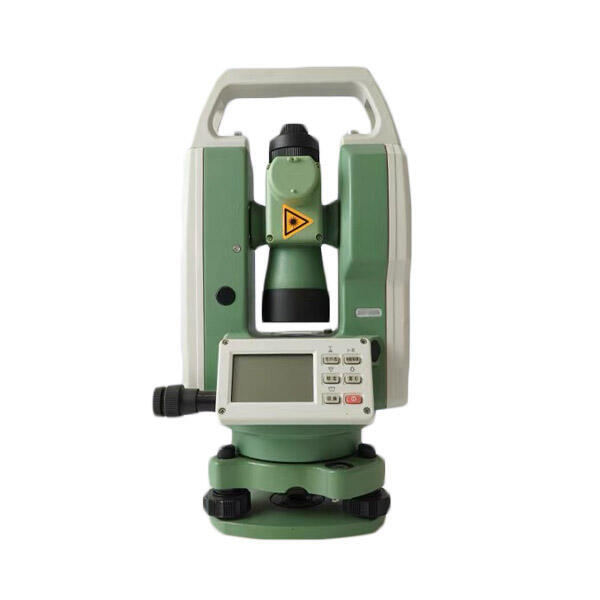
Surveying professionals and construction engineers face critical decisions when selecting measurement instruments for their projects. The choice between traditional surveying tools and modern integrated systems can significantly impact project efficiency, accuracy, and overall success. Understanding the fundamental differences between a theodolite and total stations helps professionals make informed equipment decisions that align with their specific measurement requirements and budget constraints.
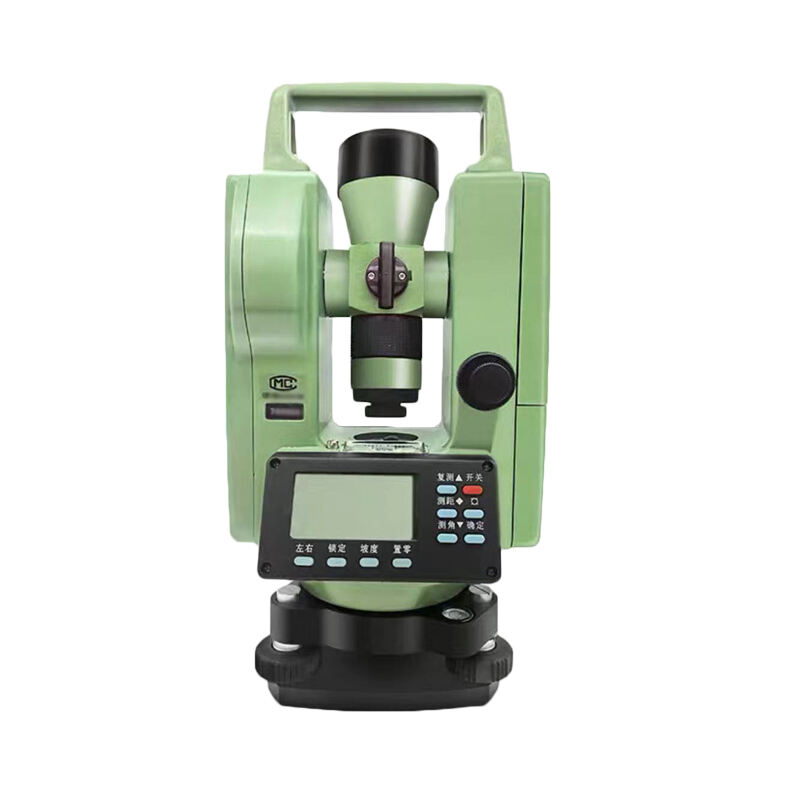
Modern surveying has evolved from manual calculation methods to sophisticated electronic measurement systems. While a theodolite remains essential for angular measurements, total stations have revolutionized how professionals approach comprehensive site surveying. The integration of distance measurement capabilities with angular precision has transformed field operations across construction, engineering, and mapping applications.
Understanding Theodolite Fundamentals
Traditional Theodolite Design and Function
A theodolite represents the foundation of precision angular measurement in surveying applications. This instrument measures horizontal and vertical angles with exceptional accuracy, utilizing an optical system that allows surveyors to sight distant targets and record precise angular readings. Traditional theodolite operation requires manual calculation of distances and coordinates, making it a time-intensive but highly accurate measurement tool.
The mechanical precision of a theodolite stems from its carefully engineered optical components and graduated circles. Professional-grade models provide angular accuracy within seconds of arc, establishing them as reference standards for critical measurement applications. The instrument's simplicity ensures reliability in harsh field conditions where electronic systems might fail or require frequent calibration.
Modern electronic theodolite versions maintain traditional angular measurement capabilities while adding digital displays and data recording features. These hybrid instruments bridge the gap between classic surveying methods and contemporary electronic systems, offering familiar operation with enhanced data management capabilities.
Theodolite Applications and Limitations
Construction projects frequently utilize theodolite instruments for establishing precise angular references, setting building corners, and verifying structural alignments. The instrument excels in applications requiring pure angular measurement without the complexity of integrated distance calculation systems. Educational institutions prefer theodolite training because it teaches fundamental surveying principles without electronic system dependencies.
However, theodolite limitations become apparent in comprehensive surveying projects requiring coordinate calculation and rapid data collection. Manual distance measurement using steel tapes or separate electronic distance meters significantly increases field time and introduces potential measurement errors. The lack of integrated data processing means surveyors must perform calculations separately, reducing overall productivity.
Weather sensitivity affects theodolite performance, particularly in optical models where visibility conditions directly impact measurement accuracy. Rain, fog, or extreme temperature variations can compromise sighting capabilities and measurement precision, requiring careful consideration of environmental factors during field operations.
Total Station Technology Integration
Electronic Distance Measurement Capabilities
Total stations combine theodolite angular measurement precision with electronic distance measurement technology, creating comprehensive surveying instruments capable of calculating three-dimensional coordinates automatically. The integration eliminates separate distance measurement steps, significantly reducing field time while maintaining measurement accuracy standards required for professional surveying applications.
Electronic distance meters within total stations utilize laser or infrared technology to measure distances ranging from several meters to kilometers, depending on atmospheric conditions and target reflectivity. Advanced models feature reflectorless measurement capabilities, allowing distance measurement to natural surfaces without requiring prism placement at target locations.
The coordinate calculation automation provided by total stations transforms raw angular and distance measurements into usable coordinate data instantly. This real-time processing capability enables immediate quality control checks and reduces the potential for calculation errors that might occur with manual theodolite-based measurements.
Data Collection and Processing Advantages
Modern total stations incorporate sophisticated data collection systems that record measurements electronically, eliminating manual field book entries and reducing transcription errors. Internal memory storage allows thousands of measurement points to be collected and organized systematically, improving project documentation and data management efficiency.
Integrated software within total stations enables real-time coordinate calculation, area computation, and basic surveying calculations that would require separate processing when using traditional theodolite instruments. This computational capability allows surveyors to verify measurements immediately and make necessary adjustments during field operations rather than discovering errors during office processing.
Communication interfaces in contemporary total stations facilitate direct data transfer to computers, tablets, and cloud-based systems, streamlining the transition from field measurement to final deliverable preparation. This connectivity eliminates manual data entry steps and accelerates project completion timelines significantly.
Accuracy and Precision Comparison
Angular Measurement Standards
Both theodolite and total station instruments achieve comparable angular measurement precision when properly calibrated and operated under optimal conditions. High-end theodolite models typically provide angular accuracy within one to five seconds of arc, establishing measurement standards suitable for the most demanding surveying applications including geodetic control and precision construction layout.
Total stations maintain equivalent angular precision while adding distance measurement accuracy that directly affects coordinate calculation quality. The combination of precise angular and distance measurements enables total stations to achieve coordinate accuracy within millimeters over typical surveying distances, making them suitable for applications requiring both angular and positional precision.
Environmental factors affect both instrument types similarly regarding angular measurements, but total stations face additional challenges from atmospheric conditions that influence electronic distance measurement accuracy. Temperature, humidity, and barometric pressure variations require compensation algorithms to maintain distance measurement precision comparable to angular accuracy standards.
Distance Measurement Integration Effects
The electronic distance measurement capability of total stations introduces systematic and random errors different from those encountered with theodolite-only measurements. While theodolite angular accuracy remains consistent regardless of distance, total station distance measurements may degrade with increasing range, atmospheric turbulence, and target surface characteristics.
Reflectorless measurement modes available in modern total stations provide convenience benefits but typically sacrifice some accuracy compared to prism-based measurements. Understanding these accuracy trade-offs helps surveyors select appropriate measurement modes for specific application requirements and accuracy standards.
Calibration procedures for total stations encompass both angular and distance measurement systems, requiring more comprehensive maintenance protocols compared to theodolite instruments. Regular calibration verification ensures that integrated measurements maintain specified accuracy levels throughout the instrument's operational life.
Operational Efficiency Considerations
Field Productivity Analysis
Total stations significantly outperform traditional theodolite setups in terms of measurement productivity and field efficiency. The elimination of separate distance measurement requirements reduces typical survey point collection time from several minutes to under thirty seconds, dramatically improving project completion rates and reducing labor costs for extensive surveying projects.
Single-operator capability represents a major advantage of total stations over theodolite-based measurements that often require two-person teams for efficient distance measurement using steel tapes or electronic distance meters. This staffing reduction provides immediate cost benefits while maintaining measurement quality standards expected in professional surveying applications.
Automated data recording eliminates field book maintenance and reduces the potential for recording errors that commonly occur during manual data entry processes. The immediate availability of coordinate data enables real-time quality control procedures that identify and correct measurement problems before leaving survey stations.
Learning Curve and Training Requirements
Traditional theodolite operation requires comprehensive understanding of surveying mathematics, coordinate calculation procedures, and manual measurement techniques that form the foundation of professional surveying practice. This educational foundation proves valuable for developing surveying judgment and problem-solving capabilities essential for complex measurement challenges.
Total station operation involves electronic system management, software interface navigation, and coordinate system configuration that may overwhelm operators without adequate training. However, the automated calculation capabilities allow less experienced operators to achieve professional-quality results more quickly than traditional theodolite-based methods.
Troubleshooting capabilities differ significantly between instrument types, with theodolite problems typically involving mechanical adjustments or optical alignment issues that experienced operators can address in the field. Total station malfunctions may require specialized electronic diagnostics or factory service, potentially causing longer project delays.
Cost-Benefit Analysis
Initial Investment Considerations
The initial purchase price of quality theodolite instruments remains significantly lower than comparable total station systems, making them attractive options for organizations with limited equipment budgets or infrequent surveying requirements. Basic theodolite models provide essential angular measurement capabilities at costs approximately one-third to one-half of entry-level total stations.
However, the total cost of theodolite-based surveying operations must include additional equipment requirements such as electronic distance meters, prisms, targets, and field computation tools needed for comprehensive measurement projects. When accounting for these supplementary equipment costs, the price differential between theodolite and total station systems decreases substantially.
Financing and depreciation considerations favor total station investments for organizations performing regular surveying activities. The increased productivity and reduced labor requirements of total stations typically generate return on investment within one to two years for active surveying operations, justifying the higher initial equipment costs.
Long-term Operational Costs
Maintenance requirements for theodolite instruments focus primarily on optical system cleaning, mechanical adjustment verification, and periodic calibration checks that most operators can perform with basic training. The mechanical simplicity of theodolite designs typically results in lower annual maintenance costs and longer operational lifespans compared to electronic instruments.
Total station maintenance encompasses electronic system diagnostics, software updates, battery management, and environmental protection measures that may require specialized technical support. However, the elimination of separate distance measurement equipment reduces overall system maintenance complexity and associated costs.
Training costs associated with total station operation may initially exceed theodolite training requirements, but the automated calculation capabilities reduce the time needed to develop operational proficiency. Organizations can achieve productive surveying operations more quickly with total station systems, offsetting initial training investments through improved project efficiency.
Application-Specific Recommendations
Construction and Engineering Projects
Large-scale construction projects benefit significantly from total station capabilities, particularly during initial site surveying, foundation layout, and progress monitoring phases. The rapid coordinate calculation and data collection features enable contractors to maintain construction schedules while ensuring accurate dimensional control throughout project execution.
Precision engineering applications requiring millimeter-level accuracy may favor theodolite instruments for critical angular measurements, supplemented by separate high-precision distance measurement systems. This hybrid approach provides maximum measurement control while maintaining flexibility for specialized measurement requirements.
Utility surveying and infrastructure projects typically benefit from total station integration, where rapid data collection and coordinate calculation support efficient right-of-way surveying, utility location, and design verification activities. The automated data processing capabilities reduce field time requirements and improve project documentation quality.
Educational and Training Applications
Surveying education programs often emphasize theodolite instruction to ensure students understand fundamental measurement principles and calculation procedures before advancing to automated total station systems. This educational progression develops critical thinking skills and measurement judgment essential for professional surveying practice.
Professional development programs may benefit from dual-instrument training that combines theodolite fundamentals with total station operational efficiency. This comprehensive approach prepares surveyors to work effectively with various equipment types encountered in diverse project environments.
Research applications requiring measurement method validation or comparison studies may necessitate parallel theodolite and total station measurements to verify system accuracy and identify potential systematic errors. Academic institutions often maintain both instrument types to support comprehensive surveying research programs.
Future Technology Considerations
Digital Integration Trends
Contemporary total stations increasingly incorporate cloud connectivity, real-time data sharing, and mobile device integration that extends their capabilities beyond traditional surveying applications. These connected features enable remote project monitoring, collaborative data collection, and automated quality control procedures that improve project management efficiency.
Robotic total stations represent the evolution of automated surveying technology, enabling single-operator measurement of multiple points without manual instrument manipulation. This automation capability provides significant productivity advantages for large-scale surveying projects while maintaining measurement accuracy standards expected in professional applications.
Integration with Geographic Information Systems and Building Information Modeling platforms allows total station data to contribute directly to project design and management systems. This seamless data flow eliminates traditional conversion steps and reduces the potential for errors during data transfer processes.
Emerging Measurement Technologies
Laser scanning technology increasingly complements traditional theodolite and total station measurements by providing comprehensive three-dimensional data collection capabilities. However, these advanced systems supplement rather than replace conventional surveying instruments for applications requiring specific point measurements and dimensional control.
Global positioning systems continue improving accuracy and availability, potentially reducing the need for traditional angular measurement in certain applications. Nevertheless, theodolite and total station instruments remain essential for applications requiring millimeter-level accuracy or operation in GPS-denied environments.
Unmanned aerial vehicle integration with surveying instruments enables rapid site reconnaissance and measurement planning that improves field efficiency for both theodolite and total station operations. This technological synergy enhances rather than replaces traditional ground-based measurement capabilities.
FAQ
What is the main difference between a theodolite and a total station
The primary difference lies in measurement capabilities and integration. A theodolite measures only horizontal and vertical angles, requiring separate distance measurement tools and manual calculations to determine coordinates. A total station combines theodolite angular measurement with electronic distance measurement and automated coordinate calculation, providing complete three-dimensional positioning in a single integrated instrument.
Which instrument provides better accuracy for surveying projects
Both instruments can achieve comparable angular accuracy when properly calibrated and operated under optimal conditions. High-quality theodolite and total station models typically provide angular accuracy within one to five seconds of arc. However, total stations offer the advantage of integrated distance measurement and automated coordinate calculation, reducing potential errors from manual calculations and separate measurement steps.
How do operational costs compare between theodolite and total station systems
Initial theodolite costs are typically 30-50% lower than total stations, but operational efficiency significantly favors total stations. The automated measurement and calculation capabilities of total stations reduce field time requirements by 60-80% compared to theodolite-based measurements, resulting in lower labor costs and faster project completion. Most organizations achieve return on total station investment within 1-2 years of regular use.
When should surveyors choose a theodolite over a total station
Theodolite selection is appropriate for applications requiring only angular measurements, educational training programs teaching fundamental surveying principles, projects with limited budgets, or situations where electronic systems may be unreliable due to harsh environmental conditions. Organizations performing infrequent surveying activities or specializing in angular measurement applications may find theodolite instruments more cost-effective than total station systems.