
 EN
EN
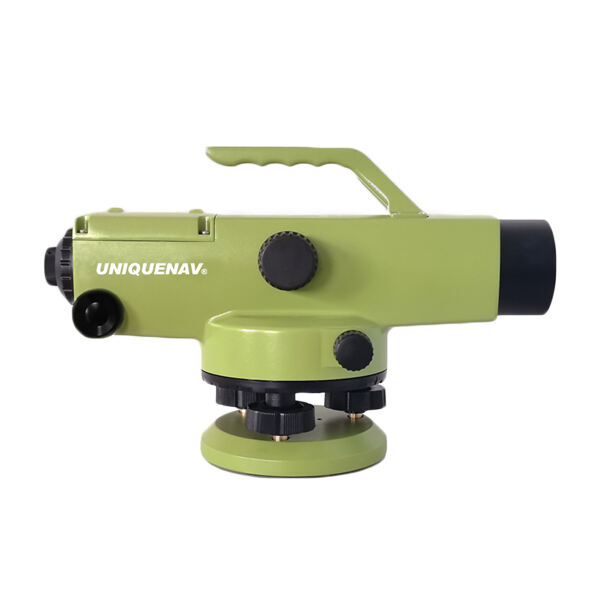
Construction and surveying professionals consistently seek tools that enhance precision while reducing time-consuming manual processes. The auto level stands as one of the most crucial instruments in modern site-leveling operations, transforming how contractors approach elevation measurements and grading tasks. This sophisticated optical device eliminates the need for constant manual adjustments, delivering accurate horizontal readings that streamline construction workflows from initial site preparation through final grading verification.
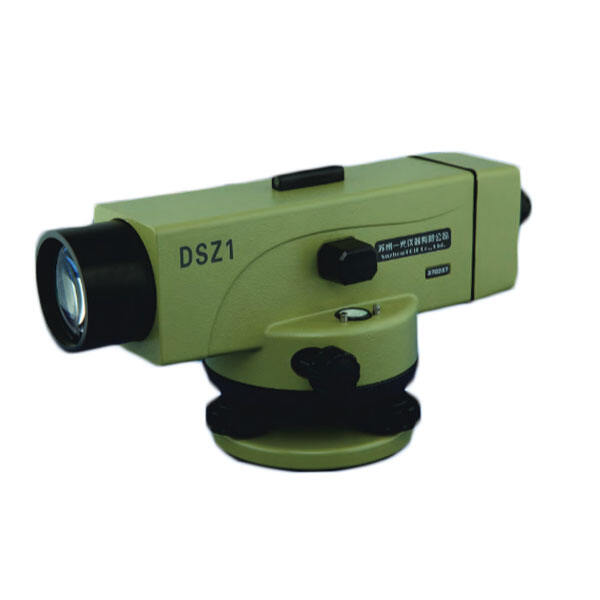
Traditional leveling methods often involve tedious setup procedures and frequent recalibration, particularly when environmental conditions change throughout the workday. Modern auto level technology addresses these challenges by incorporating internal compensating mechanisms that maintain accuracy despite minor vibrations or temperature fluctuations. These instruments have revolutionized site-leveling efficiency across residential developments, commercial construction projects, and infrastructure installations where precise elevation control determines project success.
Understanding Auto Level Technology and Functionality
Automatic Compensation Mechanisms
The core advantage of an auto level lies in its internal compensating system that automatically maintains a level line of sight regardless of minor instrument tilts. This mechanism typically employs a pendulum-based system with magnetic damping that responds to gravity, ensuring the optical system remains perfectly horizontal even when the instrument base experiences slight movements. Unlike manual levels that require constant bubble adjustments, the auto level maintains accuracy through these internal corrections, significantly reducing operator intervention and potential human error.
Advanced auto level designs incorporate sophisticated damping systems that stabilize the compensating mechanism within seconds of setup. These systems filter out vibrations from nearby construction equipment, wind disturbances, or ground movement while maintaining the precise horizontal reference needed for accurate elevation measurements. The compensation range typically spans several arc minutes, providing adequate correction for standard mounting variations without compromising measurement precision.
Optical System Design and Precision
Professional-grade auto level instruments feature high-quality optical systems with magnification ranges typically between 20x and 32x, enabling operators to read leveling rods at considerable distances while maintaining measurement accuracy. The telescope assembly incorporates multiple lens elements with anti-reflective coatings that enhance image clarity and reduce optical distortion, particularly important when working in challenging lighting conditions or across long sight distances.
The focusing mechanism allows operators to achieve sharp target images across varying distances, from close-range detail work to long-distance elevation shots exceeding 100 meters. This optical versatility makes the auto level suitable for diverse construction applications, from foundation layout requiring millimeter precision to large-scale grading operations where efficiency takes priority over extreme accuracy.
Efficiency Gains in Site Preparation and Layout
Rapid Setup and Deployment Procedures
Modern auto level instruments streamline site preparation workflows through simplified setup procedures that minimize time between arrival and productive measurement activities. The typical setup process involves mounting the instrument on a tripod, performing a basic level check, and allowing the compensating mechanism to stabilize, usually completed within two to three minutes. This rapid deployment capability proves particularly valuable when multiple elevation shots are required across different site locations during a single workday.
The elimination of complex bubble adjustment procedures reduces setup time compared to traditional manual levels, while also minimizing the skill level required for basic operation. Construction crews can deploy auto level equipment more efficiently, with less experienced team members capable of achieving professional-grade results after minimal training. This operational efficiency translates directly into labor cost savings and improved project timeline adherence.
Enhanced Measurement Speed and Accuracy
Site-leveling operations benefit significantly from the continuous accuracy maintained by auto level technology throughout extended measurement sessions. Once properly set up, the instrument provides consistent horizontal reference without the need for frequent rechecking or adjustment, allowing operators to focus on rod reading and data recording rather than instrument maintenance. This sustained accuracy enables faster measurement cycles, particularly beneficial for large-scale grading verification or foundation elevation surveys.
The improved measurement speed directly impacts project efficiency by reducing the time required for elevation control activities. Contractors report measurement rate improvements of 25-40% when switching from manual to auto level systems, primarily due to eliminated adjustment delays and reduced setup repetition. These efficiency gains become especially pronounced during projects requiring extensive elevation mapping or when working under tight scheduling constraints.
Applications Across Construction Project Phases
Foundation and Excavation Control
Foundation construction demands precise elevation control throughout excavation, formwork placement, and concrete pouring operations. Auto level instruments excel in these applications by providing consistent elevation references that guide excavation equipment operators and ensure foundation elements achieve specified grades. The instrument's stability during ongoing construction activities eliminates the need for constant recalibration, maintaining accuracy despite vibrations from heavy equipment operation.
During formwork installation, auto level technology enables rapid verification of form heights and alignments, ensuring concrete pours achieve design elevations without costly corrections. The instrument's ability to maintain accuracy across varying distances proves particularly valuable in large foundation projects where multiple elevation points require verification simultaneously. This capability reduces the need for multiple instrument setups and accelerates the overall construction sequence.
Grading and Site Development Operations
Site grading operations rely heavily on accurate elevation control to achieve proper drainage gradients, parking lot slopes, and landscape contours specified in construction documents. Auto level instruments provide the consistent elevation reference needed for guiding grading equipment and verifying finished surfaces meet design requirements. The instrument's efficiency becomes particularly apparent during large-area grading where numerous elevation checks are required across the project site.
The technology proves especially valuable during final grading operations where tolerance requirements tighten and rework costs escalate significantly. Auto level accuracy helps contractors achieve specification compliance on initial attempts, reducing the need for costly re-grading activities. Additionally, the instrument's rapid deployment capability enables frequent spot-checks during grading operations, catching elevation discrepancies before they require extensive correction.
Environmental Adaptability and Durability Considerations
Weather Resistance and Field Reliability
Construction environments expose surveying instruments to challenging weather conditions, dust, moisture, and temperature variations that can compromise measurement accuracy and equipment longevity. Professional auto level designs incorporate weather sealing and protective features that maintain operational reliability across diverse environmental conditions. These instruments typically feature IP54 or higher protection ratings, ensuring continued operation during light rain or dusty conditions common on construction sites.
Temperature compensation mechanisms within auto level systems maintain accuracy across seasonal temperature ranges, preventing thermal expansion effects from compromising measurement precision. This environmental adaptability allows contractors to maintain consistent leveling operations throughout varying weather conditions without concerns about instrument accuracy degradation or the need for frequent recalibration procedures.
Maintenance Requirements and Operational Longevity
The simplified mechanical design of modern auto level instruments reduces maintenance requirements compared to more complex electronic surveying systems. Routine maintenance typically involves basic cleaning procedures, periodic calibration verification, and occasional servicing of the compensating mechanism. This reduced maintenance burden contributes to lower total ownership costs while ensuring consistent instrument availability for project activities.
Proper care and handling procedures extend auto level service life significantly, with quality instruments providing decades of reliable operation under normal construction use. The robust optical and mechanical systems resist damage from typical field handling, while replaceable components allow for economical repairs when necessary. This durability makes auto level investment particularly attractive for contractors requiring long-term elevation control solutions.
Integration with Modern Construction Workflows
Digital Data Collection and Project Documentation
Contemporary construction projects increasingly require detailed documentation of elevation control activities for quality assurance, regulatory compliance, and project record purposes. While traditional auto level instruments provide visual readings, integration with digital data collectors enables automated recording and processing of elevation measurements. These systems reduce transcription errors while creating permanent records that support project documentation requirements.
The combination of auto level accuracy with digital recording capabilities streamlines elevation data management throughout construction phases. Project teams can generate real-time reports, track grading progress, and identify elevation discrepancies before they impact subsequent construction activities. This integrated approach enhances overall project efficiency while ensuring comprehensive documentation of site-leveling activities.
Cost-Benefit Analysis for Construction Operations
The investment in auto level technology typically demonstrates positive returns through improved labor efficiency, reduced rework costs, and enhanced project timeline adherence. Contractors report significant time savings in elevation control activities, with corresponding reductions in labor costs for surveying and layout operations. The improved accuracy also minimizes costly corrections that often result from elevation errors discovered late in construction sequences.
Long-term operational benefits include reduced training requirements for equipment operators, lower maintenance costs compared to electronic alternatives, and enhanced project capability that supports competitive positioning for elevation-critical projects. The total cost of ownership typically proves favorable compared to alternative leveling methods when considering accuracy, efficiency, and reliability factors across multiple project applications.
FAQ
What accuracy can I expect from a quality auto level instrument?
Professional-grade auto level instruments typically provide accuracy within 1.5-2.0 millimeters per kilometer of sight distance under normal operating conditions. This precision level proves adequate for most construction applications including foundation layout, grading control, and elevation verification activities. Some high-end models achieve even tighter accuracy tolerances, making them suitable for applications requiring millimeter-level precision.
How does weather affect auto level performance and accuracy?
Modern auto level designs incorporate weather-resistant features that maintain accuracy across normal construction weather conditions. Light rain, moderate wind, and temperature variations typically do not significantly impact measurement precision, though extreme conditions may require additional precautions. The internal compensating mechanism continues functioning effectively in temperatures ranging from -10°C to +50°C, covering most construction weather scenarios.
Can auto level instruments work effectively on active construction sites?
Auto level technology specifically addresses the challenges of active construction environments through vibration-dampened compensating systems that filter out disturbances from nearby equipment operation. The instruments maintain accuracy despite moderate vibrations, making them practical for use during ongoing construction activities. However, extreme vibrations may require temporary cessation of heavy equipment operation during critical measurements.
What training is required for construction crews to operate auto level equipment effectively?
Basic auto level operation requires minimal training compared to more complex surveying instruments, with most construction personnel achieving competency after several hours of instruction and practice. The simplified setup procedures and automatic compensation features reduce the skill level needed for accurate operation. However, proper rod reading techniques, basic surveying principles, and safety procedures should be covered in any training program to ensure optimal results.