
 EN
EN
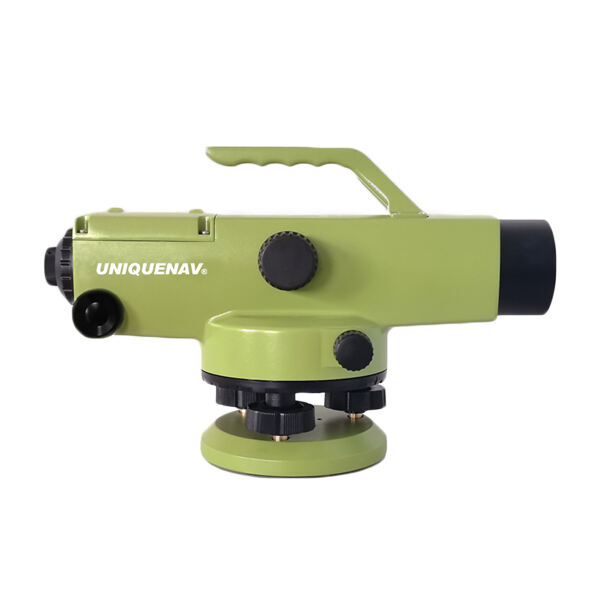
When precision matters most in construction and surveying projects, selecting the right auto level becomes a critical decision that can impact the success of your entire operation. An auto level serves as the backbone of accurate height measurements and horizontal alignments across various construction applications. Understanding the essential features to evaluate before making your purchase ensures you invest in equipment that delivers reliable performance, durability, and value for your specific project requirements. Whether you're a seasoned professional or new to surveying equipment, knowing what to look for in an auto level will help you make an informed decision that supports your work for years to come.
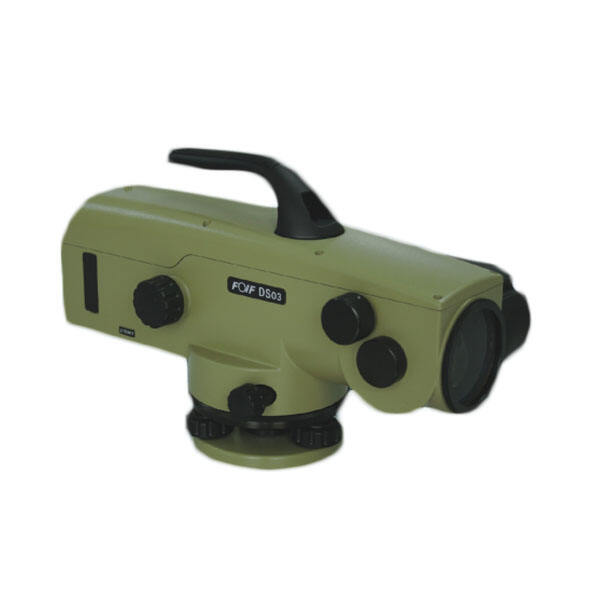
Accuracy and Precision Standards
Understanding Accuracy Specifications
The accuracy specification of an auto level represents the maximum error you can expect over a specific distance, typically expressed in millimeters per kilometer. Professional-grade instruments generally offer accuracy ranging from ±1.5mm to ±2.5mm per kilometer of double-run leveling. When evaluating accuracy specifications, consider your project requirements carefully, as higher precision instruments command premium prices but may be essential for critical applications. The accuracy rating directly influences measurement reliability and should align with industry standards for your specific field of work.
Temperature variations, vibrations, and environmental conditions can affect accuracy performance, making it crucial to understand how manufacturers test their instruments. Look for auto level models that maintain consistent accuracy across various operating conditions and temperature ranges. Some advanced models incorporate temperature compensation features that automatically adjust readings based on ambient conditions, ensuring reliable performance throughout different seasons and climates.
Precision Consistency Over Time
Long-term precision stability distinguishes quality auto level instruments from basic models that may drift over time. Evaluate the instrument's ability to maintain its accuracy specification through extended use and varying environmental exposures. Quality manufacturers provide calibration certificates and specify recalibration intervals to help maintain optimal performance. Regular calibration ensures your auto level continues delivering precise measurements throughout its operational lifetime.
The internal compensator system plays a vital role in maintaining precision by automatically correcting for minor instrument tilts. Advanced compensator designs use magnetic damping systems that settle quickly while providing excellent stability against external vibrations. Understanding the compensator's working range and settling time helps you evaluate how efficiently the instrument will perform in real-world conditions where perfect setup may not always be achievable.
Magnification Power and Optical Quality
Telescope Magnification Requirements
Magnification power determines how clearly you can read staff graduations at various distances, with most professional auto level instruments offering magnifications between 20x and 32x. Higher magnification allows for more precise rod readings at greater distances but may reduce the field of view and make target acquisition more challenging. Consider your typical working distances when selecting magnification power, as excessive magnification can actually hinder productivity in close-range applications.
The relationship between magnification and objective lens diameter affects light-gathering capability and image brightness. A larger objective lens combined with appropriate magnification provides better visibility in varying lighting conditions. Professional surveyors often prefer 32x magnification with objective lenses of 36mm or larger for optimal versatility across different project types and lighting situations.
Optical System Design and Clarity
The optical system quality directly impacts measurement accuracy and user comfort during extended operation periods. Multi-coated lenses reduce light reflection and increase image contrast, making staff readings more distinct and reducing eye strain. Look for auto level models featuring fully coated optical elements that provide sharp, clear images with minimal chromatic aberration across the entire field of view.
Reticle design and illumination options enhance readability under various lighting conditions. Some advanced models offer selectable reticle patterns optimized for different measurement tasks, while LED illumination systems provide consistent visibility in low-light environments. The focusing mechanism should operate smoothly throughout the entire range while maintaining sharp image quality at all distances within the instrument's working range.
Compensator System Performance
Automatic Compensator Technology
The automatic compensator represents the heart of any auto level system, automatically correcting for small instrument tilts to maintain accurate horizontal line of sight. Modern compensator systems utilize magnetic damping technology that provides rapid settling times while maintaining excellent stability against vibrations and wind disturbances. Understanding the compensator's working range, typically ±15 to ±30 arc minutes, helps ensure the instrument meets your setup requirements and tolerance for leveling precision.
Compensator sensitivity and response characteristics affect both accuracy and productivity in field applications. High-quality systems respond quickly to setup adjustments while filtering out temporary disturbances like passing vehicles or equipment vibrations. The auto level compensator should provide consistent performance across the entire temperature range specified for the instrument, maintaining accuracy without manual intervention or frequent adjustments.
Compensator Protection and Reliability
Compensator protection systems safeguard the delicate internal mechanism during transport and storage, preventing damage that could compromise measurement accuracy. Look for instruments with automatic compensator locks that engage when the instrument is not in use, protecting the suspension system from shock and vibration damage. Some models feature visual or audible indicators that alert operators when the compensator is outside its working range, preventing measurement errors.
The compensator housing should be sealed against dust and moisture infiltration that could affect performance over time. Quality manufacturers design compensator chambers with appropriate drainage and ventilation systems that prevent condensation while maintaining environmental protection. Regular compensator checks and professional servicing help ensure long-term reliability and maintain the instrument's accuracy specifications throughout its operational life.
Build Quality and Durability Features
Construction Materials and Weather Resistance
Professional auto level construction incorporates materials and design elements that withstand demanding field conditions while maintaining precision performance. Die-cast aluminum housings provide excellent strength-to-weight ratios while resisting corrosion in harsh environments. Look for instruments with sealed optical systems that prevent moisture and dust infiltration, as contamination can significantly affect measurement accuracy and long-term reliability.
Weather sealing specifications indicate the instrument's ability to operate in various environmental conditions. Many professional models meet IP54 or higher protection ratings, ensuring reliable operation in light rain and dusty conditions. The focusing knobs, leveling screws, and other external controls should operate smoothly after exposure to temperature extremes, moisture, and field contaminants without compromising functionality or precision.
Mechanical Stability and Shock Resistance
The mechanical design of an auto level must provide stable, vibration-free operation while resisting damage from normal handling and transport stresses. Quality instruments feature robust internal mounting systems that maintain optical alignment even after repeated setup and transport cycles. The instrument's center of gravity and mounting system design affect stability on various tripod types and in windy conditions.
Shock resistance specifications help evaluate the instrument's ability to survive accidental impacts and rough handling without losing calibration. Professional-grade auto level instruments typically undergo rigorous testing to ensure they maintain accuracy after specified shock loads. The internal compensator system requires particular protection, as damage to this component can render the instrument unreliable without obvious external indication of problems.
User Interface and Operational Features
Control Layout and Ergonomics
The arrangement and design of controls significantly impact operational efficiency and user comfort during extended measurement sessions. Well-designed auto level instruments position focusing knobs, fine adjustment screws, and other controls for intuitive access without requiring awkward hand positions or excessive reaching. The size and texture of control surfaces should accommodate operation while wearing work gloves in various weather conditions.
Leveling screw design and thread pitch affect setup speed and stability once the instrument is positioned. Quality instruments feature large, easy-to-grip leveling screws with appropriate thread patterns that allow precise adjustments without excessive rotation. The leveling base should provide smooth, predictable movement without backlash or binding that could compromise setup accuracy or stability.
Display Features and Readability
Clear, well-designed reticle patterns enhance measurement accuracy and reduce reading errors under various lighting conditions. The reticle should provide distinct reference lines that remain sharp and visible across the entire field of view. Some advanced models offer multiple reticle options or adjustable line weights to optimize visibility for different measurement tasks and personal preferences.
Eyepiece design and diopter adjustment range accommodate different users and vision requirements without compromising optical performance. The eyepiece should provide comfortable viewing with adequate eye relief for users wearing safety glasses. Rubber eyeguards protect the eyepiece from damage while providing comfortable contact during extended use, and some models offer adjustable or removable guards to accommodate different user preferences.
Measurement Range and Versatility
Operating Distance Capabilities
The effective measurement range of an auto level depends on magnification power, optical quality, and environmental conditions, with most professional instruments capable of accurate readings from 1 meter to over 100 meters. Understanding your typical working distances helps determine the optimal magnification and optical configuration for your applications. Higher magnification extends usable range but may complicate close-range work where wider fields of view prove more practical.
Minimum focusing distance limitations affect the instrument's versatility in confined spaces or when measuring between closely spaced points. Some auto level models offer minimum focusing distances as short as 0.3 meters, providing flexibility for detailed layout work and indoor applications. The focusing mechanism should maintain sharp image quality throughout the entire distance range without requiring frequent readjustment.
Application Versatility
Modern auto level designs accommodate various measurement tasks beyond basic height determination, including horizontal angle measurements and basic construction layout functions. Some models incorporate horizontal circles with vernier scales or digital readouts that expand their utility for angle-dependent applications. Consider whether additional measurement capabilities would enhance your work efficiency or if a dedicated leveling instrument better serves your needs.
Staff compatibility and reading capabilities affect measurement flexibility and accuracy. Most auto level instruments work effectively with standard metric or imperial leveling rods, but some applications may require specific staff types or reading methods. The instrument's optical design should provide clear staff readings across your typical measurement ranges while maintaining accuracy specifications regardless of staff type or environmental conditions.
Power Systems and Battery Life
Power Requirements and Options
Traditional auto level instruments operate without electrical power, relying entirely on optical and mechanical systems for measurement functions. This design approach eliminates battery dependency and associated power management concerns while ensuring reliable operation in remote locations. However, some advanced features like reticle illumination or digital displays may require battery power for optimal functionality.
When auto level models include electronic features, battery life and power management become important considerations for field productivity. Look for instruments that provide adequate operating time on standard battery types and offer low-power consumption designs that maximize field time between battery changes. Some models include power-saving modes or automatic shut-off features that extend battery life during extended projects.
Environmental Power Considerations
Temperature effects on battery performance can significantly impact electronic features in auto level instruments used across varied climates. Cold weather reduces battery capacity and may affect electronic display visibility or illumination intensity. Consider how temperature extremes in your working environment might affect powered features and whether backup power options or cold-weather battery types would enhance reliability.
Solar charging options or external power capabilities may benefit users working on extended projects in remote locations. Some advanced auto level models accommodate external power sources or charging systems that eliminate battery replacement requirements during long-duration surveys. Evaluate whether such features justify additional complexity and cost for your specific application requirements.
FAQ
What accuracy level do I need for typical construction projects
For most general construction applications, an auto level with ±2.0mm per kilometer accuracy provides sufficient precision for foundation work, grading, and basic site layout tasks. More demanding applications like precision machinery installation or high-rise construction may require ±1.5mm per kilometer or better accuracy. Consider your specific project requirements and industry standards when selecting accuracy levels, as higher precision instruments typically command premium prices.
How often should an auto level be calibrated
Professional auto level instruments should undergo calibration checks annually or after any significant impact that might affect accuracy. High-use instruments or those exposed to harsh environmental conditions may require more frequent calibration verification. Many manufacturers recommend professional calibration every 12-18 months, with user-performed accuracy checks between professional services to ensure continued precision performance.
What magnification power works best for general surveying
A 32x magnification auto level provides excellent versatility for most surveying and construction applications, offering clear staff readings at distances up to 100 meters while maintaining reasonable field of view for target acquisition. Lower magnifications like 20x or 24x may be preferable for close-range work or applications requiring wider fields of view, while higher magnifications benefit long-range precision measurements.
Can auto level instruments work in all weather conditions
Quality auto level instruments with appropriate weather sealing can operate reliably in light rain, dust, and temperature extremes within their specified ranges. However, heavy precipitation, extreme temperatures, or severe wind conditions may affect measurement accuracy and instrument stability. Most professional models specify operating temperature ranges and environmental protection levels that help users understand operational limitations and ensure reliable performance.