
 EN
EN
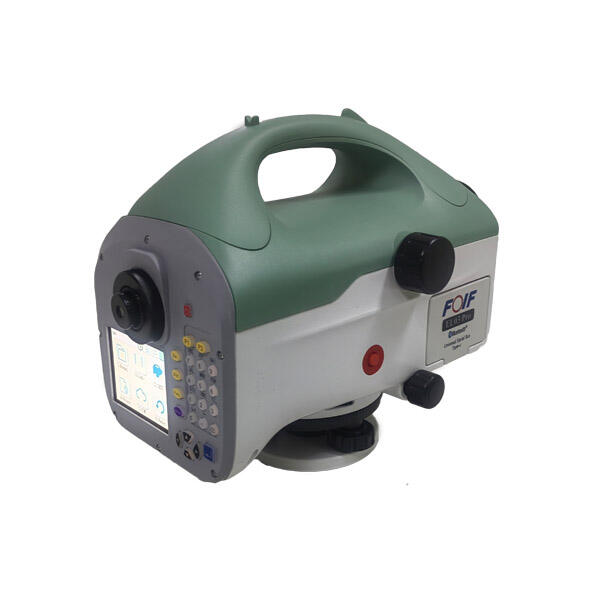
Modern surveying operations demand precision, speed, and reliability to meet tight project deadlines while maintaining accuracy standards. Traditional surveying methods, while foundational, often fall short of the efficiency requirements in today's fast-paced construction and engineering environments. A digital level represents a technological advancement that transforms how surveyors approach measurement tasks, offering enhanced accuracy and streamlined workflows that significantly reduce project completion times.
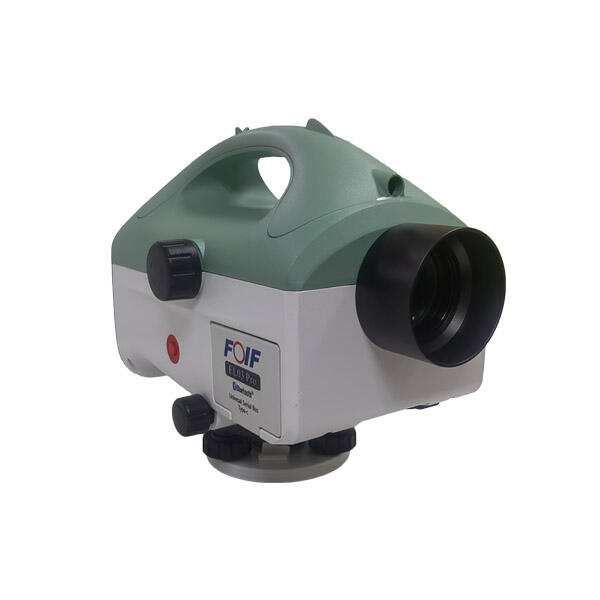
The integration of digital technology into surveying instruments has revolutionized field operations across multiple industries. From construction sites to infrastructure development projects, professionals recognize that investing in advanced measurement tools directly correlates with improved project outcomes. Digital level systems eliminate many manual processes that traditionally consumed valuable time and introduced human error into critical measurements.
Understanding the comprehensive benefits of digital level technology enables surveying teams to make informed decisions about equipment upgrades and workflow optimization strategies. This technological shift represents more than simple tool replacement; it fundamentally changes how surveying data is collected, processed, and integrated into broader project management systems.
Enhanced Accuracy and Precision in Measurements
Automatic Reading Capabilities
Digital level instruments incorporate sophisticated electronic systems that automatically capture and display measurements with exceptional precision. Unlike traditional optical levels that require manual reading and interpretation of graduations, a digital level processes measurements electronically, eliminating subjective reading errors that commonly occur with conventional equipment. This automation ensures consistent measurement quality regardless of operator experience levels or environmental conditions.
The electronic measurement system within a digital level utilizes advanced sensors and processing algorithms to detect minute variations in elevation with remarkable accuracy. These systems typically achieve precision levels of ±0.3mm per kilometer of double-run leveling, surpassing the capabilities of traditional instruments. Such precision proves crucial for projects requiring strict tolerance adherence, including precision engineering applications and infrastructure development where millimeter-level accuracy determines project success.
Modern digital level systems incorporate multiple measurement verification protocols that cross-check readings for consistency and reliability. These built-in quality control measures identify potential measurement anomalies in real-time, allowing operators to address issues immediately rather than discovering errors during post-processing phases. This proactive error detection significantly reduces the likelihood of costly resurveying operations.
Reduced Human Error Factors
Manual measurement processes inherently introduce various error sources, from misreading graduations to transcription mistakes during data recording. Digital level technology systematically eliminates these human error factors by automating critical measurement and recording functions. The electronic display provides clear, unambiguous readings that remove interpretation uncertainty, while automatic data logging prevents transcription errors that frequently plague manual documentation methods.
Environmental factors that typically affect manual measurements, such as lighting conditions or viewing angle limitations, have minimal impact on digital level performance. The electronic measurement system maintains consistent accuracy across diverse field conditions, ensuring reliable data collection regardless of time of day or weather circumstances. This consistency proves particularly valuable for projects requiring measurements across extended timeframes or varying environmental conditions.
Operator fatigue, which commonly affects measurement accuracy during extended surveying sessions, becomes less critical when using a digital level. The automated measurement process reduces cognitive load on operators, allowing them to focus on proper instrument setup and measurement methodology rather than manual reading interpretation. This shift in attention allocation typically results in improved overall measurement quality and reduced surveying session duration.
Streamlined Data Collection and Management
Automated Data Recording
Contemporary digital level systems feature integrated data logging capabilities that automatically record measurements with associated metadata, including timestamps, station identifiers, and measurement conditions. This automated documentation eliminates manual field book maintenance while ensuring comprehensive data capture for every measurement point. The electronic data storage system maintains detailed measurement histories that support quality assurance protocols and project documentation requirements.
Digital level instruments typically store thousands of measurement records in internal memory systems, allowing extended field operations without data transfer requirements. The electronic storage format facilitates easy data retrieval and organization, enabling surveyors to quickly access specific measurement series or review historical data during field operations. This immediate data accessibility supports real-time decision-making and field verification processes.
Advanced digital level models incorporate customizable data recording formats that align with specific project requirements or organizational standards. Users can configure measurement display formats, data file structures, and export parameters to match downstream processing workflows. This flexibility ensures seamless integration with existing project management systems while maintaining data consistency across multiple surveying teams or project phases.
Integration with Digital Workflows
Modern surveying projects increasingly rely on integrated digital workflows that connect field data collection with office-based processing and analysis systems. Digital level instruments support these workflows through standardized data export formats and communication protocols that facilitate direct integration with surveying software platforms. This connectivity eliminates manual data entry steps that traditionally created bottlenecks in project timelines.
Wireless communication capabilities in advanced digital level systems enable real-time data transmission to project databases or cloud-based storage systems. This immediate data availability allows project teams to monitor surveying progress remotely and make informed decisions based on current field conditions. Real-time data access proves particularly valuable for large-scale projects where multiple teams coordinate activities based on surveying results.
The digital level data integration capabilities extend beyond simple measurement storage to include comprehensive project documentation features. Many systems generate automatic measurement reports, quality control summaries, and progress tracking documents that support project management requirements. These automated reporting features reduce administrative overhead while ensuring consistent documentation standards across project phases.
Improved Field Productivity and Time Management
Faster Setup and Operation
Digital level instruments typically feature simplified setup procedures compared to traditional optical systems, reducing the time required to establish measurement stations. Electronic leveling systems and automatic compensation features minimize manual adjustments needed to achieve operational readiness. These efficiency improvements become particularly significant during projects requiring frequent instrument repositioning or multiple measurement locations.
The measurement process itself operates more efficiently with digital level technology, as operators can capture and record readings with single button presses rather than manual observation and documentation steps. This streamlined measurement workflow typically reduces the time per measurement point by 30-50% compared to traditional methods, enabling surveyors to complete more extensive measurement programs within standard work periods.
Advanced digital level models incorporate features that further accelerate field operations, such as automatic target recognition and measurement triggering. These capabilities allow continuous measurement sequences without manual intervention for each reading, particularly beneficial for extensive leveling runs or repetitive measurement tasks. The automated operation modes significantly reduce operator workload while maintaining high measurement quality standards.
Extended Operating Capabilities
Digital level instruments often provide enhanced operating range capabilities compared to traditional equipment, allowing measurements at greater distances while maintaining accuracy specifications. This extended range reduces the number of instrument setups required for large-scale projects, decreasing overall surveying time and improving project efficiency. The ability to work effectively across longer distances proves particularly valuable for infrastructure projects or large construction sites.
Battery-powered operation in digital level systems enables extended field sessions without external power requirements, supporting all-day surveying operations in remote locations. Modern battery systems typically provide 8-12 hours of continuous operation, sufficient for most field applications while maintaining consistent performance throughout the operating period. This operational independence reduces logistical requirements and supports flexible scheduling approaches.
Environmental adaptability features in digital level instruments expand usable operating conditions beyond traditional limitations. Many systems function effectively across wider temperature ranges, humidity conditions, and lighting situations compared to optical-only instruments. This enhanced environmental tolerance increases the number of productive working hours per project and reduces weather-related delays that commonly affect surveying schedules.
Cost-Effectiveness and Return on Investment
Reduced Labor Requirements
The efficiency improvements associated with digital level technology directly translate to reduced labor requirements for equivalent surveying tasks. Automated measurement and recording capabilities allow single operators to accomplish work that traditionally required multiple team members, significantly reducing project labor costs. This productivity improvement becomes particularly valuable for organizations managing multiple simultaneous projects or operating in competitive market environments.
Digital level systems reduce the skill level requirements for basic surveying operations, as automated features handle many technical aspects that previously required extensive operator training and experience. This accessibility allows organizations to utilize junior staff members for routine surveying tasks while reserving senior personnel for complex measurement challenges. The expanded personnel utilization options provide significant flexibility in resource allocation and project staffing approaches.
Quality consistency achieved through digital level automation reduces the frequency of resurveying operations required to correct measurement errors or address quality concerns. The elimination of repeat measurement requirements represents substantial cost savings in both direct labor expenses and project schedule impacts. Organizations typically observe 20-40% reductions in total surveying costs when transitioning from traditional to digital level systems.
Long-term Equipment Value
Digital level instruments represent sophisticated measurement systems designed for extended service life with minimal maintenance requirements. The electronic components utilize modern technology standards that ensure compatibility with evolving software platforms and communication protocols. This technological longevity protects equipment investments while providing upgrade pathways that extend useful equipment life beyond traditional instrument lifecycles.
The precision and reliability characteristics of digital level systems maintain consistent performance over extended periods, reducing the frequency of calibration requirements and service interventions. Professional-grade instruments typically maintain factory accuracy specifications for years of regular use, ensuring continued measurement quality without declining performance trends. This reliability translates to predictable operating costs and reduced unexpected equipment expenses.
Resale value retention for digital level equipment generally exceeds traditional instrument categories due to technological sophistication and continued market demand. Organizations upgrading equipment systems often recover substantial portions of original equipment investments, reducing the net cost of technology advancement. The strong secondary market for quality digital surveying instruments supports flexible equipment management strategies and upgrade planning approaches.
Training and Skill Development Considerations
Simplified Learning Curves
Digital level operation requires significantly less specialized training compared to traditional surveying instruments, as automated features handle many technical aspects that previously demanded extensive operator expertise. New personnel can achieve operational proficiency within days rather than weeks or months required for conventional equipment mastery. This accelerated training timeline enables organizations to deploy new team members productively while maintaining quality standards.
User interface design in modern digital level systems emphasizes intuitive operation with clear display information and logical control sequences. Most operators can perform basic measurements immediately after brief familiarization sessions, while advanced features remain accessible through structured menu systems. This user-friendly approach reduces training costs and supports flexible personnel assignments across different project requirements.
Error prevention features built into digital level systems provide guidance and feedback that support operator learning and skill development. Real-time measurement validation, setup verification protocols, and operational prompts help users avoid common mistakes while building confidence with advanced measurement techniques. These educational aspects of digital level operation contribute to overall team capability improvement over time.
Technology Integration Skills
Working with digital level systems develops valuable technology integration skills that transfer to other surveying instruments and software platforms. Operators gain experience with electronic measurement systems, data management protocols, and digital workflow integration that enhances their overall professional capabilities. These transferable skills prove increasingly valuable as the surveying industry continues technological advancement.
Digital level training programs typically include data management and software integration components that expand operator capabilities beyond basic measurement tasks. Personnel learn to manage electronic data files, configure instrument settings, and integrate measurements with project management systems. These comprehensive skill sets increase individual value while supporting organizational technology adoption initiatives.
The problem-solving skills developed through digital level operation translate effectively to troubleshooting and optimization challenges across various surveying applications. Operators develop systematic approaches to measurement verification, quality control, and efficiency optimization that benefit overall project performance. These analytical skills contribute to continuous improvement initiatives and operational excellence programs within surveying organizations.
FAQ
What accuracy levels can be achieved with digital level instruments?
Professional digital level systems typically achieve accuracy specifications of ±0.3mm to ±1.0mm per kilometer of double-run leveling, depending on instrument class and measurement conditions. High-precision models designed for geodetic applications can achieve even tighter tolerances under optimal conditions. These accuracy levels significantly exceed requirements for most construction and engineering projects while providing sufficient precision for specialized applications requiring exceptional measurement quality.
How do digital level systems perform in challenging environmental conditions?
Modern digital level instruments incorporate environmental compensation features and robust construction that enable operation across wide temperature ranges, humidity variations, and lighting conditions. Most professional systems function effectively from -20°C to +50°C with appropriate accuracy maintenance throughout the operating range. Sealed electronic components and weatherproof construction provide protection against dust, moisture, and mechanical impacts typical of construction site environments.
What maintenance requirements are associated with digital level equipment?
Digital level maintenance primarily involves periodic calibration verification, battery management, and basic cleaning procedures. Electronic components require minimal service compared to traditional optical systems, with most instruments maintaining factory specifications for years of regular use. Annual calibration checks and proper storage practices typically ensure consistent performance without extensive maintenance interventions or specialized service requirements.
How does digital level technology integrate with existing surveying software?
Contemporary digital level instruments support standard data export formats compatible with major surveying software platforms, including CSV files, proprietary formats, and industry-standard protocols. Many systems provide direct communication capabilities through USB connections, wireless interfaces, or memory card transfers that facilitate seamless data integration. Software compatibility ensures smooth workflow integration without requiring specialized conversion processes or additional software investments.