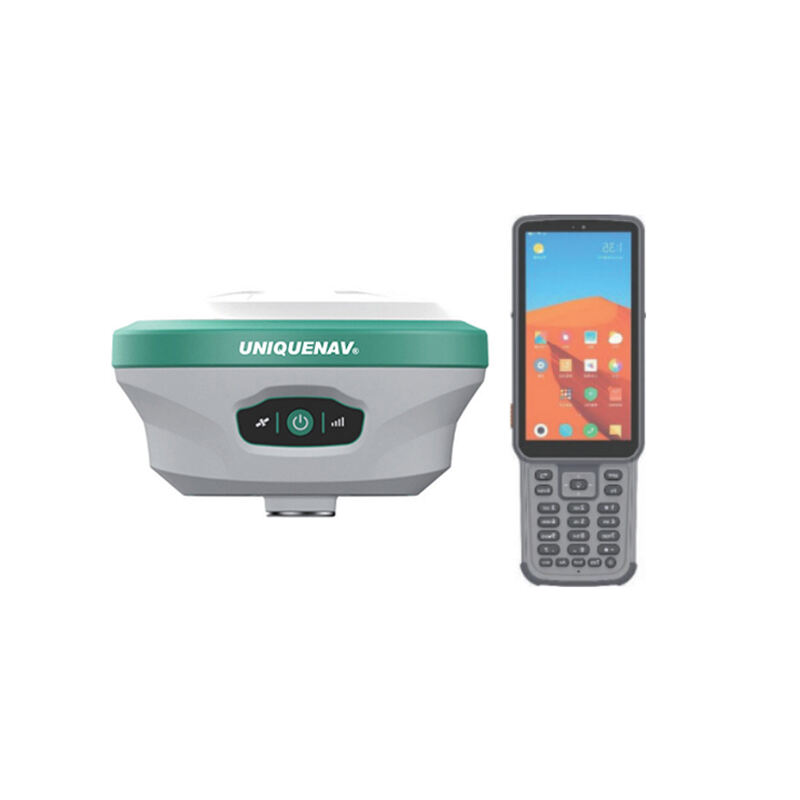
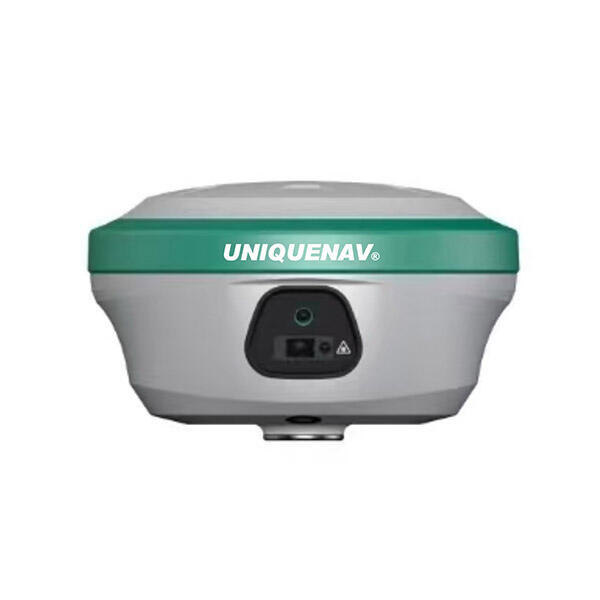
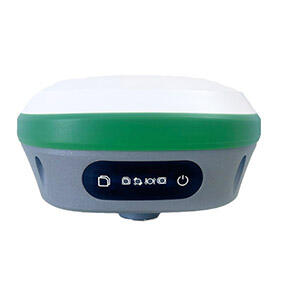
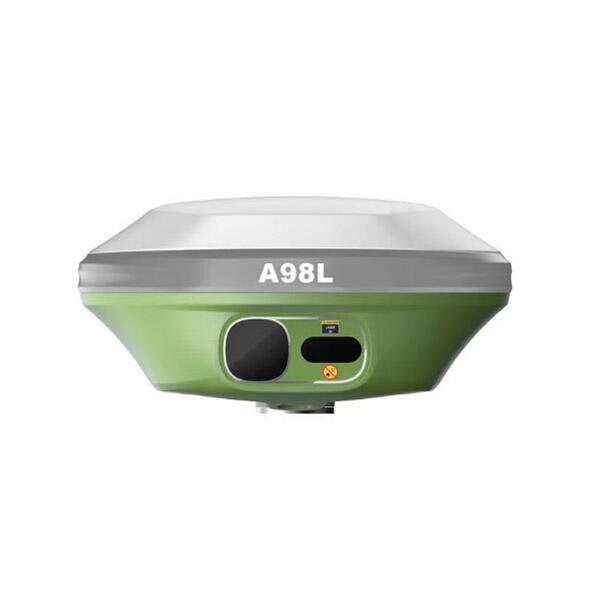
differential gps receiver
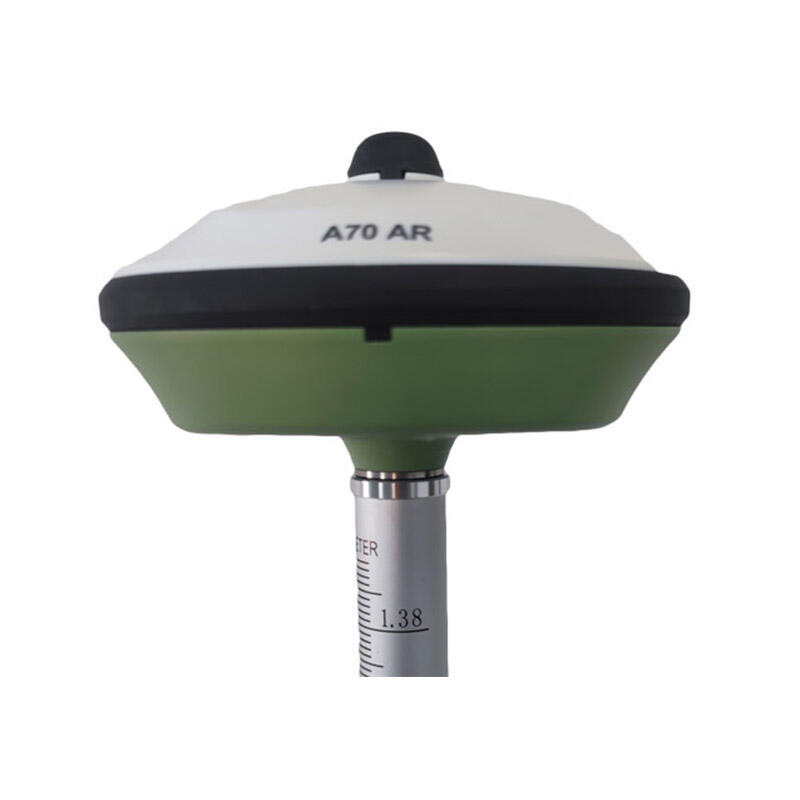
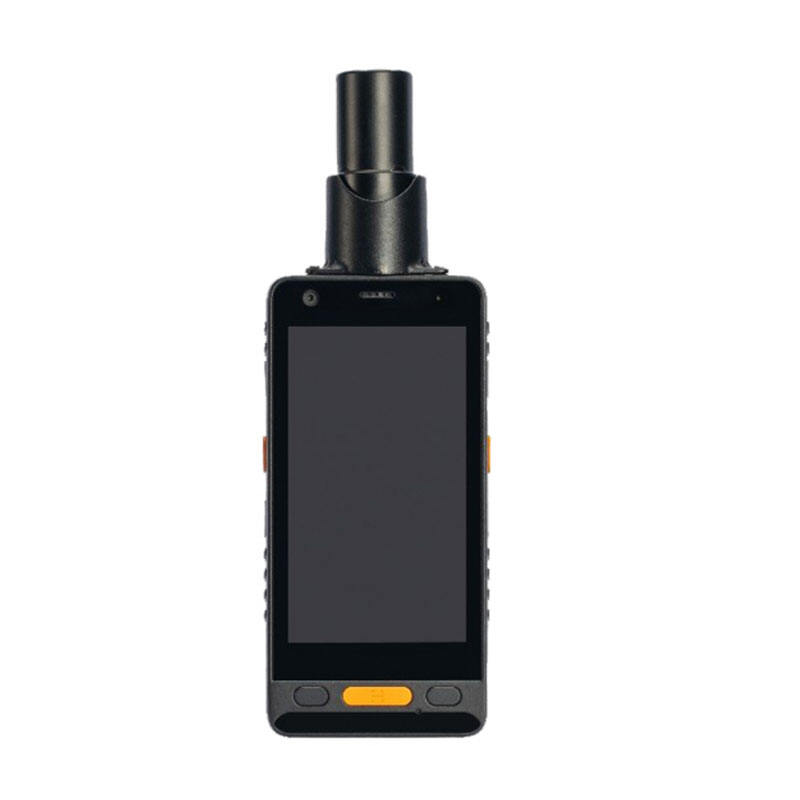
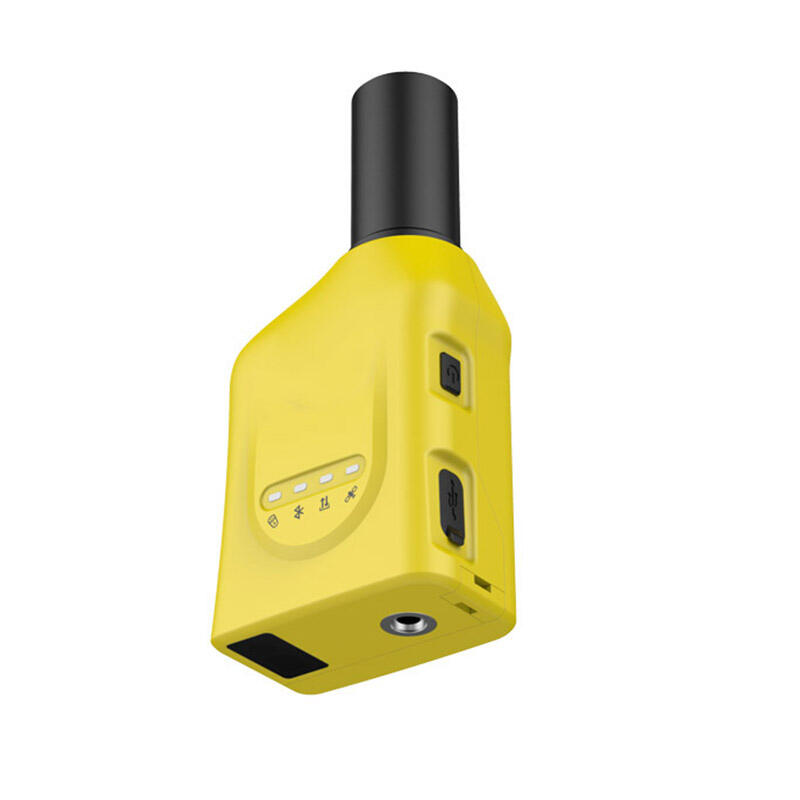
A differential GPS receiver represents a sophisticated positioning technology that significantly enhances location accuracy beyond standard GPS capabilities. This advanced system operates by using correction data from reference stations to eliminate common GPS errors, delivering precision measurements that can achieve accuracy within centimeters rather than meters. The differential GPS receiver works by receiving signals from both GPS satellites and ground-based reference stations, which continuously monitor satellite signals and calculate correction factors for atmospheric delays, satellite clock errors, and orbital variations. The core functionality of a differential GPS receiver centers on real-time error correction processing. When GPS satellites transmit positioning signals, various factors can introduce inaccuracies, including ionospheric and tropospheric delays, multipath effects, and satellite ephemeris errors. The differential GPS receiver addresses these challenges by incorporating correction data that compensates for these systematic errors. This correction process occurs through multiple communication methods, including radio links, cellular networks, or satellite-based augmentation systems. Technological features of modern differential GPS receivers include multi-frequency signal processing capabilities, which allow simultaneous tracking of L1, L2, and L5 GPS frequencies. Advanced models incorporate multi-constellation support, enabling compatibility with GPS, GLONASS, Galileo, and BeiDou satellite systems. The receivers feature robust signal processing algorithms that filter noise and maintain lock on satellite signals even in challenging environments. Many units include integrated communication modules for receiving correction data through various transmission methods. Applications for differential GPS receivers span numerous industries and sectors. Surveying and mapping professionals rely on these devices for precise boundary determination, topographic surveys, and construction layout work. Agricultural operations utilize differential GPS receivers for precision farming techniques, including automated steering systems, variable rate applications, and field mapping. Maritime navigation benefits from enhanced positioning accuracy for port approaches, channel navigation, and offshore operations. Aviation applications include precision approach and landing systems that require centimeter-level accuracy for safety-critical operations.

 EN
EN