
 EN
EN
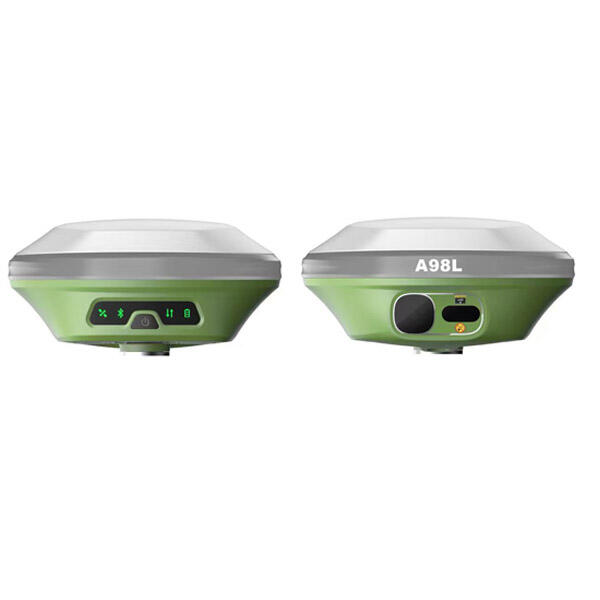
Modern construction, surveying, and agricultural operations increasingly rely on precise positioning technology to achieve millimeter-level accuracy in their work. When sourcing RTK GPS equipment, buyers face numerous technical specifications, feature sets, and performance criteria that can significantly impact project outcomes and operational efficiency. Understanding the key comparison factors ensures organizations select the most suitable RTK GPS equipment for their specific applications while maximizing return on investment.
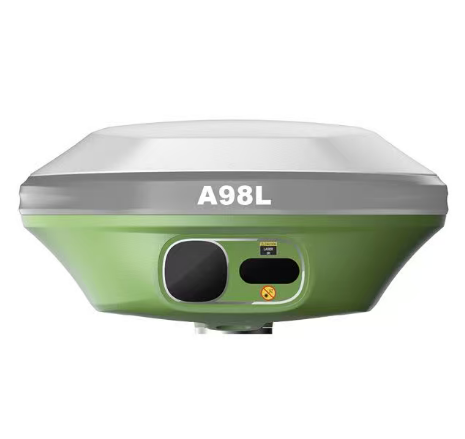
The complexity of modern RTK GPS equipment requires careful evaluation of multiple technical and operational parameters. Professional buyers must assess positioning accuracy specifications, satellite constellation support, communication capabilities, and environmental durability to ensure their selected system meets both current requirements and future operational demands. This comprehensive evaluation process helps organizations avoid costly equipment changes and operational disruptions down the line.
Positioning Accuracy and Performance Specifications
Horizontal and Vertical Precision Standards
The fundamental purpose of RTK GPS equipment centers on delivering superior positioning accuracy compared to standard GPS receivers. Professional-grade systems typically achieve horizontal accuracy within 8-10 millimeters plus 1 part per million of baseline distance, while vertical accuracy ranges from 15-20 millimeters plus 1 part per million. These specifications directly impact the suitability of equipment for applications requiring precise measurements, such as construction layout, topographic surveying, and precision agriculture.
Buyers should carefully examine manufacturer accuracy specifications under various conditions, including different baseline distances and atmospheric conditions. Real-world performance often varies from laboratory specifications, making it essential to review independent testing results and user feedback. The most reliable RTK GPS equipment maintains consistent accuracy across extended operational periods and challenging environmental conditions.
Time to First Fix and Reliability Metrics
Initialization time represents a critical performance metric for RTK GPS equipment, directly affecting operational productivity and workflow efficiency. Professional systems should achieve reliable RTK fix within 10-30 seconds under normal conditions, with advanced models providing even faster initialization. Extended initialization times can significantly impact project timelines, particularly for applications requiring frequent equipment repositioning.
System reliability encompasses fix retention rates, solution availability, and performance consistency across varying satellite geometries. High-quality RTK GPS equipment maintains reliable positioning solutions even when satellite visibility becomes temporarily compromised. Buyers should evaluate manufacturer reliability statistics and seek equipment with proven track records in their specific operational environments.
Satellite Constellation and Signal Processing
Multi-Constellation Support Capabilities
Modern RTK GPS equipment benefits from accessing multiple satellite constellations, including GPS, GLONASS, Galileo, and BeiDou systems. Multi-constellation support significantly improves satellite availability, reduces convergence times, and enhances positioning reliability in challenging environments such as urban canyons or heavily forested areas. Equipment supporting 200+ channels can simultaneously track signals from all available constellations.
The ability to process signals from multiple constellations also improves system resilience against signal interference and provides redundancy for critical applications. When evaluating RTK GPS equipment, buyers should prioritize systems offering comprehensive constellation support rather than relying solely on GPS signals. This capability becomes increasingly important as new satellite systems come online and existing constellations undergo modernization.
Signal Processing and Anti-Jamming Features
Advanced signal processing capabilities distinguish professional RTK GPS equipment from consumer-grade receivers. Sophisticated algorithms enable better signal tracking in multipath environments, improved noise rejection, and enhanced performance under challenging atmospheric conditions. Modern processors can simultaneously handle complex signal processing while maintaining low power consumption requirements.
Anti-jamming and anti-spoofing technologies have become essential features for professional applications, particularly in security-sensitive environments. Quality RTK GPS equipment incorporates multiple protection mechanisms against intentional and unintentional signal interference. These protective measures ensure continued operation even when facing deliberate attempts to disrupt positioning services or natural sources of radio frequency interference.
Communication and Connectivity Options
Data Link Technologies and Range
RTK GPS equipment requires reliable communication links between base stations and rover units to transmit correction data necessary for achieving centimeter-level accuracy. Traditional radio modems operating in UHF frequencies provide ranges up to 10-15 kilometers under ideal conditions, while newer long-range radio technologies can extend coverage to 30+ kilometers. The communication range directly impacts operational flexibility and base station placement requirements.
Cellular and internet-based correction services have revolutionized RTK GPS equipment deployment by eliminating the need for dedicated base stations in many applications. Network RTK services provide correction data through cellular connections, enabling operation across vast geographic areas without infrastructure investments. However, cellular coverage limitations and ongoing subscription costs must be factored into total ownership calculations when comparing different RTK GPS equipment options.
Protocol Compatibility and Integration
Professional RTK GPS equipment must seamlessly integrate with existing surveying software, construction management systems, and agricultural guidance platforms. Standard protocols such as NMEA 0183, CMR, RTCM, and proprietary formats ensure compatibility across different manufacturer ecosystems. Equipment supporting multiple output formats provides greater flexibility for integration with various software platforms and legacy systems.
Real-time data streaming capabilities enable integration with advanced applications such as machine control systems, automated guided vehicles, and precision agriculture equipment. Modern RTK GPS equipment often includes Ethernet connectivity, USB interfaces, and wireless options to support diverse integration requirements. Buyers should verify that their selected equipment supports all necessary communication protocols for their specific applications.
Environmental Durability and Operating Conditions
Weather Resistance and Temperature Ranges
Professional RTK GPS equipment operates in demanding outdoor environments requiring robust construction and comprehensive weather protection. Industry-standard equipment typically achieves IP65 or IP67 ratings, providing protection against dust ingress and water exposure from rain or temporary immersion. These protection levels ensure reliable operation during adverse weather conditions common in construction and surveying applications.
Operating temperature specifications significantly impact equipment deployment in extreme climates. Professional-grade RTK GPS equipment should function reliably across temperature ranges from -40°C to +65°C, accommodating arctic conditions and desert environments. Extended temperature ranges often require specialized components and thermal management systems, which may affect equipment cost and power consumption characteristics.
Shock and Vibration Tolerance
Construction and surveying applications subject RTK GPS equipment to significant mechanical stress from vehicle mounting, pole drops, and transportation impacts. Military-grade shock and vibration specifications ensure equipment survival under harsh handling conditions. Equipment meeting MIL-STD specifications provides confidence for demanding applications where equipment failure could result in significant project delays.
Vibration tolerance becomes particularly important for machine-mounted RTK GPS equipment used in construction and agricultural applications. Continuous exposure to engine vibration, hydraulic system pulsations, and ground-induced oscillations can affect sensitive electronic components. High-quality equipment incorporates vibration isolation and robust mechanical design to maintain positioning accuracy under these challenging conditions.
Power Management and Battery Life
Power Consumption Optimization
Extended field operations require RTK GPS equipment with efficient power management systems to minimize battery requirements and maximize operational autonomy. Modern receivers typically consume 2-8 watts depending on configuration and active features. Lower power consumption directly translates to reduced battery weight, longer operational periods, and decreased logistical complexity for extended surveys.
Advanced power management features include intelligent sleep modes, variable update rates, and selective constellation tracking to optimize battery life based on application requirements. Some RTK GPS equipment incorporates solar charging capabilities or external power management systems for continuous operation in remote locations. These features significantly reduce operational costs and improve survey team productivity.
Battery Technology and Charging Options
Lithium-ion battery technology dominates modern RTK GPS equipment due to superior energy density, reduced weight, and extended cycle life compared to traditional battery technologies. Professional equipment typically provides 8-12 hours of continuous operation on internal batteries, with hot-swappable external batteries enabling unlimited operational periods. Battery capacity directly affects equipment weight and ergonomics for handheld applications.
Charging infrastructure compatibility impacts operational logistics, particularly for teams managing multiple RTK GPS equipment units. Standardized charging systems, vehicle charging adapters, and field-replaceable batteries provide operational flexibility. Some manufacturers offer intelligent charging systems that optimize battery life and provide charge status monitoring to prevent unexpected power failures during critical operations.
Software Integration and User Interface
Field Controller Compatibility
Professional RTK GPS equipment requires seamless integration with field controller software to provide complete surveying and positioning solutions. Popular platforms include Trimble Access, Leica Captivate, Topcon MAGNET, and various third-party applications. Software compatibility affects data collection efficiency, feature availability, and overall user experience during field operations.
Cloud-based data management and synchronization capabilities enable real-time project collaboration and remote data access. Modern field software integrates with office design platforms, enabling bidirectional data flow between field operations and project management systems. This integration streamlines project workflows and reduces data transfer errors common with manual processes.
Calibration and Configuration Management
Sophisticated RTK GPS equipment requires proper calibration and configuration to achieve optimal performance in specific applications. User-friendly calibration procedures and automated configuration wizards reduce setup complexity and minimize operator training requirements. Equipment with extensive configuration options provides flexibility for specialized applications but may require advanced technical knowledge.
Configuration management systems enable consistent equipment setup across multiple units and provide backup capabilities for critical settings. Cloud-based configuration management allows remote equipment monitoring and troubleshooting, reducing field service requirements. These features become increasingly important for organizations managing large RTK GPS equipment fleets across multiple project sites.
Total Cost of Ownership Considerations
Initial Investment and Financing Options
RTK GPS equipment represents a significant capital investment, with professional systems ranging from $15,000 to $50,000+ depending on specifications and included accessories. Initial costs must be evaluated against expected productivity improvements, accuracy requirements, and project volume to justify investment decisions. Financing options and leasing programs can help organizations manage cash flow while accessing advanced technology.
Equipment bundles often provide better value compared to individual component purchases, particularly when including field controllers, software licenses, and support services. Buyers should carefully evaluate bundle contents to ensure all necessary components are included and avoid unexpected additional costs. Some manufacturers offer trade-in programs that reduce upgrade costs for existing equipment owners.
Ongoing Service and Support Costs
Professional RTK GPS equipment requires ongoing maintenance, software updates, and technical support to maintain optimal performance throughout its operational life. Annual service contracts typically cost 10-15% of initial equipment value and include calibration services, software updates, and technical support. Extended warranty options provide protection against unexpected repair costs and equipment downtime.
Training costs for equipment operators and technical staff should be factored into total ownership calculations. Comprehensive training programs ensure optimal equipment utilization and reduce operator errors that could affect project accuracy. Some manufacturers include training in equipment purchase packages, while others charge separately for certification programs and advanced training courses.
FAQ
What accuracy levels should I expect from professional RTK GPS equipment
Professional RTK GPS equipment typically achieves horizontal accuracy of 8-10mm plus 1 part per million of baseline distance, with vertical accuracy of 15-20mm plus 1 part per million. These specifications apply under normal atmospheric conditions with adequate satellite coverage. Real-world accuracy may vary based on environmental factors, baseline distance, and equipment quality.
How important is multi-constellation support in RTK GPS equipment
Multi-constellation support significantly improves positioning reliability, reduces initialization times, and provides better performance in challenging environments. Equipment supporting GPS, GLONASS, Galileo, and BeiDou constellations offers superior satellite availability and enhanced positioning solutions compared to GPS-only systems. This capability becomes increasingly important for applications requiring consistent accuracy.
What communication range should I expect from RTK GPS equipment
Traditional radio modems typically provide 10-15 kilometer range under ideal conditions, while advanced long-range systems can achieve 30+ kilometers. Actual range depends on terrain, antenna height, radio power, and environmental conditions. Cellular-based correction services eliminate range limitations but require ongoing subscription costs and adequate cellular coverage.
How do I evaluate total cost of ownership for RTK GPS equipment
Total cost of ownership includes initial equipment cost, annual service contracts, software licenses, training expenses, and operational costs such as cellular data plans. Professional equipment typically requires 10-15% of initial cost annually for maintenance and support. Factor in productivity improvements and accuracy benefits when calculating return on investment for your specific applications.
Table of Contents
- Positioning Accuracy and Performance Specifications
- Satellite Constellation and Signal Processing
- Communication and Connectivity Options
- Environmental Durability and Operating Conditions
- Power Management and Battery Life
- Software Integration and User Interface
- Total Cost of Ownership Considerations
- FAQ