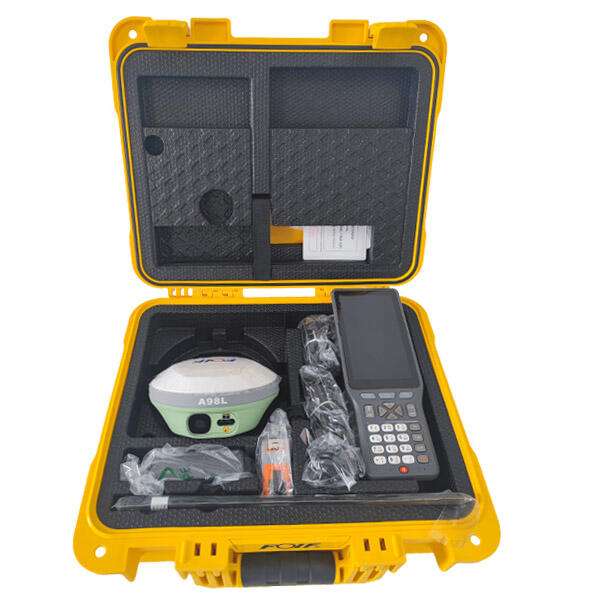
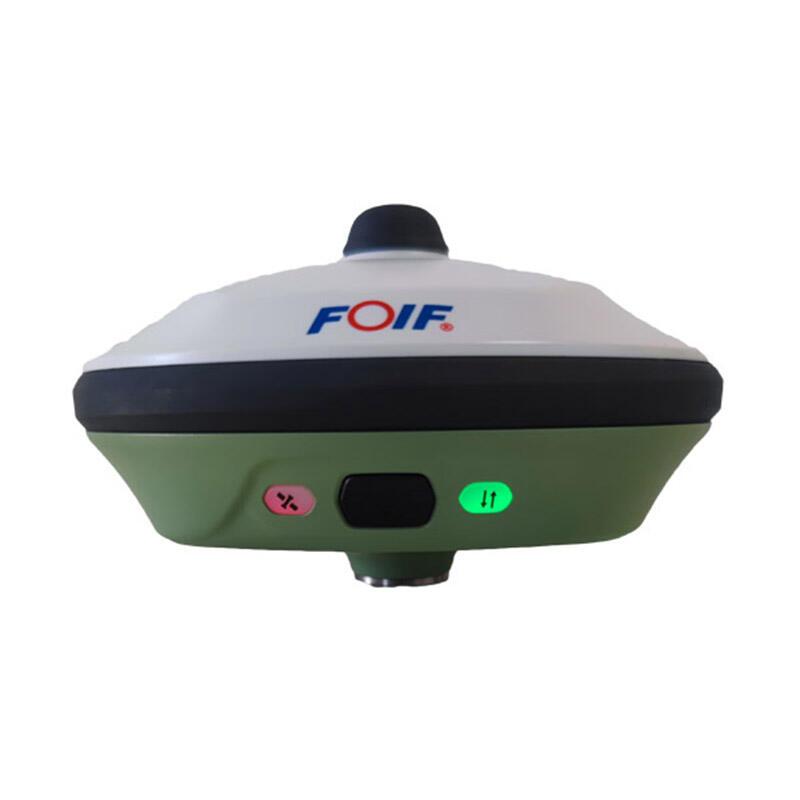
High-Precision GNSS Receiver Accuracy Solutions - Professional Positioning Technology

All Categories

gnss receiver accuracy

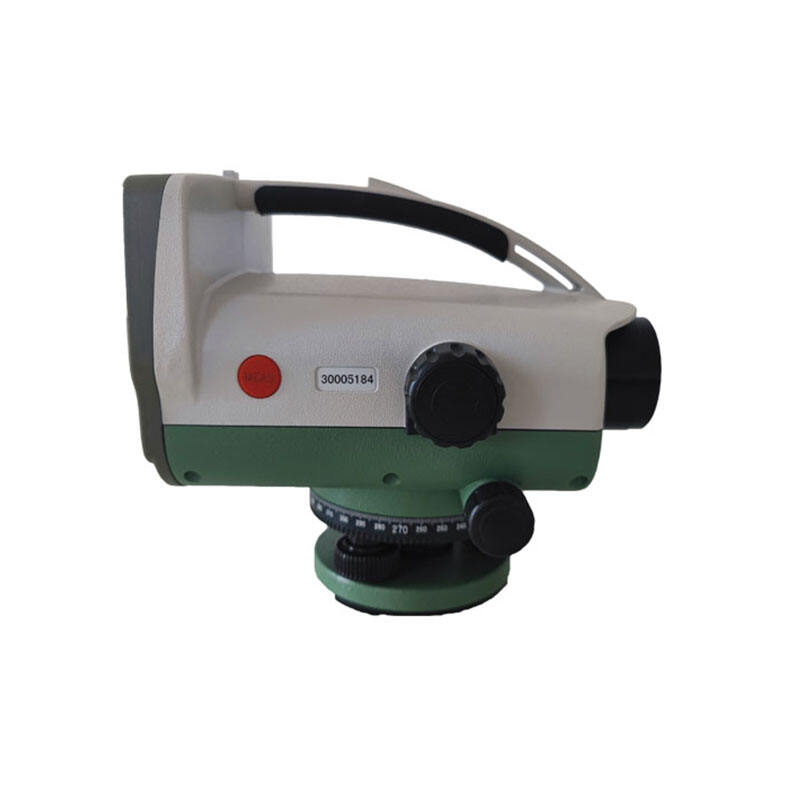
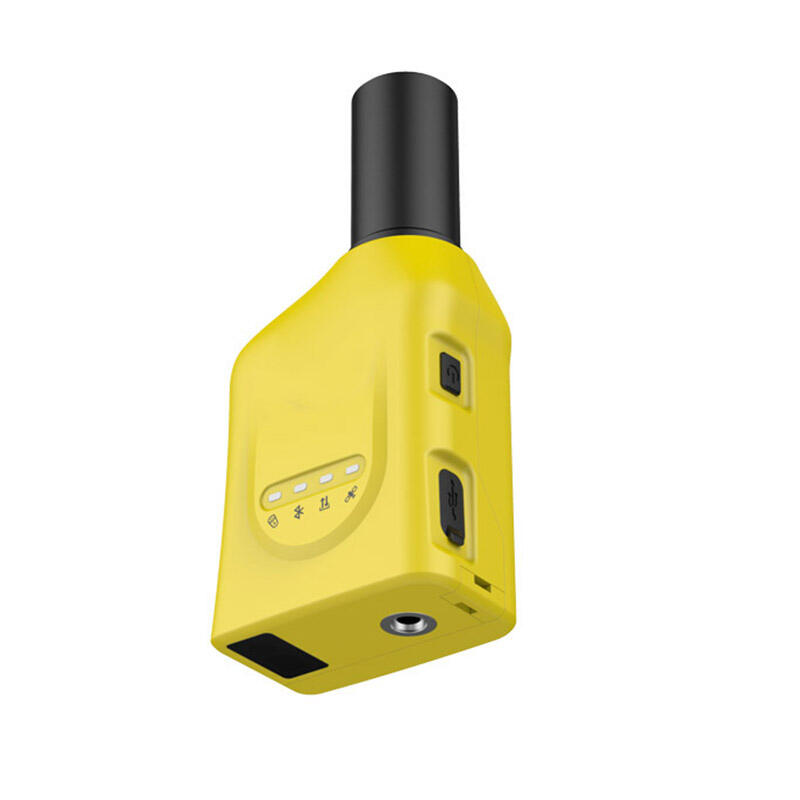
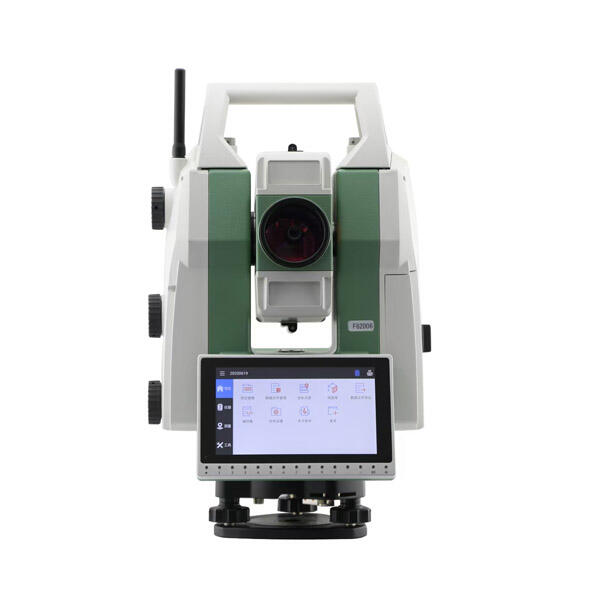
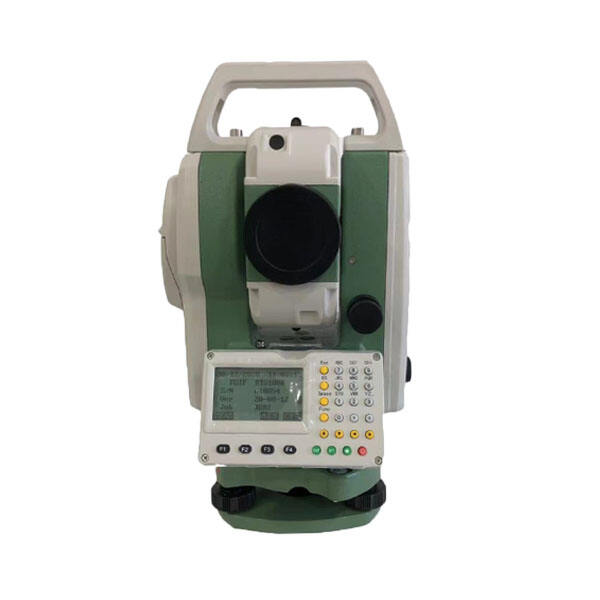
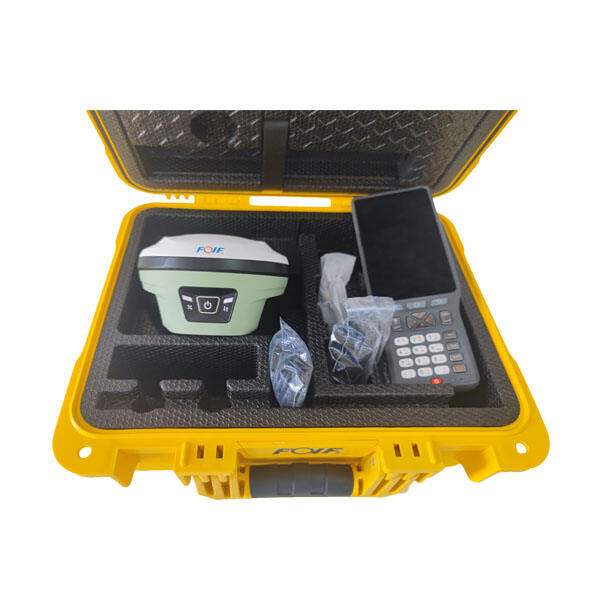
GNSS receiver accuracy represents a critical technological advancement in satellite-based positioning systems, delivering precise location data for countless applications across industries. This sophisticated technology harnesses signals from multiple satellite constellations including GPS, GLONASS, Galileo, and BeiDou to determine exact coordinates with remarkable precision. Modern GNSS receiver accuracy systems incorporate advanced signal processing algorithms, multi-frequency capabilities, and real-time correction techniques to achieve positioning precision ranging from sub-meter to centimeter-level accuracy. The core functionality revolves around calculating distances to multiple satellites simultaneously, using trilateration principles to establish precise three-dimensional positioning coordinates. These receivers feature robust antenna designs, high-sensitivity signal acquisition circuits, and sophisticated error correction mechanisms that compensate for atmospheric interference, signal multipath effects, and satellite clock variations. Contemporary GNSS receiver accuracy solutions integrate seamlessly with various communication protocols, supporting both standalone operation and network-assisted positioning modes. The technological framework includes advanced filtering algorithms, Kalman filtering techniques, and carrier-phase processing capabilities that enhance measurement reliability under challenging environmental conditions. These systems demonstrate exceptional performance in diverse operational scenarios, from urban canyons with limited sky visibility to open-field environments requiring maximum precision. The versatility of GNSS receiver accuracy extends across numerous sectors including surveying, agriculture, construction, transportation, emergency services, and scientific research applications. Integration capabilities allow these receivers to work harmoniously with existing infrastructure, supporting various output formats and communication standards. The continuous evolution of GNSS receiver accuracy technology incorporates emerging innovations such as multi-constellation tracking, advanced spoofing detection, and enhanced signal processing methodologies that further improve positioning reliability and measurement consistency across different geographic regions and atmospheric conditions.


Popular Products

GNSS receiver accuracy delivers exceptional positioning capabilities that transform how businesses and individuals navigate and measure their world. These advanced systems provide reliable positioning data that significantly reduces operational costs by eliminating the need for expensive traditional surveying methods and manual measurement techniques. Users benefit from real-time positioning updates that enable instant decision-making and improved workflow efficiency across various applications. The enhanced precision offered by modern GNSS receiver accuracy systems dramatically reduces measurement errors, leading to better project outcomes and increased customer satisfaction. These receivers operate continuously in all weather conditions, providing consistent performance that traditional measurement tools cannot match during adverse environmental situations. The technology eliminates human error factors associated with manual measurements, ensuring reproducible results that maintain accuracy standards across different operators and measurement sessions. GNSS receiver accuracy systems integrate seamlessly with existing digital workflows, allowing users to capture, store, and share positioning data instantly through various software platforms and cloud-based services. The cost-effectiveness becomes apparent through reduced labor requirements, faster project completion times, and minimized rework due to measurement inaccuracies. Users experience improved safety conditions as remote positioning capabilities reduce the need for personnel to work in hazardous locations or challenging terrain conditions. The scalability of GNSS receiver accuracy solutions allows organizations to expand their measurement capabilities without significant infrastructure investments or extensive training requirements. These systems provide comprehensive data logging capabilities that support quality assurance protocols and regulatory compliance requirements across different industries. The reliability of GNSS receiver accuracy technology ensures consistent performance over extended operational periods, reducing maintenance costs and system downtime. Modern receivers offer user-friendly interfaces that simplify complex positioning tasks, enabling operators with varying technical expertise to achieve professional-grade results. The versatility of these systems supports multiple measurement modes and coordinate systems, providing flexibility to adapt to diverse project requirements and client specifications. Enhanced productivity results from faster data collection processes that allow teams to complete more work within standard operating timeframes while maintaining superior accuracy standards.

Latest News

How GNSS RTK Systems Deliver High-Precision Results

27

Nov

How GNSS RTK Systems Deliver High-Precision Results

Modern surveying and positioning applications demand exceptional accuracy that traditional GPS systems simply cannot deliver. Global Navigation Satellite System Real-Time Kinematic (GNSS RTK Systems) have revolutionized precision positioning by provi...
View More
How Do RTK GNSS Receivers Maintain Stability in Complex Terrains?

22

Dec

How Do RTK GNSS Receivers Maintain Stability in Complex Terrains?

Navigation accuracy in challenging environments has become a critical requirement across industries ranging from construction and surveying to autonomous vehicles and precision agriculture. RTK GNSS receivers represent the pinnacle of satellite-based...
View More
What Should Buyers Compare When Sourcing RTK GPS Equipment?

13

Jan

What Should Buyers Compare When Sourcing RTK GPS Equipment?

Modern construction, surveying, and agricultural operations increasingly rely on precise positioning technology to achieve millimeter-level accuracy in their work. When sourcing RTK GPS equipment, buyers face numerous technical specifications, featur...
View More
How Does an Auto Level Improve Site-Leveling Efficiency?

11

Feb

How Does an Auto Level Improve Site-Leveling Efficiency?

Construction and surveying professionals consistently seek tools that enhance precision while reducing time-consuming manual processes. The auto level stands as one of the most crucial instruments in modern site-leveling operations, transforming how ...
View More

Get a Free Quote

Our representative will contact you soon.
Email
Name
Company Name
Message
0/1000

gnss receiver accuracy

Multi-Constellation Signal Processing Technology

Multi-Constellation Signal Processing Technology

The revolutionary multi-constellation signal processing technology integrated within advanced GNSS receiver accuracy systems represents a paradigm shift in positioning performance and reliability. This sophisticated feature simultaneously tracks and processes signals from multiple global navigation satellite systems including GPS, GLONASS, Galileo, BeiDou, and regional augmentation systems to deliver unprecedented positioning precision. The technology employs advanced correlation algorithms that analyze signal characteristics from dozens of satellites simultaneously, creating a robust positioning solution that remains stable even when individual satellites become temporarily unavailable. This multi-constellation approach significantly enhances GNSS receiver accuracy by providing geometric diversity that improves position dilution of precision calculations and reduces the impact of atmospheric disturbances on measurement quality. The system intelligently selects optimal satellite combinations based on signal strength, elevation angles, and geometric distribution to maximize positioning accuracy under varying environmental conditions. Users benefit from faster initial position acquisition times as the receiver can establish coordinate fixes using satellites from multiple constellations rather than waiting for sufficient satellites from a single system. The redundancy provided by multi-constellation tracking ensures continuous operation in challenging environments such as urban areas with limited sky visibility or heavily forested regions where satellite signals may be partially obstructed. This technology incorporates sophisticated interference mitigation techniques that identify and reject compromised signals while maintaining positioning accuracy through alternative satellite sources. The enhanced availability of positioning solutions translates directly into improved operational efficiency for users who depend on consistent GNSS receiver accuracy for time-critical applications. Modern implementations of this technology support seamless transition between different satellite systems, automatically adapting to changing signal conditions without interrupting positioning services or requiring manual intervention from operators.
Real-Time Kinematic Correction Capabilities

Real-Time Kinematic Correction Capabilities

Real-time kinematic correction capabilities embedded in modern GNSS receiver accuracy systems deliver centimeter-level positioning precision that revolutionizes measurement applications across numerous industries. This advanced technology utilizes carrier-phase measurements combined with differential correction data to achieve positioning accuracies that exceed traditional measurement methods by significant margins. The RTK functionality processes raw satellite observations in conjunction with reference station corrections transmitted via radio, cellular, or internet connections to eliminate common error sources that typically limit positioning precision. Users experience immediate access to survey-grade accuracy without the delays associated with post-processing techniques, enabling real-time decision-making and instant quality verification of measurement results. The system maintains continuous communication with correction sources, automatically adapting to network conditions and switching between available correction services to ensure uninterrupted high-precision positioning. Advanced ambiguity resolution algorithms rapidly establish fixed solutions that provide consistent centimeter-level accuracy across extended measurement sessions, eliminating the uncertainty associated with approximate positioning methods. The GNSS receiver accuracy benefits from sophisticated quality indicators that provide users with confidence levels for each position measurement, enabling informed decisions about measurement acceptance and data reliability. This technology supports various correction formats and communication protocols, ensuring compatibility with existing infrastructure and allowing seamless integration into established workflows. The robust error detection mechanisms continuously monitor measurement quality and automatically flag potential issues before they compromise positioning accuracy, maintaining data integrity throughout extended operational periods. Operators benefit from simplified setup procedures that minimize technical expertise requirements while delivering professional-grade results comparable to expensive traditional surveying equipment. The cost-effectiveness of RTK-enabled GNSS receiver accuracy systems becomes evident through reduced project timelines, eliminated return visits for verification measurements, and improved first-time measurement success rates that enhance overall operational efficiency.
Adaptive Environmental Compensation Algorithms

Adaptive Environmental Compensation Algorithms

Adaptive environmental compensation algorithms represent the cutting-edge innovation that distinguishes superior GNSS receiver accuracy systems from conventional positioning devices through intelligent real-time adjustments to changing environmental conditions. These sophisticated algorithms continuously analyze signal propagation characteristics, atmospheric conditions, and multipath interference patterns to optimize positioning calculations and maintain accuracy standards regardless of environmental challenges. The technology incorporates machine learning elements that enable the system to recognize recurring environmental patterns and automatically apply appropriate correction strategies without requiring manual configuration or operator intervention. Users benefit from consistent GNSS receiver accuracy performance across diverse operational environments, from urban canyons with significant signal reflection to open agricultural fields where atmospheric conditions may vary throughout measurement sessions. The adaptive algorithms process multiple signal parameters simultaneously, including signal-to-noise ratios, carrier-phase measurements, and pseudorange observations to create comprehensive environmental models that inform positioning calculations. Advanced filtering techniques embedded within these algorithms effectively separate genuine satellite signals from reflected or attenuated signals that could compromise measurement accuracy, ensuring reliable positioning data under challenging conditions. The system maintains historical environmental data that enables predictive compensation for known interference sources and atmospheric patterns, proactively adjusting measurement parameters to maintain optimal accuracy levels. These algorithms demonstrate exceptional performance in dynamic environments where conditions change rapidly, such as mobile mapping applications or construction sites with evolving structural configurations that affect signal propagation. The intelligence built into environmental compensation systems extends to automatic detection of signal anomalies and potential spoofing attempts, providing security features that protect positioning integrity in sensitive applications. Modern implementations incorporate ionospheric and tropospheric modeling capabilities that compensate for atmospheric delays affecting satellite signals, particularly important for maintaining GNSS receiver accuracy during periods of high atmospheric activity or adverse weather conditions. The seamless operation of these algorithms ensures that users receive consistent positioning performance without needing to understand complex technical parameters or make manual adjustments based on environmental observations.

Get a Free Quote

Our representative will contact you soon.
Email
Name
Company Name
Message
0/1000