
 EN
EN
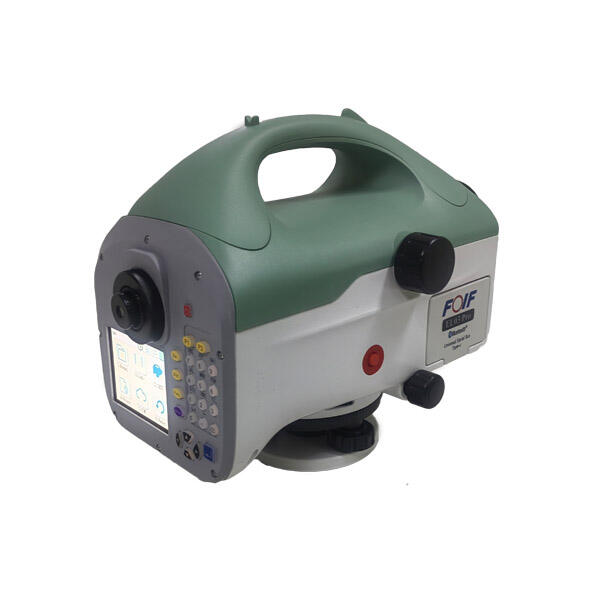
Construction professionals understand that precision forms the foundation of every successful project. Modern building techniques demand measurement accuracy that surpasses traditional methods, making the digital level an indispensable tool for contractors, surveyors, and engineers. This advanced measuring instrument transforms how construction teams approach leveling tasks, delivering unprecedented accuracy while streamlining workflow processes across diverse project environments.
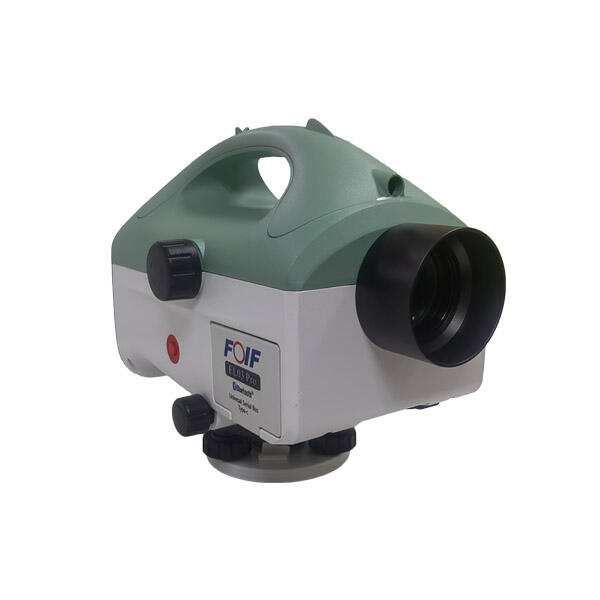
The evolution from analog bubble levels to digital level technology represents a quantum leap in construction measurement capabilities. These sophisticated devices eliminate human interpretation errors inherent in traditional leveling methods, providing precise numerical readouts that enhance project quality and reduce costly mistakes. Understanding how digital level instruments improve construction accuracy enables teams to make informed equipment decisions and optimize their measurement protocols.
Understanding Digital Level Technology
Electronic Sensor Systems
Digital level instruments utilize advanced electronic sensor systems that detect minute angular deviations with exceptional precision. These sensors convert physical tilt measurements into digital signals, eliminating the subjective interpretation required with traditional bubble levels. The electronic components within a digital level can detect slope variations as small as 0.01 degrees, providing construction professionals with measurement accuracy previously unattainable through conventional methods.
The sensor technology embedded in digital level devices employs accelerometer principles to measure gravitational forces acting on the instrument. This sophisticated approach enables real-time detection of slope changes across multiple axes, allowing operators to achieve perfect horizontal or vertical alignment with confidence. Advanced digital level models feature temperature compensation systems that maintain accuracy across varying environmental conditions, ensuring reliable performance regardless of jobsite weather fluctuations.
Display and Data Processing
Modern digital level instruments feature high-resolution displays that present measurement data in multiple formats, including degrees, percentages, and millimeters per meter. These versatile display options accommodate different professional preferences and project requirements, enabling seamless integration into existing construction workflows. The digital readouts eliminate guesswork associated with traditional bubble level interpretation, providing objective measurements that multiple team members can verify independently.
Data processing capabilities within digital level systems enable advanced features such as measurement averaging, peak hold functions, and automatic calibration routines. These computational enhancements improve measurement reliability while reducing operator workload during complex leveling operations. Many digital level models include data logging capabilities that record measurements for quality control documentation and project verification purposes.
Precision Advantages Over Traditional Methods
Elimination of Human Error
Traditional bubble levels require operators to visually interpret bubble position within graduated vials, introducing subjective assessment variables that can compromise measurement accuracy. Digital level technology eliminates this interpretation requirement by providing precise numerical readouts that remove human judgment from the measurement process. This objective approach significantly reduces measurement variations between different operators, ensuring consistent results regardless of individual skill levels or experience.
The precision offered by a digital level extends beyond simple bubble elimination to include advanced error correction algorithms that compensate for common measurement challenges. These systems automatically account for thermal expansion, vibration effects, and minor instrument imperfections that could affect traditional level accuracy. Construction teams benefit from enhanced measurement confidence that translates directly into improved project quality and reduced rework requirements.
Enhanced Resolution Capabilities
Digital level instruments typically offer measurement resolution capabilities that exceed traditional bubble levels by significant margins. While conventional levels might provide accuracy within one or two bubble divisions, digital level technology delivers precision measurements to decimal fractions of degrees or millimeters per meter. This enhanced resolution proves particularly valuable in applications requiring extreme precision, such as machinery installation, architectural detailing, and structural alignment verification.
The superior resolution of digital level systems enables construction professionals to detect and correct minor deviations before they compound into larger problems. Early identification of alignment issues prevents costly corrections during later construction phases, while the precise feedback allows for immediate adjustments that maintain project tolerances. This proactive approach to measurement accuracy contributes significantly to overall construction quality and timeline adherence.
Construction Applications and Use Cases
Foundation and Structural Work
Foundation construction demands exceptional accuracy to ensure structural integrity throughout the building's lifespan. Digital level technology provides the precision necessary for establishing proper foundation grades, verifying concrete form alignment, and confirming structural member placement within specified tolerances. The numerical feedback from digital level instruments enables foundation crews to achieve consistent results that meet or exceed engineering specifications while reducing the time required for measurement verification.
Structural steel installation represents another critical application where digital level accuracy proves invaluable. Beam placement, column alignment, and connection verification all benefit from the precise measurements that digital level instruments provide. The ability to quickly confirm structural element positioning reduces installation time while ensuring compliance with structural engineering requirements, contributing to both project efficiency and safety standards.
Finish Work and Interior Applications
Interior finishing operations require measurement precision that traditional levels often cannot deliver consistently. Digital level technology excels in applications such as cabinet installation, trim work alignment, and fixture mounting where visual perfection demands mathematical precision. The enhanced accuracy of digital level measurements ensures that finish elements appear perfectly aligned to the human eye while meeting the geometric requirements necessary for proper function and appearance.
Flooring installation represents a particularly demanding application where digital level precision prevents costly callbacks and customer dissatisfaction. Whether installing hardwood, tile, or specialty flooring materials, the accurate measurements provided by digital level instruments help ensure proper substrate preparation and material installation. This precision translates into floors that not only look professional but also perform as intended throughout their service life.
Operational Benefits and Workflow Integration
Time Efficiency Improvements
Digital level technology significantly reduces the time required for accurate measurements compared to traditional bubble level methods. The immediate numerical feedback eliminates the need for multiple readings and interpretation discussions among crew members, accelerating measurement processes across all construction phases. Teams can quickly establish reference points, verify alignments, and document measurements without the extended deliberation often required with conventional leveling instruments.
The speed advantages of digital level operation become particularly apparent in repetitive measurement tasks where consistency and accuracy are paramount. Installation crews can maintain rapid work pace while ensuring measurement precision, improving overall project productivity without compromising quality standards. This efficiency enhancement often results in measurable labor cost savings that justify digital level investment through reduced project timelines.
Documentation and Quality Control
Many digital level models include data recording capabilities that facilitate comprehensive project documentation and quality assurance protocols. These features enable construction teams to maintain detailed measurement records that support warranty claims, regulatory compliance, and quality control verification processes. The objective nature of digital level measurements provides defensible documentation that proves valuable during project inspections and final acceptance procedures.
Quality control processes benefit significantly from the consistency and accuracy that digital level technology provides. Supervisors can quickly verify work quality using the same measurement standards applied during initial installation, ensuring uniform results across all project phases. This standardization improves overall construction quality while reducing disputes and rework requirements that often arise from measurement inconsistencies.
Advanced Features and Capabilities
Connectivity and Data Management
Contemporary digital level instruments often include wireless connectivity features that enable seamless integration with construction management software and documentation systems. These connectivity options allow real-time measurement data transfer to project databases, facilitating comprehensive record keeping and progress tracking capabilities. Construction teams can maintain centralized measurement records that support project coordination and quality verification throughout the construction process.
Data management capabilities within advanced digital level systems support sophisticated analysis and reporting functions that enhance project oversight and quality control processes. Measurement trends, accuracy statistics, and compliance verification can be automatically generated and distributed to relevant stakeholders, improving project transparency and accountability. These features prove particularly valuable in large-scale construction projects where measurement data supports critical decision-making processes.
Environmental Adaptability
Professional-grade digital level instruments incorporate environmental compensation features that maintain measurement accuracy across challenging jobsite conditions. Temperature fluctuations, humidity variations, and minor vibrations that could affect traditional level accuracy are automatically compensated by advanced digital level systems. This environmental adaptability ensures reliable performance throughout diverse construction environments and seasonal conditions.
Rugged construction and protective features enable digital level instruments to withstand typical construction site conditions while maintaining precision performance. Dust protection, moisture resistance, and shock absorption capabilities ensure that digital level accuracy remains consistent despite exposure to challenging environmental conditions. This durability represents a significant advantage over traditional levels that may lose accuracy when subjected to harsh jobsite conditions.
Cost-Benefit Analysis
Initial Investment Considerations
Digital level technology requires higher initial investment compared to traditional bubble levels, but the enhanced capabilities and long-term benefits often justify the additional cost. Construction professionals must consider factors such as project volume, accuracy requirements, and labor efficiency improvements when evaluating digital level investment decisions. The precision and speed advantages typically result in measurable returns through reduced rework, improved productivity, and enhanced project quality.
When calculating digital level investment returns, construction teams should consider both direct cost savings and indirect benefits such as improved reputation, reduced warranty claims, and enhanced competitive positioning. The objective measurements provided by digital level technology often prevent costly disputes and change orders that can significantly impact project profitability. These risk mitigation benefits frequently exceed the initial equipment investment over the instrument's operational lifetime.
Long-term Value Proposition
The durability and accuracy consistency of quality digital level instruments provide long-term value that extends far beyond initial cost considerations. Unlike traditional levels that may require frequent calibration or replacement due to accuracy degradation, professional digital level systems maintain precision performance throughout extended operational periods. This reliability translates into predictable measurement costs and consistent quality standards across multiple projects.
Competitive advantages gained through digital level precision often result in increased project opportunities and premium pricing capabilities. Clients increasingly recognize the value of construction teams that demonstrate commitment to accuracy and quality through advanced measurement technology adoption. This market positioning can generate significant revenue improvements that far exceed digital level investment costs while establishing sustainable competitive advantages.
FAQ
What accuracy levels can digital level instruments achieve compared to traditional bubble levels
Digital level instruments typically achieve accuracy levels of 0.01 to 0.1 degrees, significantly exceeding traditional bubble level capabilities which generally provide accuracy within 0.5 to 1.0 degrees. This enhanced precision represents a 5 to 100-fold improvement in measurement accuracy, enabling construction professionals to achieve tolerances previously impossible with conventional leveling methods. The electronic sensors and advanced processing capabilities of digital level technology eliminate human interpretation errors while providing consistent, repeatable measurements across all environmental conditions.
How do digital level instruments perform in extreme weather conditions
Professional digital level instruments incorporate temperature compensation and environmental protection features that maintain accuracy across extreme weather conditions. These systems automatically adjust for thermal effects that could influence measurement precision while protective housings shield electronic components from moisture, dust, and temperature fluctuations. Most quality digital level models operate reliably in temperatures ranging from -10°C to 50°C with humidity tolerance up to 95%, ensuring consistent performance throughout diverse construction environments and seasonal variations.
Can digital level measurements be integrated with construction management software
Many modern digital level instruments feature wireless connectivity options including Bluetooth and Wi-Fi capabilities that enable direct integration with construction management software and documentation systems. These connectivity features allow real-time data transfer, automatic measurement logging, and seamless integration with project databases and quality control protocols. Advanced digital level models can export measurement data in multiple formats compatible with popular construction software platforms, facilitating comprehensive project documentation and analysis capabilities.
What maintenance requirements do digital level instruments have
Digital level instruments require minimal maintenance compared to traditional levels, primarily involving periodic calibration verification and battery management. Most professional digital level systems include self-calibration routines that maintain accuracy without external adjustment, while battery life typically extends several months under normal usage conditions. Regular cleaning of the display and sensor areas, along with proper storage in protective cases, ensures optimal performance and extends instrument lifespan significantly beyond traditional level durability expectations.
Table of Contents
- Understanding Digital Level Technology
- Precision Advantages Over Traditional Methods
- Construction Applications and Use Cases
- Operational Benefits and Workflow Integration
- Advanced Features and Capabilities
- Cost-Benefit Analysis
-
FAQ
- What accuracy levels can digital level instruments achieve compared to traditional bubble levels
- How do digital level instruments perform in extreme weather conditions
- Can digital level measurements be integrated with construction management software
- What maintenance requirements do digital level instruments have