Global Coverage and Multi-Constellation Reliability
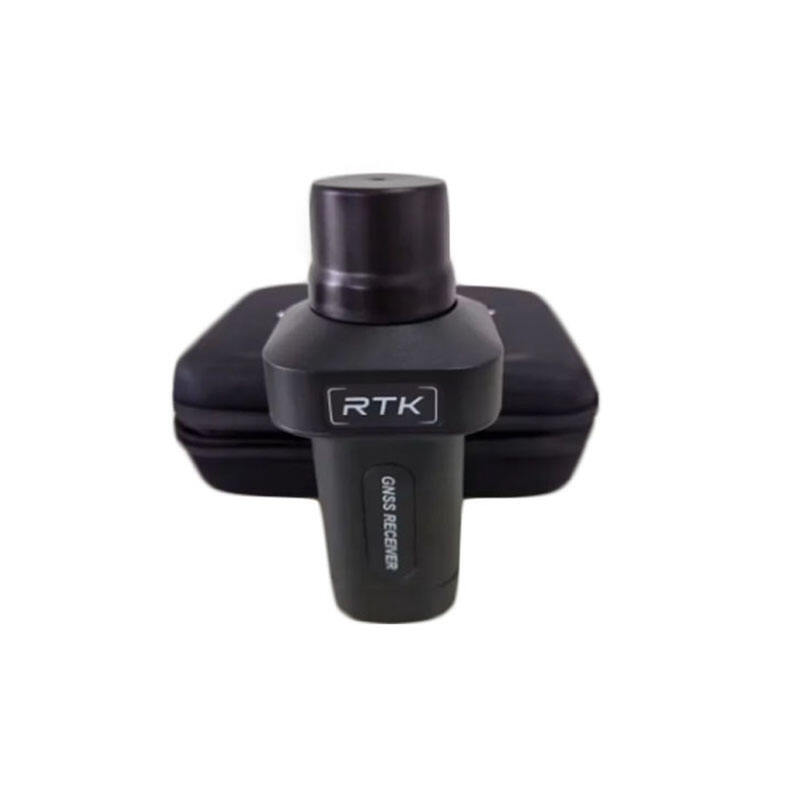
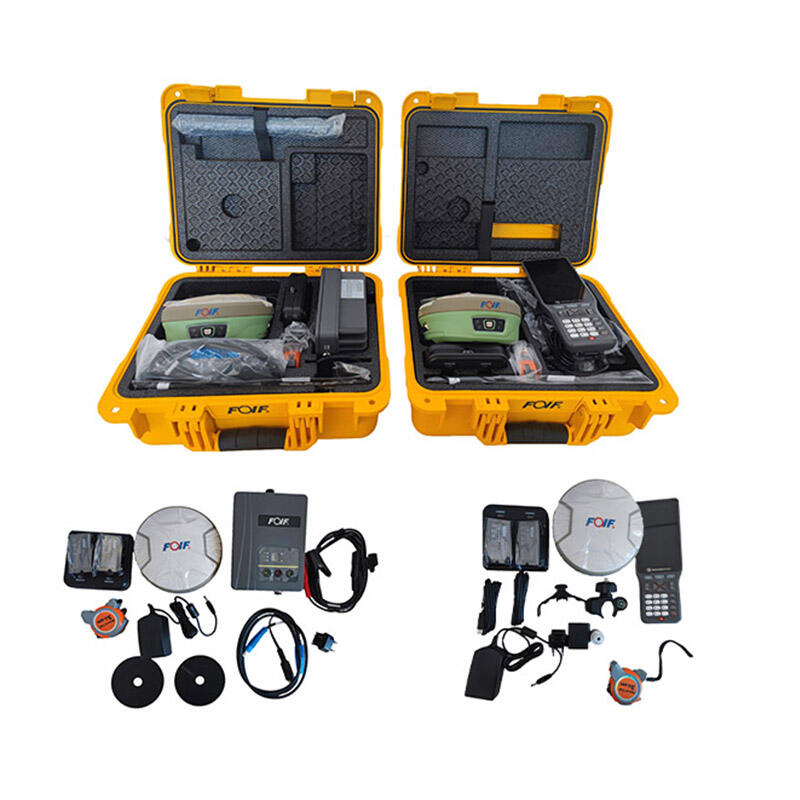
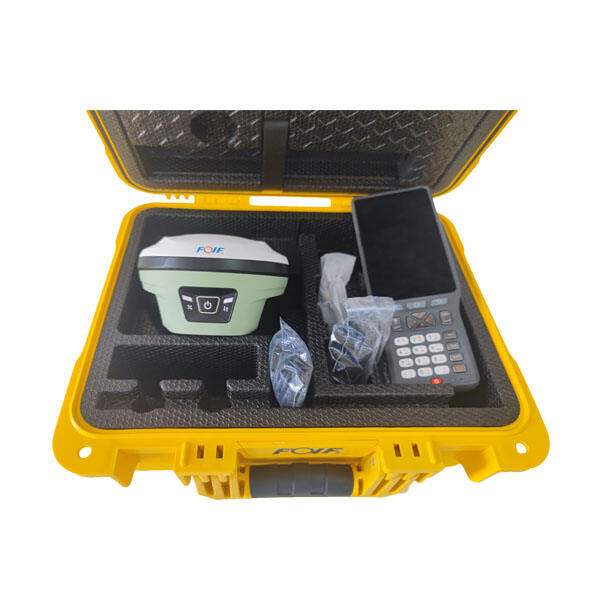
The ntrip gnss receiver delivers unprecedented global positioning capabilities through its advanced multi-constellation support and internet-based correction delivery system that ensures reliable performance across diverse geographical locations and challenging environmental conditions. Modern ntrip gnss receiver units simultaneously track signals from GPS, GLONASS, Galileo, and BeiDou satellite systems, providing superior signal availability and positioning robustness compared to single-constellation alternatives. This multi-system approach proves particularly valuable in urban environments, dense forests, or mountainous terrain where satellite visibility may be limited, as the ntrip gnss receiver can maintain positioning locks using alternative constellation signals when primary systems experience interference. The technology extends operational range far beyond traditional RTK limitations, as correction data streams through cellular or internet connections rather than radio links with distance constraints. This capability enables the ntrip gnss receiver to deliver consistent centimeter-level accuracy whether operating in downtown metropolitan areas or remote wilderness locations, provided basic internet connectivity remains available. Global correction service networks ensure the ntrip gnss receiver can access appropriate differential corrections regardless of geographical location, making it an ideal solution for international projects or organizations with geographically distributed operations. The device automatically selects optimal correction sources based on location and signal quality, seamlessly transitioning between different service providers as needed to maintain measurement accuracy. Advanced signal processing algorithms within the ntrip gnss receiver compensate for atmospheric disturbances, multipath effects, and other environmental factors that can degrade positioning accuracy, ensuring consistent performance across varying conditions. The technology provides reliable operation in challenging environments including construction sites with heavy machinery, agricultural fields with dense vegetation, or surveying projects near large structures that might interfere with satellite signals. International compatibility makes the ntrip gnss receiver valuable for multinational organizations, as the same equipment can operate effectively across different countries and regions without requiring hardware modifications or extensive recalibration procedures, reducing equipment inventory requirements and simplifying global operations management.

 EN
EN