Professional GNSS Receivers for Surveying - High Precision Positioning Technology

All Categories

gnss receiver for surveying

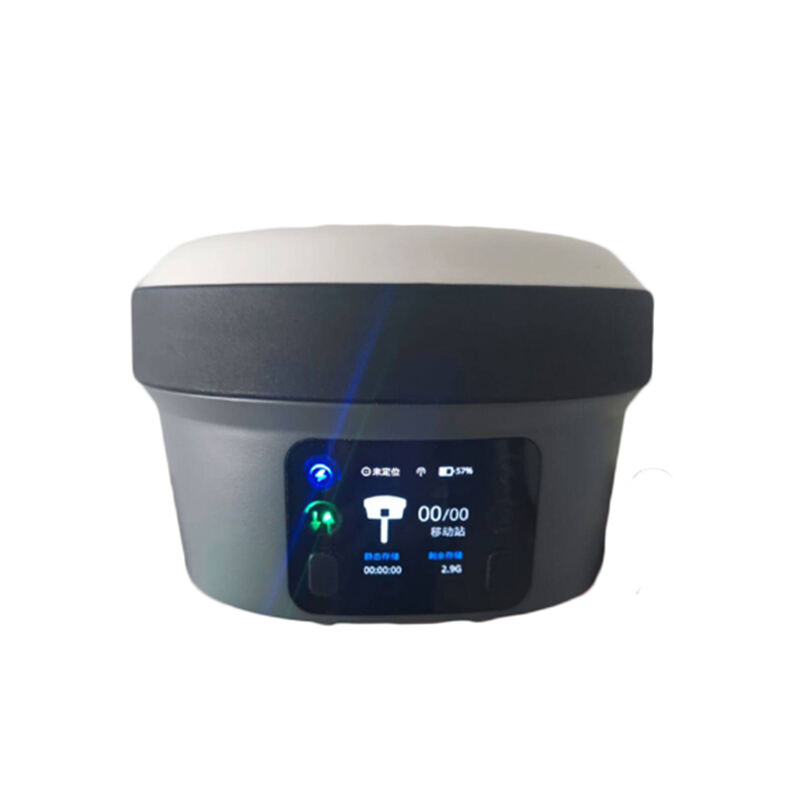
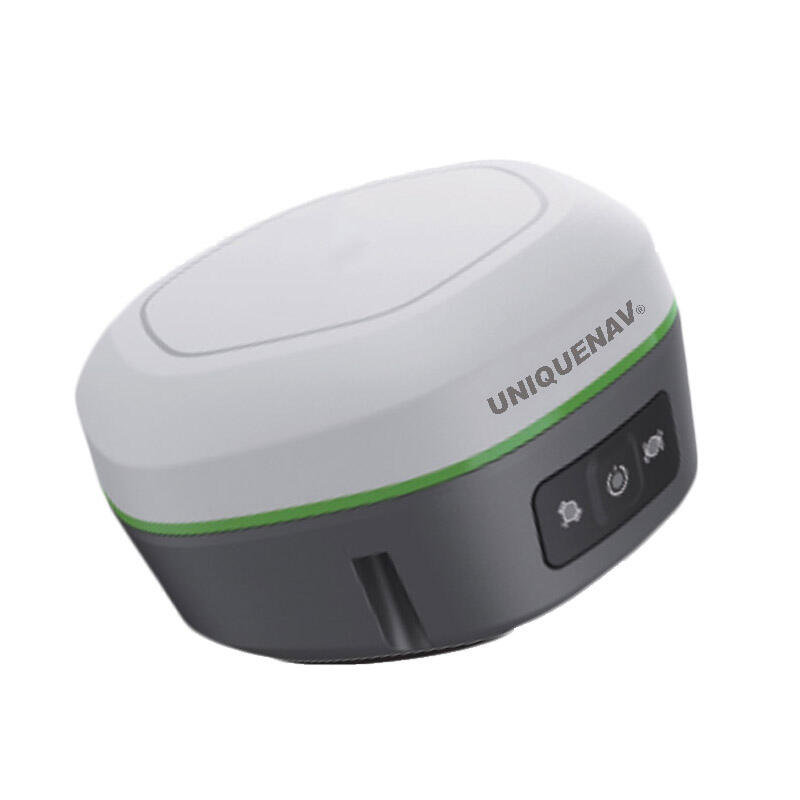
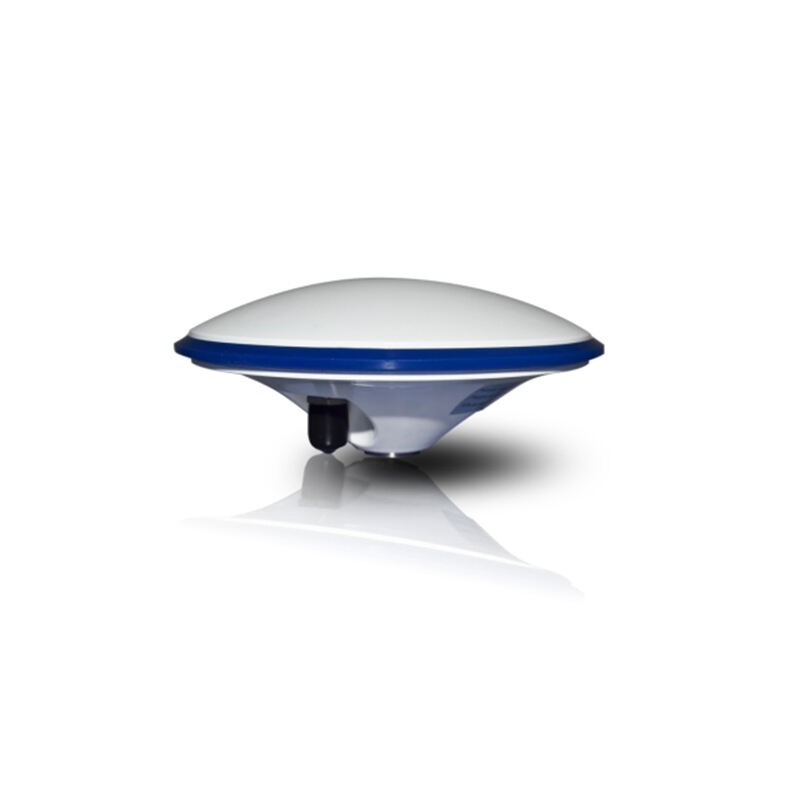
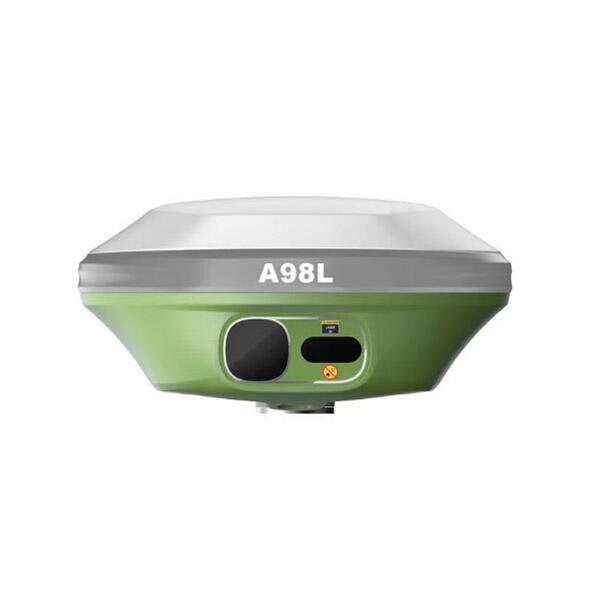
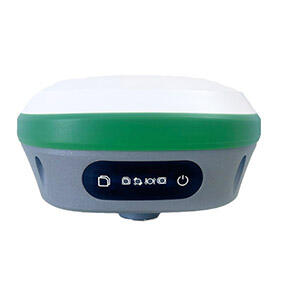
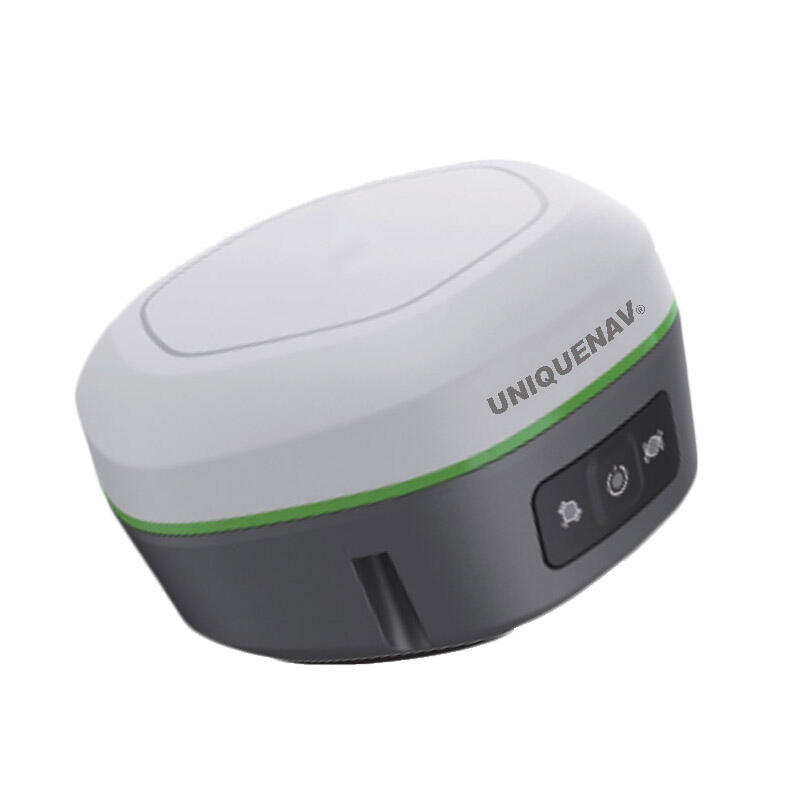
A GNSS receiver for surveying represents a sophisticated positioning instrument that harnesses signals from multiple satellite constellations to deliver precise location data for professional mapping and measurement applications. This advanced technology integrates GPS, GLONASS, Galileo, and BeiDou satellite systems to provide comprehensive global coverage and enhanced accuracy. The primary function of a GNSS receiver for surveying centers on capturing and processing satellite signals to determine exact coordinates, elevations, and spatial relationships between surveyed points. Modern GNSS receivers for surveying incorporate dual-frequency or multi-frequency capabilities, enabling them to correct atmospheric errors and achieve centimeter-level precision. These devices feature robust construction designed to withstand challenging field conditions while maintaining consistent performance across various environmental settings. The technological framework includes advanced signal processing algorithms that filter noise and multipath interference, ensuring reliable data collection even in challenging environments such as urban canyons or dense forest canopies. Real-time kinematic (RTK) functionality allows surveyors to obtain instant corrections, significantly reducing processing time and improving field productivity. Professional GNSS receivers for surveying typically support multiple communication protocols, enabling seamless integration with existing survey workflows and data management systems. Applications span numerous industries including construction, mining, agriculture, environmental monitoring, and infrastructure development. Land surveyors utilize these instruments for boundary determination, topographic mapping, and construction layout activities. Engineering professionals rely on GNSS receivers for surveying to establish precise control points, monitor structural movements, and conduct deformation analyses. The versatility of modern GNSS receivers for surveying extends to specialized applications such as machine control for heavy equipment, precision agriculture guidance systems, and archaeological site documentation. Data logging capabilities ensure comprehensive record-keeping, while wireless connectivity options facilitate real-time data sharing and collaborative project management across multiple field teams.

New Products

The GNSS receiver for surveying delivers exceptional positioning accuracy that consistently outperforms traditional surveying methods while reducing fieldwork time and operational costs. This precision technology eliminates the need for line-of-sight measurements between survey points, allowing operators to work efficiently across challenging terrain and obstacles that would typically complicate conventional surveying approaches. Users experience significantly faster data collection rates, completing surveys in a fraction of the time required by traditional techniques. The automation features built into modern GNSS receivers for surveying minimize human errors that commonly occur during manual measurements and calculations. Weather independence represents another substantial advantage, as these systems function effectively during various atmospheric conditions that might halt traditional surveying operations. The GNSS receiver for surveying provides consistent performance regardless of visibility conditions, fog, or light rain, ensuring project continuity and meeting tight deadlines. Cost efficiency emerges through reduced labor requirements, as fewer personnel can accomplish more extensive surveys compared to conventional methods. The elimination of intermediate measurement points and the ability to work independently without constant crew coordination translates directly into lower project expenses. Professional surveyors appreciate the enhanced safety benefits, as GNSS receivers for surveying reduce exposure to hazardous environments and traffic zones that traditional surveying methods often require. The technology enables remote positioning from secure locations while maintaining accuracy standards. Data quality improvements result from digital capture and processing, eliminating transcription errors and providing immediate quality control feedback. Integration capabilities allow seamless connection with existing software systems, facilitating smooth data transfer and reducing post-processing time. The GNSS receiver for surveying supports multiple coordinate systems and datum conversions, simplifying work across different project requirements and geographical regions. Versatility extends to various survey applications, from large-scale topographic mapping to precise construction layout work. The learning curve for operating modern GNSS receivers for surveying remains manageable, enabling survey teams to quickly adopt and leverage these powerful tools. Long-term reliability and minimal maintenance requirements ensure sustained productivity while protecting equipment investment values over extended operational periods.

Latest News

Top Tips for Using High Accuracy Handheld GPS in the Field

27

Nov

Top Tips for Using High Accuracy Handheld GPS in the Field

Professional fieldwork demands precision, reliability, and efficiency in positioning technology. Modern surveying, construction, and geospatial applications require positioning solutions that deliver centimeter-level accuracy while maintaining the po...
View More
How Do RTK GNSS Receivers Maintain Stability in Complex Terrains?

22

Dec

How Do RTK GNSS Receivers Maintain Stability in Complex Terrains?

Navigation accuracy in challenging environments has become a critical requirement across industries ranging from construction and surveying to autonomous vehicles and precision agriculture. RTK GNSS receivers represent the pinnacle of satellite-based...
View More
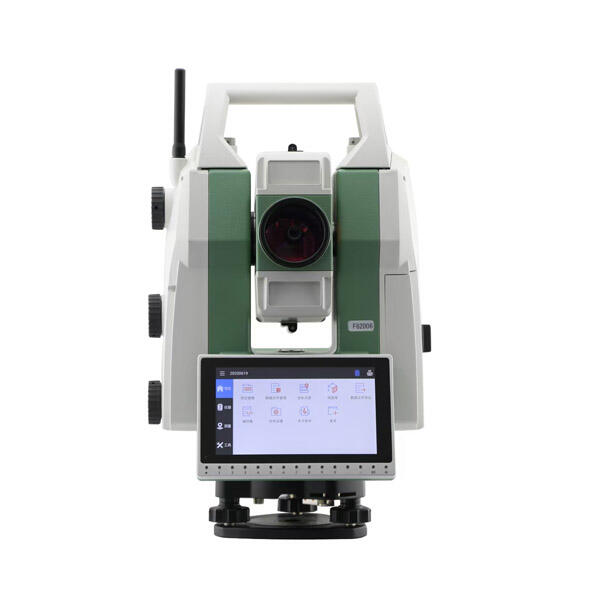
What Should You Evaluate Before Purchasing a Total Station?

13

Jan

What Should You Evaluate Before Purchasing a Total Station?

When investing in surveying equipment, selecting the right total station represents one of the most critical decisions for engineering professionals, construction teams, and surveying companies. A total station serves as the backbone of precise measu...
View More
How Does a Theodolite Compare to Total Stations in Practical Use?

11

Feb

How Does a Theodolite Compare to Total Stations in Practical Use?

Surveying professionals and construction engineers face critical decisions when selecting measurement instruments for their projects. The choice between traditional surveying tools and modern integrated systems can significantly impact project effici...
View More

Get a Free Quote

Our representative will contact you soon.
Email
Name
Company Name
Message
0/1000

gnss receiver for surveying

Multi-Constellation Signal Reception Technology

Multi-Constellation Signal Reception Technology

The advanced multi-constellation signal reception capability of a GNSS receiver for surveying represents a revolutionary leap in positioning technology that dramatically enhances accuracy, reliability, and operational flexibility for professional surveying applications. This sophisticated feature simultaneously tracks signals from GPS, GLONASS, Galileo, and BeiDou satellite systems, creating an unprecedented level of redundancy and precision that traditional single-constellation receivers simply cannot match. By leveraging multiple satellite constellations, the GNSS receiver for surveying gains access to significantly more satellites at any given time, typically doubling or tripling the available signal sources compared to GPS-only systems. This abundance of satellite signals translates directly into improved geometric dilution of precision (GDOP), resulting in more accurate position calculations and reduced measurement uncertainties across all surveying applications. The multi-constellation approach proves particularly valuable in challenging environments where signal obstruction from buildings, dense vegetation, or topographic features might limit satellite visibility. When operating in urban canyons, forest canopies, or mountainous terrain, the GNSS receiver for surveying maintains robust positioning capability by drawing from multiple constellation sources, ensuring continuous operation where single-constellation systems might fail or provide degraded accuracy. The redundancy inherent in multi-constellation reception also enhances system reliability by providing backup signals when individual satellites become temporarily unavailable due to maintenance, atmospheric conditions, or geometric positioning. Professional surveyors benefit from faster convergence times, as the increased number of tracked satellites enables the GNSS receiver for surveying to establish precise positions more quickly after initialization or signal reacquisition. This efficiency translates into improved productivity and reduced waiting times during critical surveying operations. The technology also provides enhanced resistance to jamming and interference, as disrupting multiple constellation signals simultaneously presents significantly greater challenges than targeting a single system. Furthermore, the diverse orbital patterns and signal characteristics of different constellations offer complementary coverage patterns that optimize satellite geometry throughout the day, ensuring consistent performance regardless of survey timing or geographical location.
Real-Time Kinematic (RTK) Precision Positioning

Real-Time Kinematic (RTK) Precision Positioning

Real-Time Kinematic (RTK) technology embedded within a GNSS receiver for surveying delivers centimeter-level positioning accuracy in real-time, revolutionizing surveying efficiency and precision standards across professional applications. This advanced positioning technique utilizes carrier phase measurements from satellite signals, combined with correction data from a reference station, to achieve positioning accuracy that typically ranges from 1 to 3 centimeters horizontally and 2 to 5 centimeters vertically. The RTK-enabled GNSS receiver for surveying establishes a communication link with a base station or network of reference stations, receiving continuous correction data that compensates for atmospheric delays, satellite orbit errors, and other systematic biases affecting positioning accuracy. This real-time correction process eliminates the need for post-processing workflows, enabling surveyors to obtain survey-grade results immediately in the field. The productivity gains from RTK functionality prove substantial, as field crews can complete stake-out operations, boundary surveys, and topographic mapping with confidence in real-time accuracy, eliminating return visits for verification or correction. Professional surveyors using an RTK-capable GNSS receiver for surveying experience enhanced workflow efficiency through immediate quality control feedback, allowing them to identify and address potential issues before leaving survey locations. The technology supports various RTK correction delivery methods, including radio links, cellular networks, and internet connections, providing flexibility to match different project requirements and geographical constraints. Network RTK (NRTK) capabilities extend operational range beyond traditional base-station limitations, enabling wide-area surveys with consistent accuracy across extended project boundaries. The GNSS receiver for surveying with RTK functionality typically features intelligent algorithms that automatically assess correction data quality and positioning solution status, providing clear indicators of measurement reliability to operators. This real-time quality assessment ensures that collected data meets project specifications and professional standards. The integration of RTK technology with modern GNSS receivers for surveying also supports rapid initialization procedures, achieving fixed integer solutions quickly after startup or signal interruption. This rapid convergence capability minimizes downtime and maintains survey productivity throughout field operations. Advanced RTK implementations include predictive algorithms that anticipate and compensate for temporary signal interruptions, maintaining positioning accuracy even during brief communication losses with correction sources.
Rugged Environmental Design and Durability

Rugged Environmental Design and Durability

The rugged environmental design of a professional GNSS receiver for surveying ensures reliable performance and longevity under the demanding conditions commonly encountered in field surveying operations, making it an indispensable tool for professionals working across diverse and challenging environments. This robust construction philosophy incorporates military-grade materials, advanced sealing technologies, and shock-resistant engineering that protects sensitive electronic components from environmental hazards including dust, moisture, extreme temperatures, and physical impacts. The GNSS receiver for surveying typically features IP67 or IP68 ingress protection ratings, providing complete protection against dust infiltration and temporary water submersion, essential characteristics for equipment that frequently operates in wet conditions, dusty construction sites, or harsh outdoor environments. Temperature resilience represents a critical design element, with professional-grade GNSS receivers for surveying engineered to function reliably across extreme temperature ranges from -40°C to +70°C, ensuring consistent performance in arctic conditions, desert environments, and tropical climates where many surveying projects take place. The structural integrity of the housing utilizes impact-resistant materials and shock-absorbing designs that protect against drops, vibrations, and rough handling typical in field operations. This durability extends equipment lifespan and reduces replacement costs while maintaining measurement accuracy over years of intensive use. Corrosion resistance features protect metallic components from salt spray, chemical exposure, and atmospheric pollutants, particularly important for coastal surveying projects or industrial environments where corrosive substances may be present. The GNSS receiver for surveying incorporates advanced thermal management systems that regulate internal temperatures and prevent component degradation under extreme operating conditions. Battery systems within rugged GNSS receivers for surveying utilize high-capacity, cold-weather resistant cells that maintain power delivery throughout extended field sessions, even in freezing temperatures that would severely limit standard electronic devices. The user interface design balances durability with functionality, featuring sealed keypads, scratch-resistant displays with high visibility under direct sunlight, and intuitive controls that remain operable while wearing heavy gloves. Quality assurance testing for professional GNSS receivers for surveying includes rigorous environmental simulation, drop testing, vibration analysis, and accelerated aging procedures that verify long-term reliability and performance consistency. This comprehensive approach to rugged design ensures that investment in a quality GNSS receiver for surveying provides years of dependable service while maintaining accuracy standards required for professional surveying applications.


Get a Free Quote

Our representative will contact you soon.
Email
Name
Company Name
Message
0/1000