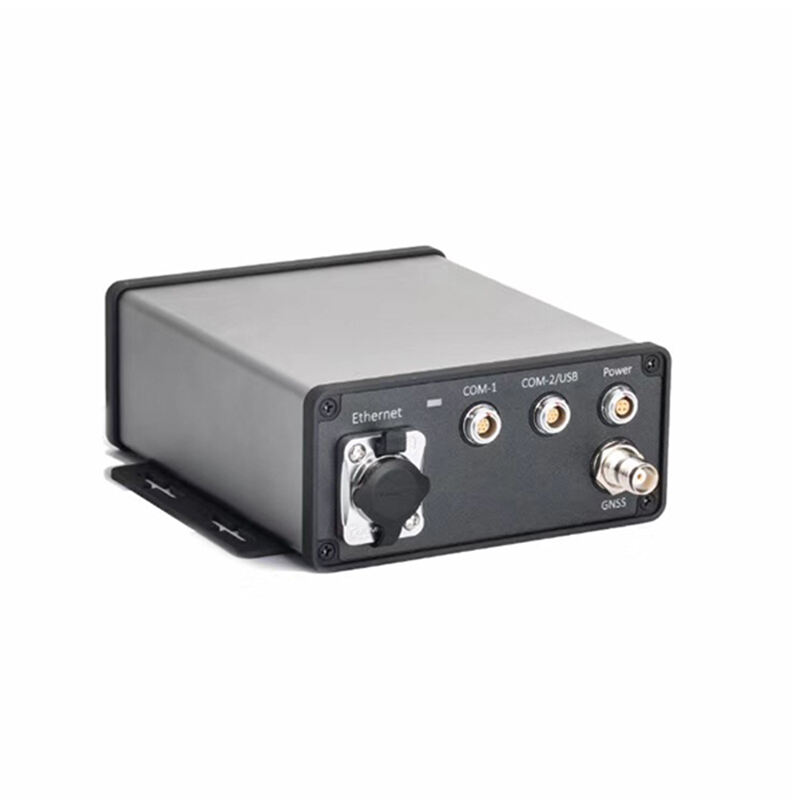
GNSS Low Cost Solutions: Affordable High-Precision Positioning Technology

All Categories

gnss low cost

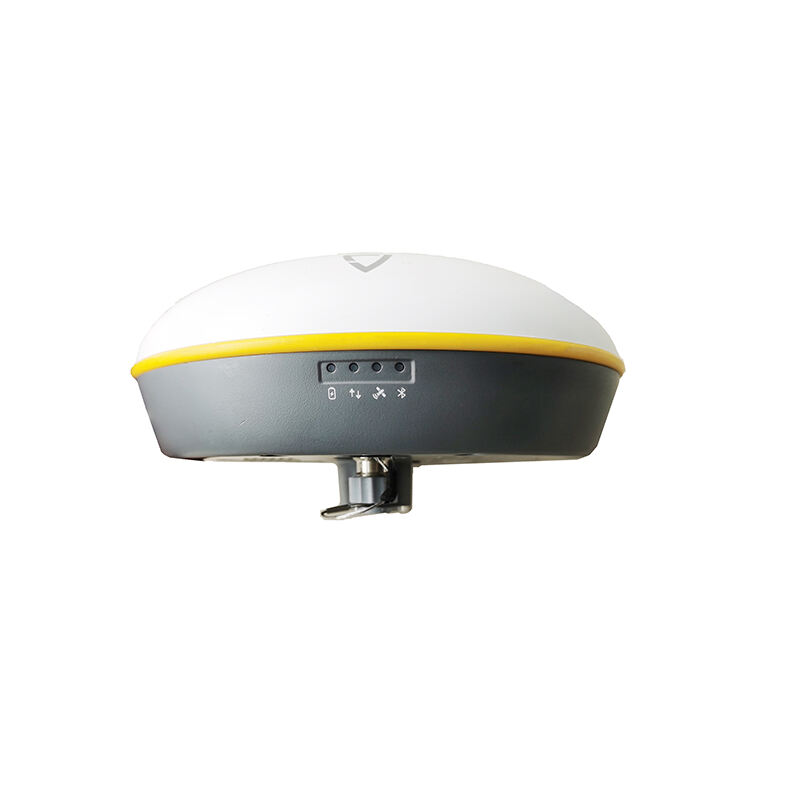
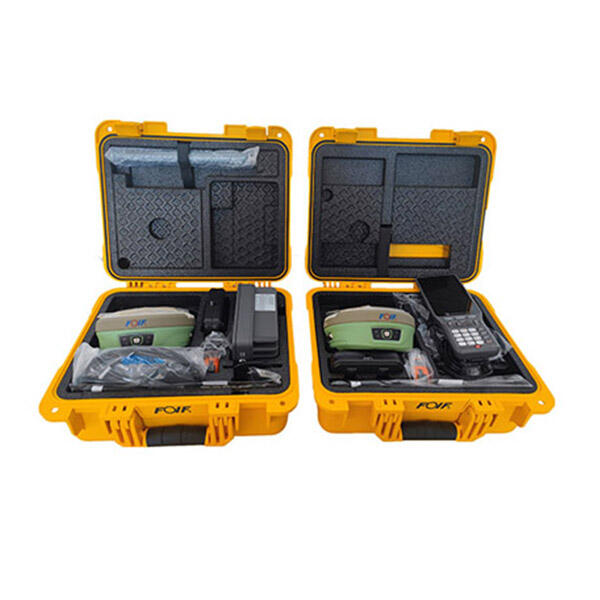
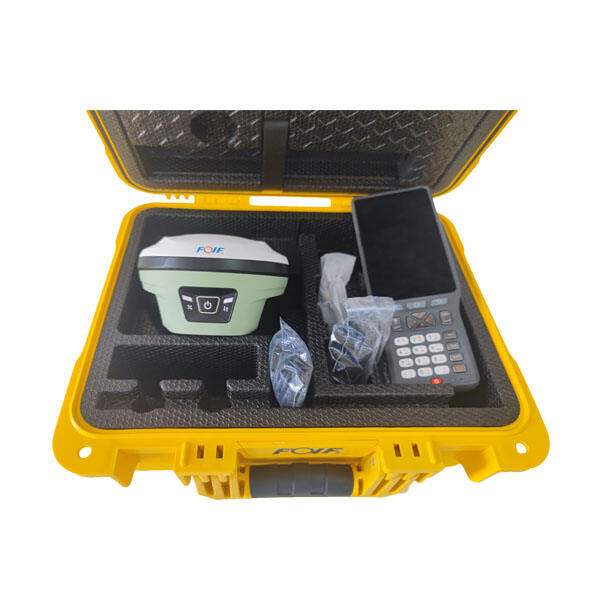
The GNSS low cost revolution has transformed positioning technology accessibility, making precision navigation available to industries and individuals previously excluded by expensive solutions. Global Navigation Satellite Systems traditionally required substantial investments, limiting their adoption to specialized sectors. Today's GNSS low cost alternatives democratize satellite-based positioning through innovative engineering and streamlined manufacturing processes. These systems maintain essential functionality while dramatically reducing price barriers, enabling widespread deployment across diverse applications. GNSS low cost receivers incorporate advanced signal processing algorithms that deliver remarkable accuracy despite their affordable pricing structure. The technology leverages miniaturized components, efficient power management, and sophisticated software optimization to achieve professional-grade performance. Modern GNSS low cost solutions support multiple satellite constellations including GPS, GLONASS, Galileo, and BeiDou, ensuring robust positioning capabilities worldwide. Real-time kinematic positioning, previously exclusive to premium systems, now becomes accessible through GNSS low cost implementations. These receivers typically feature centimeter-level accuracy, making them suitable for surveying, agriculture, construction, and autonomous vehicle applications. The compact form factor of GNSS low cost devices facilitates integration into various platforms, from smartphones to industrial machinery. Advanced filtering techniques compensate for atmospheric interference and multipath effects, maintaining positioning reliability in challenging environments. GNSS low cost technology incorporates modern communication protocols, enabling seamless data transmission and remote monitoring capabilities. Battery efficiency optimizations extend operational periods, crucial for field applications where power sources remain limited. The scalable architecture of GNSS low cost systems accommodates future constellation upgrades and enhanced features through firmware updates. Manufacturing economies of scale further reduce unit costs while improving quality control standards. GNSS low cost solutions bridge the gap between basic consumer devices and professional surveying equipment, offering optimal price-performance ratios for emerging markets and budget-conscious organizations seeking reliable positioning technology.


Popular Products

The primary advantage of GNSS low cost technology lies in its exceptional affordability without compromising essential positioning capabilities. Traditional high-precision receivers often cost thousands of dollars, creating barriers for small businesses, educational institutions, and developing markets. GNSS low cost alternatives reduce these expenses by up to ninety percent while maintaining centimeter-level accuracy required for professional applications. This dramatic cost reduction opens positioning technology to agricultural cooperatives, construction contractors, and research organizations with limited budgets. The simplified installation process of GNSS low cost systems eliminates expensive technical expertise requirements, allowing operators to deploy solutions quickly without specialized training. Maintenance costs decrease significantly due to robust design principles and reduced component complexity, minimizing ongoing operational expenses. GNSS low cost receivers consume substantially less power than traditional systems, extending battery life and reducing energy costs for continuous monitoring applications. The compact size advantage enables integration into existing equipment without major modifications, saving retrofit expenses and deployment time. Multi-constellation support ensures positioning reliability across global regions, eliminating the need for multiple receiver types in international operations. GNSS low cost technology delivers rapid initialization times, typically achieving fixed solutions within minutes compared to traditional systems requiring extended setup periods. The standardized interface compatibility simplifies integration with existing software platforms, reducing development costs and implementation complexity. Firmware update capabilities future-proof GNSS low cost investments, allowing performance enhancements without hardware replacements. Remote monitoring features reduce site visit requirements, cutting operational overhead and improving efficiency for widespread deployments. The scalable pricing structure accommodates projects ranging from single-unit purchases to large fleet implementations, providing volume discounts that further reduce per-unit costs. Quality control improvements in manufacturing ensure consistent performance across production batches, reducing replacement rates and warranty claims. GNSS low cost solutions typically offer comprehensive technical support, including documentation, training resources, and responsive customer service, maximizing return on investment. The technology's proven reliability in harsh environmental conditions reduces insurance costs and equipment replacement frequencies. Standard mounting options and cable configurations simplify procurement and reduce inventory management complexity for organizations maintaining multiple positioning systems.

Practical Tips

How Can RTK Improve Surveying Precision for Large Construction Sites?

22

Dec

How Can RTK Improve Surveying Precision for Large Construction Sites?

Modern construction projects demand unprecedented accuracy and efficiency, particularly when dealing with expansive development sites spanning hundreds of acres. Traditional surveying methods often fall short when faced with the complexities of large...
View More
What Should Engineers Check Before Choosing an RTK System?

22

Dec

What Should Engineers Check Before Choosing an RTK System?

Selecting the right RTK system represents one of the most critical decisions in modern surveying and construction projects. Engineers must navigate through numerous technical specifications, accuracy requirements, and operational considerations to en...
View More
How Do RTK GNSS Receivers Maintain Stability in Complex Terrains?

22

Dec

How Do RTK GNSS Receivers Maintain Stability in Complex Terrains?

Navigation accuracy in challenging environments has become a critical requirement across industries ranging from construction and surveying to autonomous vehicles and precision agriculture. RTK GNSS receivers represent the pinnacle of satellite-based...
View More
How Does RTK GPS Reduce Errors in Professional Survey Work?

13

Jan

How Does RTK GPS Reduce Errors in Professional Survey Work?

Professional surveying demands precision that can make the difference between project success and costly mistakes. Traditional GPS systems, while revolutionary, often fall short of the accuracy requirements needed for construction, engineering, and l...
View More

Get a Free Quote

Our representative will contact you soon.
Email
Name
Company Name
Message
0/1000

gnss low cost

Revolutionary Cost-Performance Balance

Revolutionary Cost-Performance Balance

The GNSS low cost advantage fundamentally transforms how organizations approach precision positioning by delivering professional-grade accuracy at consumer-friendly prices. Traditional positioning systems created a significant gap between basic consumer devices offering meter-level accuracy and professional equipment providing centimeter precision at premium costs. GNSS low cost technology bridges this divide through innovative engineering approaches that optimize component selection, manufacturing processes, and software algorithms. Advanced signal processing techniques compensate for lower-cost hardware limitations, achieving positioning accuracy typically associated with equipment costing ten times more. The cost-performance balance becomes particularly evident in applications requiring multiple receivers, such as construction site monitoring, agricultural field mapping, or fleet tracking operations. Organizations can deploy comprehensive positioning networks using GNSS low cost receivers for the same budget previously required for a single professional unit. Manufacturing innovations including automated assembly processes, standardized component sourcing, and streamlined quality control reduce production costs without compromising reliability standards. The economies of scale achieved through mass production further enhance affordability while maintaining strict performance specifications. GNSS low cost systems incorporate intelligent power management features that extend operational periods, reducing battery replacement costs and maintenance intervals. The robust design philosophy ensures consistent performance across temperature extremes, humidity variations, and mechanical stress conditions typical in field applications. Software optimization techniques maximize hardware efficiency, enabling complex positioning algorithms to run on cost-effective processors without performance degradation. Real-time correction capabilities integrate seamlessly with existing infrastructure, providing enhanced accuracy without requiring expensive base station networks. The modular architecture allows selective feature activation, enabling customers to pay only for required capabilities while maintaining upgrade paths for future expansion. This revolutionary cost-performance balance democratizes precision positioning technology, making it accessible to educational institutions, research organizations, and small businesses previously unable to justify traditional system investments.
Versatile Multi-Application Integration

Versatile Multi-Application Integration

GNSS low cost technology excels in versatile integration capabilities, adapting seamlessly across diverse industry applications without requiring specialized variants or costly customization. The standardized interface architecture enables rapid deployment in agricultural machinery, construction equipment, surveying instruments, and autonomous vehicle platforms using identical hardware configurations. This versatility eliminates the need for application-specific receivers, reducing inventory complexity and procurement costs for organizations operating across multiple sectors. Advanced communication protocols support various data formats and transmission methods, ensuring compatibility with existing software ecosystems and legacy systems. The compact form factor of GNSS low cost receivers facilitates mounting in space-constrained environments while maintaining optimal satellite signal reception through advanced antenna design. Environmental sealing standards protect against moisture, dust, and temperature extremes, enabling reliable operation in harsh industrial conditions without protective enclosures. Power supply flexibility accommodates different voltage requirements and connection types, simplifying integration with diverse host systems and reducing installation complexity. The plug-and-play configuration minimizes setup time and technical expertise requirements, allowing field personnel to deploy systems without specialized training or support. Software development kits provide comprehensive programming interfaces, enabling custom application development and seamless integration with proprietary control systems. Multi-constellation support ensures consistent positioning performance across global regions, eliminating the need for regional equipment variants in international operations. Real-time data streaming capabilities support both local processing and cloud-based analytics, accommodating various operational preferences and infrastructure limitations. The scalable communication architecture handles single-unit installations through large network deployments using identical hardware and software configurations. Firmware update mechanisms enable feature enhancements and bug fixes without hardware modifications, extending system lifespan and maintaining current functionality. Quality assurance protocols ensure consistent performance characteristics across production batches, simplifying system design and reducing integration testing requirements. The open architecture philosophy encourages third-party development, expanding available applications and creating comprehensive solution ecosystems around GNSS low cost technology.
Future-Proof Technology Investment

Future-Proof Technology Investment

GNSS low cost systems represent future-proof technology investments through continuous evolution capabilities that protect against obsolescence while maximizing long-term value. The software-defined architecture enables significant functionality improvements through firmware updates, ensuring systems remain current with advancing satellite technologies and emerging positioning requirements without hardware replacements. Multi-constellation compatibility positions GNSS low cost receivers to benefit from expanding satellite networks, including next-generation GPS, enhanced GLONASS signals, fully operational Galileo constellation, and improved BeiDou coverage. The modular design philosophy accommodates emerging positioning techniques such as precise point positioning enhancements, real-time correction services, and atmospheric modeling improvements through software modifications. Forward compatibility planning ensures GNSS low cost systems integrate with developing infrastructure including 5G networks, Internet of Things platforms, and cloud-based positioning services. The standardized interface approach protects against proprietary technology lock-in, maintaining flexibility to adopt superior solutions and emerging standards without complete system overhauls. Advanced error correction algorithms continuously improve through machine learning integration, enhancing accuracy and reliability over time without requiring hardware upgrades. The scalable processing architecture accommodates increased computational demands from sophisticated positioning algorithms and expanded satellite constellation processing. Quality manufacturing standards ensure extended operational lifespans, typically exceeding traditional equipment durability while maintaining consistent performance characteristics throughout service periods. Comprehensive documentation and open development environments facilitate long-term support and customization capabilities, reducing dependency on original manufacturers for ongoing maintenance and enhancements. The global supply chain approach ensures component availability and competitive pricing throughout product lifecycles, avoiding obsolescence issues common with specialized positioning equipment. Industry partnership networks provide continuous technology transfer and collaborative development opportunities, accelerating feature advancement and maintaining competitive positioning. Environmental sustainability considerations include recycling programs and upgrade paths that minimize electronic waste while extending system utility. The proven track record of GNSS low cost technology demonstrates consistent performance improvements and cost reductions over time, validating investment decisions and encouraging continued adoption across expanding application areas.

Get a Free Quote

Our representative will contact you soon.
Email
Name
Company Name
Message
0/1000