Professional GNSS RTK Receiver Systems - Precision Surveying Equipment

All Categories

gnss rtk receiver

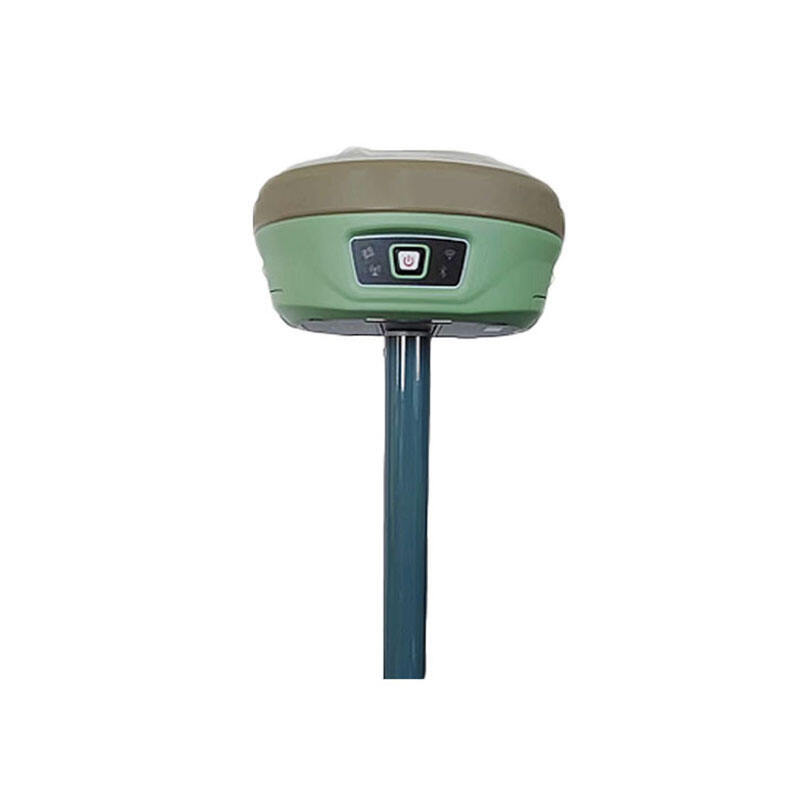
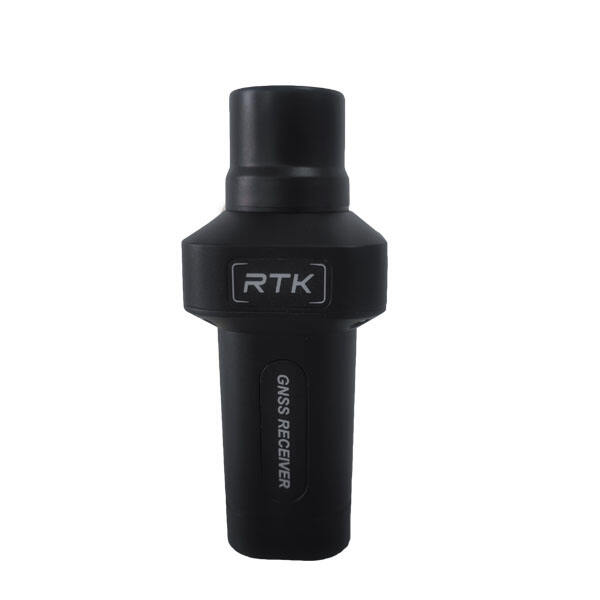
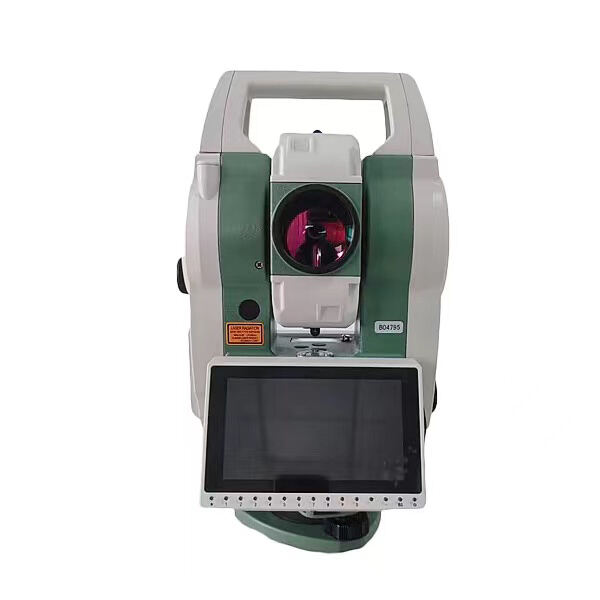
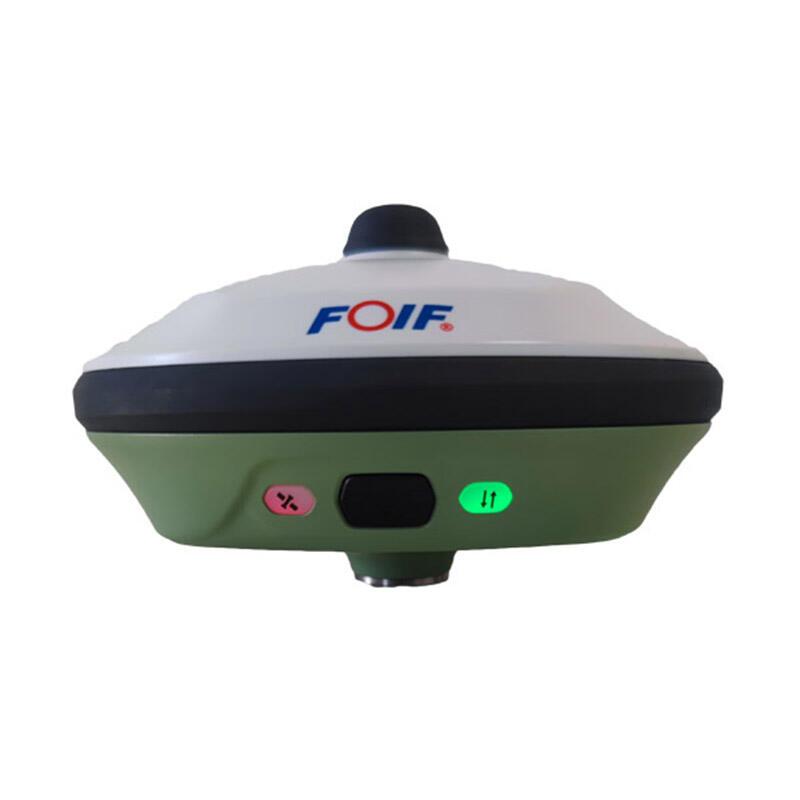
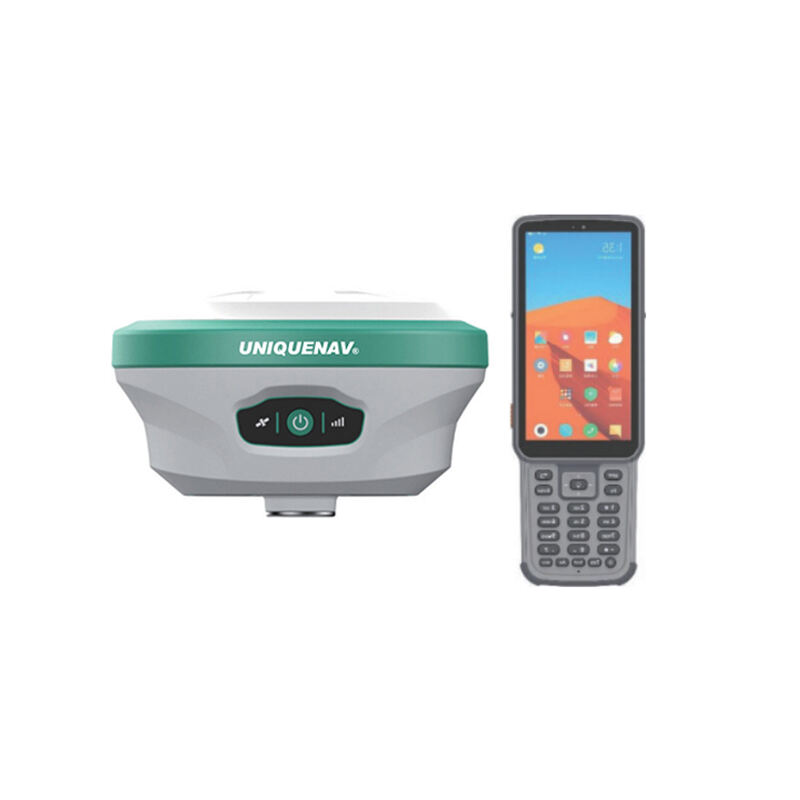
A GNSS RTK receiver represents a sophisticated positioning technology that delivers centimeter-level accuracy for professional surveying and mapping applications. The Global Navigation Satellite System Real-Time Kinematic receiver combines satellite signals from multiple constellations including GPS, GLONASS, Galileo, and BeiDou to provide precise positioning data. This advanced surveying equipment operates by establishing a base station that communicates corrections to rover units, enabling real-time positioning with remarkable precision. The GNSS RTK receiver utilizes carrier-phase measurements and differential corrections to eliminate atmospheric delays and satellite orbit errors that typically affect standard GPS accuracy. Professional surveyors and engineers rely on this technology for construction layout, boundary surveys, topographic mapping, and infrastructure development projects. The system's dual-frequency capabilities allow it to process L1 and L2 signals simultaneously, providing robust performance even in challenging environments with partial satellite visibility. Modern GNSS RTK receiver units feature intuitive touchscreen interfaces, long-lasting batteries, and rugged construction designed to withstand harsh field conditions. The technology supports various communication methods including radio modems, cellular networks, and internet connections for base station corrections. Survey-grade antennas integrated into these receivers ensure optimal signal reception and multipath rejection. Data collection capabilities include point stakeout, line guidance, area calculations, and comprehensive field-to-finish workflows. The GNSS RTK receiver maintains accuracy across distances up to 10 kilometers from the base station, making it suitable for large-scale projects. Advanced receivers offer initialization times under 10 seconds and track up to 220 channels across all satellite constellations. Professional features include coordinate system transformations, quality assurance indicators, and seamless integration with popular CAD and GIS software platforms.

New Products

GNSS RTK receiver technology delivers significant time savings compared to traditional surveying methods by eliminating the need for manual measurements and reducing field crew requirements. Professional surveyors complete projects faster because the system provides instant positioning results without lengthy setup procedures or complex calculations. The accuracy benefits of GNSS RTK receiver systems ensure project specifications are met consistently, reducing costly resurvey work and change orders. Construction teams save money by avoiding layout errors that can lead to expensive corrections and project delays. The technology enables single-operator efficiency, allowing one person to accomplish tasks that previously required multiple team members with conventional surveying equipment. Weather conditions have minimal impact on GNSS RTK receiver performance, ensuring consistent productivity regardless of visibility or atmospheric conditions. The system reduces human error through automated data collection and digital recording, eliminating transcription mistakes common with manual surveying methods. Real-time quality indicators alert operators to potential accuracy issues immediately, preventing the collection of unreliable data. Modern GNSS RTK receiver units offer exceptional portability, weighing significantly less than traditional theodolites and levels while providing superior functionality. Battery life extends throughout full workdays, minimizing downtime for charging or battery replacement. The learning curve for GNSS RTK receiver operation is relatively short, allowing survey teams to become proficient quickly without extensive training investments. Integration capabilities with existing software workflows streamline data processing and reporting procedures. Versatility stands out as a major advantage, with GNSS RTK receiver systems handling diverse applications from boundary surveys to machine control guidance. Cost-effectiveness emerges over time through increased productivity, reduced labor costs, and improved project completion rates. Remote areas benefit from GNSS RTK receiver independence from local infrastructure, requiring only satellite visibility for operation. Quality control features built into modern receivers ensure measurements meet professional standards and regulatory requirements. The technology adapts to various coordinate systems and projection methods, supporting local survey requirements without complex conversions.

Tips And Tricks

Why Is RTK GNSS Essential for High-Accuracy Industrial Positioning?

22

Dec

Why Is RTK GNSS Essential for High-Accuracy Industrial Positioning?

In today's rapidly evolving industrial landscape, precise positioning has become the cornerstone of operational excellence across multiple sectors. RTK GNSS technology represents a quantum leap forward in positioning accuracy, delivering centimeter-l...
View More
Why Are Digital Levels Preferred Over Traditional Bubble Levels?

11

Feb

Why Are Digital Levels Preferred Over Traditional Bubble Levels?

The construction and engineering industries have witnessed a significant transformation in measurement tools over the past decade. Among these advancements, digital levels have emerged as the preferred choice for professionals who demand precision, e...
View More
How Does a Theodolite Compare to Total Stations in Practical Use?

11

Feb

How Does a Theodolite Compare to Total Stations in Practical Use?

Surveying professionals and construction engineers face critical decisions when selecting measurement instruments for their projects. The choice between traditional surveying tools and modern integrated systems can significantly impact project effici...
View More
What Key Features Should You Check When Buying an Auto Level?

11

Feb

What Key Features Should You Check When Buying an Auto Level?

When precision matters most in construction and surveying projects, selecting the right auto level becomes a critical decision that can impact the success of your entire operation. An auto level serves as the backbone of accurate height measurements ...
View More

Get a Free Quote

Our representative will contact you soon.
Email
Name
Company Name
Message
0/1000

gnss rtk receiver

Centimeter-Level Precision for Professional Accuracy

Centimeter-Level Precision for Professional Accuracy

The GNSS RTK receiver achieves unprecedented positioning accuracy through sophisticated carrier-phase measurement technology that surpasses conventional GPS capabilities by significant margins. This precision positioning system processes satellite signals with mathematical algorithms that eliminate common sources of error, delivering horizontal accuracy within 1-2 centimeters and vertical accuracy within 2-3 centimeters. Professional surveyors depend on this level of precision for legal boundary determination, construction layout, and engineering surveys where millimeter differences can have substantial financial implications. The dual-frequency operation of modern GNSS RTK receiver units allows simultaneous processing of L1 and L2 satellite signals, creating redundancy that enhances reliability and maintains accuracy even when signal conditions are suboptimal. Advanced filtering techniques within the receiver firmware continuously monitor satellite geometry, atmospheric conditions, and signal quality to ensure measurements meet professional standards. The system's ability to track signals from multiple satellite constellations including GPS, GLONASS, Galileo, and BeiDou increases the number of available satellites, improving geometric strength and position reliability. Quality assurance indicators provide real-time feedback about measurement confidence levels, allowing operators to make informed decisions about data collection. Professional applications requiring survey-grade accuracy find the GNSS RTK receiver indispensable for maintaining project specifications and regulatory compliance. Construction projects benefit from precise layout capabilities that ensure structures are positioned correctly from the initial stages, preventing costly corrections later in the construction process. The technology enables accurate volume calculations for earthwork projects, helping contractors optimize material usage and project costs. Property boundary surveys achieve legal defensibility through the consistent accuracy provided by GNSS RTK receiver systems. Environmental monitoring applications leverage this precision for tracking changes in topography, monitoring erosion patterns, and establishing permanent reference points. The receiver's ability to maintain accuracy across varying distances from base stations ensures consistent performance throughout large project areas.
Real-Time Data Collection and Instant Results

Real-Time Data Collection and Instant Results

The real-time capabilities of GNSS RTK receiver technology revolutionize field productivity by providing instant positioning results that eliminate traditional surveying delays and accelerate project completion timelines. Professional survey teams experience immediate benefits from the system's ability to display coordinate information, elevations, and quality indicators within seconds of occupying a point. This instantaneous feedback allows operators to make field decisions quickly, adjust survey plans as needed, and ensure complete data coverage without returning to the office for processing. The GNSS RTK receiver communicates continuously with base stations through various methods including radio modems, cellular networks, and internet connections, maintaining real-time correction data that ensures accuracy throughout the survey session. Modern receivers feature intuitive interfaces that display information clearly, allowing operators to focus on field tasks rather than complex equipment operation. Stakeout functions guide users directly to design coordinates with visual and audible indicators, streamlining construction layout processes significantly. The technology supports continuous data logging, automatically recording measurements with timestamps and quality parameters for comprehensive project documentation. Field crews can verify measurements immediately, ensuring data quality before leaving each survey location. Real-time processing capabilities enable instant coordinate transformations, elevation adjustments, and projection conversions without requiring office-based calculations. Quality control features alert operators to potential issues immediately, preventing the collection of substandard data that could compromise project integrity. The system's ability to operate in various surveying modes including static, kinematic, and stop-and-go provides flexibility for different project requirements. Professional workflows benefit from seamless integration with field-to-finish software that processes survey data directly from the GNSS RTK receiver. Construction applications utilize real-time guidance for equipment operation, enabling precise grading, excavation, and material placement. The technology reduces project timelines by eliminating traditional surveying bottlenecks and enabling continuous productivity throughout the workday.

Rugged Durability and All-Weather Performance

Rugged Durability and All-Weather Performance

GNSS RTK receiver systems are engineered for demanding field conditions with military-grade construction that withstands the harsh environments encountered in professional surveying and construction applications. These robust instruments feature sealed housings with IP67 or IP68 ratings that protect internal electronics from dust, moisture, and water immersion up to specified depths. Professional survey teams rely on this durability when working in adverse weather conditions, including rain, snow, extreme temperatures, and high humidity environments. The shock-resistant design incorporates protective materials and reinforced mounting systems that absorb impacts from drops, vibrations, and rough handling common in construction sites. Advanced GNSS RTK receiver units operate reliably across temperature ranges from -40°C to +70°C, ensuring consistent performance in arctic conditions and desert environments. Corrosion-resistant materials and protective coatings prevent degradation from salt air, chemical exposure, and ultraviolet radiation encountered in marine and industrial applications. Battery systems within modern receivers provide extended operation times exceeding 8-12 hours of continuous use, with intelligent power management that optimizes energy consumption. Quick-change battery designs enable field replacement without losing satellite tracking or interrupting data collection sessions. The rugged antenna construction maintains signal reception quality despite physical impacts and environmental exposure. Professional-grade connectors resist moisture infiltration and maintain reliable electrical connections under field conditions. Vibration testing ensures GNSS RTK receiver components remain stable during vehicle-mounted operations and machine control applications. Quality construction materials prevent premature failure and reduce maintenance requirements, protecting the substantial investment in surveying equipment. Field serviceability features allow basic maintenance and calibration procedures to be performed on-site, minimizing downtime for equipment repair. The reliable operation of GNSS RTK receiver systems in challenging conditions ensures project continuity and prevents weather-related delays that can impact construction schedules and increase costs. Professional warranty coverage and manufacturer support provide additional confidence in equipment reliability and long-term performance expectations.

Get a Free Quote

Our representative will contact you soon.
Email
Name
Company Name
Message
0/1000