Advanced Integrated GNSS System Solutions - Multi-Constellation Positioning Technology

All Categories

integrated gnss system

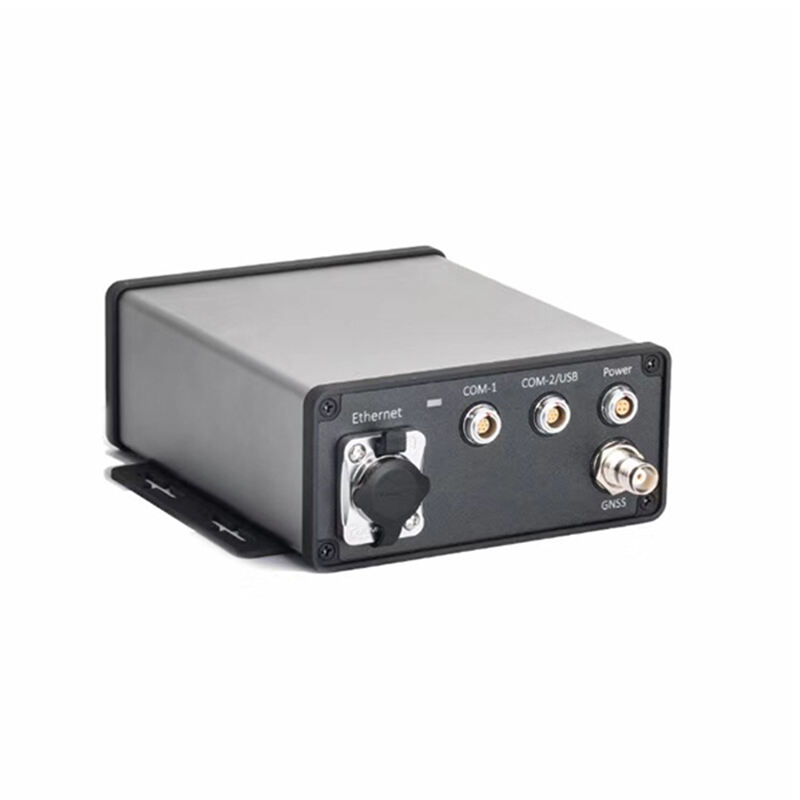
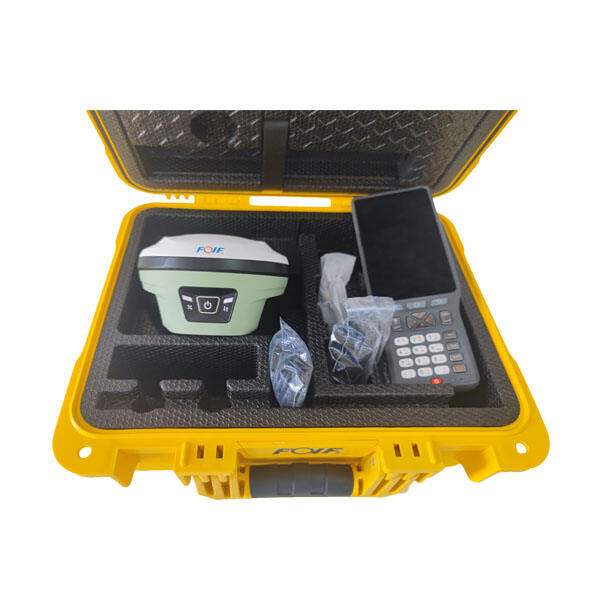
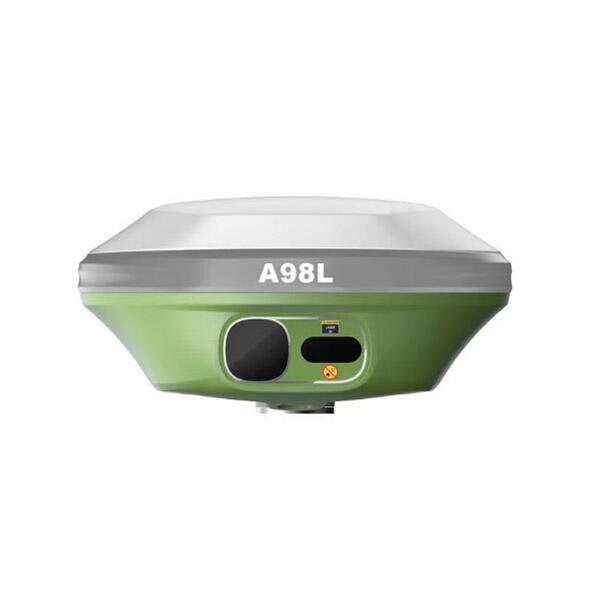
An integrated GNSS system represents a sophisticated positioning technology that combines multiple Global Navigation Satellite Systems into a unified solution. This advanced system merges signals from various satellite networks including GPS, GLONASS, Galileo, and BeiDou to deliver superior positioning accuracy and reliability. The integrated GNSS system functions by simultaneously receiving and processing satellite signals from multiple constellations, creating a robust positioning framework that surpasses single-system limitations. The primary functions of an integrated GNSS system encompass precise location determination, real-time navigation, timing synchronization, and velocity measurement across diverse environments. This technology employs sophisticated algorithms to calculate position coordinates by measuring distances to multiple satellites, ensuring centimeter-level accuracy in optimal conditions. The technological features of integrated GNSS systems include multi-frequency signal processing, advanced error correction algorithms, and adaptive signal filtering capabilities. These systems incorporate cutting-edge receivers capable of tracking numerous satellites simultaneously, providing continuous positioning data even in challenging environments. The integration process involves complex signal fusion techniques that analyze multiple satellite signals to eliminate errors and improve overall positioning precision. Modern integrated GNSS systems feature enhanced sensitivity receivers that can acquire weak satellite signals in urban canyons, forests, and indoor environments where traditional single-system solutions struggle. Applications for integrated GNSS systems span numerous industries including surveying, agriculture, transportation, construction, and maritime navigation. In precision agriculture, these systems enable automated machinery to follow exact paths with minimal overlap, optimizing resource usage and crop yields. Transportation sectors utilize integrated GNSS systems for fleet management, autonomous vehicle navigation, and logistics optimization. Construction and surveying professionals rely on these systems for accurate site mapping, equipment positioning, and infrastructure development projects requiring precise measurements.


New Product Releases

The integrated GNSS system delivers exceptional positioning accuracy that surpasses traditional single-constellation solutions by leveraging multiple satellite networks simultaneously. This enhanced precision stems from increased satellite visibility and improved geometric dilution of precision, resulting in more reliable position calculations. Users experience significantly reduced positioning errors, with accuracy improvements reaching sub-meter levels in standard applications and centimeter precision in specialized deployments. The system maintains consistent performance across various geographical locations and environmental conditions, ensuring reliable operation regardless of terrain or atmospheric interference. Enhanced reliability represents another crucial advantage as the integrated GNSS system provides continuous positioning services even when individual satellite networks experience outages or signal degradation. This redundancy ensures uninterrupted operation for critical applications where positioning accuracy cannot be compromised. The system automatically switches between available satellites, maintaining optimal performance through intelligent signal selection and processing algorithms. Faster signal acquisition distinguishes integrated GNSS systems from conventional alternatives, reducing cold start times and improving overall user experience. The system quickly establishes position fixes by accessing multiple satellite constellations simultaneously, minimizing waiting periods and enhancing operational efficiency. This rapid acquisition capability proves particularly valuable in dynamic environments where quick positioning establishment is essential. Improved coverage in challenging environments represents a significant practical benefit for users operating in urban areas, dense forests, or mountainous regions. The integrated GNSS system maintains positioning capabilities where single-system solutions often fail, providing continuous navigation support in previously problematic locations. This enhanced coverage translates to increased operational flexibility and reduced downtime for professional applications. Cost-effectiveness emerges as users experience improved return on investment through enhanced productivity and reduced operational delays. The system eliminates the need for multiple positioning solutions by providing comprehensive coverage through a single integrated platform. Maintenance costs decrease as users manage fewer systems while benefiting from improved performance and reliability. The integrated GNSS system also offers future-proofing advantages as it adapts to emerging satellite technologies and maintains compatibility with evolving positioning requirements.

Tips And Tricks

How Do RTK GNSS Receivers Maintain Stability in Complex Terrains?

22

Dec

How Do RTK GNSS Receivers Maintain Stability in Complex Terrains?

Navigation accuracy in challenging environments has become a critical requirement across industries ranging from construction and surveying to autonomous vehicles and precision agriculture. RTK GNSS receivers represent the pinnacle of satellite-based...
View More
What Should Buyers Compare When Sourcing RTK GPS Equipment?

13

Jan

What Should Buyers Compare When Sourcing RTK GPS Equipment?

Modern construction, surveying, and agricultural operations increasingly rely on precise positioning technology to achieve millimeter-level accuracy in their work. When sourcing RTK GPS equipment, buyers face numerous technical specifications, featur...
View More
What Should You Evaluate Before Purchasing a Total Station?

13

Jan

What Should You Evaluate Before Purchasing a Total Station?

When investing in surveying equipment, selecting the right total station represents one of the most critical decisions for engineering professionals, construction teams, and surveying companies. A total station serves as the backbone of precise measu...
View More
How Does a Theodolite Compare to Total Stations in Practical Use?

11

Feb

How Does a Theodolite Compare to Total Stations in Practical Use?

Surveying professionals and construction engineers face critical decisions when selecting measurement instruments for their projects. The choice between traditional surveying tools and modern integrated systems can significantly impact project effici...
View More

Get a Free Quote

Our representative will contact you soon.
Email
Name
Company Name
Message
0/1000

integrated gnss system

Multi-Constellation Signal Processing Excellence

Multi-Constellation Signal Processing Excellence

The integrated GNSS system excels through its sophisticated multi-constellation signal processing capabilities, representing a revolutionary advancement in positioning technology. This feature enables simultaneous reception and processing of signals from GPS, GLONASS, Galileo, and BeiDou satellite networks, creating an unprecedented level of positioning accuracy and reliability. The system employs advanced correlators and digital signal processors that can track dozens of satellites simultaneously across different frequency bands, ensuring optimal positioning solutions under varying conditions. This multi-constellation approach dramatically increases the number of visible satellites at any given time, typically providing 20-30 satellite signals compared to 4-12 from single systems. The enhanced satellite visibility directly translates to improved geometric dilution of precision, reducing positioning errors and increasing solution stability. The integrated GNSS system incorporates intelligent signal selection algorithms that continuously evaluate satellite signal quality, automatically prioritizing the strongest and most reliable signals for position calculations. This dynamic selection process ensures optimal performance by filtering out weak or corrupted signals that could degrade positioning accuracy. The system also implements advanced interference mitigation techniques, protecting against signal jamming, spoofing attempts, and electromagnetic interference from nearby electronic devices. Multi-frequency processing capabilities allow the system to utilize L1, L2, and L5 frequency bands simultaneously, enabling advanced error correction techniques such as ionospheric delay compensation. This multi-frequency approach significantly improves positioning accuracy, particularly in challenging atmospheric conditions where single-frequency systems experience degraded performance. The processing architecture incorporates sophisticated Kalman filtering algorithms that continuously refine position estimates by analyzing historical movement patterns and predicting future positions. This predictive capability maintains positioning accuracy during brief signal outages and improves overall solution continuity. The multi-constellation processing excellence ensures reliable operation across global regions, adapting to local satellite availability and optimizing performance for specific geographical areas.
Advanced Real-Time Kinematic Positioning

Advanced Real-Time Kinematic Positioning

The integrated GNSS system incorporates cutting-edge Real-Time Kinematic positioning technology that delivers centimeter-level accuracy for professional applications requiring extreme precision. This advanced feature utilizes carrier phase measurements from multiple satellite constellations to achieve positioning accuracies that exceed traditional code-based solutions by orders of magnitude. The RTK functionality processes carrier wave signals in real-time, comparing measurements between a base station with known coordinates and the mobile receiver to eliminate common errors such as atmospheric delays and satellite clock drift. This differential correction approach enables the integrated GNSS system to achieve horizontal accuracies of 1-2 centimeters and vertical accuracies of 2-3 centimeters under optimal conditions. The system supports both traditional RTK operations using local base stations and modern Network RTK services that utilize correction data from regional reference station networks. This flexibility allows users to choose the most appropriate correction method based on their specific requirements, operational area, and available infrastructure. The integrated GNSS system automatically manages RTK initialization processes, reducing setup complexity and minimizing time-to-fix intervals that traditionally limited RTK adoption. Advanced ambiguity resolution algorithms quickly determine integer carrier cycle counts, establishing precise positioning solutions within minutes rather than the extended periods required by earlier technologies. The system maintains RTK accuracy even during brief communication interruptions through sophisticated prediction algorithms that continue providing high-precision positions using stored correction parameters. Multi-constellation RTK processing significantly improves reliability and reduces initialization times by utilizing additional satellite signals for ambiguity resolution and accuracy validation. The integrated GNSS system incorporates quality control mechanisms that continuously monitor RTK solution integrity, alerting users to potential accuracy degradation and automatically reverting to alternative positioning modes when necessary. This intelligent quality assessment ensures users maintain awareness of positioning accuracy levels, enabling informed decisions for critical applications. The RTK capabilities extend to various operational scenarios including surveying, construction layout, precision agriculture, and infrastructure monitoring, providing professional-grade accuracy across diverse industry applications.
Robust Environmental Adaptability and Signal Resilience

Robust Environmental Adaptability and Signal Resilience

The integrated GNSS system demonstrates exceptional environmental adaptability through its robust signal resilience capabilities, ensuring reliable positioning performance across diverse and challenging operational conditions. This advanced feature incorporates sophisticated signal processing algorithms specifically designed to maintain positioning accuracy in environments where traditional GNSS solutions typically struggle or fail entirely. The system employs multi-path mitigation techniques that identify and eliminate reflected satellite signals that can cause positioning errors in urban environments surrounded by tall buildings, bridges, and metallic structures. These algorithms analyze signal characteristics including amplitude, phase, and correlation patterns to distinguish direct satellite signals from problematic multi-path reflections. The integrated GNSS system also features enhanced sensitivity receivers capable of acquiring and tracking weak satellite signals in partially obstructed environments such as dense forests, mining operations, and indoor locations with skylight access. Advanced signal processing extends operational capabilities into environments with signal-to-noise ratios significantly lower than those required by conventional GNSS receivers. The system incorporates adaptive filtering mechanisms that automatically adjust processing parameters based on detected environmental conditions, optimizing performance for specific operational scenarios. These intelligent adaptations include modified tracking loop bandwidths, correlation intervals, and measurement weighting factors that enhance signal acquisition and tracking in challenging conditions. Environmental adaptability extends to extreme temperature ranges, with the integrated GNSS system maintaining stable performance in conditions ranging from arctic cold to desert heat. Robust hardware design incorporates temperature-compensated oscillators and environmental sealing that protects sensitive components from moisture, dust, and corrosive atmospheres. The system features advanced interference detection and mitigation capabilities that protect against electromagnetic interference from industrial equipment, communication systems, and intentional jamming attempts. These protective measures include adaptive notch filtering, spatial processing techniques, and frequency domain monitoring that identify and suppress interference sources while maintaining positioning capability. Signal resilience capabilities include automatic fallback mechanisms that seamlessly transition between different positioning modes when environmental conditions change, ensuring continuous operation without user intervention. The integrated GNSS system maintains positioning services during challenging conditions through intelligent satellite selection, utilizing the most reliable available signals while filtering out degraded or unreliable sources.

Get a Free Quote

Our representative will contact you soon.
Email
Name
Company Name
Message
0/1000