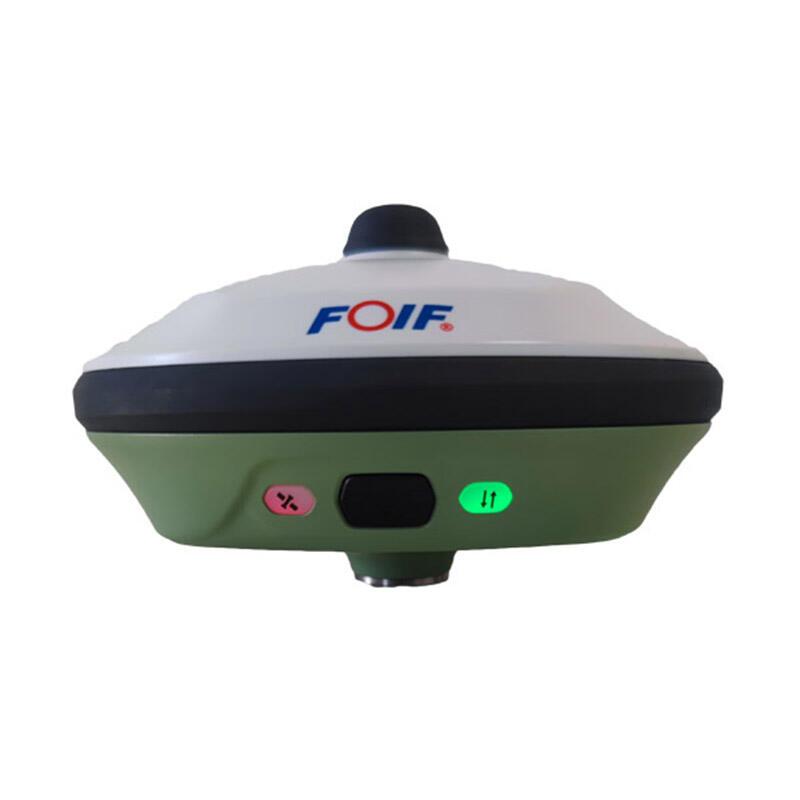
Multi-Frequency GNSS Receiver: Professional Precision Positioning Technology

All Categories

multi-frequency gnss receiver

A multi-frequency gnss receiver represents a sophisticated positioning technology that operates across multiple satellite navigation frequency bands simultaneously. This advanced device captures signals from various Global Navigation Satellite Systems including GPS, GLONASS, Galileo, and BeiDou constellations. The multi-frequency gnss receiver utilizes L1, L2, L5, and other frequency bands to deliver enhanced positioning accuracy and reliability compared to traditional single-frequency receivers. The core functionality revolves around processing multiple signal frequencies from each visible satellite, enabling the receiver to eliminate ionospheric delays and atmospheric interference that typically compromise positioning precision. The multi-frequency gnss receiver incorporates advanced signal processing algorithms that analyze carrier phase measurements and pseudorange data across different frequency bands. This technological approach allows the device to achieve centimeter-level accuracy in real-time kinematic applications. The receiver features robust antenna designs optimized for multi-constellation reception, ensuring consistent signal acquisition even in challenging environments. Modern multi-frequency gnss receiver units integrate sophisticated tracking loops and correlation engines that maintain lock on weak signals while rejecting multipath interference. The device architecture includes high-performance processors capable of handling complex mathematical computations required for precise positioning calculations. Applications span across surveying, construction, agriculture, autonomous vehicles, drone navigation, maritime operations, and scientific research. The multi-frequency gnss receiver serves critical roles in precision farming where accurate field mapping and equipment guidance improve crop yields and reduce operational costs. Construction professionals rely on these receivers for site surveying, machine control, and infrastructure development projects requiring millimeter-level precision. The technology enables autonomous vehicle navigation systems to maintain precise positioning for safe operation in urban and rural environments.


New Products

The multi-frequency gnss receiver delivers superior positioning accuracy that transforms how professionals approach location-dependent tasks. Users experience dramatic improvements in measurement precision, achieving centimeter-level accuracy that surpasses traditional single-frequency systems by significant margins. This enhanced precision translates directly into reduced project timelines and lower operational costs across various industries. The receiver eliminates ionospheric delay errors that plague conventional systems, ensuring consistent performance regardless of atmospheric conditions or time of day. Users benefit from faster convergence times, allowing rapid deployment and immediate productivity gains on job sites. The multi-frequency gnss receiver provides exceptional signal availability by accessing multiple satellite constellations simultaneously, ensuring reliable positioning even in urban canyons, dense forests, or mountainous terrain where single-frequency receivers struggle. This expanded satellite visibility reduces positioning gaps and maintains continuous operation throughout demanding work environments. The device offers enhanced multipath rejection capabilities that minimize signal interference from reflective surfaces like buildings, water bodies, or metal structures. Users experience consistent accuracy in challenging environments where traditional receivers provide unreliable results. The multi-frequency gnss receiver supports advanced correction services including real-time kinematic positioning and precise point positioning, enabling professional-grade applications without expensive base station infrastructure. This flexibility reduces equipment costs while expanding operational capabilities across diverse project requirements. The receiver delivers improved reliability through redundant signal processing, automatically switching between frequency bands to maintain optimal performance when individual signals become compromised. Users enjoy uninterrupted workflow continuity that maximizes productivity and project success rates. The technology provides future-proof compatibility with emerging satellite systems and modernized signals, protecting equipment investments while ensuring long-term operational viability. The multi-frequency gnss receiver supports seamless integration with existing surveying instruments, construction equipment, and agricultural machinery, facilitating smooth technology adoption without extensive system overhauls.

Practical Tips

Choosing the Best GNSS RTK System for Your Project

27

Nov

Choosing the Best GNSS RTK System for Your Project

When precision positioning is critical for your surveying, construction, or engineering project, selecting the right GNSS RTK system becomes a pivotal decision that can determine project success. Modern surveying demands centimeter-level accuracy, re...
View More
GNSS RTK vs. Traditional Surveying: What’s the Difference?

27

Nov

GNSS RTK vs. Traditional Surveying: What’s the Difference?

Modern surveying has undergone a revolutionary transformation with the introduction of Global Navigation Satellite Systems (GNSS) technology, particularly Real-Time Kinematic (RTK) positioning. While traditional surveying methods have served the cons...
View More
How Can a Digital Level Boost Efficiency in Surveying Tasks?

11

Feb

How Can a Digital Level Boost Efficiency in Surveying Tasks?

Modern surveying operations demand precision, speed, and reliability to meet tight project deadlines while maintaining accuracy standards. Traditional surveying methods, while foundational, often fall short of the efficiency requirements in today's f...
View More
Why Are Digital Levels Preferred Over Traditional Bubble Levels?

11

Feb

Why Are Digital Levels Preferred Over Traditional Bubble Levels?

The construction and engineering industries have witnessed a significant transformation in measurement tools over the past decade. Among these advancements, digital levels have emerged as the preferred choice for professionals who demand precision, e...
View More

Get a Free Quote

Our representative will contact you soon.
Email
Name
Company Name
Message
0/1000

multi-frequency gnss receiver

Unmatched Positioning Precision Through Advanced Multi-Band Technology

Unmatched Positioning Precision Through Advanced Multi-Band Technology

The multi-frequency gnss receiver revolutionizes positioning accuracy by simultaneously processing signals across multiple frequency bands from various satellite constellations. This sophisticated approach enables the device to eliminate ionospheric delays that significantly impact single-frequency receivers, delivering centimeter-level precision that transforms professional applications. The receiver processes L1, L2, L5, and additional frequency bands from GPS, GLONASS, Galileo, and BeiDou systems, creating a comprehensive positioning solution that adapts to changing atmospheric conditions throughout the day. Users benefit from consistent accuracy regardless of solar activity or ionospheric disturbances that traditionally compromise positioning reliability. The multi-frequency gnss receiver employs advanced carrier phase processing algorithms that analyze signal characteristics across different frequency bands, enabling precise distance calculations to each visible satellite. This mathematical approach eliminates measurement errors that accumulate in single-frequency systems, providing reliable positioning data for critical applications. The technology particularly excels in real-time kinematic applications where immediate centimeter-level accuracy is essential for surveying, construction layout, and precision agriculture operations. The receiver maintains this exceptional precision across extended operational periods, ensuring consistent performance throughout long surveying sessions or continuous monitoring applications. Professional users experience dramatic productivity improvements as the enhanced accuracy reduces measurement verification requirements and eliminates costly resurveying activities. The multi-frequency gnss receiver enables single-person surveying operations that previously required multiple operators, reducing labor costs while maintaining superior measurement quality. Construction professionals achieve precise equipment guidance that minimizes material waste and ensures structural accuracy, directly impacting project profitability and completion timelines.
Superior Signal Availability and Reliability in Challenging Environments

Superior Signal Availability and Reliability in Challenging Environments

The multi-frequency gnss receiver demonstrates exceptional performance in demanding environments where traditional positioning systems fail to deliver reliable results. By accessing multiple satellite constellations simultaneously, the device maintains consistent signal availability even in urban canyons, dense forest canopies, or mountainous terrain that blocks significant portions of the sky. This expanded satellite visibility ensures continuous positioning capability throughout challenging work environments where single-frequency receivers experience frequent signal loss. The multi-frequency gnss receiver incorporates sophisticated antenna designs and signal processing techniques that maximize weak signal acquisition while maintaining lock on satellites near the horizon. Users experience uninterrupted positioning services in locations previously considered unsuitable for precise GNSS applications. The receiver employs advanced multipath rejection algorithms that identify and eliminate reflected signals from buildings, water surfaces, and metallic structures that typically degrade positioning accuracy. This capability enables reliable operation in urban construction sites, near large infrastructure projects, and in industrial facilities where signal reflections create measurement errors. The multi-frequency gnss receiver maintains operational capability during adverse weather conditions that affect single-frequency systems, ensuring project continuity regardless of atmospheric disturbances. The device automatically adapts to changing signal conditions, seamlessly switching between available satellites and frequency bands to maintain optimal positioning performance. Users benefit from reduced downtime and increased productivity as the receiver continues operating when conventional systems become unreliable. The technology provides consistent performance across global regions, adapting to local satellite constellation availability and atmospheric characteristics that vary by geographic location. Professional applications requiring continuous monitoring, such as structural deformation analysis or precision agriculture guidance, rely on this exceptional reliability to maintain operational integrity and data quality throughout extended deployment periods.
Cost-Effective Professional Performance Without Infrastructure Dependencies

Cost-Effective Professional Performance Without Infrastructure Dependencies

The multi-frequency gnss receiver delivers professional-grade positioning capabilities without requiring expensive base station infrastructure or ongoing correction service subscriptions. This standalone capability transforms how organizations approach precision positioning by eliminating traditional barriers to adopting advanced GNSS technology. The receiver supports precise point positioning techniques that achieve professional accuracy using freely available satellite correction signals, reducing operational costs while maintaining measurement quality standards. Users avoid expensive base station purchases, installation complexities, and ongoing maintenance requirements that typically accompany high-precision positioning systems. The multi-frequency gnss receiver enables rapid deployment across multiple project sites without pre-established infrastructure, providing immediate operational capability wherever satellite signals are available. This flexibility particularly benefits construction companies, surveying firms, and agricultural operations that work across diverse geographic regions where establishing fixed reference stations is impractical or cost-prohibitive. The device integrates seamlessly with existing equipment and software platforms, minimizing training requirements and technology adoption costs for professional users. The multi-frequency gnss receiver supports various output formats and communication protocols that ensure compatibility with established workflows and data management systems. Organizations experience reduced total cost of ownership through eliminated base station expenses, decreased equipment transportation requirements, and simplified field operations that require fewer personnel. The receiver provides scalable solutions that grow with business needs, supporting single-operator precision surveying through large-scale construction projects without proportional infrastructure investments. Professional users benefit from immediate return on investment as the enhanced accuracy reduces project timelines, minimizes measurement errors, and eliminates costly resurveying activities. The multi-frequency gnss receiver enables small organizations to access professional-grade positioning capabilities previously available only to large enterprises with substantial infrastructure budgets, democratizing precision positioning technology across diverse market segments.

Get a Free Quote

Our representative will contact you soon.
Email
Name
Company Name
Message
0/1000