
 EN
EN

Selecting the right RTK system represents one of the most critical decisions in modern surveying and construction projects. Engineers must navigate through numerous technical specifications, accuracy requirements, and operational considerations to ensure their chosen RTK system delivers reliable centimeter-level positioning accuracy. The complexity of RTK technology demands careful evaluation of multiple factors that directly impact project success and operational efficiency.
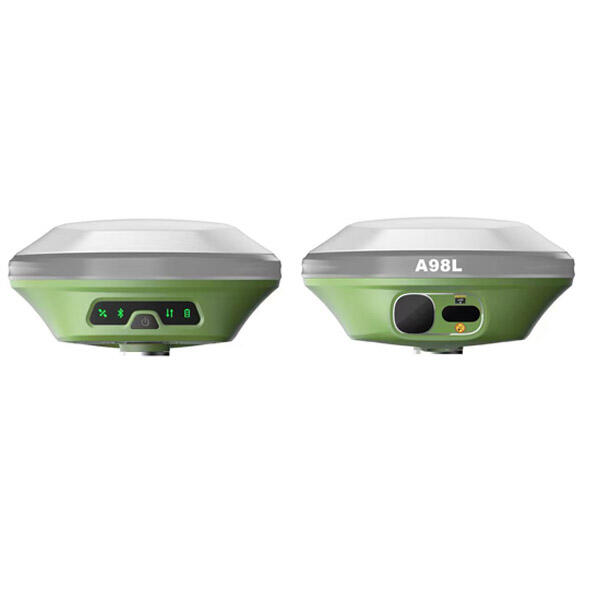
The evolution of Real-Time Kinematic positioning has transformed surveying workflows across industries, from construction and mining to precision agriculture and autonomous vehicle navigation. Understanding the fundamental requirements and evaluation criteria becomes essential for engineers seeking to maximize their investment while achieving precise positioning objectives. This comprehensive analysis explores the key considerations that determine RTK system performance and suitability for specific applications.
Technical Accuracy and Precision Requirements
Understanding RTK Accuracy Specifications
RTK system accuracy specifications form the foundation of any selection decision. Engineers must distinguish between horizontal and vertical accuracy ratings, understanding that manufacturers often provide best-case scenarios under ideal conditions. Real-world performance typically varies based on environmental factors, satellite constellation availability, and baseline distances from reference stations. Professional-grade RTK systems commonly achieve horizontal accuracies of 1-2 centimeters and vertical accuracies of 2-3 centimeters under optimal conditions.
The distinction between precision and accuracy becomes crucial when evaluating RTK system capabilities. Precision refers to the repeatability of measurements, while accuracy indicates how close measurements are to true values. High-quality RTK systems must demonstrate both consistent precision and reliable accuracy across varying operational conditions. Engineers should examine manufacturer specifications for both static and kinematic modes, understanding that moving applications typically show slightly reduced accuracy compared to stationary measurements.
Signal Processing and Constellation Support
Modern RTK system performance depends heavily on multi-constellation GNSS support and advanced signal processing algorithms. Systems supporting GPS, GLONASS, Galileo, and BeiDou constellations provide enhanced reliability and faster initialization times compared to single-constellation receivers. The ability to track multiple frequency bands improves performance in challenging environments with partial sky visibility or electromagnetic interference.
Signal processing capabilities directly impact RTK system robustness in difficult conditions. Advanced algorithms for multipath mitigation, interference rejection, and cycle slip detection ensure consistent performance across diverse operational environments. Engineers should evaluate how different systems handle signal obstructions, urban canyons, and areas with high electromagnetic activity that commonly challenge GNSS reception.
Environmental and Operational Factors
Range and Coverage Considerations
The operational range of an RTK system significantly influences project feasibility and workflow efficiency. Traditional radio-based RTK systems typically operate within 10-15 kilometers of base stations while maintaining centimeter-level accuracy. Network RTK solutions extend coverage through cellular or internet connections but introduce dependencies on communication infrastructure that may not be available in remote locations.
Engineers must assess coverage requirements against available infrastructure when selecting an RTK system. Projects in remote areas may require self-contained solutions with base station capabilities, while urban applications might benefit from network RTK services offering broader coverage without additional equipment deployment. Understanding the relationship between baseline distance and accuracy degradation helps determine optimal system configurations for specific project requirements.
Environmental Resilience and Durability
Field conditions impose demanding requirements on RTK system hardware and electronics. Professional surveying equipment must withstand extreme temperatures, moisture, dust, and mechanical shock while maintaining measurement accuracy. IP67 or IP68 environmental ratings indicate suitable protection for most field applications, but engineers should consider specific environmental challenges their projects may encounter.
Battery life and power management become critical factors for extended field operations. RTK system power consumption varies significantly between manufacturers and models, directly impacting operational duration and productivity. Systems with intelligent power management, sleep modes, and efficient processors enable longer field sessions while maintaining consistent performance throughout the working day.
Communication and Integration Capabilities
Data Communication Methods
RTK system communication capabilities determine operational flexibility and integration potential with existing workflows. Radio communication remains popular for short-range applications, offering independence from cellular networks but requiring clear line-of-sight between base and rover units. Cellular modems provide extended range and eliminate line-of-sight requirements but depend on network coverage and may incur ongoing data costs.
Modern RTK systems increasingly support multiple communication methods within single units, allowing engineers to select optimal connectivity based on specific field conditions. WiFi capabilities enable high-speed data transfer and configuration updates, while Bluetooth connections facilitate integration with mobile devices and field computers. The ability to switch between communication methods ensures continuous operation across diverse environments and project requirements.
Software Integration and Data Formats
Seamless integration with existing software ecosystems requires careful evaluation of data formats and compatibility standards. Professional RTK system solutions should support industry-standard data formats including RINEX for post-processing and real-time streaming protocols for live data integration. Compatibility with major CAD and GIS software packages eliminates data conversion steps and reduces potential errors in survey workflows.
Application programming interfaces and software development kits enable custom integration scenarios for specialized applications. Engineers working on automated systems or custom software solutions require RTK systems with comprehensive programming interfaces and documentation. Open communication protocols and standardized commands facilitate integration with third-party hardware and software components.
Hardware Design and User Interface
Ergonomics and Field Usability
Field productivity depends significantly on RTK system ergonomics and user interface design. Lightweight yet durable construction reduces operator fatigue during extended surveying sessions while maintaining equipment stability and measurement accuracy. Well-designed antenna and receiver units balance portability with performance, ensuring consistent GNSS signal reception without compromising field mobility.
Display readability under various lighting conditions affects operational efficiency and measurement accuracy. High-contrast screens with adjustable brightness enable clear visibility in direct sunlight and low-light conditions common in field environments. Intuitive menu structures and logical control layouts minimize training requirements and reduce operational errors during critical measurements.
Modular Design and Expandability
Modular RTK system architectures provide flexibility for diverse applications and future expansion requirements. Systems supporting interchangeable antennas, communication modules, and accessories adapt to changing project needs without requiring complete equipment replacement. This modularity extends equipment lifecycle value and enables cost-effective upgrades as technology advances.
Expansion capabilities should align with potential application growth and technological evolution. RTK systems with firmware update capabilities maintain compatibility with emerging GNSS signals and correction services throughout their operational lifetime. Hardware expansion ports and software extensibility ensure continued relevance as surveying requirements evolve and new applications emerge.
Cost Analysis and Return on Investment
Total Cost of Ownership
RTK system acquisition costs represent only one component of total ownership expenses over equipment lifetime. Engineers must consider ongoing costs including software licenses, correction service subscriptions, maintenance, and calibration requirements when evaluating different systems. Network RTK services may involve monthly or annual subscription fees that accumulate significantly over multi-year project timelines.
Training and support costs impact overall RTK system value, particularly for organizations transitioning from traditional surveying methods. Systems with comprehensive documentation, training programs, and responsive technical support reduce implementation challenges and accelerate productivity gains. Standardized operation procedures and familiar interfaces minimize learning curves for experienced survey professionals.
Productivity and Efficiency Gains
RTK system productivity benefits extend beyond measurement accuracy to include workflow efficiency and project timeline reductions. Rapid initialization times and real-time position feedback eliminate traditional surveying delays associated with setup and post-processing activities. The ability to achieve centimeter accuracy without static observation periods significantly reduces field time requirements for most surveying applications.
Quality assurance and error reduction capabilities of professional RTK systems minimize costly rework and project delays. Real-time accuracy indicators and automated quality checks alert operators to potential measurement issues before they impact project outcomes. This immediate feedback capability enables proactive quality management and maintains high standards throughout surveying operations.
Support and Service Considerations
Technical Support and Training
Comprehensive technical support becomes essential for maximizing RTK system performance and minimizing operational disruptions. Manufacturers providing responsive support channels, detailed documentation, and regular firmware updates ensure continued system reliability and performance optimization. Local support availability reduces response times and provides culturally appropriate assistance for international projects.
Training programs and educational resources accelerate RTK system adoption and improve operational proficiency. Structured training covering both theoretical concepts and practical applications enables survey teams to fully utilize system capabilities while avoiding common operational errors. Online resources, video tutorials, and hands-on workshops provide flexible learning options accommodating diverse scheduling requirements.
Warranty and Service Programs
RTK system warranty terms and service programs protect equipment investments while ensuring continued operational availability. Comprehensive warranties covering both hardware and software components provide peace of mind for significant equipment investments. Extended warranty options and service contracts enable predictable maintenance budgeting over multi-year periods.
Service program availability and response times directly impact project continuity when equipment issues arise. Manufacturers with global service networks and expedited repair programs minimize downtime and maintain project schedules. Loaner equipment programs and rapid exchange services provide additional protection against unexpected equipment failures during critical project phases.
FAQ
What accuracy can engineers expect from modern RTK systems?
Modern professional RTK systems typically achieve horizontal accuracies of 1-2 centimeters and vertical accuracies of 2-3 centimeters under optimal conditions. Real-world performance varies based on factors including satellite constellation availability, baseline distances, environmental conditions, and atmospheric interference. Multi-constellation systems supporting GPS, GLONASS, Galileo, and BeiDou generally provide more consistent accuracy across diverse conditions compared to single-constellation receivers.
How does baseline distance affect RTK system performance?
Baseline distance between RTK base and rover stations directly impacts positioning accuracy and initialization reliability. Most RTK systems maintain centimeter-level accuracy within 10-15 kilometers of base stations, with accuracy gradually degrading at longer distances due to atmospheric effects and orbital errors. Network RTK solutions mitigate distance limitations through multiple reference stations but require reliable communication infrastructure for optimal performance.
What communication options work best for different applications?
Communication method selection depends on operational range, infrastructure availability, and cost considerations. Radio communication provides reliable short-range connectivity without ongoing costs but requires line-of-sight between base and rover units. Cellular modems offer extended range and eliminate line-of-sight requirements but depend on network coverage and may involve subscription fees. Many modern RTK systems support multiple communication methods, enabling optimal selection based on specific project requirements.
How important is multi-constellation GNSS support?
Multi-constellation GNSS support significantly improves RTK system reliability, initialization speed, and performance in challenging environments. Systems tracking GPS, GLONASS, Galileo, and BeiDou constellations provide more visible satellites and better geometry compared to single-constellation receivers. This enhanced satellite availability reduces initialization times, improves accuracy consistency, and maintains positioning capability in areas with partial sky visibility such as urban canyons or forested environments.