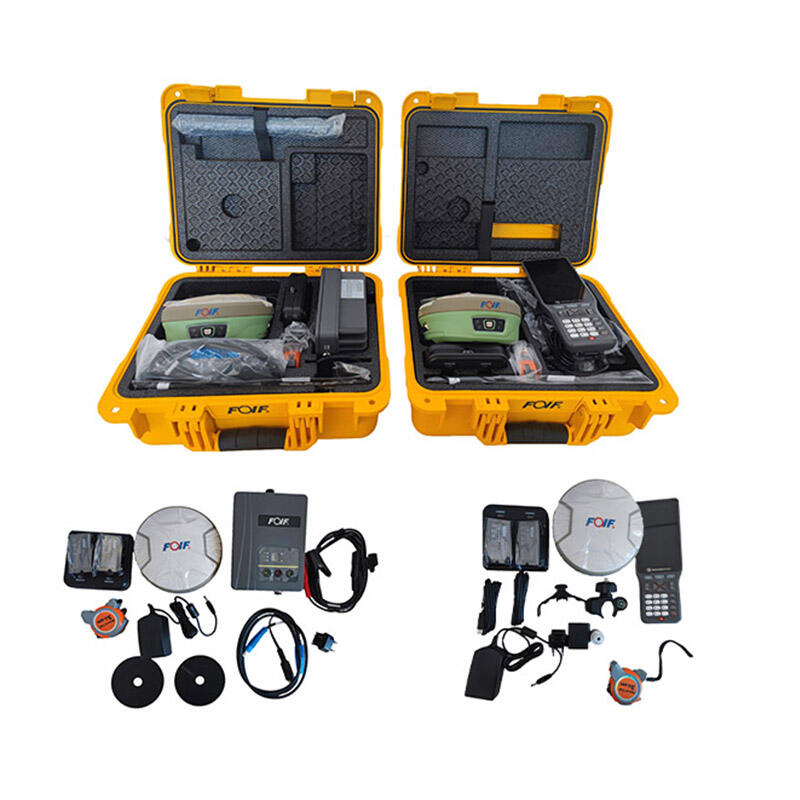
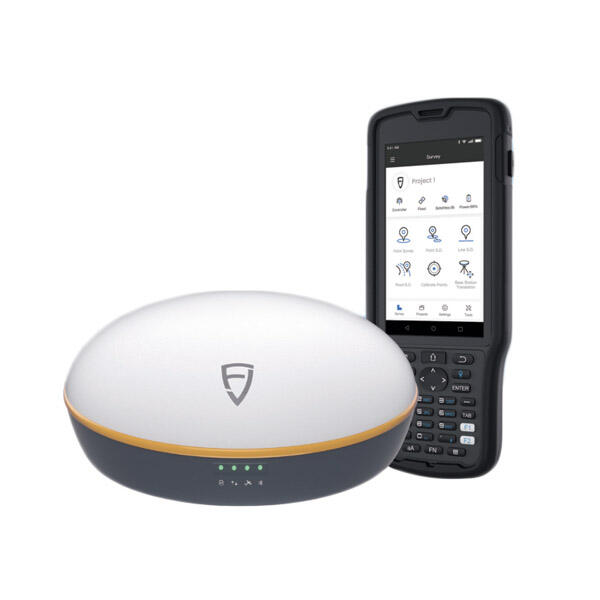
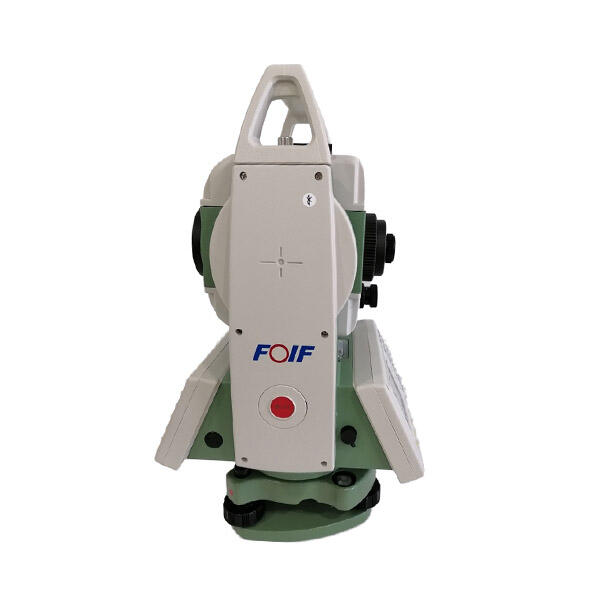
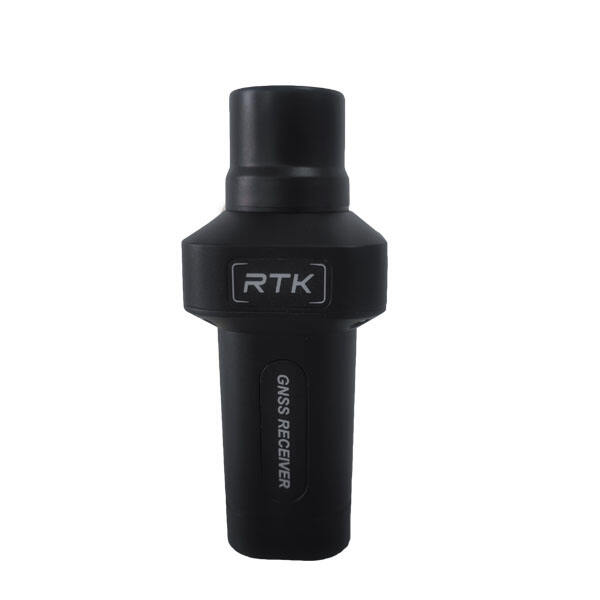
dual frequency gnss
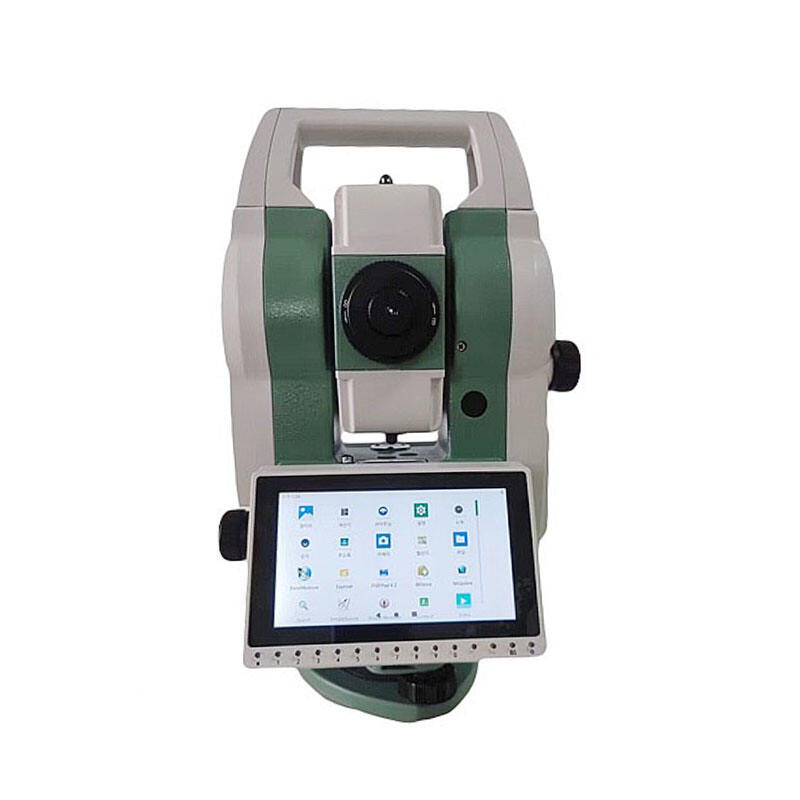
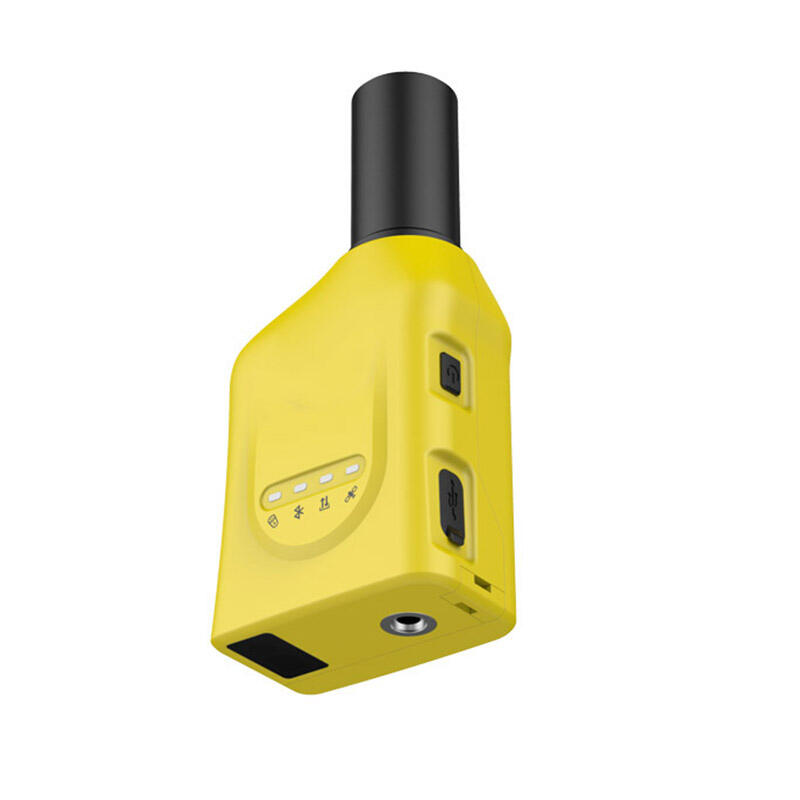
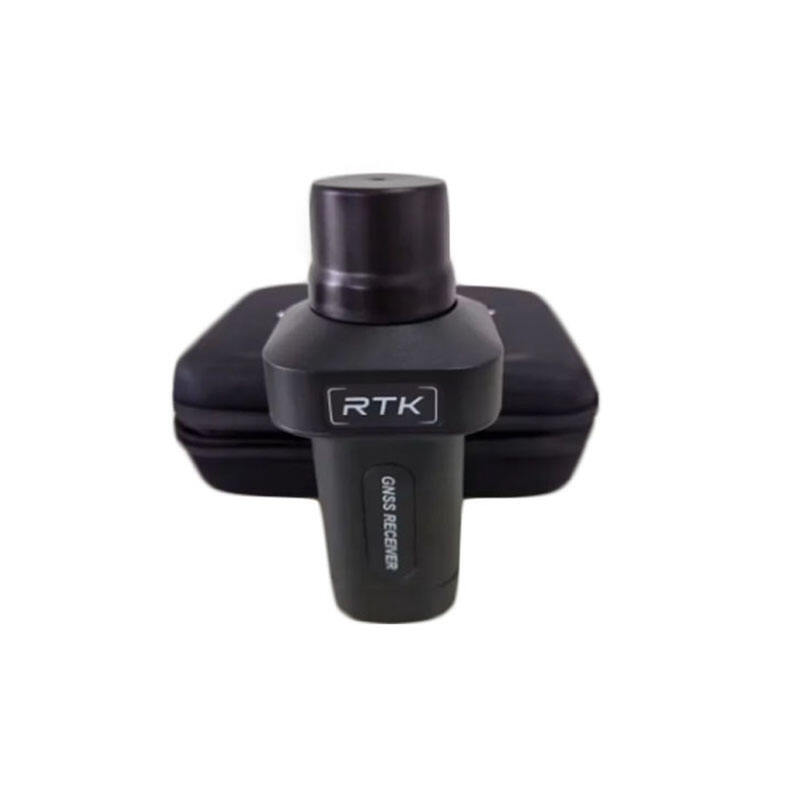
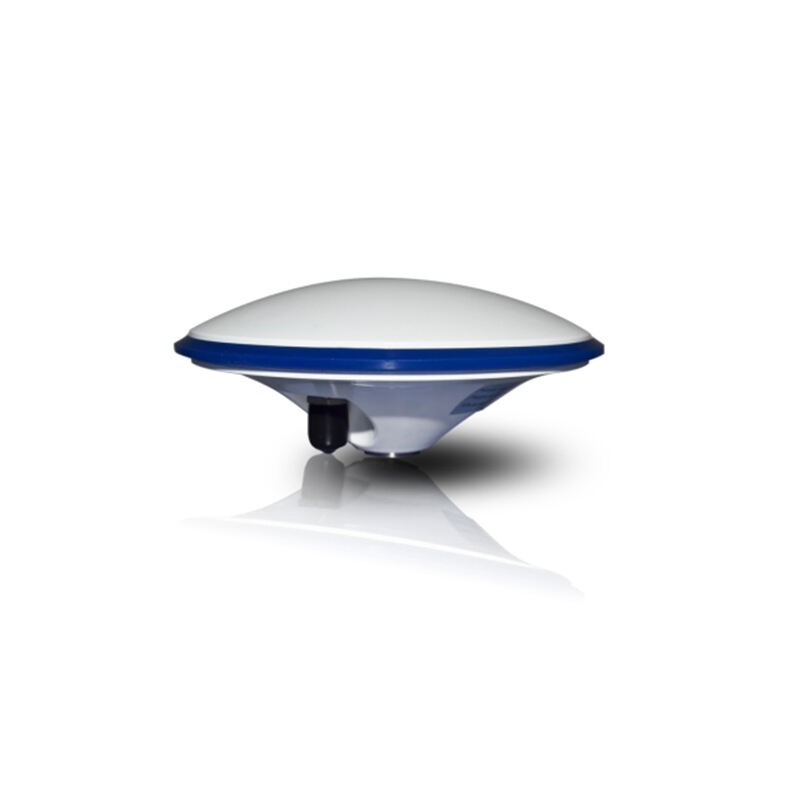
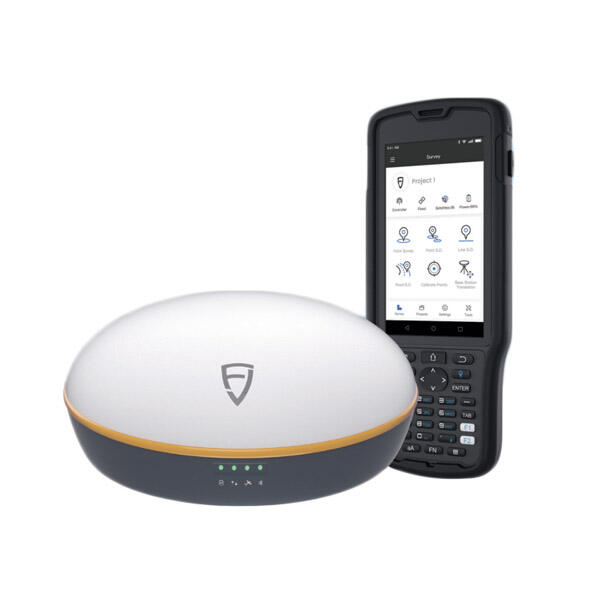
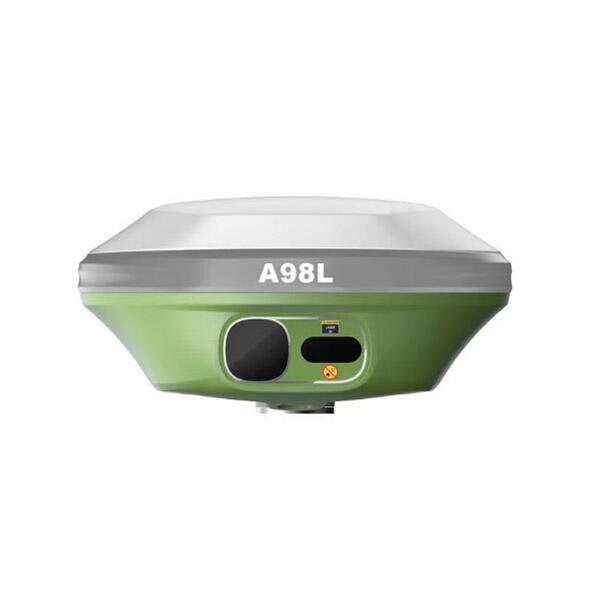
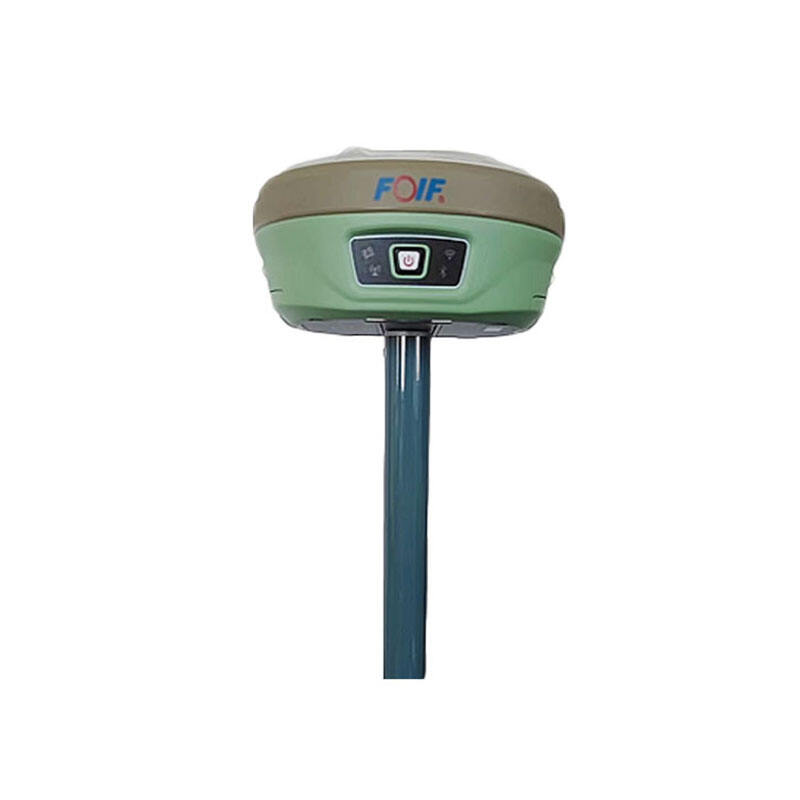
Dual frequency GNSS represents a revolutionary advancement in satellite navigation technology that operates on two distinct frequency bands simultaneously. This sophisticated positioning system utilizes signals from multiple satellite constellations including GPS, GLONASS, Galileo, and BeiDou to deliver exceptional accuracy and reliability. The dual frequency GNSS technology works by receiving signals on both L1 and L5 frequencies, allowing the system to calculate and correct for ionospheric delays that typically affect single-frequency receivers. The main functions of dual frequency GNSS include precise positioning, navigation timing, and real-time kinematic surveying capabilities. The system provides centimeter-level accuracy in optimal conditions, making it invaluable for professional applications requiring high precision. Technological features of dual frequency GNSS encompass advanced signal processing algorithms, multi-constellation support, and sophisticated error correction mechanisms. The receiver can track more satellites simultaneously, ensuring better position dilution of precision and improved signal availability in challenging environments. Key applications span across surveying and mapping, autonomous vehicle navigation, precision agriculture, construction site management, and marine operations. The technology proves essential for drone operations, robotics applications, and any scenario where standard GPS accuracy proves insufficient. Additionally, dual frequency GNSS systems offer faster convergence times and enhanced performance in urban canyons where signal reflection commonly occurs. The ability to process multiple frequency bands enables the system to distinguish between direct and reflected signals, significantly reducing multipath errors. This makes dual frequency GNSS particularly valuable for applications in dense urban environments, under tree canopies, or near large structures where traditional single-frequency systems struggle to maintain accuracy.

 EN
EN