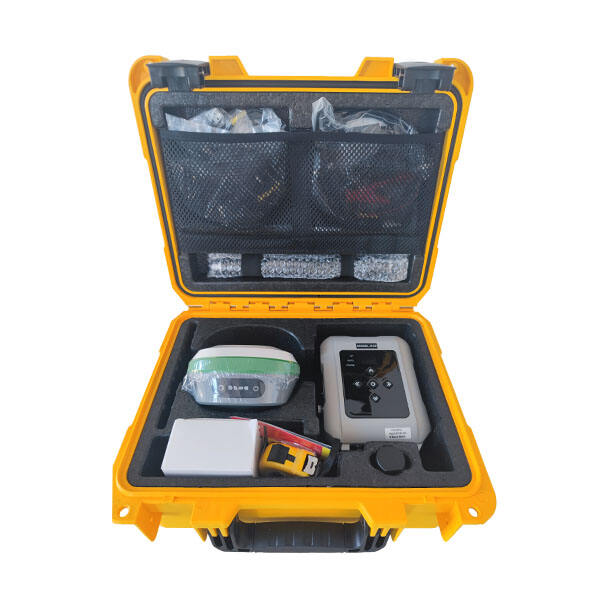
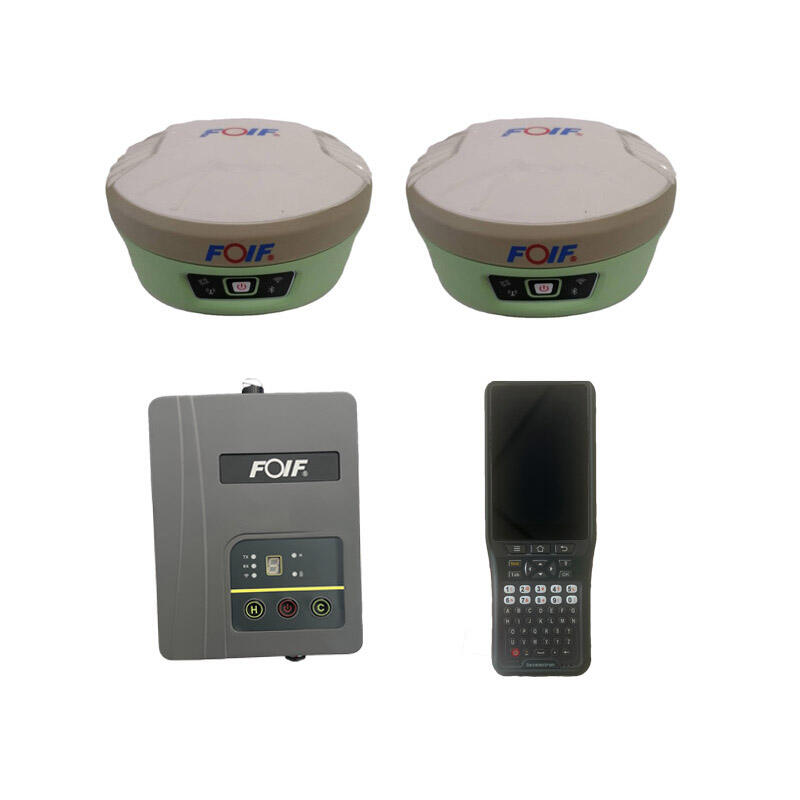
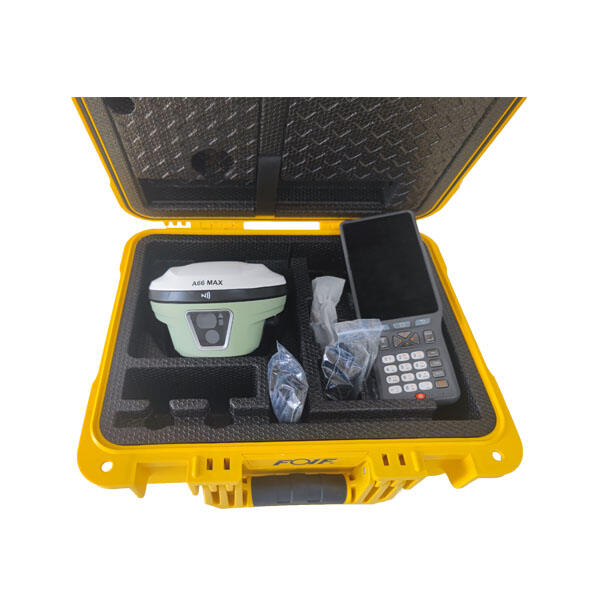
rtk rover
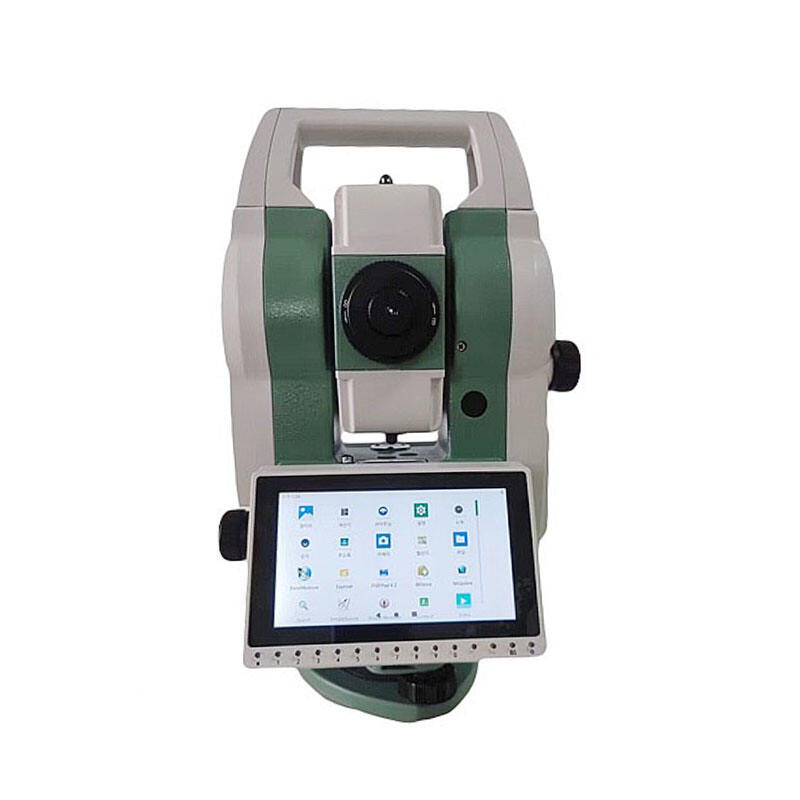
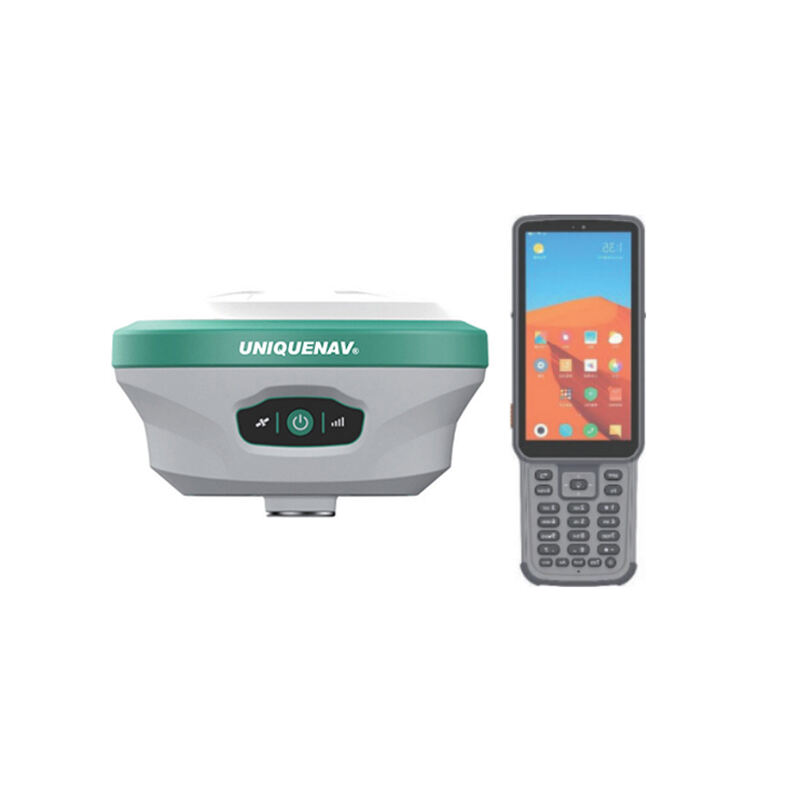
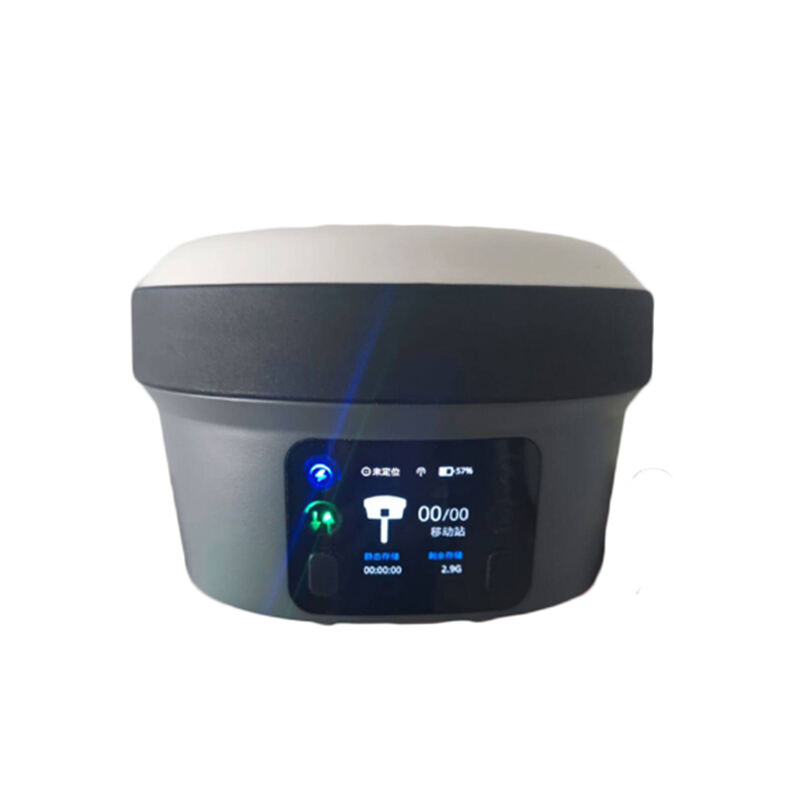
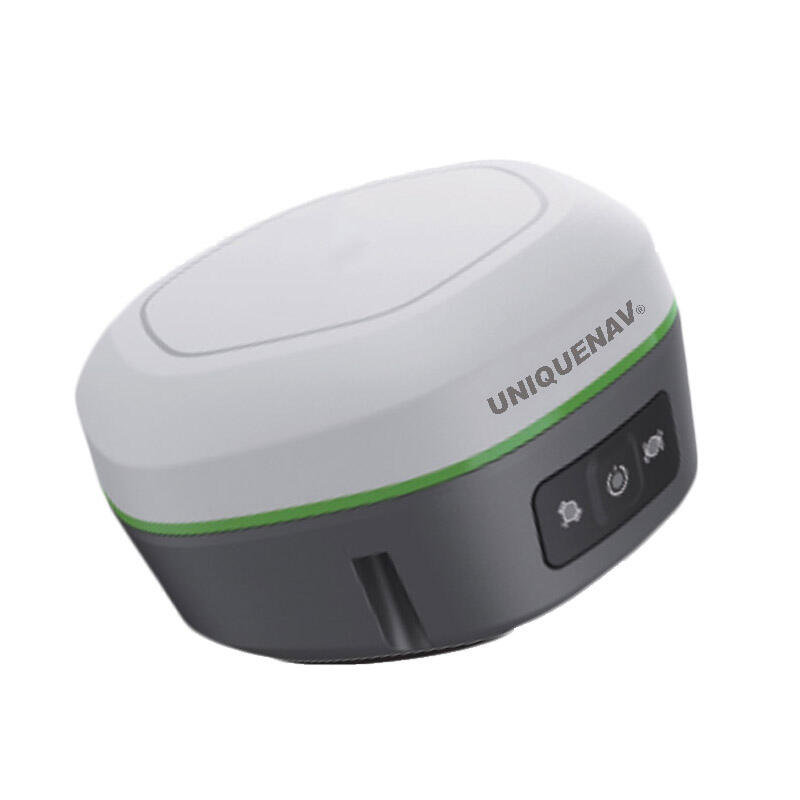
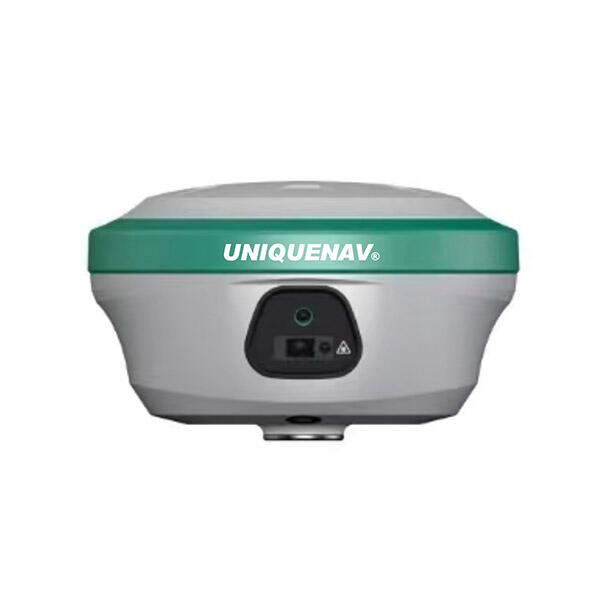
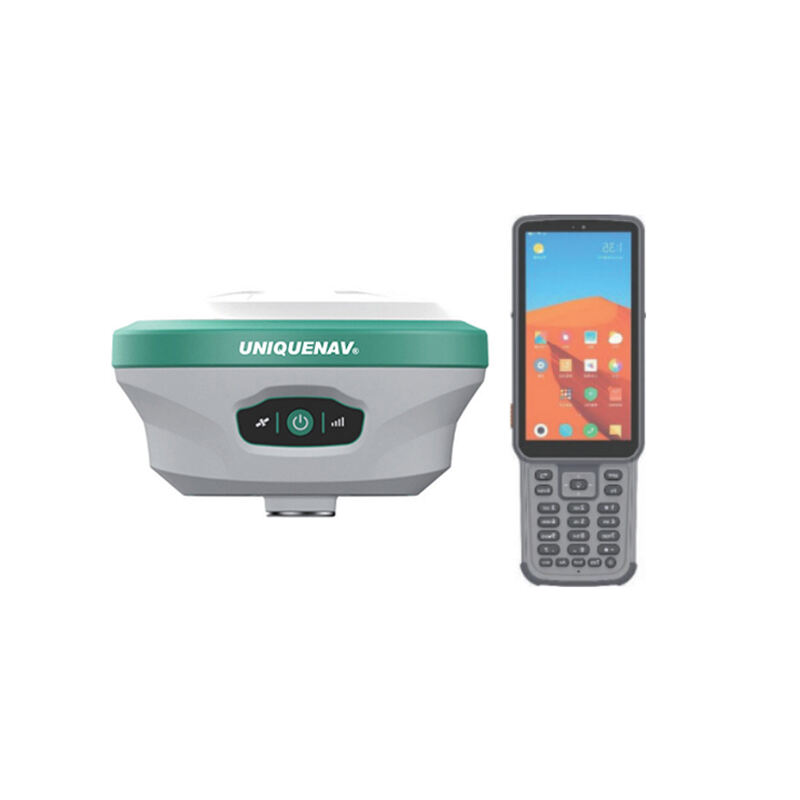
The RTK rover represents a revolutionary advancement in precision positioning technology, transforming how professionals approach surveying, mapping, and navigation tasks. This sophisticated device utilizes Real-Time Kinematic satellite navigation technology to deliver centimeter-level accuracy positioning data in real-time applications. The RTK rover system consists of a portable receiver unit that communicates with base stations or correction services to eliminate satellite signal errors and atmospheric interference. Modern RTK rover units integrate multiple satellite constellation capabilities, including GPS, GLONASS, Galileo, and BeiDou systems, ensuring consistent signal availability across diverse geographical locations. The device features advanced signal processing algorithms that continuously calculate precise position coordinates by comparing satellite signals with reference data from known locations. Built-in wireless connectivity enables seamless data transmission to mobile devices, tablets, or cloud-based platforms for immediate analysis and project management. Professional-grade RTK rover systems incorporate ruggedized housing designs that withstand harsh environmental conditions, including extreme temperatures, moisture, dust, and impact damage. Battery life optimization ensures extended field operation periods, typically ranging from eight to twelve hours of continuous usage. The RTK rover maintains accuracy levels within one to three centimeters horizontally and two to five centimeters vertically under optimal conditions. Advanced user interfaces provide intuitive operation controls, allowing field technicians to configure settings, monitor signal quality, and manage data collection workflows efficiently. Integration capabilities extend to various software platforms, enabling direct compatibility with popular surveying, engineering, and GIS applications. The RTK rover supports multiple data formats and coordinate systems, facilitating seamless integration with existing project workflows and legacy systems.

 EN
EN