DGPS System: Advanced GPS Technology for Precision Positioning and Navigation Solutions

All Categories

dgps system

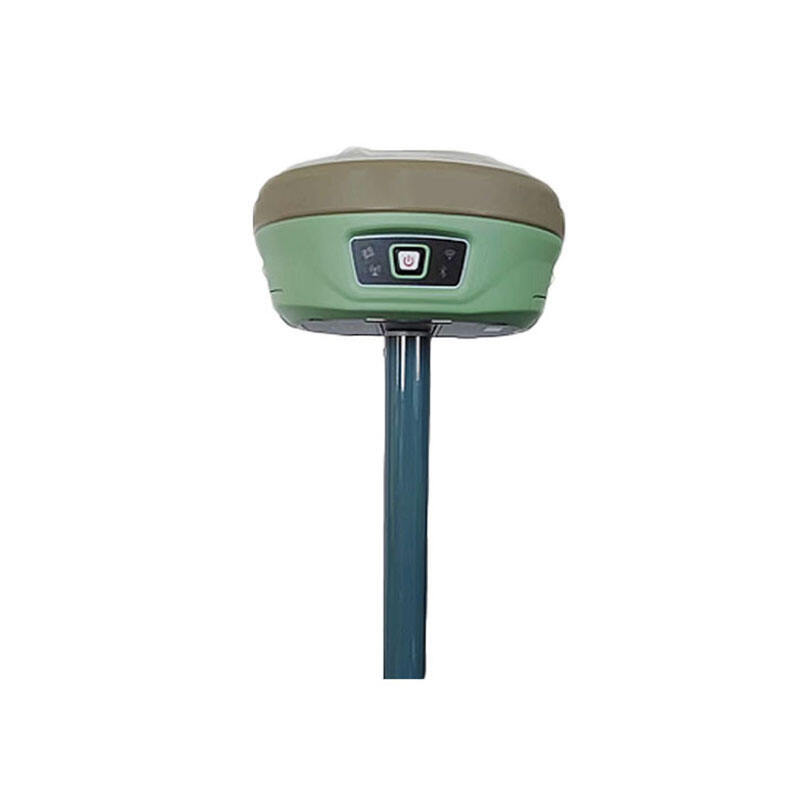
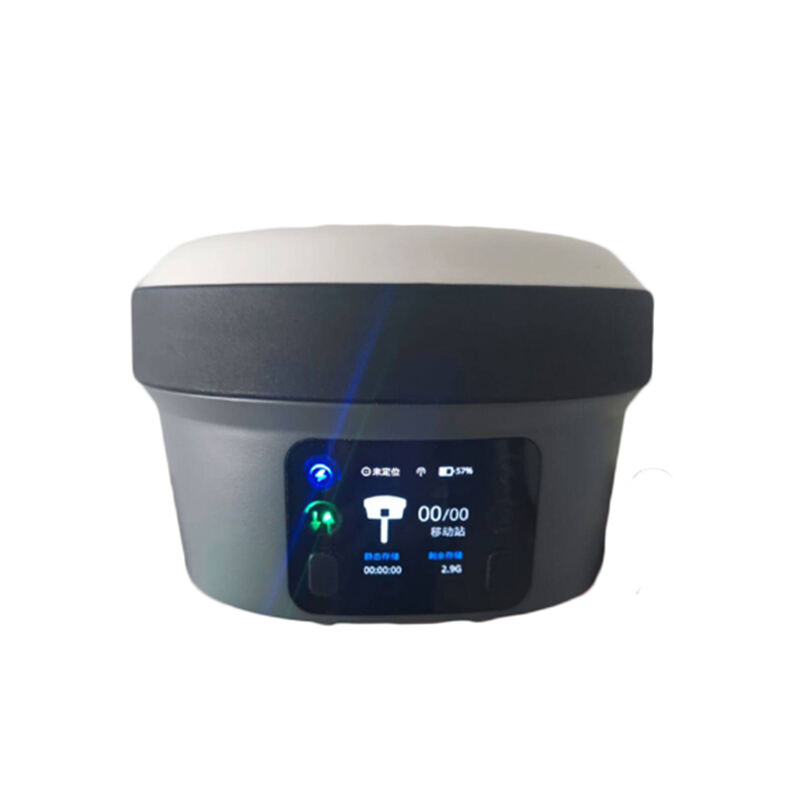
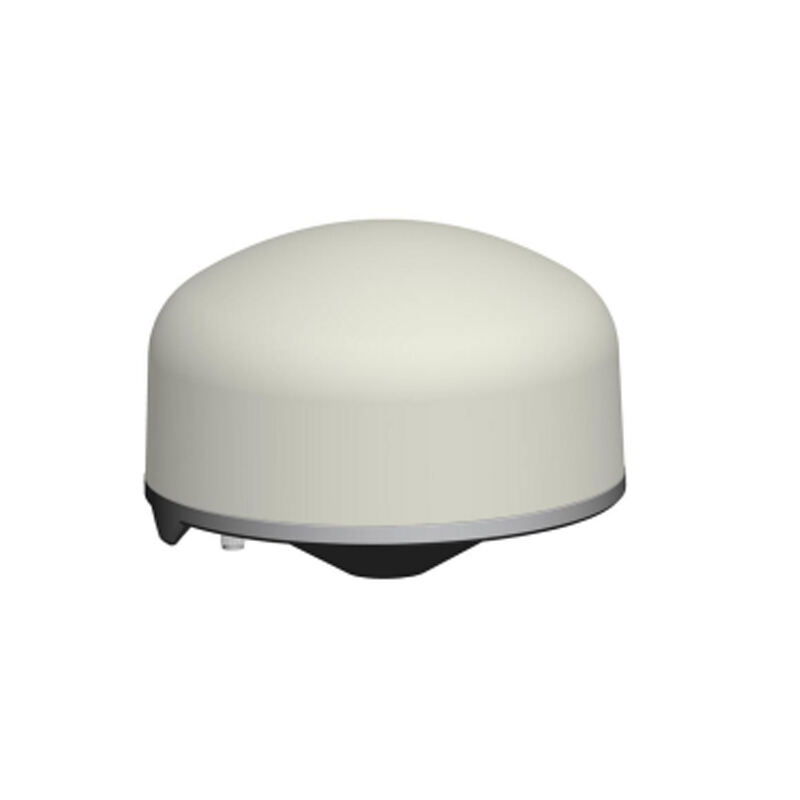
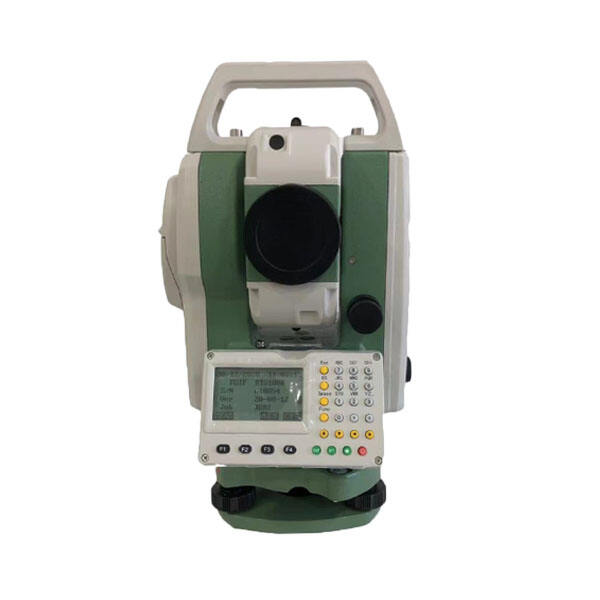
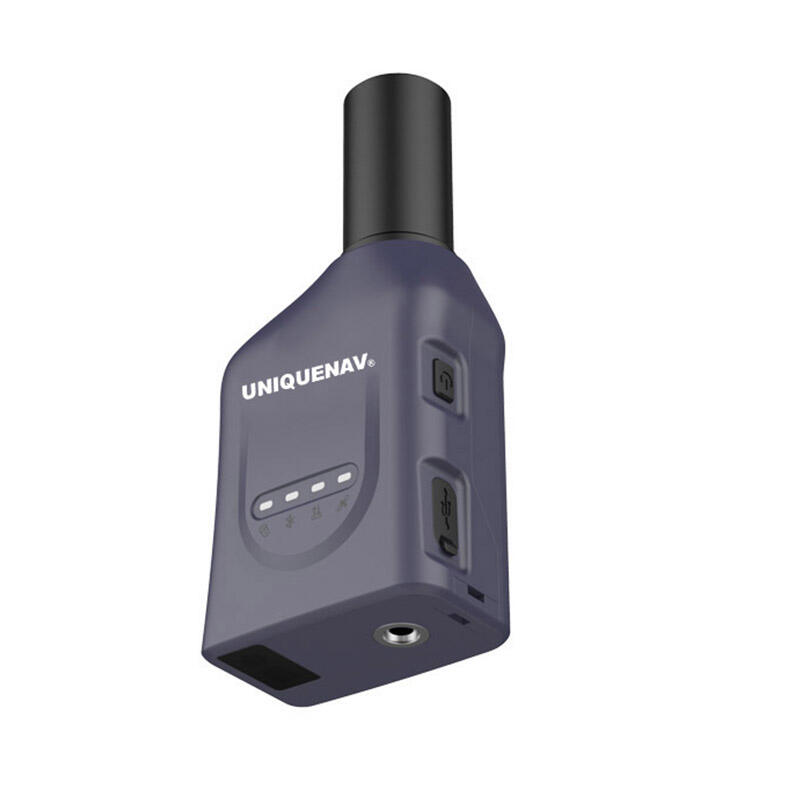
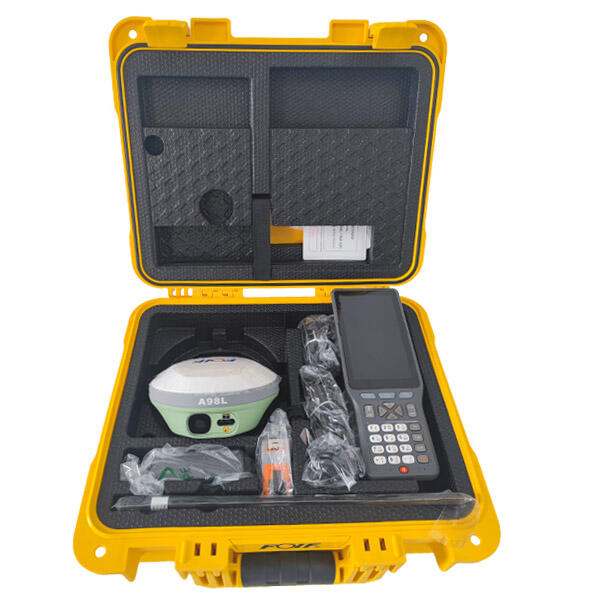
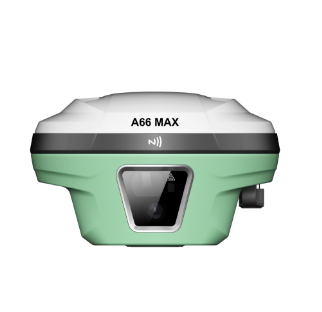
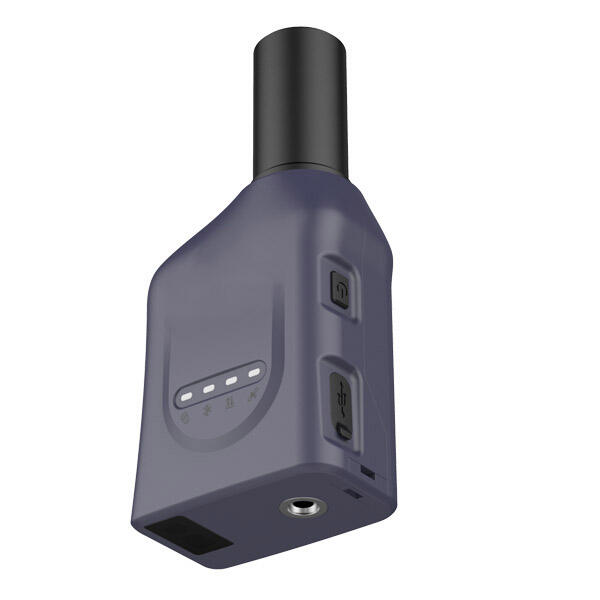
The DGPS system, or Differential Global Positioning System, represents a significant advancement in satellite-based navigation technology that addresses the inherent limitations of standard GPS. This sophisticated positioning solution enhances the accuracy of GPS signals by incorporating ground-based reference stations that continuously monitor satellite signals and calculate correction data. The DGPS system operates by establishing a network of fixed reference stations positioned at precisely surveyed locations, which receive GPS signals and compare the calculated positions with their known coordinates. When discrepancies are detected, these stations generate correction messages that are transmitted to DGPS-enabled receivers in the surrounding area. The primary function of the DGPS system involves real-time error correction, eliminating various sources of GPS inaccuracy including atmospheric delays, satellite clock errors, and orbital deviations. This correction process dramatically improves positioning precision from several meters down to sub-meter accuracy levels. Technologically, the DGPS system utilizes multiple communication channels including radio beacons, cellular networks, and satellite links to distribute correction data. Modern DGPS implementations feature advanced algorithms that process multiple correction sources simultaneously, ensuring optimal accuracy across diverse operational environments. The system supports various correction formats including RTCM standards, enabling compatibility with a wide range of receivers and applications. Key technological features include multi-constellation support, covering GPS, GLONASS, Galileo, and BeiDou satellites, which enhances reliability and availability. The DGPS system finds extensive applications across numerous industries including surveying, agriculture, marine navigation, aviation, and construction. In precision agriculture, farmers utilize DGPS systems for automated vehicle guidance, variable rate application, and field mapping. Marine vessels rely on DGPS for harbor approach, offshore operations, and hydrographic surveys. The construction industry employs DGPS systems for machine control, site surveying, and infrastructure development projects.


New Products

The DGPS system delivers exceptional positioning accuracy that surpasses standard GPS performance by significant margins. Users experience positioning precision within one to three meters horizontally, compared to standard GPS accuracy of five to ten meters under optimal conditions. This enhanced precision translates into tangible benefits for businesses and professionals requiring reliable location data. Construction companies achieve better project outcomes when equipment operators can position machinery with centimeter-level accuracy, reducing material waste and improving construction quality. Agricultural operations benefit from precise field boundaries and accurate application of seeds, fertilizers, and pesticides, resulting in improved crop yields and reduced input costs. The reliability factor of the DGPS system ensures consistent performance across varying environmental conditions and geographical locations. Unlike standard GPS that may experience signal degradation in challenging environments, the DGPS system maintains stable accuracy through its correction network infrastructure. This reliability proves crucial for time-sensitive operations where positioning errors could result in costly delays or safety concerns. Marine navigation applications particularly value this consistency, as vessels can safely navigate narrow channels and approach harbors with confidence in their positioning data. The DGPS system offers real-time correction capabilities that provide immediate accuracy improvements without post-processing delays. This instant correction feature enables dynamic applications such as vehicle guidance systems, robotic operations, and automated machinery control. Users can make immediate decisions based on precise location information, improving operational efficiency and productivity. The cost-effectiveness of the DGPS system becomes apparent when considering the long-term benefits versus investment costs. Organizations that implement DGPS solutions often experience significant returns through improved operational efficiency, reduced errors, and enhanced safety measures. The system reduces the need for traditional surveying methods, saving time and labor costs while delivering superior accuracy. Additionally, the DGPS system integrates seamlessly with existing GPS infrastructure, minimizing implementation complexity and training requirements. Users can upgrade their current systems without complete overhauls, protecting previous technology investments while gaining enhanced capabilities. The widespread availability of DGPS correction services ensures global coverage for international operations, making it an ideal solution for companies with diverse geographical requirements.

Practical Tips

How GNSS RTK Systems Deliver High-Precision Results

27

Nov

How GNSS RTK Systems Deliver High-Precision Results

Modern surveying and positioning applications demand exceptional accuracy that traditional GPS systems simply cannot deliver. Global Navigation Satellite System Real-Time Kinematic (GNSS RTK Systems) have revolutionized precision positioning by provi...
View More
GNSS RTK vs. Traditional Surveying: What’s the Difference?

27

Nov

GNSS RTK vs. Traditional Surveying: What’s the Difference?

Modern surveying has undergone a revolutionary transformation with the introduction of Global Navigation Satellite Systems (GNSS) technology, particularly Real-Time Kinematic (RTK) positioning. While traditional surveying methods have served the cons...
View More
How Do RTK GNSS Receivers Maintain Stability in Complex Terrains?

22

Dec

How Do RTK GNSS Receivers Maintain Stability in Complex Terrains?

Navigation accuracy in challenging environments has become a critical requirement across industries ranging from construction and surveying to autonomous vehicles and precision agriculture. RTK GNSS receivers represent the pinnacle of satellite-based...
View More
What Key Features Should You Check When Buying an Auto Level?

11

Feb

What Key Features Should You Check When Buying an Auto Level?

When precision matters most in construction and surveying projects, selecting the right auto level becomes a critical decision that can impact the success of your entire operation. An auto level serves as the backbone of accurate height measurements ...
View More

Get a Free Quote

Our representative will contact you soon.
Email
Name
Company Name
Message
0/1000

dgps system

Unmatched Precision Through Advanced Correction Technology

Unmatched Precision Through Advanced Correction Technology

The DGPS system achieves remarkable positioning accuracy through its sophisticated error correction methodology that fundamentally transforms standard GPS performance. At the heart of this precision lies a network of strategically positioned reference stations that continuously monitor satellite signals and detect positioning errors in real-time. These ground-based stations serve as accuracy guardians, comparing received GPS signals with their precisely known coordinates and calculating the exact magnitude of positioning errors. The correction process involves complex algorithms that analyze multiple error sources simultaneously, including ionospheric delays, tropospheric effects, satellite clock drift, and orbital inaccuracies. This comprehensive error analysis enables the DGPS system to generate highly accurate correction messages that are transmitted to user receivers within the coverage area. The precision benefits extend across numerous professional applications where accuracy directly impacts operational success and safety. Surveying professionals rely on DGPS systems to establish property boundaries, create topographic maps, and support legal documentation with confidence in their measurements. The system's sub-meter accuracy ensures that survey results meet strict professional standards and regulatory requirements. In precision agriculture, farmers utilize DGPS-guided machinery to achieve consistent seed placement, optimize fertilizer application, and create accurate field maps for precision management practices. This level of accuracy enables variable rate applications that maximize crop yields while minimizing input costs and environmental impact. Construction projects benefit tremendously from DGPS precision, particularly in earthmoving operations where accurate grade control prevents costly rework and material waste. Heavy equipment operators can position machinery with centimeter-level accuracy, ensuring that excavation, grading, and paving operations meet exact specifications. The precision capabilities of the DGPS system also support critical infrastructure development, including road construction, pipeline installation, and utility placement projects where positioning errors could have significant consequences. Marine applications leverage DGPS precision for safe harbor approaches, channel navigation, and offshore positioning operations where accuracy directly relates to vessel safety and operational efficiency.
Real-Time Performance for Dynamic Operations

Real-Time Performance for Dynamic Operations

The real-time processing capabilities of the DGPS system represent a revolutionary advancement over traditional positioning methods that require time-consuming post-processing procedures. This immediate correction delivery transforms operational workflows by enabling instant decision-making based on highly accurate positioning data. The system's real-time architecture processes correction calculations within seconds of satellite signal reception, ensuring that users receive the most current and accurate positioning information available. This instantaneous correction capability proves invaluable for dynamic applications where positioning requirements change rapidly and continuous accuracy is essential. Automated vehicle guidance systems exemplify the power of real-time DGPS performance, enabling tractors, harvesters, and construction equipment to follow predetermined paths with minimal operator intervention. The system's ability to provide continuous correction updates ensures that automated machinery maintains accurate positioning throughout extended operations, reducing operator fatigue and improving overall productivity. Real-time capabilities enable precision planting operations where seed spacing and row alignment directly impact crop yields and harvesting efficiency. The DGPS system supports variable rate application technologies that adjust seeding, fertilizing, and spraying rates based on real-time position data and field characteristics. Marine navigation benefits significantly from real-time DGPS performance, particularly in challenging environments such as narrow channels, congested harbors, and offshore operations. Vessel operators can make immediate course corrections based on precise positioning information, enhancing safety and operational efficiency. The real-time aspect proves crucial for dynamic positioning systems used by offshore drilling rigs and research vessels that must maintain exact positions despite changing environmental conditions. Emergency response operations leverage real-time DGPS capabilities for search and rescue missions, disaster response coordination, and critical infrastructure assessment. First responders can navigate directly to incident locations with confidence in their positioning accuracy, reducing response times and improving mission success rates. The system's real-time performance also supports fleet management applications where vehicle tracking, route optimization, and delivery coordination require continuous position updates. Transportation companies utilize real-time DGPS data to monitor vehicle locations, optimize delivery routes, and provide accurate arrival time estimates to customers, improving service quality and operational efficiency.
Comprehensive Coverage and Seamless Integration Solutions

Comprehensive Coverage and Seamless Integration Solutions

The extensive coverage network and integration flexibility of the DGPS system provide users with comprehensive positioning solutions that adapt to diverse operational requirements and geographical constraints. This expansive coverage ensures consistent accuracy across vast operational areas, eliminating the positioning gaps that often plague standard GPS applications. The DGPS infrastructure incorporates multiple correction distribution methods including radio beacons, cellular networks, satellite communications, and internet-based services, creating redundant coverage that enhances system reliability and availability. Coastal regions benefit from maritime DGPS beacon networks that provide reliable correction signals for both marine and terrestrial applications within their coverage zones. These beacon stations operate on dedicated frequencies and provide consistent correction data regardless of cellular network availability or internet connectivity issues. Inland areas access DGPS corrections through cellular-based services that utilize existing telecommunications infrastructure to deliver real-time positioning improvements. The integration capabilities of the DGPS system accommodate existing GPS equipment through firmware updates or external correction receivers, protecting previous technology investments while enhancing positioning performance. This compatibility ensures that organizations can upgrade their positioning capabilities without complete system replacements, reducing implementation costs and minimizing operational disruptions. Modern DGPS systems support multiple correction formats including RTCM standards, NTRIP protocols, and proprietary correction services, enabling seamless integration with diverse equipment manufacturers and software platforms. The system's multi-constellation support encompasses GPS, GLONASS, Galileo, and BeiDou satellites, providing enhanced signal availability and positioning reliability in challenging environments such as urban canyons, dense forests, and mountainous terrain. This comprehensive satellite coverage ensures consistent performance across global operations and reduces positioning interruptions caused by satellite geometry limitations. Cloud-based DGPS services offer scalable solutions that adapt to changing operational requirements without hardware infrastructure investments. These services provide global coverage through internet connectivity and support mobile operations that span multiple geographical regions. The integration flexibility extends to software applications through standardized interfaces and APIs that enable custom solutions for specific industry requirements. Geographic Information Systems, Computer-Aided Design software, and specialized industry applications can seamlessly incorporate DGPS positioning data to enhance their functionality and accuracy. This comprehensive approach ensures that the DGPS system serves as a foundation technology that supports current operational needs while providing scalability for future expansion and technological advancement.

Get a Free Quote

Our representative will contact you soon.
Email
Name
Company Name
Message
0/1000