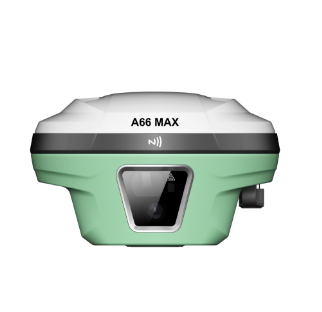
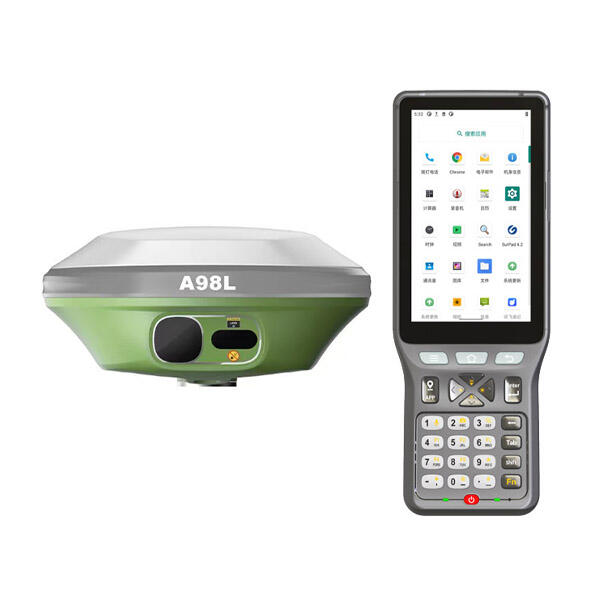
Real Time Kinematic Systems: Centimeter-Precision GPS Technology for Professional Positioning

All Categories

real time kinematic

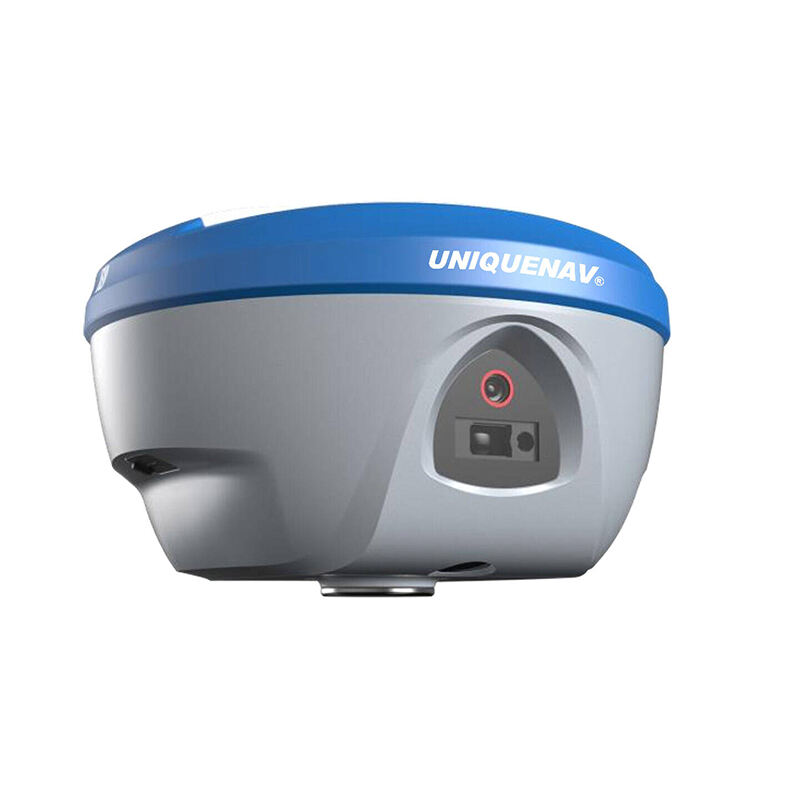
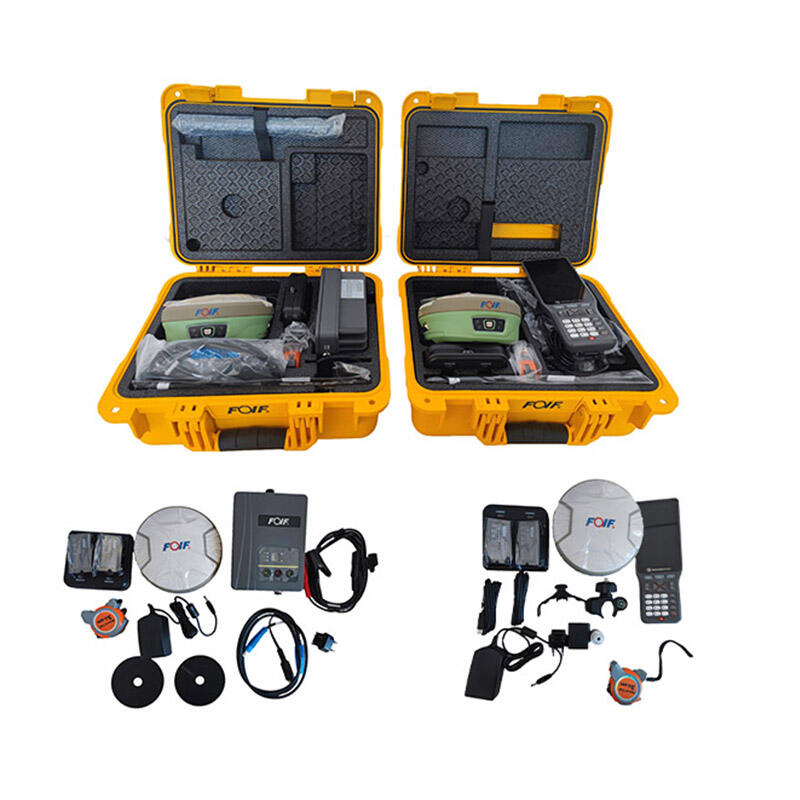
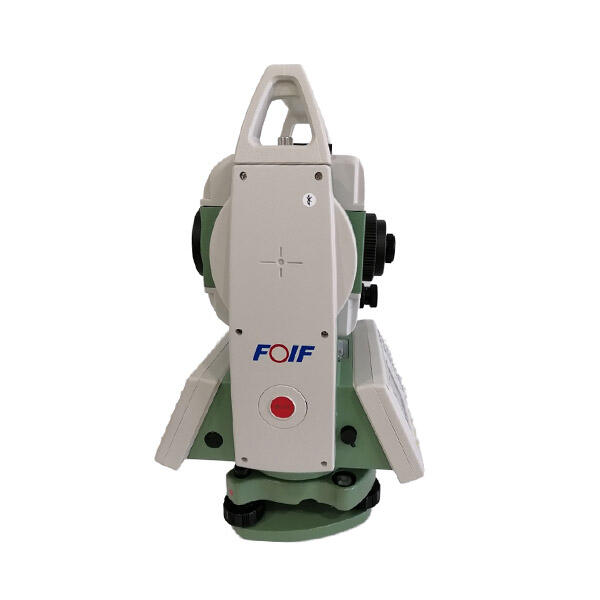
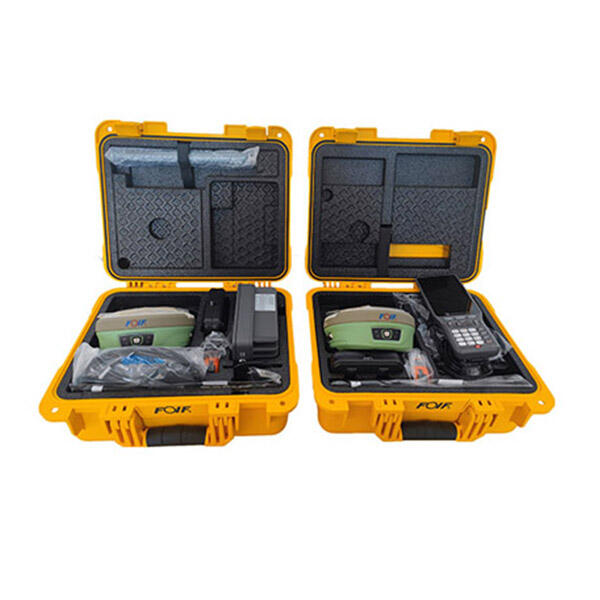
Real time kinematic (RTK) represents a revolutionary satellite navigation technique that delivers centimeter-level positioning accuracy through advanced correction methods. This sophisticated positioning system enhances standard GPS technology by utilizing a network of reference stations to provide real-time corrections, enabling precise location determination within seconds. Real time kinematic technology operates by establishing a base station at a known location that continuously receives satellite signals and calculates positioning errors. These corrections are then transmitted to mobile receivers, allowing them to achieve unprecedented accuracy levels that surpass traditional GPS capabilities by significant margins. The system employs carrier-phase measurements from multiple satellite constellations, including GPS, GLONASS, Galileo, and BeiDou, to triangulate positions with remarkable precision. Real time kinematic solutions typically provide horizontal accuracy within 1-2 centimeters and vertical accuracy within 2-3 centimeters under optimal conditions. The technology operates effectively within a specific range from the base station, generally extending up to 10-20 kilometers depending on atmospheric conditions and terrain characteristics. Modern real time kinematic systems incorporate advanced algorithms that process carrier wave phases rather than just code measurements, enabling the detection of minute changes in signal timing that translate to precise positional data. The technology requires a clear line of sight to multiple satellites and functions optimally in open environments with minimal obstructions. Real time kinematic applications span numerous industries, from precision agriculture and construction surveying to autonomous vehicle navigation and geological monitoring. The system's ability to provide continuous, real-time positioning updates makes it invaluable for dynamic applications requiring immediate location feedback. Professional surveyors, construction managers, and agricultural specialists rely on real time kinematic technology to achieve measurement precision that was previously unattainable with conventional positioning methods.

New Product Recommendations

Real time kinematic technology offers substantial advantages that transform how professionals approach precision positioning tasks across multiple industries. The primary benefit lies in its exceptional accuracy, delivering centimeter-level precision that exceeds traditional GPS systems by factors of 100 or more. This remarkable accuracy eliminates the need for time-consuming post-processing procedures, allowing users to obtain precise measurements instantly in the field. Real time kinematic systems significantly reduce project completion times by providing immediate positional feedback, enabling operators to make critical decisions without delays associated with data processing and verification. The technology enhances productivity levels substantially, as field teams can complete surveying, construction layout, and mapping tasks in a fraction of the time required by conventional methods. Cost savings represent another major advantage, as real time kinematic systems reduce labor requirements, minimize equipment needs, and eliminate expenses related to repeat site visits for verification purposes. The technology provides consistent performance across various environmental conditions, maintaining accuracy standards even in challenging terrain where traditional surveying methods might struggle. Real time kinematic systems offer superior reliability through redundant satellite constellation access, ensuring continuous operation even when individual satellites experience interference or signal degradation. Modern systems incorporate user-friendly interfaces that simplify operation, allowing technicians with minimal specialized training to achieve professional-grade results quickly and efficiently. The technology supports multiple concurrent users within its operational range, enabling team-based projects where several operators can access the same correction data simultaneously. Real time kinematic solutions provide comprehensive data logging capabilities, automatically recording positioning information with timestamps and accuracy metrics for quality assurance and project documentation purposes. Integration capabilities with existing software platforms and hardware systems ensure seamless workflow incorporation, minimizing disruption to established operational procedures. The technology offers scalable solutions suitable for projects ranging from small residential surveys to large-scale infrastructure developments, accommodating diverse user requirements and budget considerations. Environmental monitoring applications benefit significantly from real time kinematic precision, enabling scientists and researchers to track minute changes in ground movement, vegetation patterns, and geological formations with unprecedented detail. The system's real-time nature eliminates guesswork and reduces human error, providing confidence in measurement results that support critical decision-making processes across multiple professional disciplines.

Latest News

GNSS RTK: The Ultimate Guide to Real-Time Kinematic Surveying

27

Nov

GNSS RTK: The Ultimate Guide to Real-Time Kinematic Surveying

Real-Time Kinematic (RTK) technology has revolutionized the field of surveying by providing centimeter-level accuracy in positioning measurements. This advanced Global Navigation Satellite System (GNSS) technique enables surveyors, construction profe...
View More
What Should You Evaluate Before Purchasing a Total Station?

13

Jan

What Should You Evaluate Before Purchasing a Total Station?

When investing in surveying equipment, selecting the right total station represents one of the most critical decisions for engineering professionals, construction teams, and surveying companies. A total station serves as the backbone of precise measu...
View More
How Can a Digital Level Boost Efficiency in Surveying Tasks?

11

Feb

How Can a Digital Level Boost Efficiency in Surveying Tasks?

Modern surveying operations demand precision, speed, and reliability to meet tight project deadlines while maintaining accuracy standards. Traditional surveying methods, while foundational, often fall short of the efficiency requirements in today's f...
View More
What Key Features Should You Check When Buying an Auto Level?

11

Feb

What Key Features Should You Check When Buying an Auto Level?

When precision matters most in construction and surveying projects, selecting the right auto level becomes a critical decision that can impact the success of your entire operation. An auto level serves as the backbone of accurate height measurements ...
View More

Get a Free Quote

Our representative will contact you soon.
Email
Name
Company Name
Message
0/1000

real time kinematic

Centimeter-Level Precision That Revolutionizes Professional Positioning

Centimeter-Level Precision That Revolutionizes Professional Positioning

Real time kinematic technology delivers unprecedented positioning accuracy that fundamentally changes how professionals approach measurement-critical tasks across diverse industries. This advanced system achieves horizontal accuracy within 1-2 centimeters and vertical accuracy within 2-3 centimeters, representing a quantum leap beyond traditional GPS capabilities that typically provide accuracy within 3-5 meters under optimal conditions. The remarkable precision stems from sophisticated carrier-phase measurement techniques that analyze satellite signal timing with extraordinary detail, processing minute variations that conventional systems cannot detect. Real time kinematic receivers utilize multiple satellite constellations simultaneously, creating redundant positioning solutions that enhance reliability while maintaining exceptional accuracy standards. This precision level enables professionals to complete tasks that previously required extensive manual measurement techniques, such as property boundary determination, construction grade establishment, and topographic mapping with confidence in their results. The technology's accuracy remains consistent across various environmental conditions, maintaining performance standards even in moderately challenging terrain where atmospheric interference might affect lesser systems. Professional surveyors benefit enormously from this precision, as it eliminates the need for traditional theodolite and chain measurement procedures that consume significant time and labor resources. Construction professionals can establish building foundations, utility corridors, and infrastructure alignments with confidence, knowing that real time kinematic measurements provide the accuracy necessary for complex engineering projects. Agricultural applications leverage this precision for variable-rate application mapping, drainage system design, and field boundary establishment, enabling farmers to optimize resource utilization and maximize crop yields through precise field management techniques. The system's ability to maintain accuracy over extended operational periods without degradation ensures that large-scale projects receive consistent measurement quality from project initiation through completion, supporting comprehensive quality assurance protocols that meet stringent industry standards and regulatory requirements.
Instant Real-Time Corrections That Eliminate Post-Processing Delays

Instant Real-Time Corrections That Eliminate Post-Processing Delays

Real time kinematic systems provide immediate positioning corrections that eliminate traditional surveying workflows dependent on time-consuming post-processing procedures, revolutionizing field operations through instant data availability. This transformative capability allows professionals to obtain precise positioning information within seconds of measurement initiation, enabling immediate decision-making and workflow continuity that dramatically improves project efficiency. The real-time correction process operates through continuous communication between reference stations and mobile receivers, transmitting positioning adjustments via radio links, cellular networks, or internet connections to ensure that field operators access the most current and accurate positioning data available. This immediate feedback mechanism eliminates the uncertainty associated with traditional surveying methods where measurement accuracy could only be verified hours or days after field data collection through office-based processing procedures. Real time kinematic technology enables field teams to verify measurement quality instantly, identifying and correcting potential errors before leaving survey locations, thereby preventing costly return visits and project delays. The system's real-time nature supports dynamic applications where positioning requirements change rapidly, such as construction equipment guidance, precision agriculture operations, and autonomous vehicle navigation systems that require continuous accurate positioning feedback. Professional workflows benefit significantly from this immediate data availability, as project managers can make critical decisions based on verified positioning information without waiting for post-processing results that might delay construction schedules or agricultural operations. Quality assurance protocols become more effective with real-time corrections, as operators can immediately identify measurement inconsistencies and implement corrective measures while still in the field, ensuring data integrity and project accuracy standards. The elimination of post-processing delays reduces overall project timelines substantially, enabling faster project completion and improved resource utilization that translates directly into cost savings and enhanced profitability for businesses relying on precise positioning information.
Multi-Constellation Satellite Support for Enhanced Reliability and Coverage

Multi-Constellation Satellite Support for Enhanced Reliability and Coverage

Real time kinematic technology leverages multiple satellite constellations including GPS, GLONASS, Galileo, and BeiDou systems to provide exceptional positioning reliability and expanded operational coverage that ensures consistent performance across diverse geographical locations and environmental conditions. This multi-constellation approach significantly enhances system availability by providing access to numerous satellites simultaneously, creating redundant positioning solutions that maintain accuracy even when individual satellites experience interference, signal blockage, or temporary unavailability. The increased satellite visibility resulting from multiple constellation access improves positioning geometry, enabling more robust triangulation calculations that enhance overall measurement precision and reliability compared to systems dependent on single constellation access. Real time kinematic systems utilizing multi-constellation support demonstrate superior performance in challenging environments such as urban canyons, dense forest canopies, and mountainous terrain where satellite visibility might be limited for single-constellation systems. This enhanced satellite availability reduces the time required for initial position acquisition and maintains continuous tracking even during brief signal interruptions caused by temporary obstructions or atmospheric disturbances. Professional applications benefit substantially from this reliability, as construction projects, surveying operations, and precision agriculture tasks can proceed without delays caused by insufficient satellite coverage or positioning system unavailability. The technology's ability to seamlessly switch between satellite constellations ensures uninterrupted operation during satellite maintenance periods, orbital adjustments, or temporary signal degradation affecting individual constellation components. Multi-constellation real time kinematic systems provide improved accuracy consistency across different geographical regions, as the combined satellite networks offer better global coverage than any single constellation system could provide independently. This enhanced reliability supports mission-critical applications where positioning system failure could result in significant safety concerns, project delays, or financial losses, providing users with confidence in system performance across diverse operational scenarios and environmental conditions.


Get a Free Quote

Our representative will contact you soon.
Email
Name
Company Name
Message
0/1000