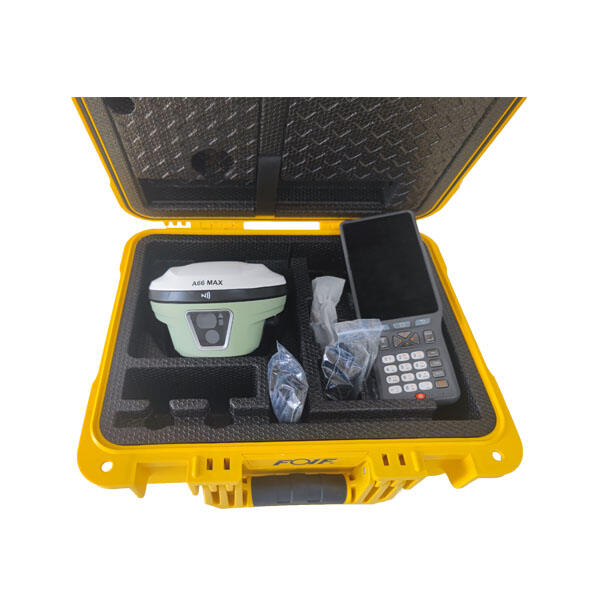
Professional DGPS in Surveying Solutions - High-Precision GPS Technology for Accurate Land Measurement

All Categories

dgps in surveying

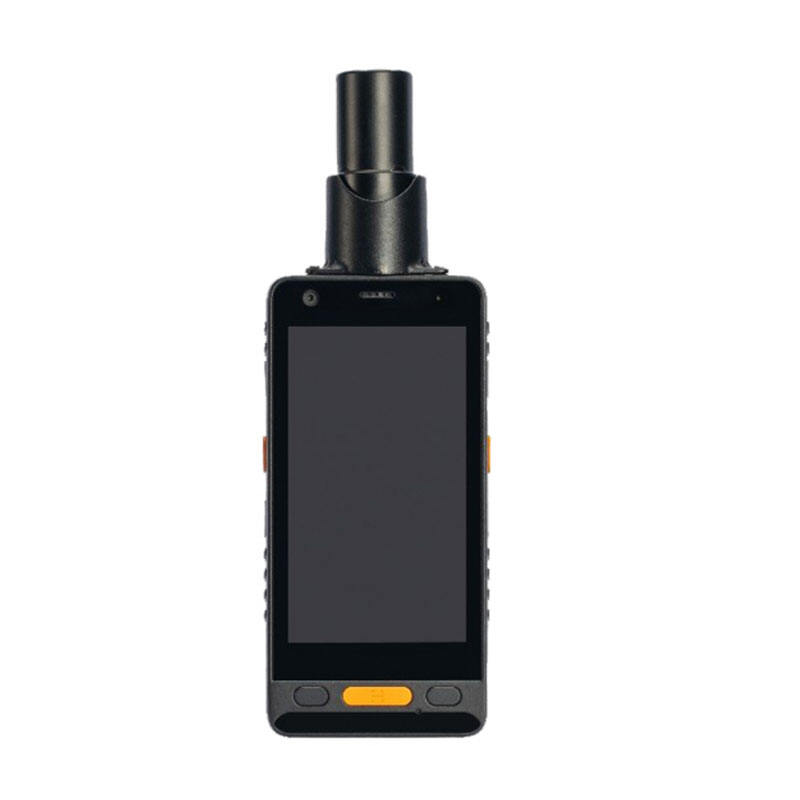
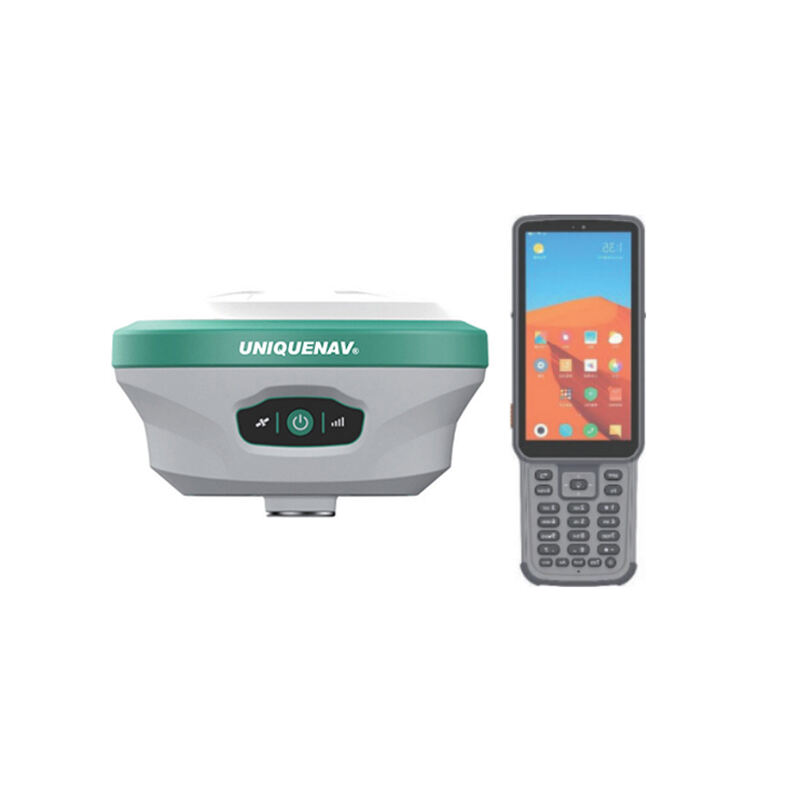
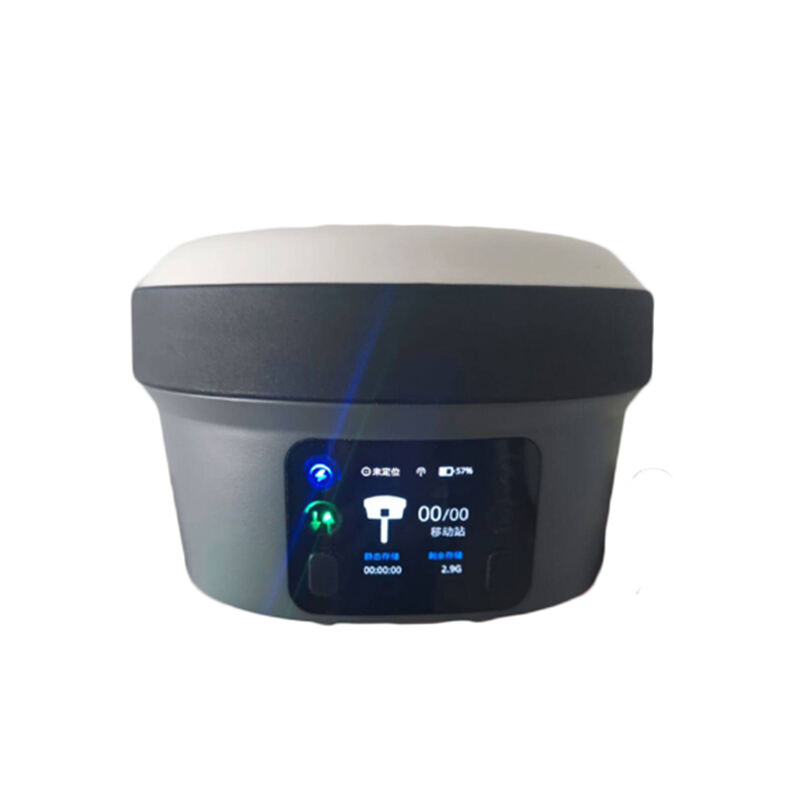
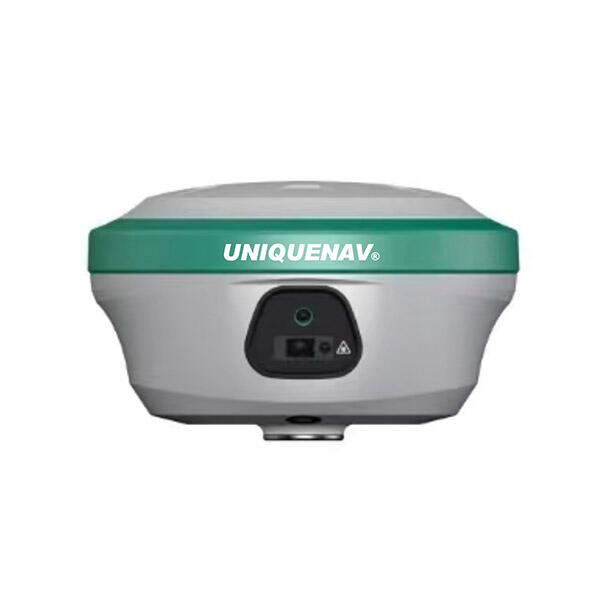
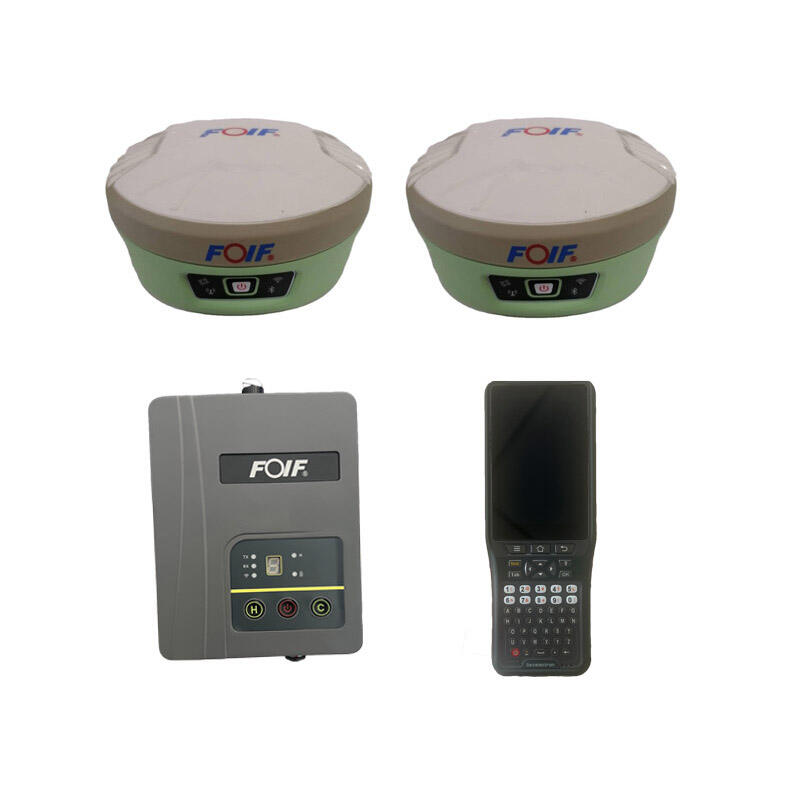
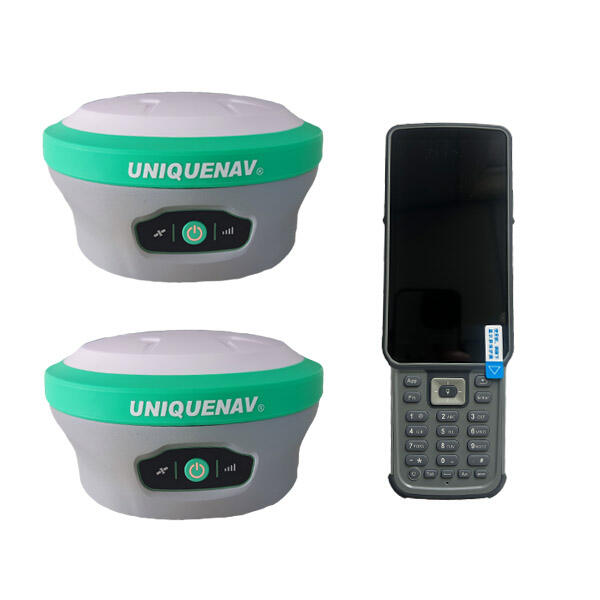
Differential Global Positioning System technology represents a revolutionary advancement in modern surveying practices, offering unprecedented accuracy and reliability for professional land measurement applications. DGPS in surveying operates by utilizing a network of reference stations with precisely known coordinates to correct GPS signals, eliminating atmospheric interference and satellite orbit errors that typically affect standard GPS measurements. This correction process enables surveyors to achieve centimeter-level accuracy, making DGPS in surveying an indispensable tool for construction projects, boundary determination, and topographic mapping. The system functions through real-time kinematic positioning, where base stations continuously broadcast correction data to mobile receivers in the field. Modern DGPS in surveying equipment integrates sophisticated algorithms that process multiple satellite signals simultaneously, ensuring consistent performance across various terrain conditions and weather scenarios. The technological foundation relies on carrier-phase measurements and code-based corrections, providing dual-frequency capabilities that enhance signal strength and measurement precision. Professional surveyors utilize DGPS in surveying for cadastral mapping, infrastructure development, and environmental monitoring projects where traditional surveying methods prove insufficient or time-consuming. The system's ability to maintain accuracy over extended distances makes it particularly valuable for large-scale surveying operations spanning several kilometers. Contemporary DGPS in surveying solutions incorporate user-friendly interfaces, automated data collection protocols, and seamless integration with computer-aided design software, streamlining workflow processes and reducing human error potential. The technology supports various coordinate systems and datum transformations, ensuring compatibility with existing mapping standards and regulatory requirements across different geographical regions.

New Product Releases

The implementation of DGPS in surveying delivers substantial cost savings through enhanced operational efficiency and reduced project completion times. Traditional surveying methods require extensive manual measurements and multiple site visits, whereas DGPS in surveying enables rapid data collection across large areas with minimal personnel requirements. This efficiency translates directly into lower labor costs and faster project delivery schedules, providing significant competitive advantages for surveying firms. The exceptional accuracy of DGPS in surveying eliminates costly resurveying needs and reduces liability risks associated with measurement errors. Property boundary disputes, construction delays, and regulatory compliance issues become virtually eliminated when utilizing properly calibrated DGPS in surveying systems. The technology provides consistent millimeter-level precision regardless of environmental conditions, ensuring reliable results during challenging weather situations or difficult terrain access. Real-time data validation capabilities inherent in DGPS in surveying prevent field errors from propagating through entire project datasets, maintaining data integrity throughout the surveying process. The automated documentation features generate comprehensive reports and digital maps instantaneously, eliminating time-consuming manual drafting procedures and reducing administrative overhead. DGPS in surveying systems offer superior versatility through compatibility with various surveying applications, including topographic mapping, construction layout, utilities location, and environmental monitoring. The wireless connectivity options enable seamless data sharing between field teams and office personnel, facilitating collaborative project management and quality control procedures. Long-term equipment reliability and minimal maintenance requirements make DGPS in surveying a sound investment for professional surveying organizations. The standardized data formats ensure easy integration with existing geographic information systems and computer-aided design platforms, preserving workflow continuity and maximizing software investment returns. Additionally, DGPS in surveying technology continues evolving with satellite constellation improvements and enhanced correction algorithms, ensuring sustained accuracy improvements and expanded operational capabilities for future surveying challenges.

Practical Tips

Why Do Mapping Teams Prefer RTK for Real-Time Positioning Tasks?

22

Dec

Why Do Mapping Teams Prefer RTK for Real-Time Positioning Tasks?

Modern mapping teams face unprecedented demands for precision and speed in their surveying operations. The evolution of positioning technologies has revolutionized how professionals approach field data collection, with RTK for real-time positioning e...
View More
What Should You Evaluate Before Purchasing a Total Station?

13

Jan

What Should You Evaluate Before Purchasing a Total Station?

When investing in surveying equipment, selecting the right total station represents one of the most critical decisions for engineering professionals, construction teams, and surveying companies. A total station serves as the backbone of precise measu...
View More
Why Are Digital Levels Preferred Over Traditional Bubble Levels?

11

Feb

Why Are Digital Levels Preferred Over Traditional Bubble Levels?

The construction and engineering industries have witnessed a significant transformation in measurement tools over the past decade. Among these advancements, digital levels have emerged as the preferred choice for professionals who demand precision, e...
View More
How Does a Theodolite Compare to Total Stations in Practical Use?

11

Feb

How Does a Theodolite Compare to Total Stations in Practical Use?

Surveying professionals and construction engineers face critical decisions when selecting measurement instruments for their projects. The choice between traditional surveying tools and modern integrated systems can significantly impact project effici...
View More

Get a Free Quote

Our representative will contact you soon.
Email
Name
Company Name
Message
0/1000

dgps in surveying

Sub-Centimeter Precision Technology for Professional Applications

Sub-Centimeter Precision Technology for Professional Applications

The cornerstone advantage of DGPS in surveying lies in its ability to deliver sub-centimeter measurement precision consistently across diverse field conditions and project requirements. This extraordinary accuracy stems from sophisticated error correction algorithms that eliminate atmospheric disturbances, satellite clock errors, and orbital uncertainties affecting standard GPS signals. Professional surveyors utilizing DGPS in surveying can confidently establish property boundaries with millimeter-level confidence, ensuring legal compliance and eliminating costly boundary disputes. The precision capabilities make DGPS in surveying particularly valuable for high-stakes projects including airport runway construction, bridge engineering, and critical infrastructure development where measurement errors could result in catastrophic consequences. The real-time kinematic positioning technology processes carrier-phase measurements from multiple satellite frequencies, creating redundant accuracy verification systems that maintain measurement integrity even during challenging atmospheric conditions. This reliability ensures that DGPS in surveying delivers consistent results regardless of seasonal weather variations, electromagnetic interference, or temporary satellite signal disruptions. The precision benefits extend beyond basic measurement accuracy to encompass volumetric calculations, slope analysis, and three-dimensional modeling applications essential for modern engineering projects. Construction teams rely on DGPS in surveying precision for equipment positioning, grade control, and quality assurance protocols throughout project lifecycles. The technology enables precise stake-out procedures for building foundations, utility installations, and roadway alignments, eliminating costly construction rework and ensuring adherence to design specifications. Furthermore, the precision capabilities of DGPS in surveying support advanced applications including deformation monitoring for structural health assessment and environmental change detection for ecological research projects.

Real-Time Data Collection and Seamless Integration Capabilities

Real-Time Data Collection and Seamless Integration Capabilities

Modern DGPS in surveying systems excel through comprehensive real-time data collection capabilities that transform traditional surveying workflows into streamlined digital processes. The instantaneous data capture eliminates time-consuming manual recording procedures while providing immediate quality verification and error detection during field operations. Surveyors using DGPS in surveying benefit from automated coordinate logging, attribute data entry, and photograph integration features that create comprehensive digital documentation simultaneously with measurement collection. The wireless connectivity enables live data streaming to project databases, allowing office personnel to monitor field progress and provide technical support remotely. This connectivity ensures that DGPS in surveying projects maintain consistent quality standards and adherence to project specifications throughout data collection phases. The seamless integration capabilities extend to popular computer-aided design platforms, geographic information systems, and specialized surveying software packages, eliminating data conversion bottlenecks and maintaining information accuracy across multiple applications. Project teams utilizing DGPS in surveying can generate preliminary maps, volume calculations, and progress reports immediately upon completing field measurements, accelerating decision-making processes and client communications. The standardized data export formats ensure compatibility with regulatory submission requirements and client deliverable specifications across various industries and geographical regions. Advanced DGPS in surveying systems incorporate cloud-based data management solutions that provide secure backup, version control, and collaborative access for distributed project teams. The integration capabilities support automated report generation, quality assurance protocols, and project archive management, reducing administrative overhead and ensuring consistent documentation standards. Additionally, the real-time capabilities enable dynamic project modifications and adaptive surveying strategies that optimize field efficiency while maintaining measurement accuracy requirements throughout complex surveying operations.
Weather-Resistant Performance and Extended Operational Range

Weather-Resistant Performance and Extended Operational Range

The robust design characteristics of professional DGPS in surveying equipment ensure reliable performance across extreme environmental conditions and challenging operational scenarios where traditional surveying methods prove inadequate or unreliable. Advanced weather-resistant construction protects sensitive electronic components from moisture, temperature fluctuations, and physical impacts commonly encountered during field operations. This durability enables DGPS in surveying teams to maintain productive operations during adverse weather conditions, extending available working days and improving project scheduling flexibility. The extended operational range capabilities allow surveyors to establish accurate measurements across distances exceeding several kilometers from reference base stations, making DGPS in surveying ideal for large-scale mapping projects and remote area surveys. The multi-frequency signal processing technology maintains measurement accuracy even in challenging environments including dense forest canopy, urban canyon effects, and areas with significant electromagnetic interference. Professional DGPS in surveying systems incorporate advanced antenna designs and signal amplification technologies that optimize satellite reception under various atmospheric conditions and terrain configurations. The extended battery life and power management features support continuous operation throughout extended field sessions, eliminating productivity interruptions and equipment downtime during critical project phases. The weather-resistant performance extends to extreme temperature ranges, ensuring reliable operation in arctic conditions, desert environments, and tropical climates where equipment failure could jeopardize project success. DGPS in surveying systems maintain calibration stability across temperature variations, preserving measurement accuracy without requiring frequent recalibration procedures. The ruggedized construction standards exceed military specifications for shock resistance, vibration tolerance, and environmental sealing, ensuring long-term equipment reliability and reduced maintenance costs. Furthermore, the extended operational capabilities of DGPS in surveying include low-light and nighttime operation features that expand available working hours and improve project scheduling flexibility for time-sensitive surveying applications.

Get a Free Quote

Our representative will contact you soon.
Email
Name
Company Name
Message
0/1000