Versatile Applications and Industry Integration
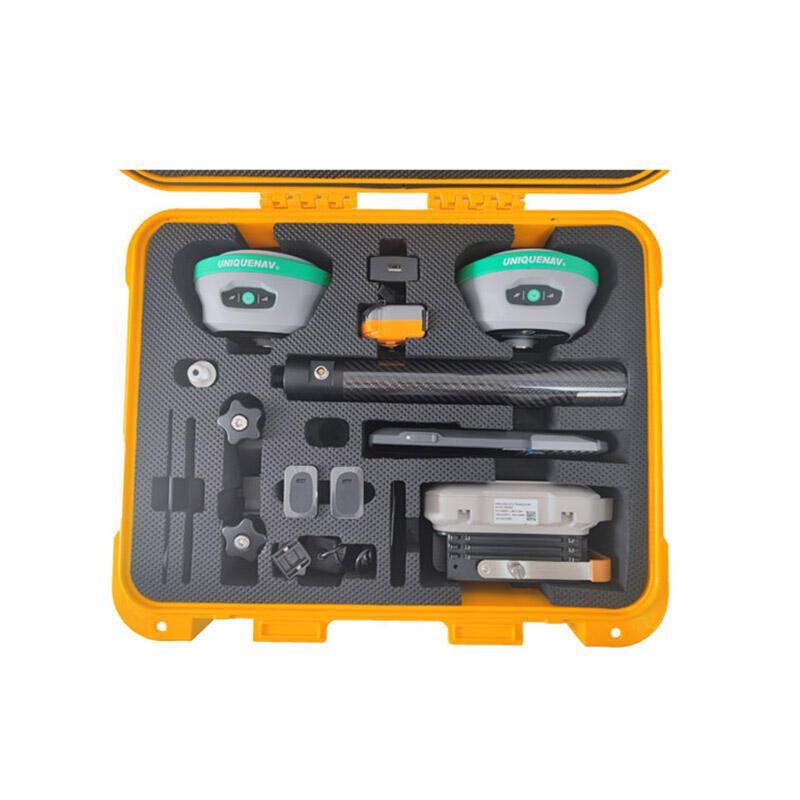
The versatility of RTK cost investments becomes apparent through extensive application possibilities that span multiple industries and operational requirements, making the technology valuable for diverse professional environments beyond traditional surveying applications. Construction professionals utilize RTK systems for precise site layout, foundation positioning, grade checking, and as-built documentation, while the technology integrates seamlessly with automated construction equipment including bulldozers, excavators, and graders for machine control applications that improve productivity and reduce material waste. Agricultural operations benefit from RTK cost investments through precision farming applications that enable accurate field mapping, variable rate application of fertilizers and pesticides, automated steering systems for tractors and harvesters, and yield monitoring capabilities that optimize crop production while minimizing input costs and environmental impact. Mining and quarry operations leverage RTK technology for pit surveying, stockpile volume calculations, haul road layout, and equipment guidance systems that improve safety and operational efficiency in challenging environments where traditional surveying methods prove impractical or dangerous. The RTK cost investment supports specialized applications including offshore marine surveying, pipeline route surveys, environmental monitoring, archaeological site documentation, and emergency response operations where rapid accurate positioning provides critical information for decision-making processes. Integration capabilities allow RTK systems to connect with various software platforms including CAD programs, GIS databases, construction management systems, and cloud-based data sharing platforms that facilitate collaboration between project stakeholders and streamline information flow throughout project lifecycles. Modern RTK systems feature flexible communication options including cellular modems, radio links, and internet connectivity that enable real-time data sharing with remote offices, automated reporting systems, and centralized project databases that improve coordination and reduce administrative overhead. The technology supports customizable workflows through programmable measurement routines, automated quality assurance protocols, and user-defined coordinate systems that accommodate specific project requirements and industry standards without requiring extensive system reconfiguration or additional RTK cost investments for specialized applications.

 EN
EN