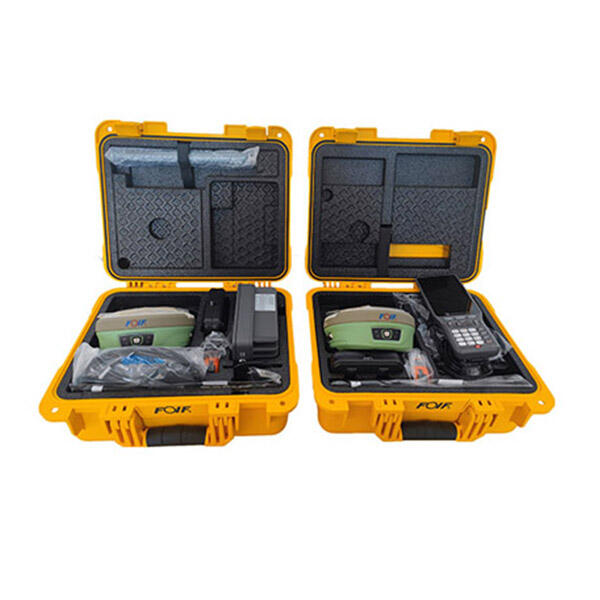
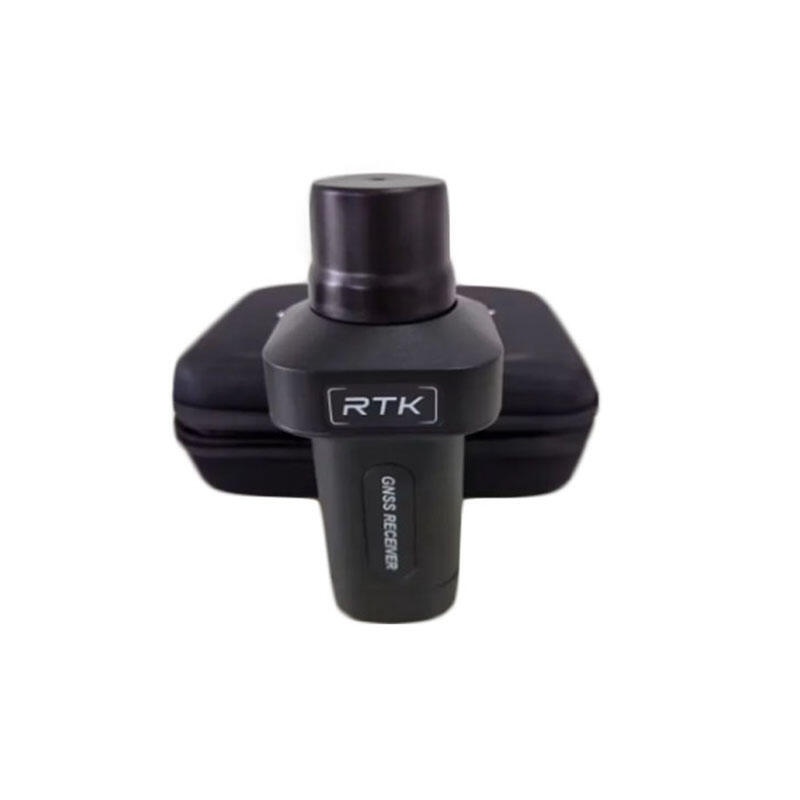
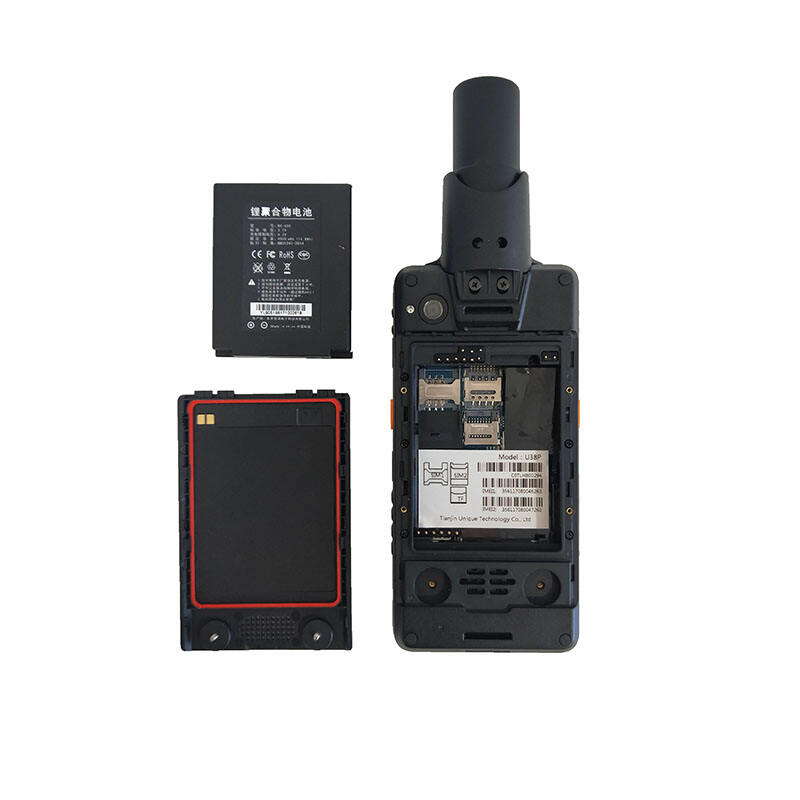
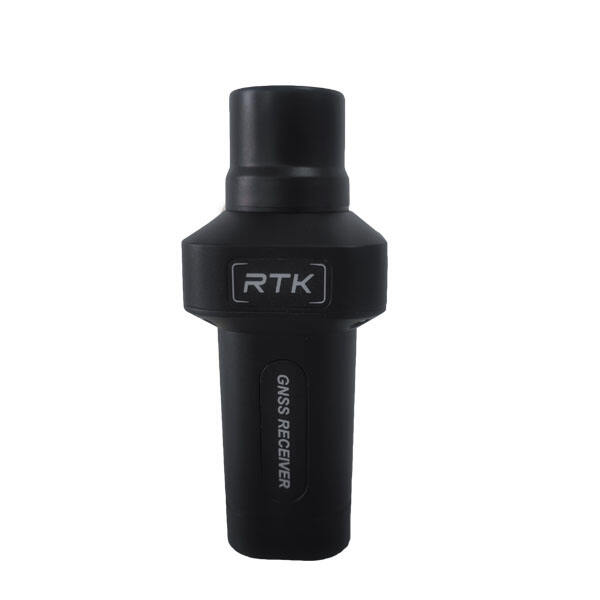
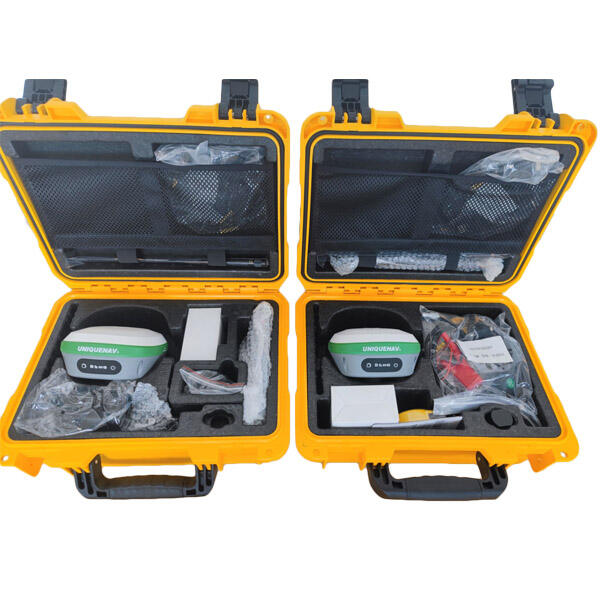
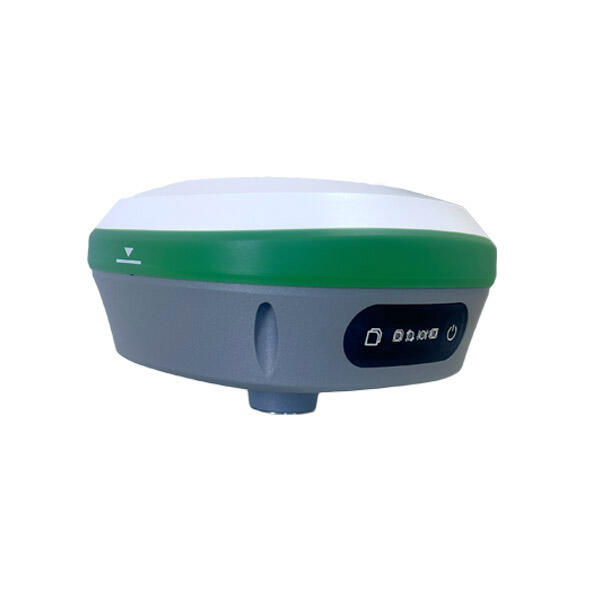
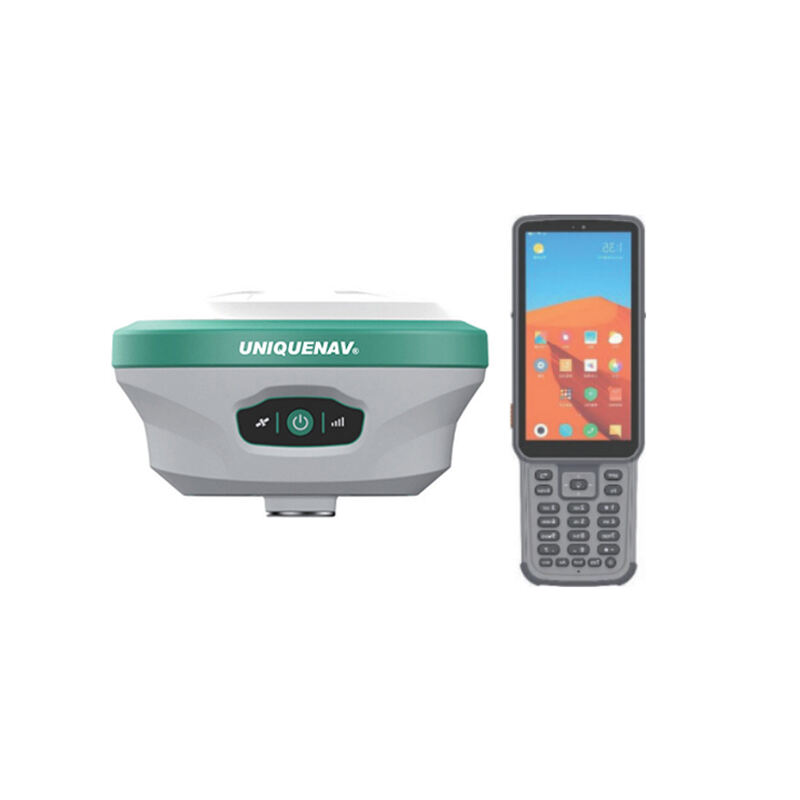
rtk base station gnss
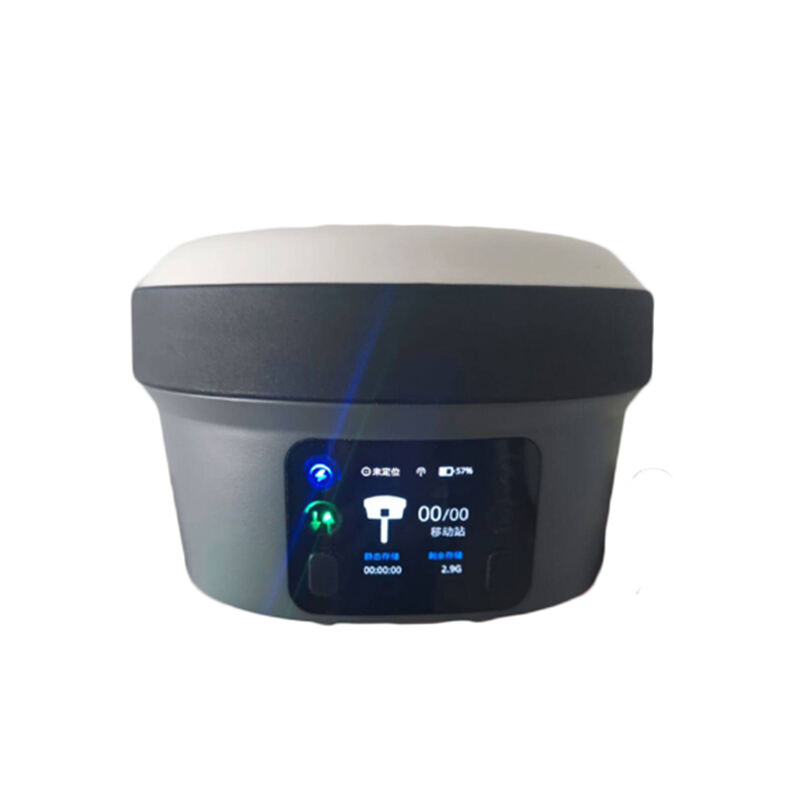
An RTK base station GNSS represents a revolutionary positioning technology that delivers centimeter-level accuracy for surveying, mapping, and navigation applications. The RTK base station GNSS operates by establishing a fixed reference point with known coordinates, continuously receiving satellite signals from multiple constellations including GPS, GLONASS, Galileo, and BeiDou. This sophisticated system calculates positioning corrections in real-time and transmits them to mobile rovers within its coverage area, typically extending up to 10-20 kilometers depending on environmental conditions and equipment specifications. The fundamental principle behind RTK base station GNSS technology involves differential correction, where the base station compares its calculated position with its known precise coordinates to determine atmospheric delays, satellite orbit errors, and other systematic biases affecting satellite signals. These corrections are then broadcast to rover units, enabling them to achieve remarkable positioning accuracy of 1-2 centimeters horizontally and 2-3 centimeters vertically. Modern RTK base station GNSS systems incorporate advanced features such as multi-constellation tracking, which simultaneously processes signals from various satellite systems to enhance reliability and reduce initialization time. The stations utilize sophisticated algorithms for ambiguity resolution, ensuring rapid convergence and maintaining consistent accuracy even in challenging environments. Communication capabilities include radio modems, cellular networks, and internet protocols, providing flexible data transmission options to suit different project requirements. The rugged construction of RTK base station GNSS equipment ensures reliable operation in harsh weather conditions, featuring weatherproof enclosures, extended temperature ranges, and long-lasting batteries for continuous field operations. These systems serve as the backbone for precision agriculture, construction surveying, mining operations, geographic information systems, and autonomous vehicle navigation, making them indispensable tools for professionals requiring high-accuracy positioning data.

 EN
EN