gnss gps survey equipment
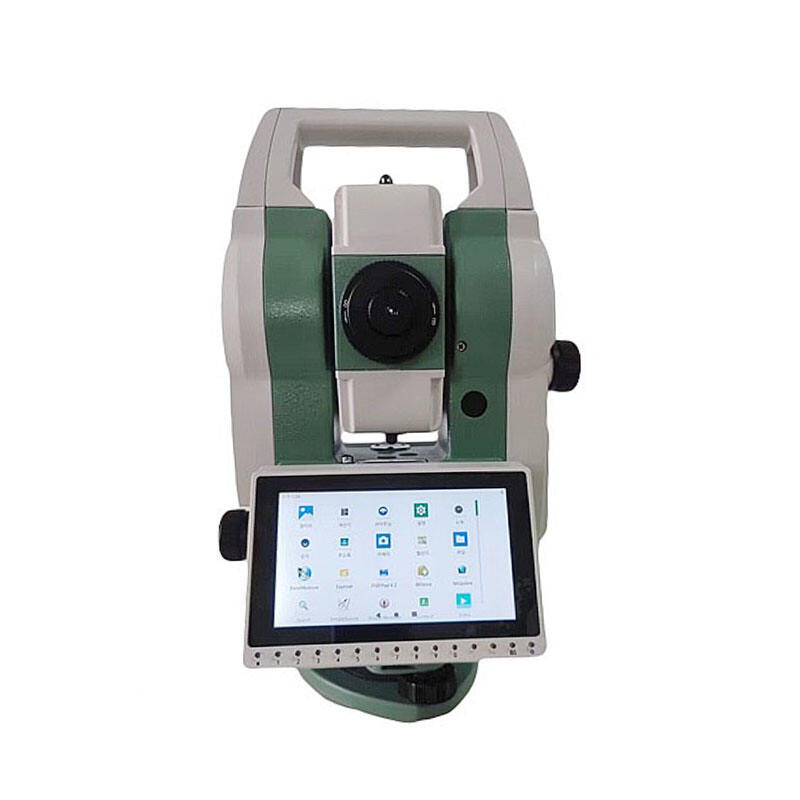
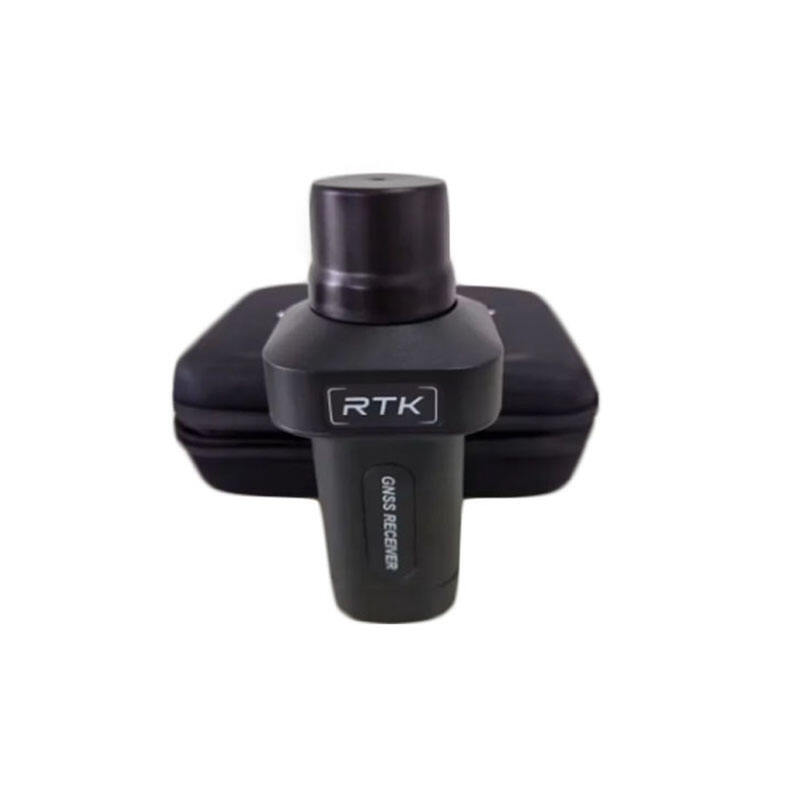
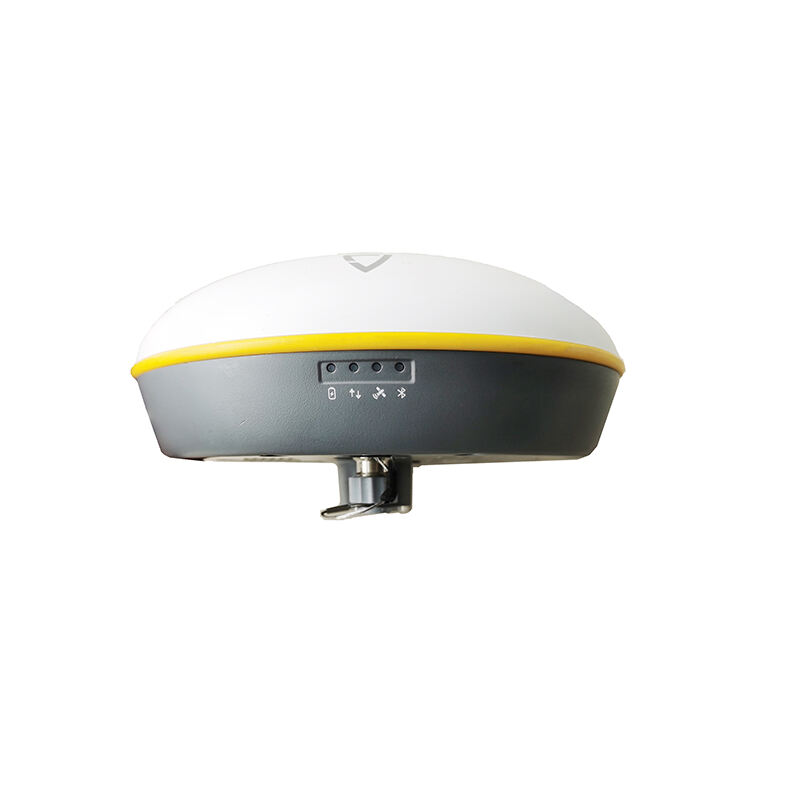
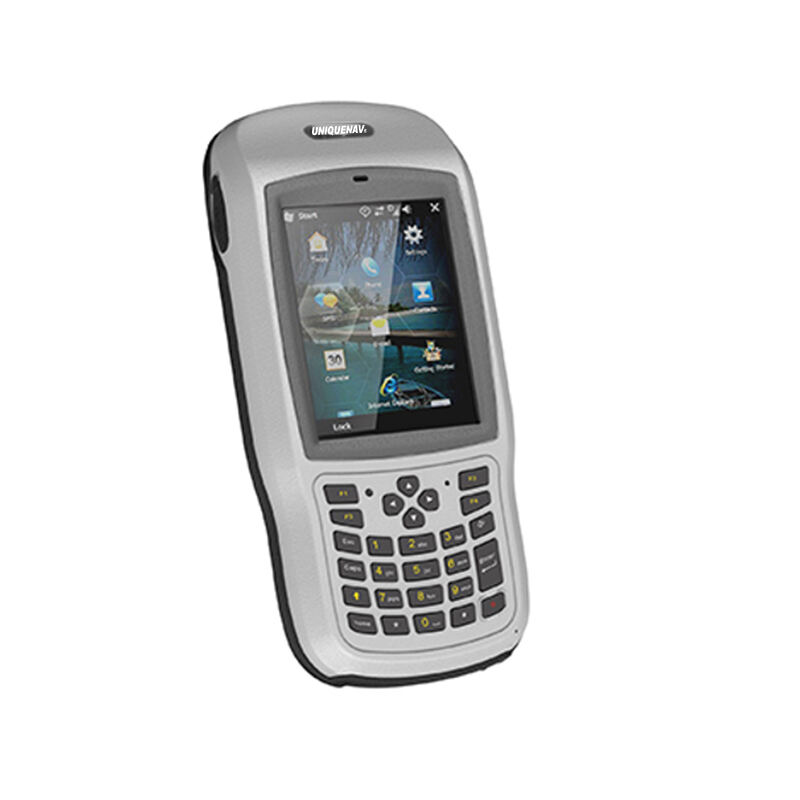
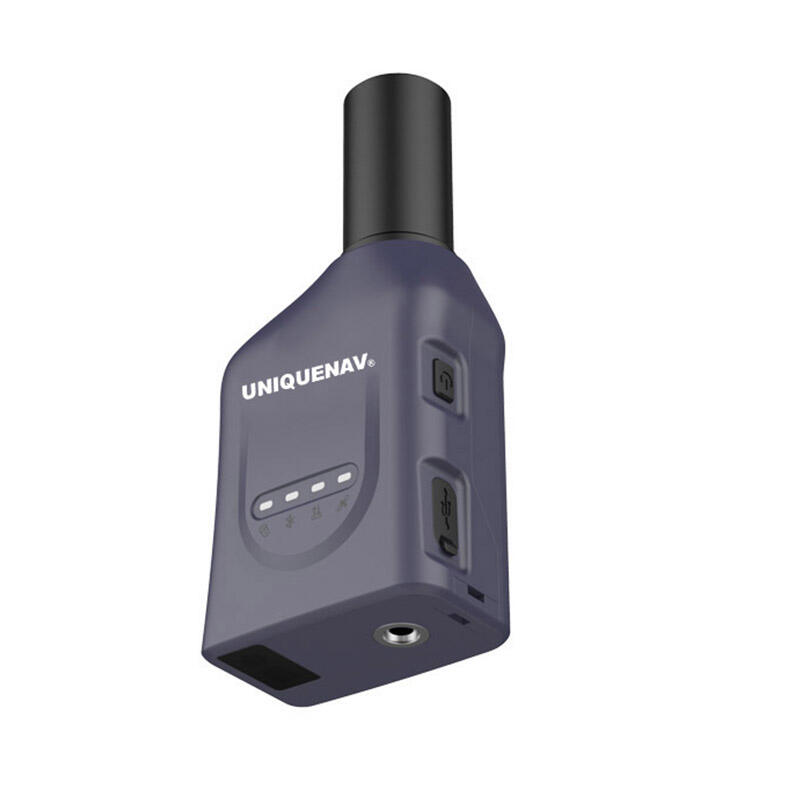
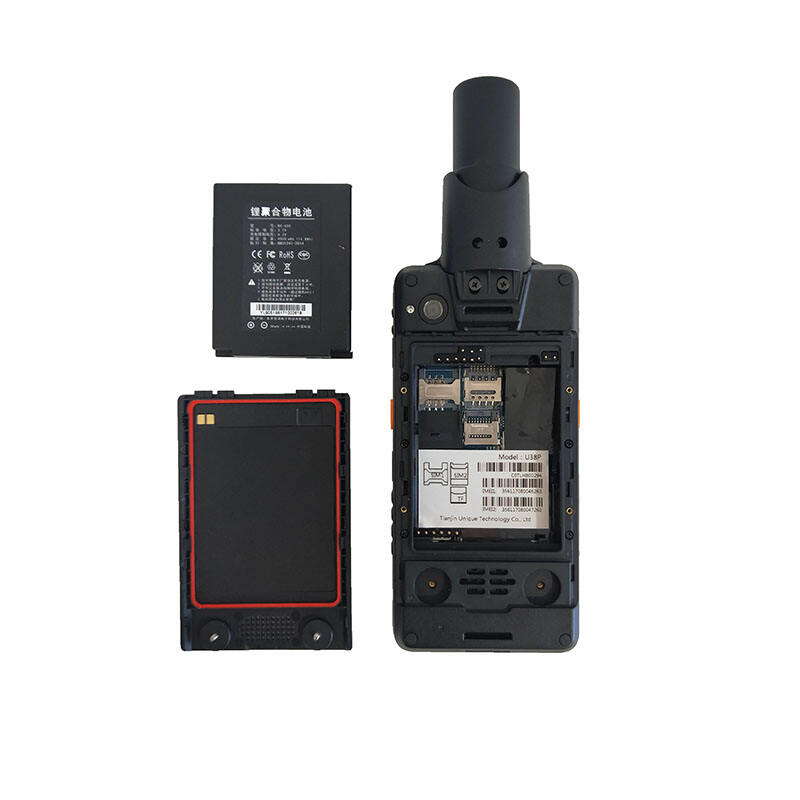
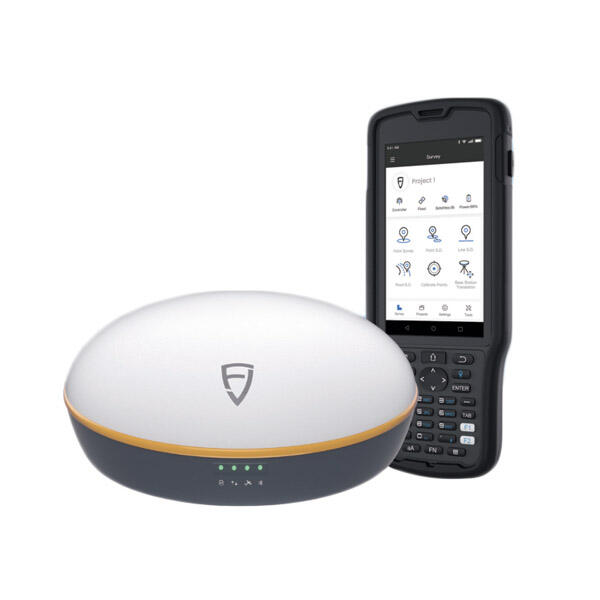
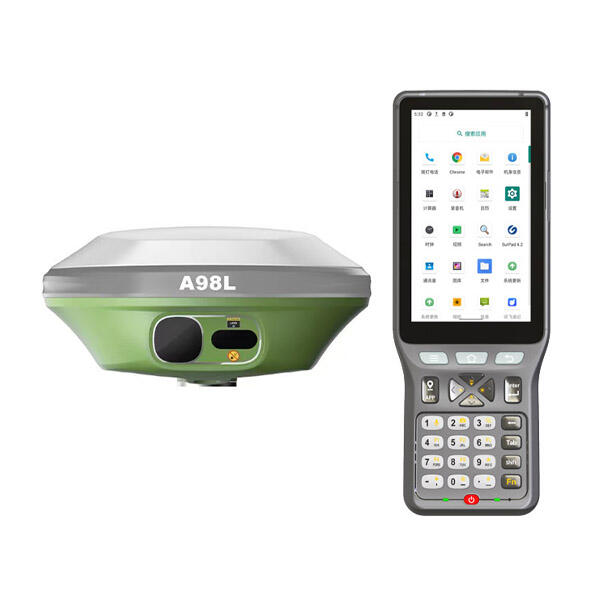
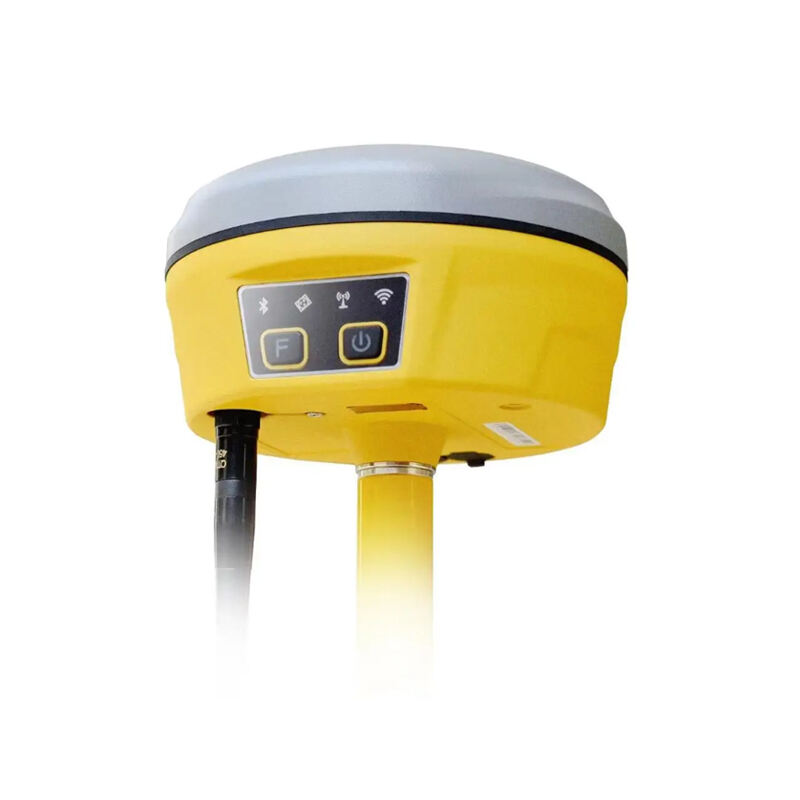
GNSS GPS survey equipment represents cutting-edge positioning technology that revolutionizes land surveying, construction, and mapping operations worldwide. This sophisticated instrumentation combines Global Navigation Satellite System capabilities with advanced GPS functionality to deliver precise coordinate measurements and spatial data collection. Modern GNSS GPS survey equipment integrates multiple satellite constellations including GPS, GLONASS, Galileo, and BeiDou systems to ensure optimal signal reception and enhanced accuracy under various environmental conditions. The equipment typically consists of a high-precision receiver unit, antenna assembly, data controller, and specialized software applications designed for professional surveying applications. These systems utilize Real-Time Kinematic positioning technology to achieve centimeter-level accuracy in both horizontal and vertical measurements. The robust construction of GNSS GPS survey equipment ensures reliable performance in challenging field conditions, featuring weather-resistant housings and extended battery life for continuous operation. Advanced signal processing algorithms automatically compensate for atmospheric interference, multipath errors, and satellite geometry variations to maintain consistent measurement quality. The equipment supports various survey methodologies including static observations, rapid static sessions, and kinematic surveys to accommodate diverse project requirements. Professional-grade GNSS GPS survey equipment incorporates built-in quality control features that monitor measurement precision and alert operators to potential accuracy degradation. The systems offer seamless integration with existing survey workflows through standardized data formats and compatibility with popular Computer-Aided Design software platforms. Modern units feature intuitive touchscreen interfaces that simplify field operations and reduce training requirements for survey personnel. The equipment supports network RTK corrections through cellular or radio communication links to enhance positioning accuracy across extended work areas. These versatile systems serve multiple industries including civil engineering, agriculture, mining, utilities, and environmental monitoring applications where precise spatial positioning is essential for project success.

 EN
EN