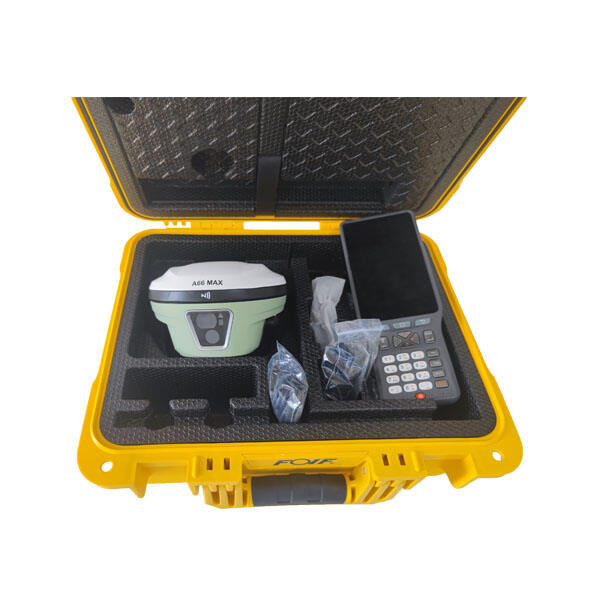
Real Time Kinematic GNSS: Precision Positioning Technology for Professional Applications

All Categories

real time kinematic gnss

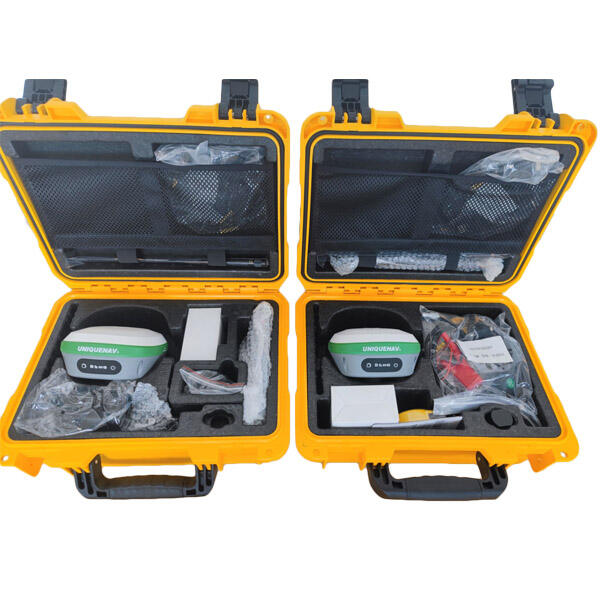
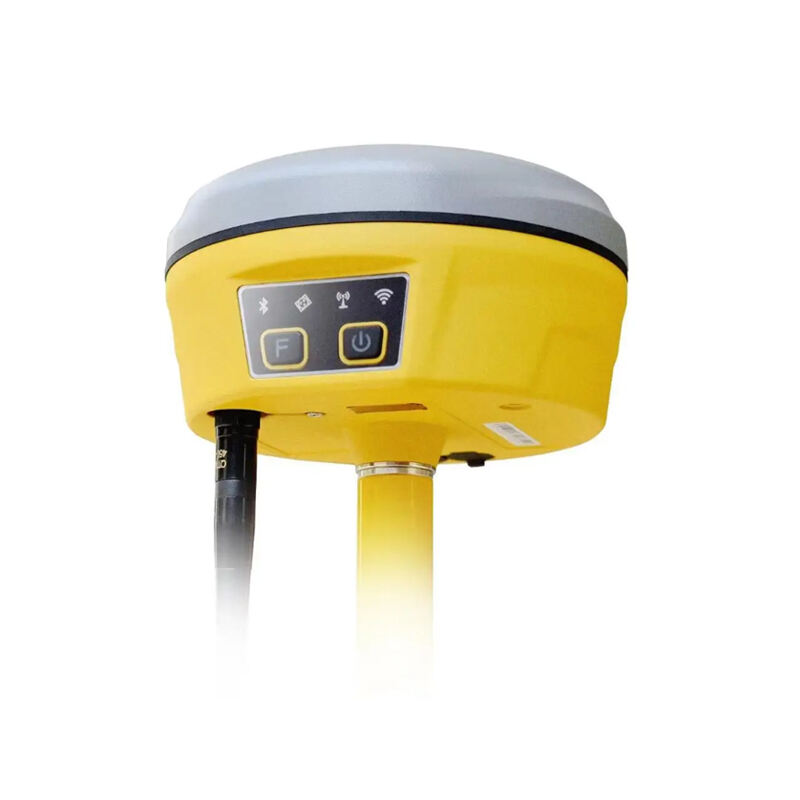
Real time kinematic GNSS represents a sophisticated satellite positioning technology that delivers centimeter-level accuracy for precise location measurements. This advanced system operates by utilizing a network of satellites combined with ground-based reference stations to provide enhanced positioning data in real-time. The real time kinematic GNSS technology functions through a dual-receiver setup, where one receiver serves as a base station with a known precise location, while the other acts as a mobile rover unit. The base station continuously receives satellite signals and calculates correction data, which it then transmits to the rover receiver. This process eliminates common errors such as atmospheric interference, satellite clock discrepancies, and orbital variations that typically affect standard GPS accuracy. The main functions of real time kinematic GNSS include high-precision positioning, real-time data transmission, and error correction capabilities. The system can achieve accuracy levels ranging from one to five centimeters horizontally and vertically, making it significantly more precise than conventional GPS systems that typically provide accuracy within several meters. Technological features of real time kinematic GNSS encompass advanced signal processing algorithms, multi-frequency satellite signal reception, and robust communication links between base and rover units. The system supports various satellite constellations including GPS, GLONASS, Galileo, and BeiDou, ensuring reliable coverage and redundancy. Applications for real time kinematic GNSS span numerous industries and sectors. In surveying and mapping, professionals rely on this technology for boundary surveys, topographic mapping, and construction layout. Agriculture benefits from precision farming applications, including automated tractor guidance, field mapping, and variable rate application of fertilizers and pesticides. Construction and engineering projects utilize real time kinematic GNSS for machine control, structural monitoring, and quality assurance. Transportation infrastructure development depends on this technology for road construction, railway alignment, and airport runway precision. Mining operations employ real time kinematic GNSS for equipment positioning, volume calculations, and safety monitoring in challenging environments.

New Products

Real time kinematic GNSS offers substantial advantages that transform how professionals approach precision positioning tasks across multiple industries. The most significant benefit lies in its exceptional accuracy capabilities, delivering positioning data with centimeter-level precision that surpasses traditional GPS systems by orders of magnitude. This remarkable accuracy enables users to complete projects with unprecedented precision, reducing costly errors and improving overall project quality. The real-time aspect of real time kinematic GNSS provides immediate feedback, allowing operators to make instant adjustments and corrections during field operations. This immediate response capability eliminates the need for time-consuming post-processing work and reduces project timelines significantly. Users can verify their positioning accuracy instantly, ensuring that measurements meet required specifications before moving to the next task. Cost efficiency represents another major advantage of real time kinematic GNSS technology. While the initial investment may seem substantial, the long-term savings quickly offset the upfront costs. Reduced survey times, decreased need for repeat measurements, and minimized material waste contribute to significant cost reductions across project lifecycles. The technology eliminates the need for multiple site visits and reduces labor costs associated with traditional surveying methods. Enhanced productivity flows naturally from the precision and real-time capabilities of real time kinematic GNSS systems. Teams can complete surveys faster, with fewer personnel, and achieve higher quality results consistently. The technology enables single-person operations in many scenarios where traditional methods required multiple team members. This efficiency boost allows companies to take on more projects and improve their competitive positioning in the marketplace. Reliability and consistency stand as cornerstones of real time kinematic GNSS advantages. The system provides dependable performance across various weather conditions and terrain types, ensuring consistent results regardless of environmental challenges. This reliability builds confidence among users and clients, establishing trust in project deliverables. The technology also reduces human error through automated data collection and processing, further enhancing result reliability. Versatility across applications makes real time kinematic GNSS an attractive investment for organizations with diverse operational needs. The same equipment can serve multiple purposes, from topographic surveys to machine guidance, maximizing return on investment. Integration capabilities with existing software and hardware systems ensure seamless adoption without requiring complete workflow overhauls. Training requirements remain manageable, allowing teams to become proficient quickly and start realizing benefits immediately.

Practical Tips

GNSS RTK vs. Traditional Surveying: What’s the Difference?

27

Nov

GNSS RTK vs. Traditional Surveying: What’s the Difference?

Modern surveying has undergone a revolutionary transformation with the introduction of Global Navigation Satellite Systems (GNSS) technology, particularly Real-Time Kinematic (RTK) positioning. While traditional surveying methods have served the cons...
View More
Why Is RTK GNSS Essential for High-Accuracy Industrial Positioning?

22

Dec

Why Is RTK GNSS Essential for High-Accuracy Industrial Positioning?

In today's rapidly evolving industrial landscape, precise positioning has become the cornerstone of operational excellence across multiple sectors. RTK GNSS technology represents a quantum leap forward in positioning accuracy, delivering centimeter-l...
View More
What Should Buyers Compare When Sourcing RTK GPS Equipment?

13

Jan

What Should Buyers Compare When Sourcing RTK GPS Equipment?

Modern construction, surveying, and agricultural operations increasingly rely on precise positioning technology to achieve millimeter-level accuracy in their work. When sourcing RTK GPS equipment, buyers face numerous technical specifications, featur...
View More
How Can a Digital Level Boost Efficiency in Surveying Tasks?

11

Feb

How Can a Digital Level Boost Efficiency in Surveying Tasks?

Modern surveying operations demand precision, speed, and reliability to meet tight project deadlines while maintaining accuracy standards. Traditional surveying methods, while foundational, often fall short of the efficiency requirements in today's f...
View More

Get a Free Quote

Our representative will contact you soon.
Email
Name
Company Name
Message
0/1000

real time kinematic gnss

Unmatched Precision for Professional Applications

Unmatched Precision for Professional Applications

The precision capabilities of real time kinematic GNSS set it apart as the gold standard for professional positioning applications requiring the highest levels of accuracy. This technology achieves positioning accuracy within one to five centimeters horizontally and vertically, representing a revolutionary improvement over conventional GPS systems that typically provide accuracy within three to five meters. The exceptional precision stems from sophisticated error correction methodologies that eliminate common sources of positioning errors including atmospheric delays, satellite clock errors, and multipath interference. For surveying professionals, this level of precision means the difference between meeting strict regulatory requirements and facing costly project delays or legal complications. Real time kinematic GNSS enables surveyors to establish property boundaries with absolute confidence, create detailed topographic maps that meet the most stringent standards, and provide clients with positioning data that withstands legal scrutiny. Construction projects benefit enormously from this precision, as contractors can position structural elements with millimeter accuracy, ensuring perfect alignment of building components and infrastructure elements. The precision of real time kinematic GNSS proves invaluable in specialized applications such as deformation monitoring, where detecting subtle ground movements or structural shifts requires the utmost accuracy. Engineers monitoring dam stability, landslide-prone areas, or seismic activity depend on this precision to identify potentially dangerous conditions before they become critical. Agricultural applications leverage this precision for variable rate application of inputs, ensuring optimal crop nutrition while minimizing waste and environmental impact. The technology enables farmers to create detailed field maps that identify soil variations, drainage patterns, and crop performance zones with unprecedented detail. This precision translates directly into improved yields, reduced input costs, and enhanced environmental stewardship. Quality control processes across industries rely on real time kinematic GNSS precision to verify compliance with specifications and standards. Manufacturing facilities use the technology to position equipment with extreme accuracy, while transportation authorities depend on it for precise road and runway construction that meets safety requirements.
Real-Time Data Processing and Instant Results

Real-Time Data Processing and Instant Results

The real-time processing capability of real time kinematic GNSS represents a paradigm shift from traditional surveying methods that required extensive post-processing and delayed results delivery. This instantaneous data processing provides users with immediate positioning information, enabling on-the-spot decision-making and eliminating the uncertainty associated with traditional survey workflows. The real-time aspect fundamentally changes project execution by allowing teams to verify measurements instantly, make necessary adjustments immediately, and complete tasks with confidence before leaving the field. Traditional surveying often required multiple site visits to verify measurements and correct errors discovered during post-processing, leading to increased costs and extended project timelines. Real time kinematic GNSS eliminates these inefficiencies by providing immediate feedback on positioning accuracy and data quality. Field teams can identify and resolve issues instantly, ensuring that all measurements meet required specifications before concluding field operations. This immediate verification capability significantly reduces the risk of costly remobilization and schedule delays that plague traditional surveying projects. The real-time data stream enables dynamic monitoring applications where continuous position updates are essential for safety and operational efficiency. Construction machinery equipped with real time kinematic GNSS guidance systems can maintain precise positioning while operating, automatically adjusting blade heights, steering corrections, and material placement based on design parameters. This real-time guidance capability improves productivity while reducing operator fatigue and skill requirements. Emergency response scenarios benefit tremendously from real-time positioning capabilities, as rescue teams can coordinate operations with precise location information and track personnel movements in dangerous environments. Scientific research applications leverage real-time data processing for environmental monitoring, wildlife tracking, and geological surveys where immediate data availability enables rapid response to changing conditions. The technology supports disaster response efforts by providing accurate positioning for damage assessment teams, utility repair crews, and emergency service providers who need precise location information to coordinate effective responses. Fleet management applications utilize real-time positioning to optimize routing, monitor vehicle performance, and ensure compliance with regulations requiring precise location tracking.
Comprehensive Multi-Industry Applications and Versatility

Comprehensive Multi-Industry Applications and Versatility

The remarkable versatility of real time kinematic GNSS technology makes it an indispensable tool across numerous industries, each benefiting from its precision positioning capabilities in unique and valuable ways. This adaptability stems from the fundamental nature of precise positioning as a universal requirement across professional applications, from microscopic precision in manufacturing to large-scale infrastructure development. In the surveying and geospatial industry, real time kinematic GNSS has become the backbone of modern surveying practices, enabling professionals to conduct boundary surveys, topographic mapping, and cadastral surveys with unprecedented efficiency and accuracy. Land surveyors rely on this technology to establish property lines that withstand legal challenges, create detailed elevation maps for engineering projects, and monitor ground movement in areas prone to subsidence or landslides. The construction industry has embraced real time kinematic GNSS for machine control applications, where excavators, graders, and bulldozers equipped with guidance systems can automatically maintain precise grades and alignments without traditional surveying stakes or constant supervision. This automation capability has revolutionized earthmoving operations, reducing material waste, improving productivity, and enhancing safety by reducing the need for personnel to work in proximity to heavy machinery. Agriculture represents one of the most rapidly growing application areas for real time kinematic GNSS technology, as farmers increasingly adopt precision agriculture techniques to optimize crop production while minimizing environmental impact. Automated tractor guidance systems enable farmers to plant, cultivate, and harvest crops with centimeter-level precision, reducing overlap and skips that waste seeds, fertilizers, and fuel. The technology supports variable rate application systems that adjust input rates based on precise field location, ensuring optimal nutrition delivery while protecting sensitive environmental areas. Mining operations utilize real time kinematic GNSS for equipment positioning, haul road construction, and volume calculations that directly impact operational profitability. The technology enables automated dump truck operations in open-pit mines, precise positioning of drilling equipment, and accurate measurement of stockpile volumes for inventory management and customer billing. Transportation infrastructure development depends heavily on real time kinematic GNSS for road construction, railway alignment, and airport runway precision, where safety requirements demand the highest levels of positioning accuracy available.


Get a Free Quote

Our representative will contact you soon.
Email
Name
Company Name
Message
0/1000