System RTK: Advanced Real-Time Kinematic Positioning Technology for Precision Applications

All Categories

system rtk

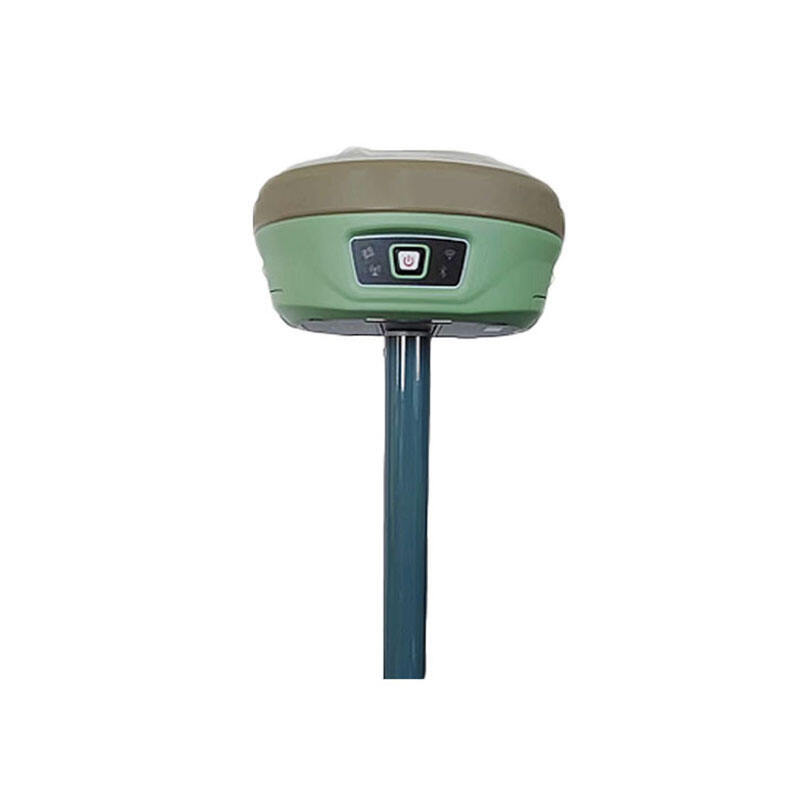
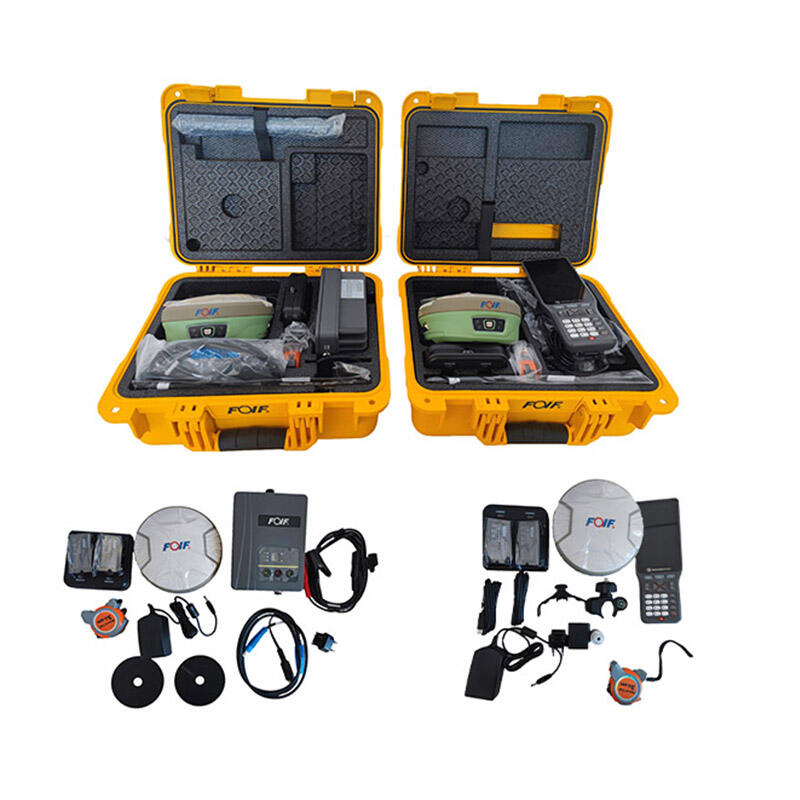
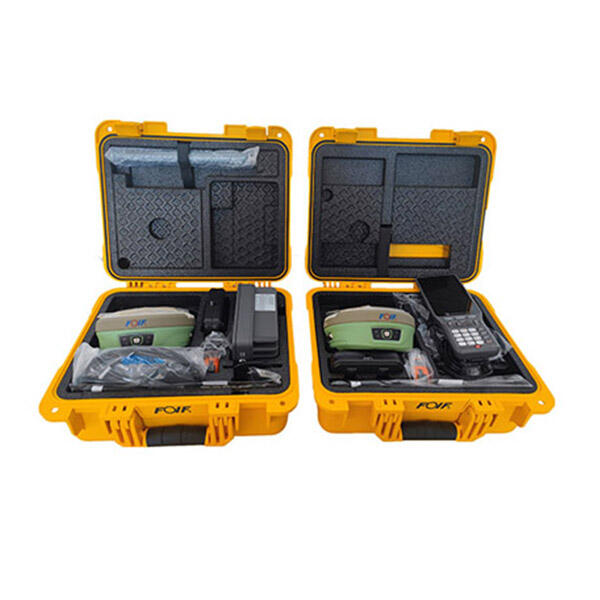
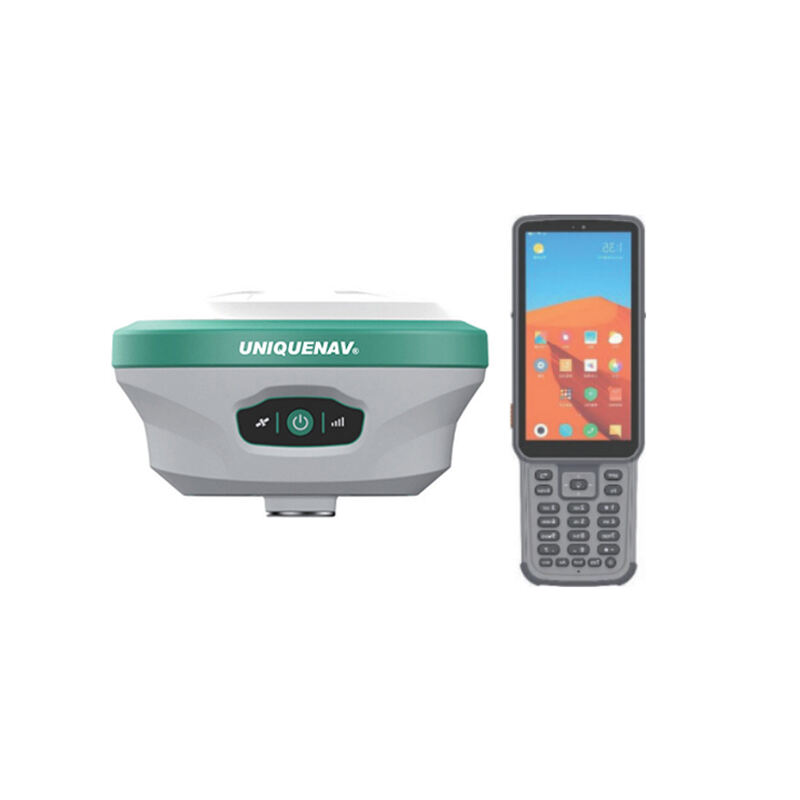
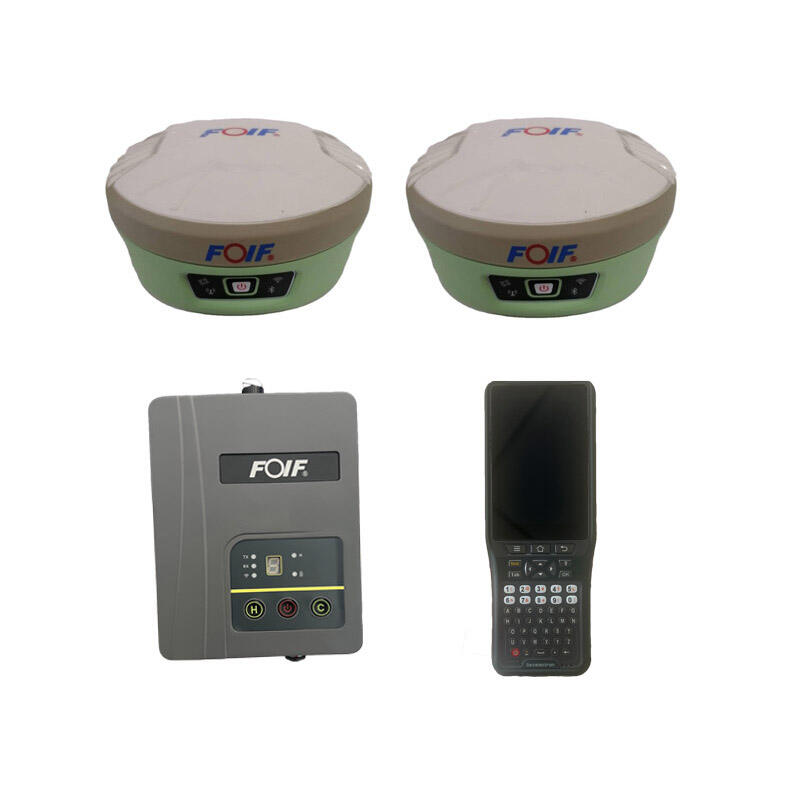
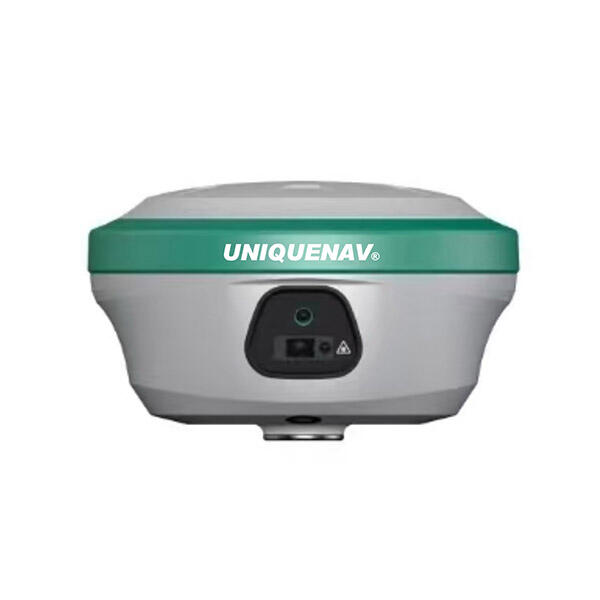
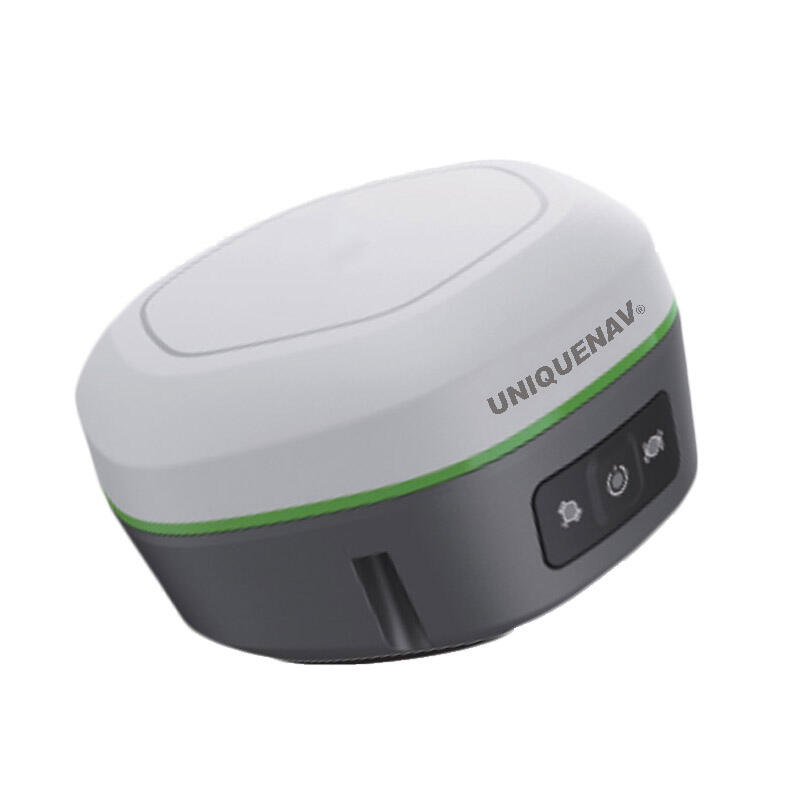
The system RTK represents a revolutionary advancement in precision positioning technology, fundamentally transforming how professionals achieve centimeter-level accuracy in real-time applications. Real-Time Kinematic positioning utilizes a network of reference stations and sophisticated algorithms to deliver unprecedented spatial precision that surpasses traditional GPS capabilities by significant margins. This cutting-edge system RTK employs differential correction techniques, processing satellite signals through advanced mathematical models to eliminate atmospheric disturbances and satellite clock errors that typically compromise standard positioning accuracy. The technological foundation of system RTK relies on carrier phase measurements rather than conventional code-based positioning, enabling it to achieve accuracy levels ranging from one to five centimeters horizontally and vertically. The system RTK architecture consists of multiple interconnected components including base stations, rovers, communication links, and processing software that work harmoniously to deliver consistent results across diverse operational environments. Modern system RTK implementations incorporate multi-constellation satellite support, utilizing GPS, GLONASS, Galileo, and BeiDou signals simultaneously to enhance reliability and reduce convergence times. The communication infrastructure supporting system RTK operations can utilize various transmission methods including radio modems, cellular networks, and internet protocols, ensuring flexible deployment options for different project requirements. Professional applications of system RTK span numerous industries including surveying, construction, agriculture, mining, and maritime operations where precise positioning directly impacts operational efficiency and safety outcomes. The system RTK technology continues evolving with innovations in signal processing, atmospheric modeling, and network architecture, consistently expanding its capabilities and reducing operational complexity for end users across multiple professional domains.


New Products

The system RTK delivers transformative benefits that directly enhance operational productivity and measurement reliability for professionals across multiple industries. Users experience immediate improvements in workflow efficiency as system RTK eliminates the time-consuming post-processing requirements associated with traditional surveying methods, enabling teams to collect and utilize precise measurements instantly in the field. The remarkable accuracy capabilities of system RTK significantly reduce project costs by minimizing measurement errors that often lead to expensive rework, material waste, and construction delays that can impact entire project timelines and budgets. Professional teams utilizing system RTK benefit from enhanced productivity through faster data collection processes, as the technology enables continuous real-time positioning without requiring operators to establish multiple control points or perform complex calibration procedures between measurement sessions. The system RTK provides exceptional reliability in challenging environmental conditions where conventional GPS systems frequently fail, maintaining consistent performance during cloudy weather, in areas with partial satellite visibility, and across varied terrain types that traditionally pose measurement challenges. Integration capabilities of system RTK with existing professional software platforms streamline data management workflows, allowing seamless transfer of precise coordinates directly into CAD programs, GIS applications, and construction management systems without manual data entry or format conversion requirements. The system RTK reduces labor requirements for surveying projects as single operators can efficiently collect highly accurate measurements that previously required multiple team members using conventional equipment, resulting in substantial cost savings for project budgets. Quality control processes benefit significantly from system RTK implementation as the technology provides real-time accuracy indicators and quality metrics, enabling operators to identify and correct potential issues immediately rather than discovering problems during later project phases. The versatility of system RTK applications allows organizations to utilize the same equipment across diverse project types, from boundary surveys and topographic mapping to construction layout and agricultural applications, maximizing return on technology investments. Long-term operational benefits of system RTK include reduced equipment maintenance requirements compared to traditional surveying instruments, lower training costs due to simplified operation procedures, and improved client satisfaction through faster project delivery and enhanced measurement precision that exceeds industry standards consistently.

Tips And Tricks

GNSS RTK: The Ultimate Guide to Real-Time Kinematic Surveying

27

Nov

GNSS RTK: The Ultimate Guide to Real-Time Kinematic Surveying

Real-Time Kinematic (RTK) technology has revolutionized the field of surveying by providing centimeter-level accuracy in positioning measurements. This advanced Global Navigation Satellite System (GNSS) technique enables surveyors, construction profe...
View More
How Can RTK Improve Surveying Precision for Large Construction Sites?

22

Dec

How Can RTK Improve Surveying Precision for Large Construction Sites?

Modern construction projects demand unprecedented accuracy and efficiency, particularly when dealing with expansive development sites spanning hundreds of acres. Traditional surveying methods often fall short when faced with the complexities of large...
View More
How Does a Digital Level Improve Accuracy in Construction Measurements?

13

Jan

How Does a Digital Level Improve Accuracy in Construction Measurements?

Construction professionals understand that precision forms the foundation of every successful project. Modern building techniques demand measurement accuracy that surpasses traditional methods, making the digital level an indispensable tool for contr...
View More
How Does a Theodolite Compare to Total Stations in Practical Use?

11

Feb

How Does a Theodolite Compare to Total Stations in Practical Use?

Surveying professionals and construction engineers face critical decisions when selecting measurement instruments for their projects. The choice between traditional surveying tools and modern integrated systems can significantly impact project effici...
View More

Get a Free Quote

Our representative will contact you soon.
Email
Name
Company Name
Message
0/1000

system rtk

Centimeter-Level Precision for Professional Applications

Centimeter-Level Precision for Professional Applications

The system RTK achieves unprecedented measurement accuracy that revolutionizes professional positioning applications across diverse industries requiring precise spatial data. This remarkable precision capability stems from sophisticated signal processing algorithms that analyze carrier phase measurements from multiple satellite constellations simultaneously, delivering horizontal and vertical accuracy within one to five centimeters under optimal conditions. The system RTK precision advantage becomes particularly valuable in construction projects where millimeter-level errors can compound into significant structural problems, costly material waste, and safety hazards that impact entire development timelines. Professional surveyors utilizing system RTK technology can confidently establish property boundaries, create detailed topographic maps, and perform construction stakeout operations with accuracy levels that exceed traditional surveying methods by orders of magnitude. The precision benefits of system RTK extend beyond basic measurement accuracy to include consistent repeatability, meaning operators can return to previously surveyed locations and achieve identical coordinate values within the specified accuracy tolerance, ensuring data reliability for long-term monitoring projects and legal documentation requirements. Engineering applications particularly benefit from system RTK precision as infrastructure projects demand exact positioning for utilities, roadways, and structural elements where minor deviations can result in expensive corrections or safety concerns. The system RTK maintains its exceptional accuracy across varied operational environments, from urban areas with challenging satellite visibility to remote locations where traditional surveying methods might struggle with accessibility or reference point establishment. Quality assurance processes are significantly enhanced through system RTK precision capabilities, as operators receive real-time accuracy indicators and statistical quality metrics that enable immediate verification of measurement reliability without requiring secondary confirmation surveys or post-processing validation procedures that delay project completion.
Real-Time Data Collection and Instant Results

Real-Time Data Collection and Instant Results

The system RTK transforms traditional surveying workflows by eliminating post-processing delays and delivering precise positioning data immediately during field operations, enabling professionals to make critical decisions and adjustments in real-time. This instantaneous data availability represents a fundamental shift from conventional surveying methods that require hours or days of office-based processing before results become available for project implementation. The real-time capabilities of system RTK enable construction teams to perform layout operations, verify as-built conditions, and conduct quality control inspections simultaneously during active construction phases, significantly accelerating project timelines and reducing coordination complexities between different trades and project phases. Professional surveyors benefit immensely from system RTK real-time functionality as they can immediately verify measurement accuracy, identify potential errors, and collect additional data points when necessary, all within the same field session rather than discovering issues during subsequent office processing that would require expensive return trips to project sites. The system RTK real-time processing capabilities extend beyond basic coordinate collection to include sophisticated quality control algorithms that continuously monitor satellite geometry, atmospheric conditions, and signal quality parameters, providing operators with confidence indicators and accuracy estimates that ensure measurement reliability throughout data collection activities. Project management efficiency improves dramatically with system RTK real-time capabilities as teams can share precise coordinates immediately with other project stakeholders, enabling concurrent design modifications, material ordering, and construction planning activities that traditionally waited for completed survey deliverables. The real-time nature of system RTK data collection eliminates the risk of discovering measurement errors or omissions after field crews have departed project sites, reducing costly mobilization expenses and project delays that impact overall budgets and completion schedules. Integration with mobile computing platforms enables system RTK users to visualize collected data immediately within project context, facilitating better decision-making processes and enhanced collaboration between field personnel and office-based design teams throughout project lifecycles.
Multi-Constellation Satellite Support and Enhanced Reliability

Multi-Constellation Satellite Support and Enhanced Reliability

The system RTK leverages advanced multi-constellation satellite technology that simultaneously utilizes GPS, GLONASS, Galileo, and BeiDou satellite systems to deliver unparalleled positioning reliability and performance consistency across challenging operational environments. This comprehensive satellite support significantly enhances system RTK capabilities by providing increased satellite availability, improved geometric diversity, and enhanced signal redundancy that maintains positioning accuracy even when individual satellite systems experience outages or degraded performance conditions. The multi-constellation approach of system RTK proves particularly valuable in urban environments where buildings, bridges, and other structures create satellite masking conditions that would severely compromise single-constellation positioning systems, ensuring continuous operation in metropolitan areas where traditional GPS systems frequently struggle with signal availability and accuracy maintenance. Professional applications benefit substantially from system RTK multi-constellation support as the technology reduces convergence times required to achieve full positioning accuracy, enabling faster project startup procedures and minimizing delays associated with satellite acquisition and initialization processes that traditionally consume valuable field time. The enhanced reliability provided by system RTK multi-constellation support translates directly into improved productivity for professional users as they experience fewer interruptions, reduced repositioning requirements, and more consistent performance across varied terrain types and atmospheric conditions that impact satellite signal propagation. Quality control processes are strengthened through system RTK multi-constellation capabilities as the increased satellite availability enables more robust error detection algorithms and improved accuracy validation procedures that enhance confidence in collected measurements and reduce risks associated with undetected positioning errors. The system RTK multi-constellation support provides future-proofing benefits as new satellite systems come online and existing constellations expand their capabilities, ensuring long-term technology viability and continued performance improvements without requiring complete equipment replacement or significant operational modifications for existing users.

Get a Free Quote

Our representative will contact you soon.
Email
Name
Company Name
Message
0/1000