cost of rtk gps system
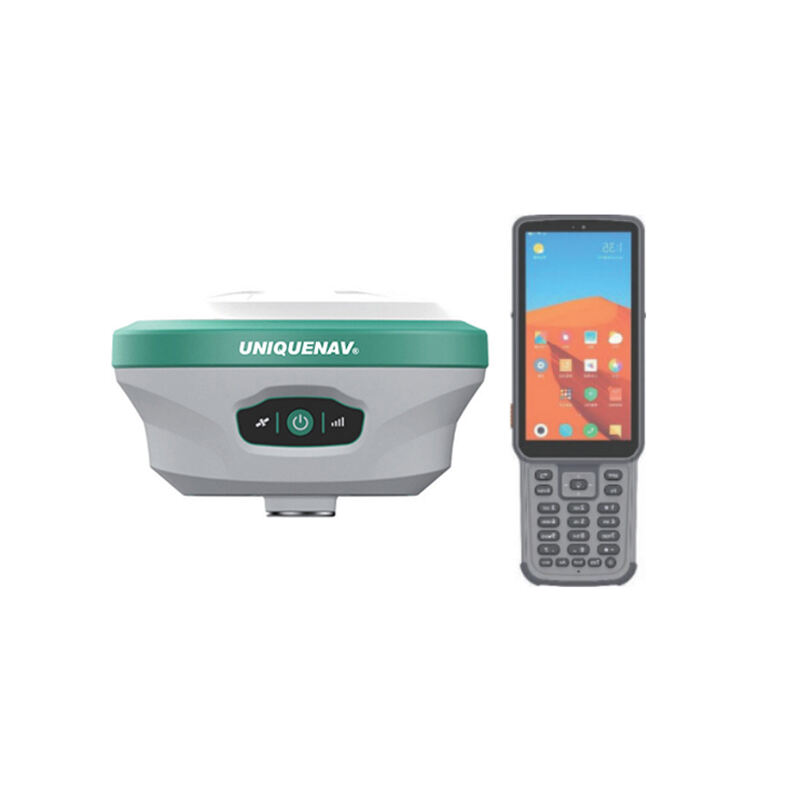
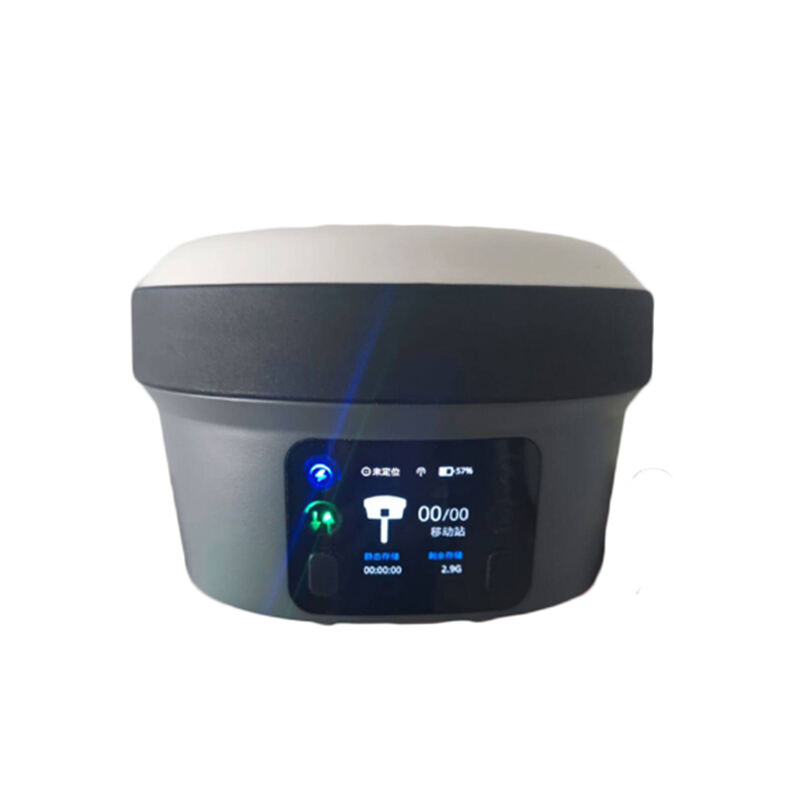
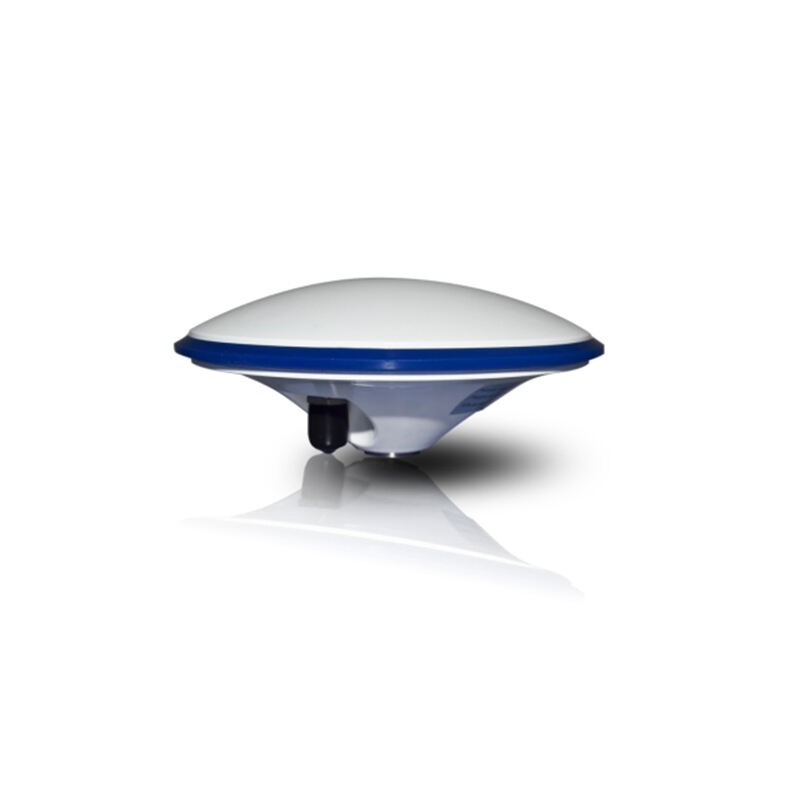
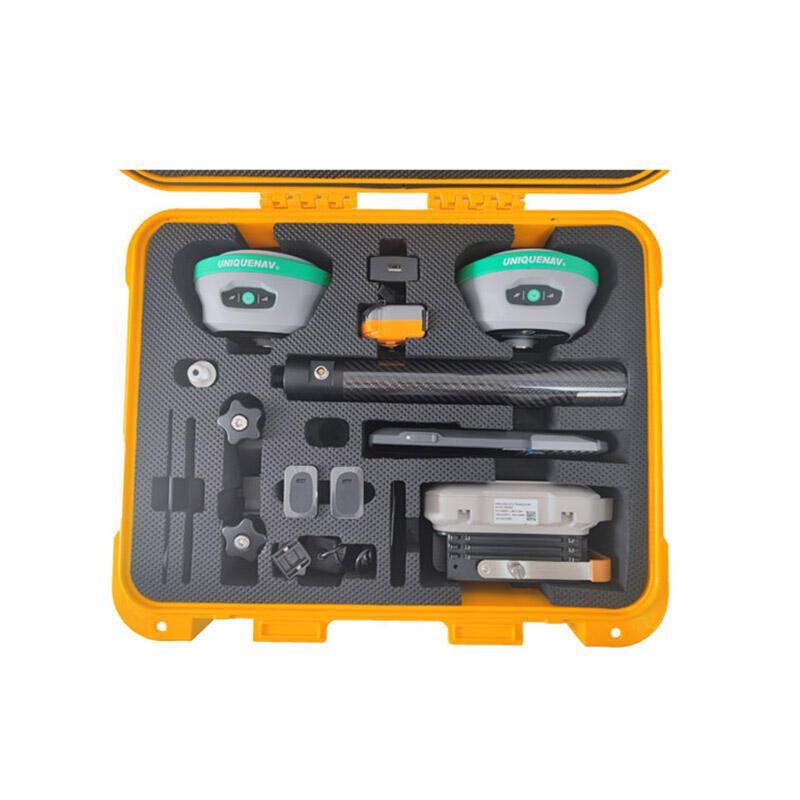
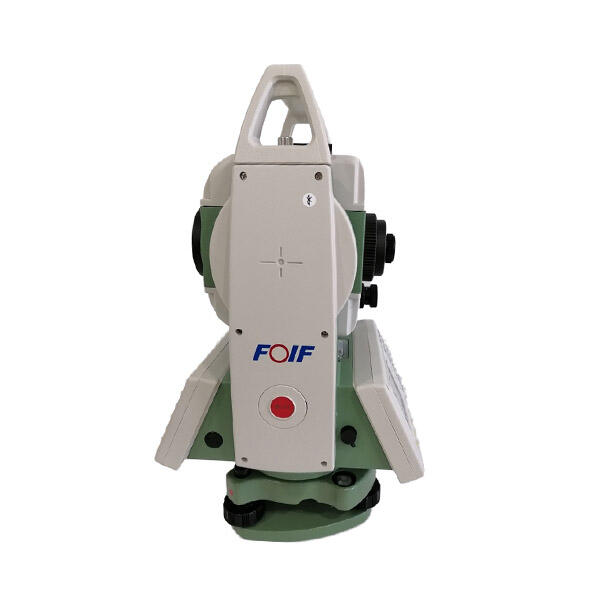
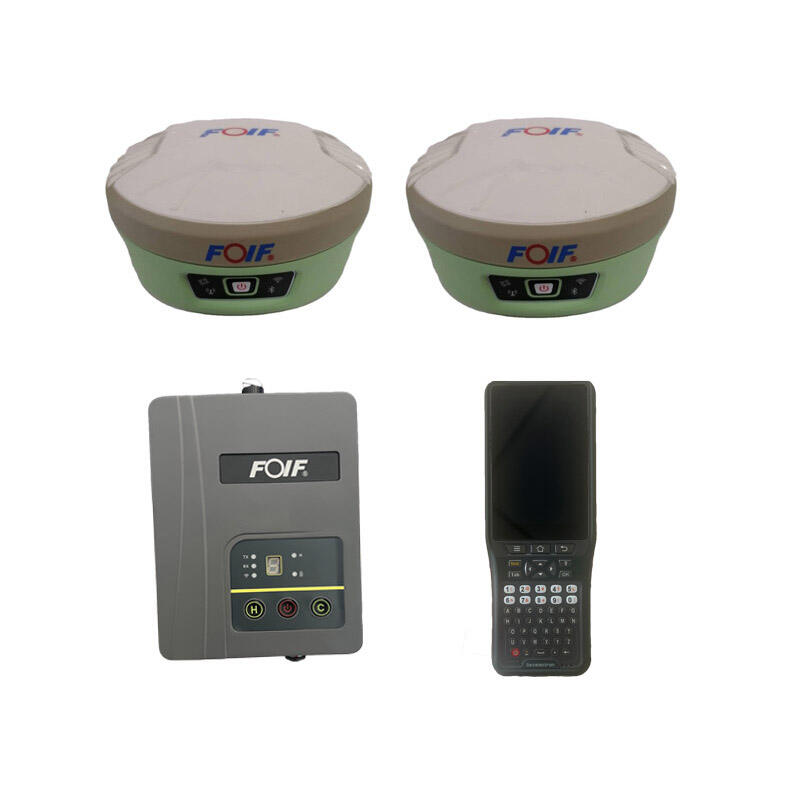
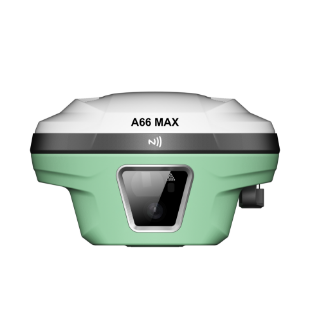
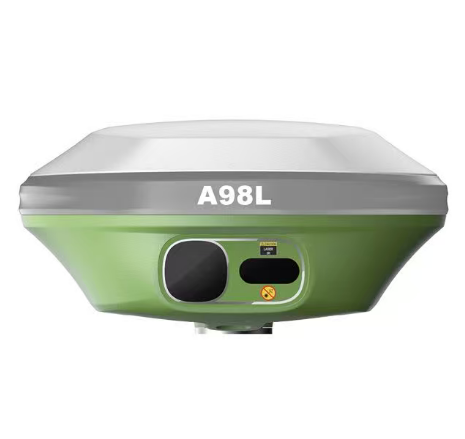
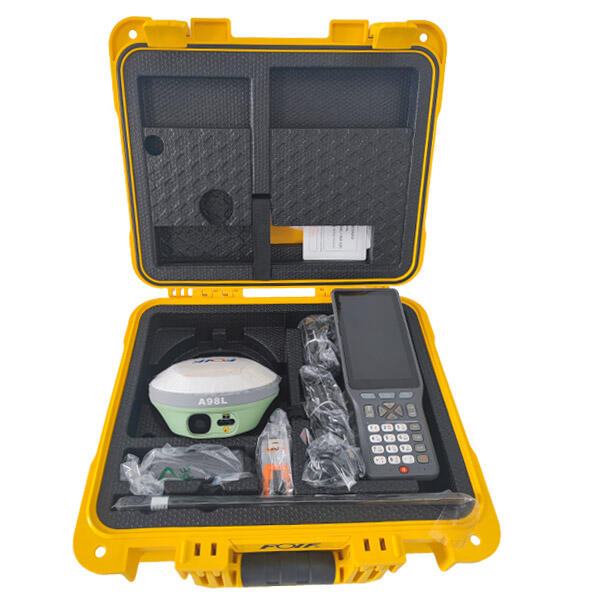
Understanding the cost of RTK GPS system requires examining both initial investment and long-term value proposition. Real-Time Kinematic GPS technology represents a significant advancement in positioning accuracy, delivering centimeter-level precision that transforms surveying, agriculture, construction, and mapping applications. The cost of RTK GPS system varies considerably based on specifications, ranging from $3,000 for basic handheld units to $50,000 for professional-grade base station configurations. This investment encompasses sophisticated hardware components including dual-frequency receivers, advanced antenna systems, and robust communication modules that enable real-time corrections. The technological foundation relies on carrier-phase measurements and differential corrections, processing signals from multiple satellite constellations including GPS, GLONASS, Galileo, and BeiDou. These systems utilize base stations transmitting correction data to rover units, eliminating atmospheric interference and satellite orbit errors that typically affect standard GPS accuracy. Modern RTK solutions incorporate cellular, radio, or internet connectivity for seamless data transmission across distances up to 20 kilometers. Applications span precision agriculture where farmers optimize planting patterns and fertilizer application, surveying projects requiring millimeter accuracy for boundary establishment, construction site management ensuring proper grade and alignment, and autonomous vehicle navigation systems. The cost of RTK GPS system justifies itself through enhanced productivity, reduced rework, and superior data quality. Professional units feature rugged designs withstanding harsh environmental conditions, extended battery life supporting full-day operations, and intuitive software interfaces streamlining workflow management. Investment considerations include ongoing subscription fees for correction services, software updates, and technical support packages. Enterprise-level systems often integrate with existing CAD software and project management platforms, maximizing return on investment through seamless data integration and automated reporting capabilities.

 EN
EN