rtk precision
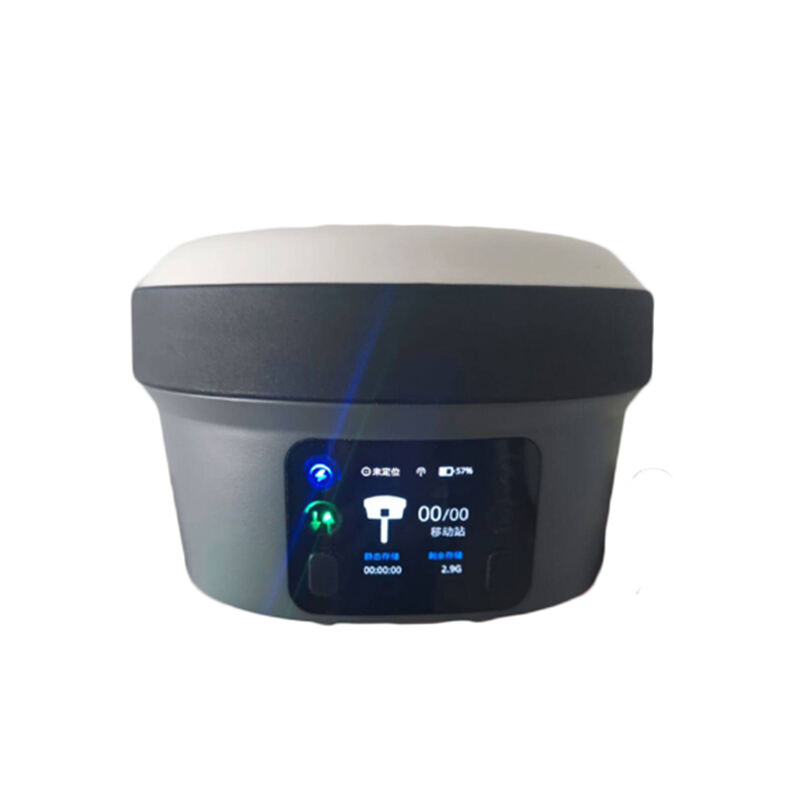
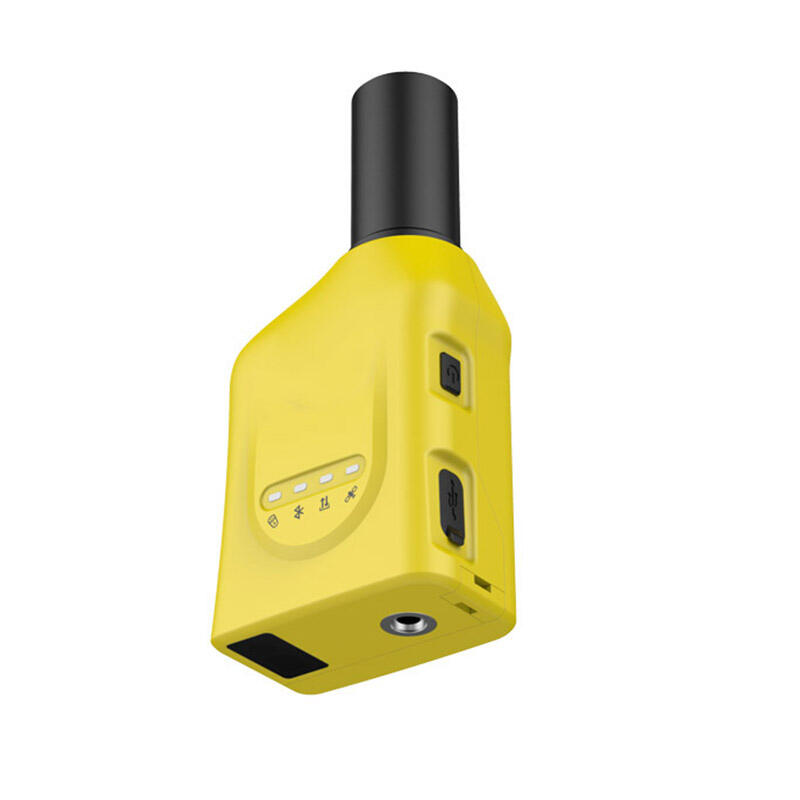
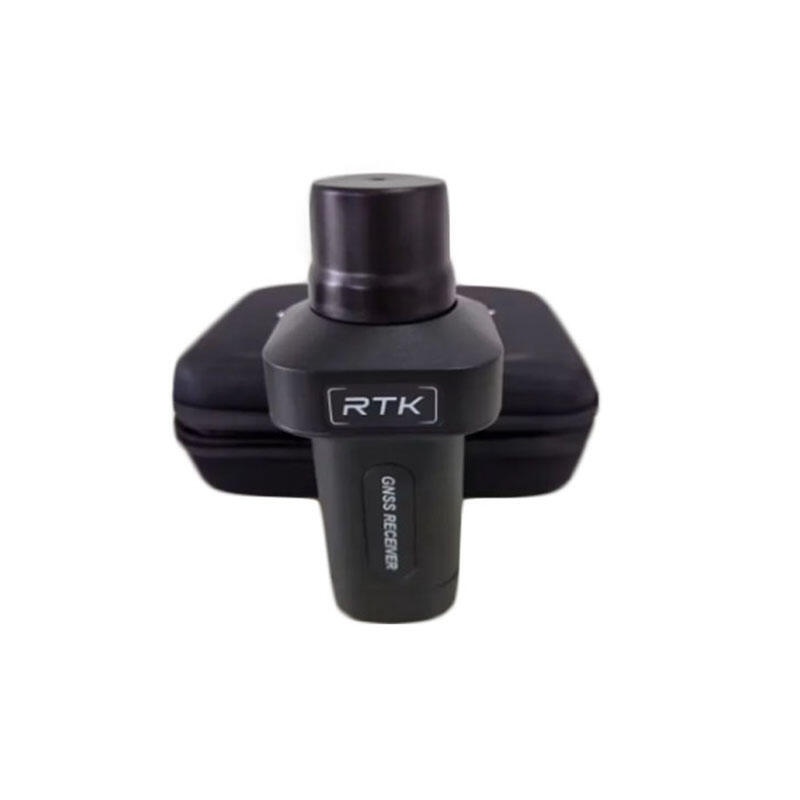
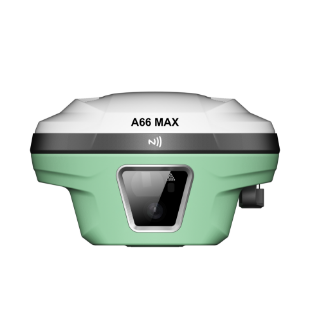
RTK precision technology represents a revolutionary advancement in Global Navigation Satellite System (GNSS) positioning, delivering centimeter-level accuracy for professional surveying, construction, and mapping applications. Real-Time Kinematic positioning utilizes a sophisticated network of reference stations and correction data to eliminate atmospheric errors, satellite clock drift, and orbital inaccuracies that traditionally limit GPS precision. The RTK precision system operates by establishing a base station at a known coordinate location, which continuously monitors satellite signals and calculates positioning errors in real-time. This correction information transmits wirelessly to mobile RTK precision receivers, enabling them to achieve positioning accuracy within 1-2 centimeters horizontally and 2-3 centimeters vertically. Modern RTK precision equipment incorporates multi-constellation satellite tracking, supporting GPS, GLONASS, Galileo, and BeiDou systems simultaneously for enhanced reliability and faster convergence times. The technology excels in challenging environments where traditional surveying methods prove time-consuming or impractical. Construction professionals rely on RTK precision for machine guidance, grade control, and structural layout verification. Agricultural operations utilize RTK precision for automated steering systems, variable rate applications, and field mapping with unprecedented accuracy. Surveying professionals employ RTK precision for boundary establishment, topographic mapping, and infrastructure development projects. The system's real-time capabilities eliminate post-processing requirements, streamlining workflow efficiency and reducing project timelines. RTK precision receivers feature rugged designs capable of withstanding harsh environmental conditions while maintaining consistent performance. Advanced signal processing algorithms ensure reliable positioning even in areas with limited satellite visibility or electromagnetic interference. The technology supports various communication methods including radio, cellular, and internet protocols for flexible deployment across diverse project requirements.

 EN
EN