Seamless Integration with Professional Workflows
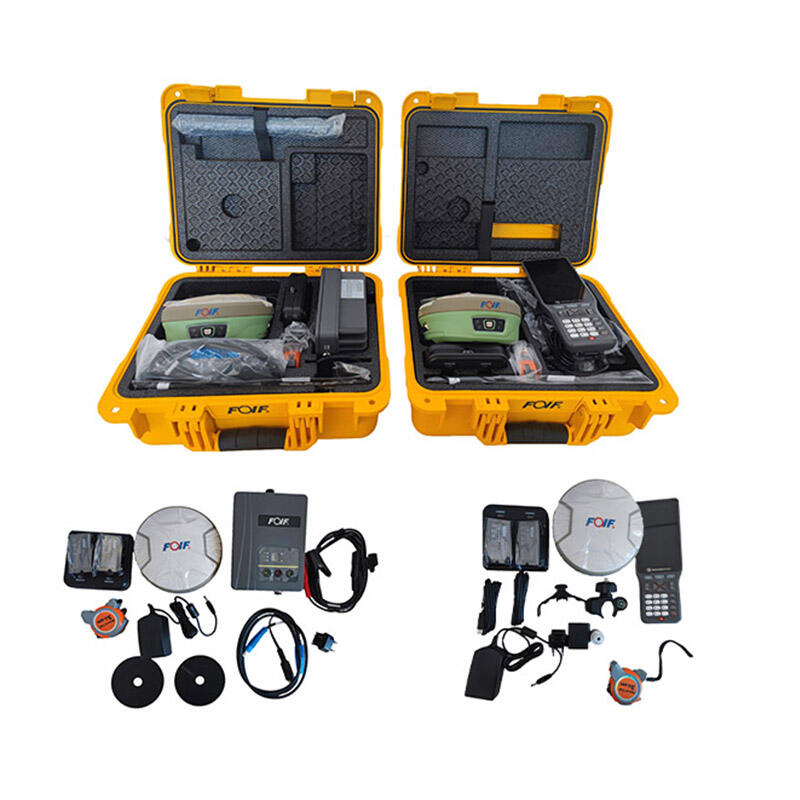
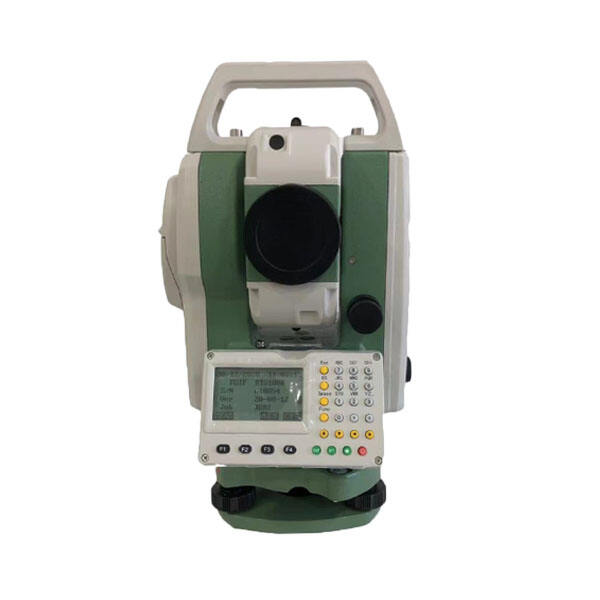
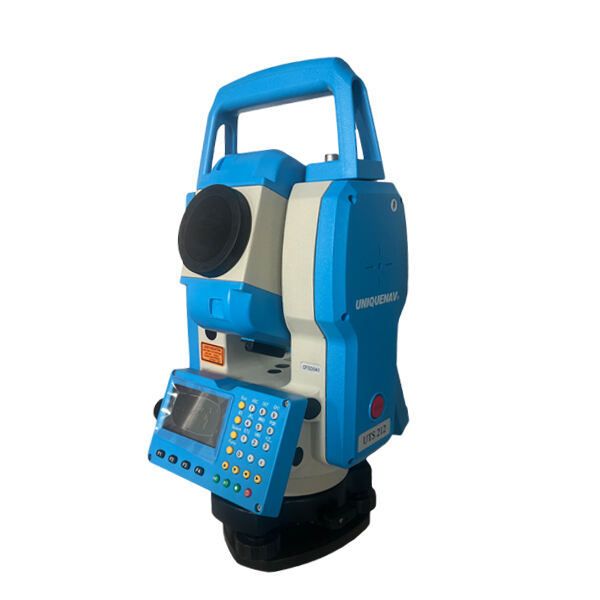
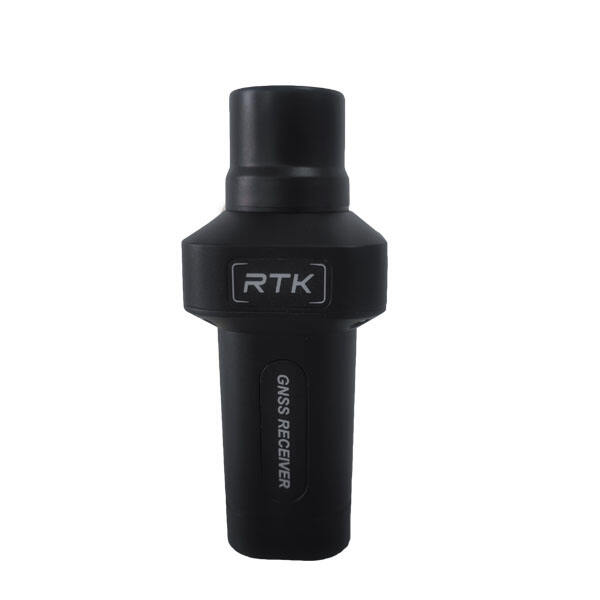
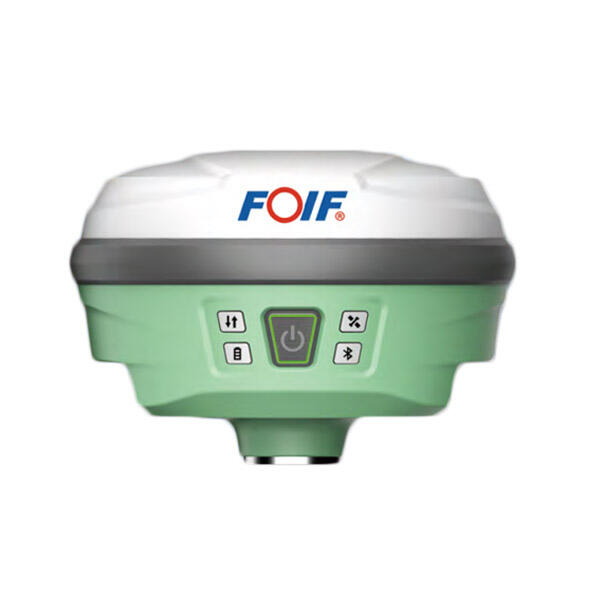
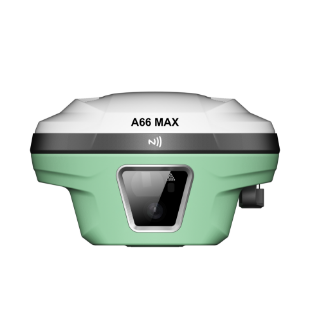
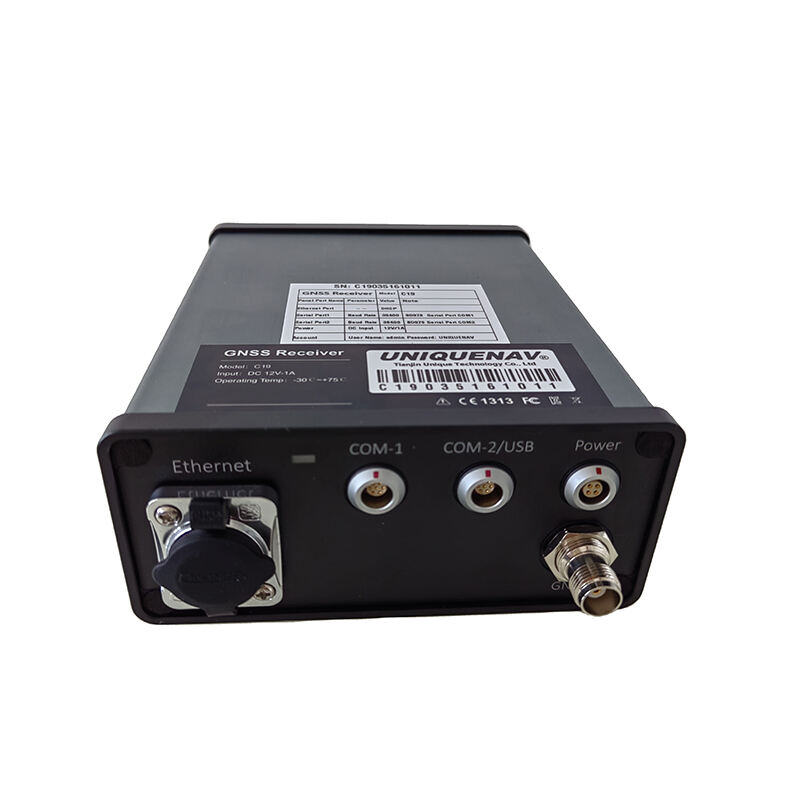
Android rtk systems excel in their ability to integrate seamlessly with existing professional workflows and industry-standard software platforms, eliminating the traditional barriers between field data collection and office processing. This integration capability represents a fundamental shift in how surveying and mapping professionals approach their projects, enabling direct data flow from field measurements to CAD systems, GIS platforms, and project management software without intermediate conversion steps. The android rtk technology supports numerous industry-standard file formats including DXF, SHP, KML, and CSV, ensuring compatibility with popular software packages such as AutoCAD, ArcGIS, and various construction management platforms. This compatibility eliminates time-consuming data conversion processes and reduces opportunities for transcription errors that commonly occur when manually transferring measurements. Professional users can configure android rtk applications to automatically format data according to specific project requirements, including coordinate system transformations, unit conversions, and attribute assignments that align with downstream processing needs. The system supports real-time data synchronization with cloud-based platforms, enabling immediate access to field measurements from office locations and facilitating collaboration between field crews and design teams. This connectivity proves invaluable for large projects requiring coordination between multiple stakeholders, as project managers can monitor progress and quality in real-time without physical site visits. The android rtk integration extends to popular surveying software suites, allowing users to import field measurements directly into familiar processing environments where they can apply additional analysis, generate reports, and create deliverable drawings. Advanced android rtk systems support bi-directional data exchange, enabling users to download design coordinates and reference points directly to their mobile devices, ensuring field measurements align perfectly with project specifications. This integration capability significantly reduces project timelines by eliminating traditional data transfer bottlenecks and manual processing steps, while improving accuracy through reduced human intervention in data handling processes.

 EN
EN