rtk survey
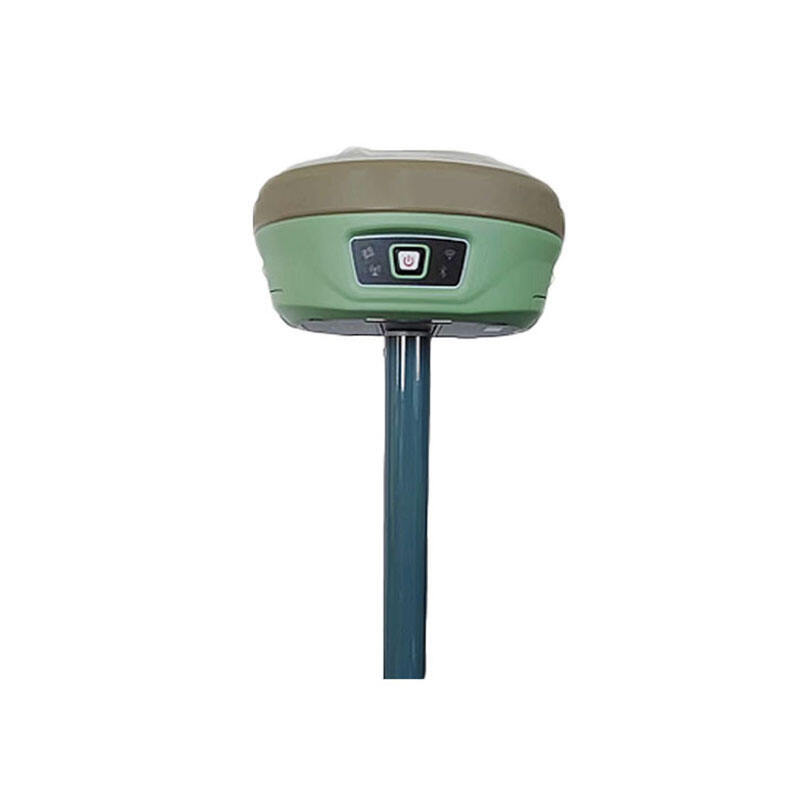
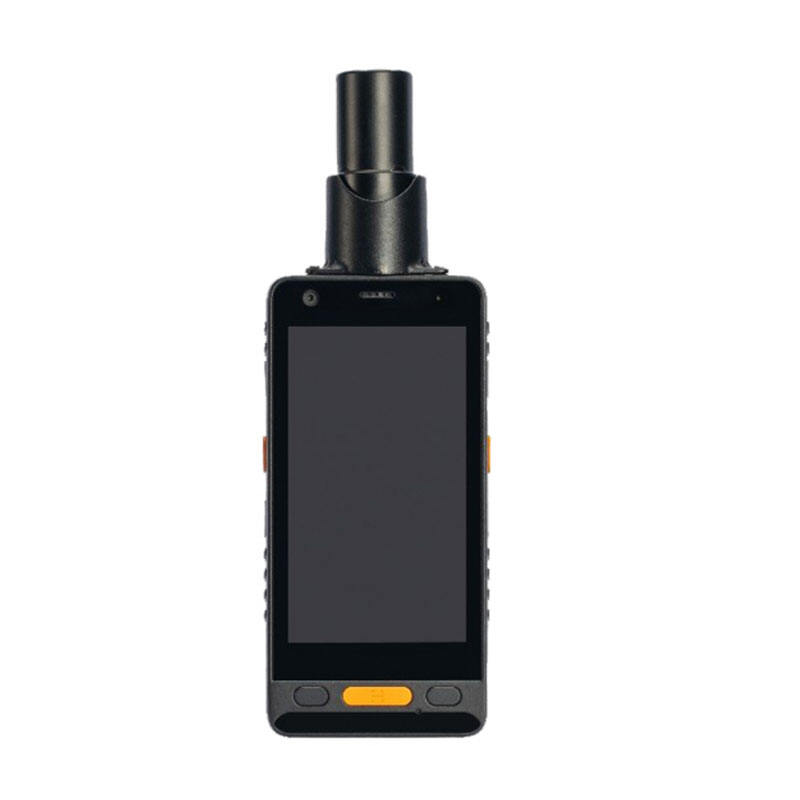
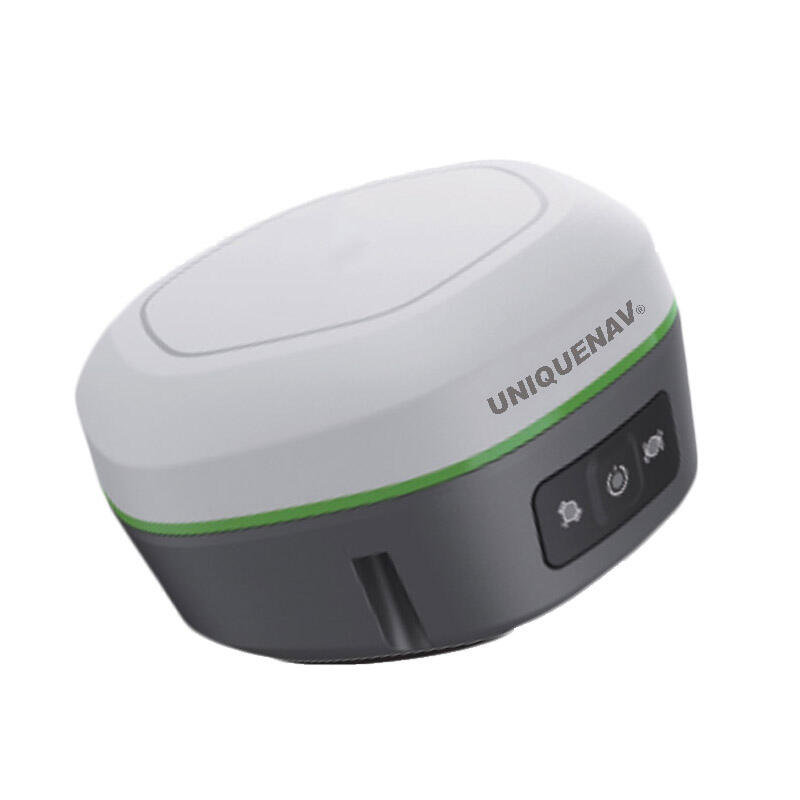
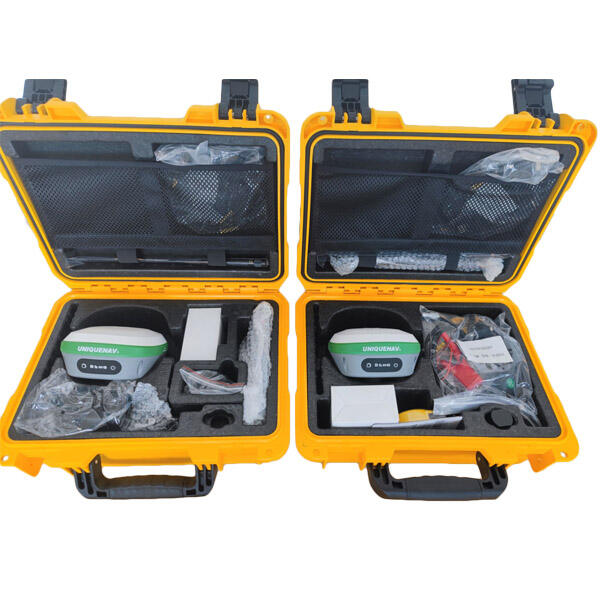
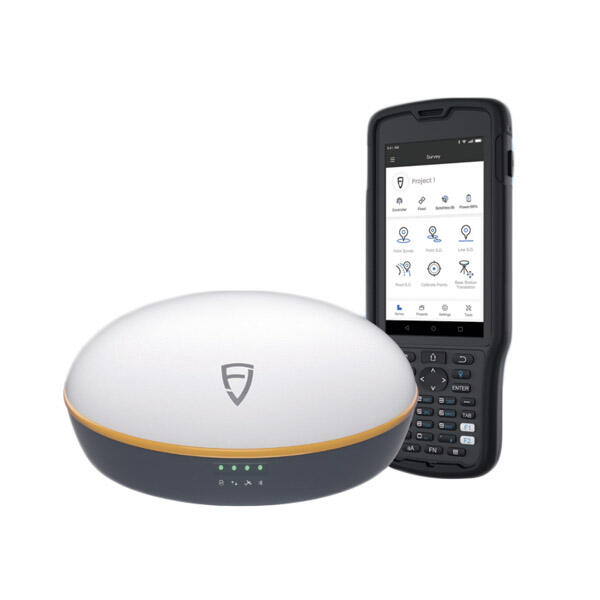
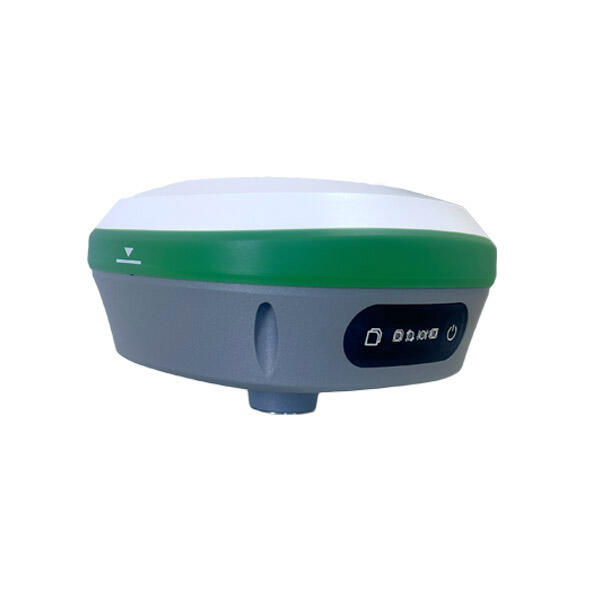
Real-Time Kinematic (RTK) survey technology represents a revolutionary advancement in Global Navigation Satellite System (GNSS) positioning, delivering centimeter-level accuracy for professional surveying applications. This sophisticated positioning method utilizes a network of base stations and mobile receivers to provide instantaneous corrections to satellite signals, enabling surveyors to achieve unprecedented precision in their measurements. The RTK survey system operates by establishing a reference station at a known coordinate location, which continuously monitors satellite signals and calculates correction data. This information is transmitted in real-time to rover units operating within the coverage area, allowing field personnel to obtain highly accurate positioning data without the traditional delays associated with post-processing methods. The technological foundation of RTK survey systems relies on advanced algorithms that analyze carrier phase measurements from multiple satellite constellations, including GPS, GLONASS, Galileo, and BeiDou networks. These systems can track dozens of satellites simultaneously, ensuring robust signal reception even in challenging environments with partial sky obstruction. The RTK survey methodology incorporates sophisticated error modeling techniques that compensate for atmospheric delays, satellite orbit uncertainties, and other systematic errors that can affect positioning accuracy. Modern RTK survey equipment features integrated communication capabilities, supporting various data transmission methods including radio modems, cellular networks, and internet protocols. This connectivity enables seamless coordination between multiple survey teams and central office operations, facilitating efficient project management and quality control procedures. The versatility of RTK survey technology extends across numerous industries, from construction and engineering to agriculture and environmental monitoring. Applications include topographic mapping, construction layout, infrastructure development, property boundary determination, and precision agriculture operations. The technology's ability to provide immediate results significantly reduces field time requirements while maintaining the highest standards of accuracy demanded by professional surveying practices.

 EN
EN