RTK Accuracy: Precision GNSS Positioning Technology for Professional Applications

All Categories

rtk accuracy

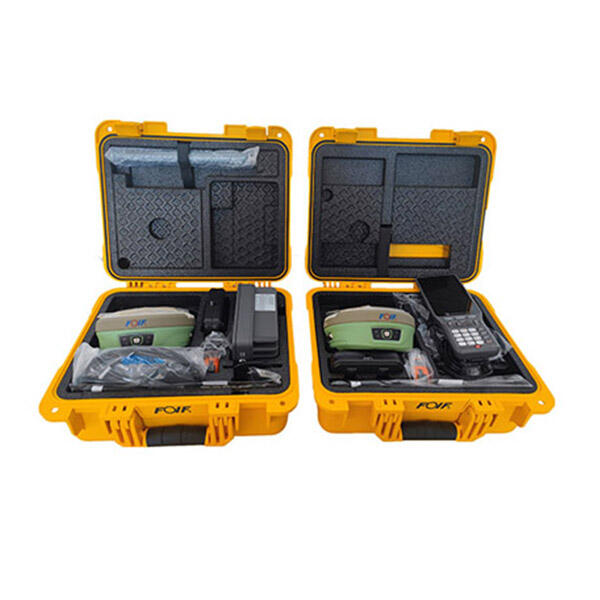
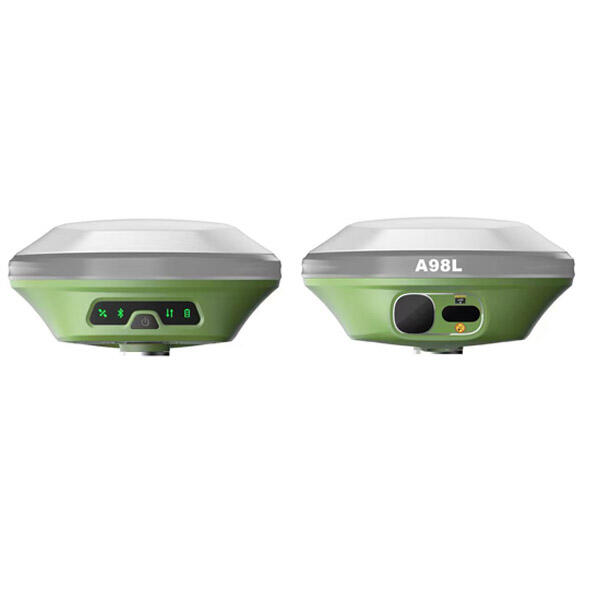
RTK accuracy represents a revolutionary advancement in Global Navigation Satellite System (GNSS) positioning technology that delivers centimeter-level precision for surveying, mapping, construction, and precision agriculture applications. Real-Time Kinematic positioning works by establishing a communication link between a base station with a known position and one or more mobile receivers operating in the field. This sophisticated system corrects satellite signal errors in real-time, dramatically improving positioning accuracy from several meters to just a few centimeters. The technology operates by transmitting correction data from the base station to rover units, enabling them to achieve extraordinary precision levels that were previously impossible with standard GPS systems. RTK accuracy systems utilize carrier-phase measurements of satellite signals rather than simple code-phase measurements, allowing for sub-centimeter positioning capabilities. Modern RTK accuracy solutions incorporate advanced algorithms that process multiple satellite constellations including GPS, GLONASS, Galileo, and BeiDou simultaneously, ensuring robust performance even in challenging environments. The base station continuously monitors satellite signals and calculates correction factors for atmospheric delays, satellite clock errors, and orbital discrepancies. These corrections are then transmitted to mobile receivers via radio, cellular networks, or internet connections, enabling real-time positioning with exceptional accuracy. RTK accuracy technology has become indispensable across numerous industries where precise positioning is critical for operational success, safety, and regulatory compliance. From construction site layout to precision farming operations, RTK accuracy systems provide the foundation for modern high-precision applications that demand reliable, consistent, and instantaneous positioning data.


New Products

RTK accuracy technology delivers transformative benefits that revolutionize how professionals approach precision positioning tasks across multiple industries. The primary advantage lies in the remarkable positioning precision that RTK accuracy systems provide, typically achieving horizontal accuracies within 1-2 centimeters and vertical accuracies within 2-3 centimeters under optimal conditions. This level of precision eliminates the need for time-consuming traditional surveying methods while dramatically reducing project completion times and labor costs. Users experience immediate productivity gains as RTK accuracy enables real-time decision-making in the field, eliminating the delays associated with post-processing data or returning to office environments for analysis. The technology significantly reduces human error by providing consistent, reliable measurements that maintain accuracy throughout extended operational periods. Construction teams benefit from streamlined workflows as RTK accuracy allows for direct machine guidance and automated grading operations, reducing material waste and ensuring precise adherence to design specifications. Agricultural professionals gain competitive advantages through variable rate application capabilities that RTK accuracy enables, optimizing seed placement, fertilizer distribution, and harvesting operations to maximize yields while minimizing input costs. The versatility of RTK accuracy systems allows seamless integration with existing equipment and software platforms, protecting previous technology investments while enhancing overall operational capabilities. Field crews appreciate the user-friendly interfaces and intuitive operation that modern RTK accuracy systems provide, reducing training requirements and enabling faster adoption across organizations. The reliability of RTK accuracy technology ensures consistent performance in diverse environmental conditions, from dense urban environments with challenging satellite visibility to remote rural locations where traditional positioning methods may struggle. Long-term cost savings become apparent through reduced rework, improved project quality, and enhanced operational efficiency that RTK accuracy delivers consistently across applications.

Tips And Tricks

How Can RTK Improve Surveying Precision for Large Construction Sites?

22

Dec

How Can RTK Improve Surveying Precision for Large Construction Sites?

Modern construction projects demand unprecedented accuracy and efficiency, particularly when dealing with expansive development sites spanning hundreds of acres. Traditional surveying methods often fall short when faced with the complexities of large...
View More
How Do Total Stations Support High-Accuracy Layout in Construction?

13

Jan

How Do Total Stations Support High-Accuracy Layout in Construction?

Construction projects demand exceptional precision when establishing accurate layout points and measurements across job sites. Modern surveying instruments have revolutionized how construction professionals approach dimensional control and spatial po...
View More
What Should Buyers Compare When Sourcing RTK GPS Equipment?

13

Jan

What Should Buyers Compare When Sourcing RTK GPS Equipment?

Modern construction, surveying, and agricultural operations increasingly rely on precise positioning technology to achieve millimeter-level accuracy in their work. When sourcing RTK GPS equipment, buyers face numerous technical specifications, featur...
View More
What Key Features Should You Check When Buying an Auto Level?

11

Feb

What Key Features Should You Check When Buying an Auto Level?

When precision matters most in construction and surveying projects, selecting the right auto level becomes a critical decision that can impact the success of your entire operation. An auto level serves as the backbone of accurate height measurements ...
View More

Get a Free Quote

Our representative will contact you soon.
Email
Name
Company Name
Message
0/1000

rtk accuracy

Unmatched Precision Performance in Real-Time Operations

Unmatched Precision Performance in Real-Time Operations

RTK accuracy technology stands apart from conventional positioning systems by delivering extraordinary precision that transforms professional workflows across demanding applications. The sophisticated carrier-phase measurement techniques employed by RTK accuracy systems enable positioning precision within 1-2 centimeters horizontally and 2-3 centimeters vertically, representing accuracy levels that are 50 to 100 times more precise than standard GPS systems. This exceptional precision performance occurs in real-time, eliminating the delays and uncertainties associated with post-processing methods that can introduce errors and extend project timelines. The advanced signal processing algorithms within RTK accuracy systems continuously analyze satellite data from multiple constellations simultaneously, ensuring robust positioning solutions even when individual satellites experience signal interference or atmospheric disturbances. Professional users benefit from consistent accuracy throughout their operational day, as RTK accuracy maintains its precision performance across varying environmental conditions and extended working periods. The technology automatically compensates for atmospheric delays, satellite orbital errors, and ionospheric disturbances that can degrade positioning accuracy in standard GPS applications. Construction professionals rely on this precision for critical tasks such as foundation layout, structural alignment, and quality control inspections where millimeter-level accuracy directly impacts project success and safety compliance. Surveying teams achieve unprecedented productivity by eliminating traditional measurement verification procedures, as RTK accuracy provides confidence in first-time measurements that previously required multiple confirmation readings. The real-time nature of RTK accuracy enables immediate validation of positioning data, allowing field crews to identify and correct potential issues before they impact project schedules or quality standards.
Seamless Multi-Constellation Integration for Enhanced Reliability

Seamless Multi-Constellation Integration for Enhanced Reliability

Modern RTK accuracy systems leverage advanced multi-constellation technology that simultaneously processes signals from GPS, GLONASS, Galileo, BeiDou, and regional satellite systems to deliver unparalleled reliability and availability in challenging operational environments. This comprehensive satellite integration approach ensures that RTK accuracy maintains consistent performance even when individual constellation signals are compromised by atmospheric conditions, physical obstructions, or temporary satellite outages. The intelligent satellite selection algorithms within RTK accuracy systems continuously evaluate signal quality and geometry to optimize positioning solutions using the best available satellite combinations at any given moment. Users benefit from enhanced positioning availability in urban canyons, dense forests, and mountainous terrain where single-constellation systems may struggle to maintain adequate satellite visibility for reliable operation. The redundancy provided by multi-constellation integration significantly reduces the risk of positioning interruptions that could impact critical operations or project deadlines. Professional applications requiring continuous RTK accuracy performance, such as automated construction equipment guidance or precision agriculture operations, gain substantial operational advantages from this enhanced reliability. The system automatically transitions between satellite constellations seamlessly, maintaining positioning continuity without user intervention or operational disruptions. This robust architecture ensures that RTK accuracy delivers consistent performance across global regions where different satellite constellations may offer varying levels of coverage and signal strength. The multi-constellation approach also improves positioning initialization times, enabling faster startup procedures and reducing operational delays when beginning work in new locations. Advanced interference mitigation capabilities protect RTK accuracy performance from radio frequency interference and jamming attempts that might compromise single-constellation systems, ensuring reliable operation in sensitive or high-security environments.
Advanced Integration Capabilities with Modern Workflows

Advanced Integration Capabilities with Modern Workflows

RTK accuracy technology excels through its sophisticated integration capabilities that seamlessly connect with existing equipment, software platforms, and operational workflows across diverse professional applications. Modern RTK accuracy systems feature comprehensive communication protocols including Bluetooth, Wi-Fi, cellular, and radio connections that enable flexible deployment options tailored to specific operational requirements and environmental constraints. The open architecture design of contemporary RTK accuracy solutions supports industry-standard data formats and protocols, ensuring compatibility with leading surveying software, CAD applications, GIS platforms, and machine control systems without requiring extensive customization or proprietary interfaces. Professional users appreciate the plug-and-play functionality that allows RTK accuracy systems to integrate directly with total stations, laser scanners, UAV platforms, and construction machinery, creating comprehensive positioning solutions that enhance overall operational efficiency. The cloud-based connectivity options available with modern RTK accuracy systems enable real-time data sharing between field crews, office personnel, and project stakeholders, facilitating collaborative workflows and immediate decision-making capabilities. Advanced API support allows custom software development and integration with enterprise resource planning systems, enabling organizations to incorporate RTK accuracy data into broader business processes and reporting structures. The scalable nature of RTK accuracy integration means that organizations can start with basic positioning requirements and gradually expand system capabilities as operational needs evolve or project complexity increases. Mobile device integration through dedicated applications provides intuitive user interfaces that simplify RTK accuracy operation while maintaining access to advanced configuration options and diagnostic tools. The system supports multiple simultaneous users operating from a single base station, enabling cost-effective deployment across large project sites or organizational departments. Remote monitoring and diagnostic capabilities allow technical support teams to troubleshoot RTK accuracy systems remotely, minimizing downtime and ensuring consistent operational performance across distributed work environments.

Get a Free Quote

Our representative will contact you soon.
Email
Name
Company Name
Message
0/1000