RTK GPS Accuracy: Centimeter-Precision Positioning Technology for Professional Applications

All Categories

rtk gps accuracy

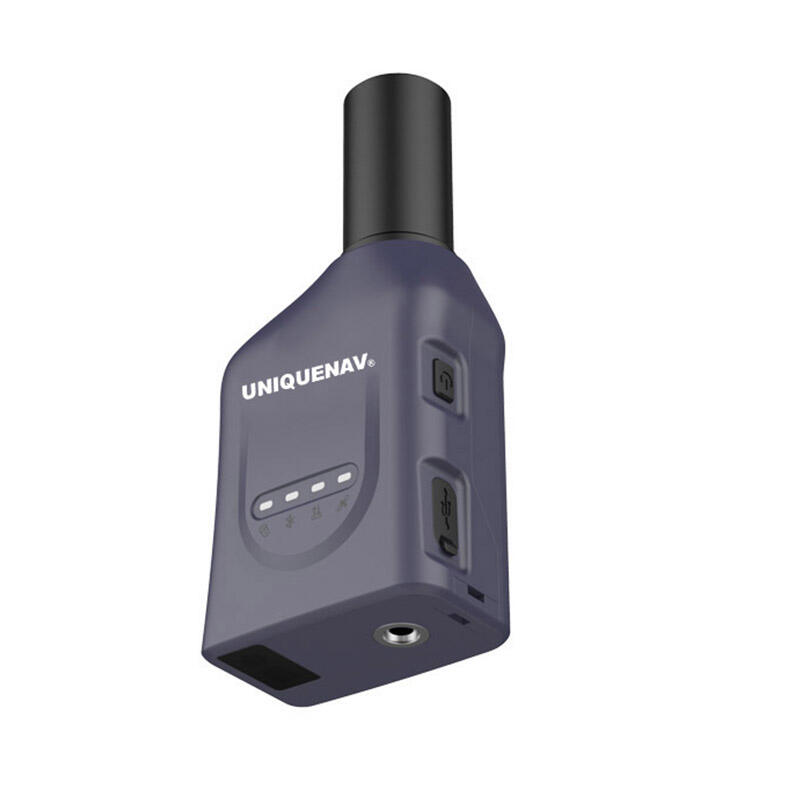
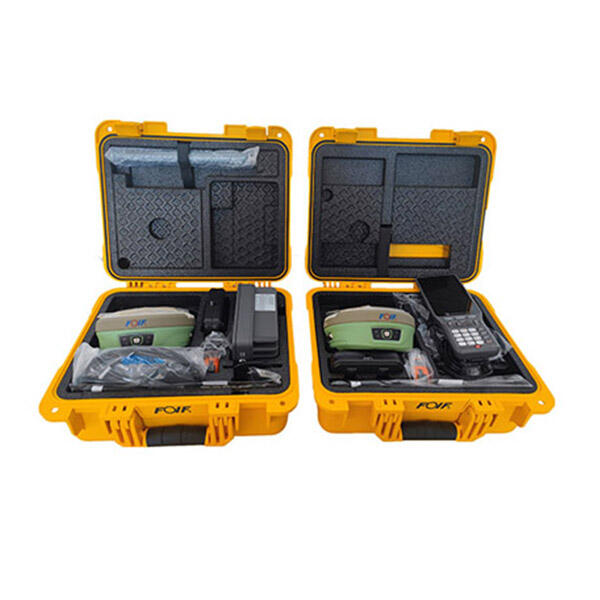
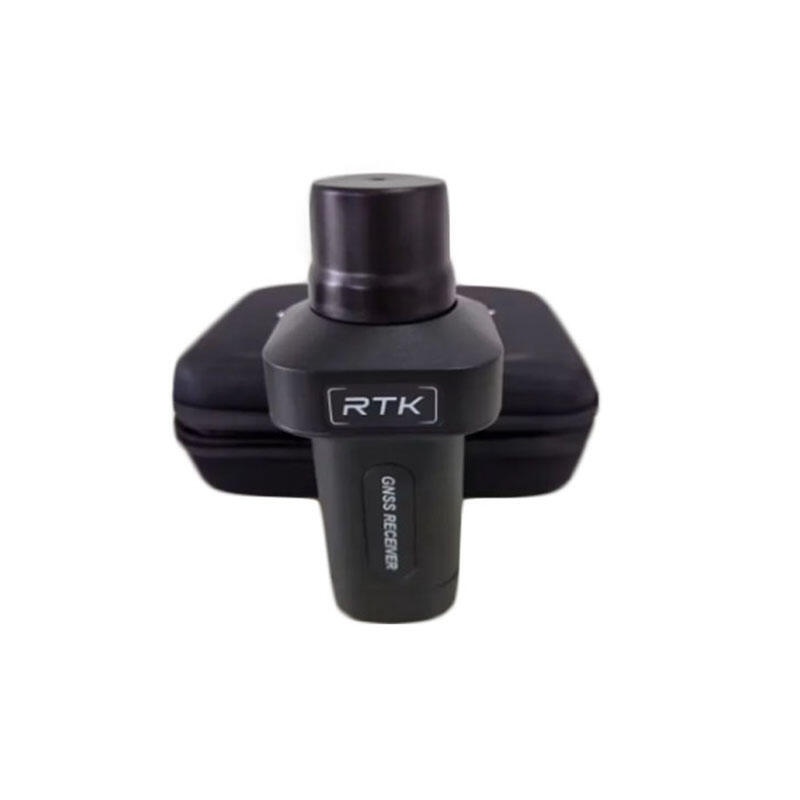
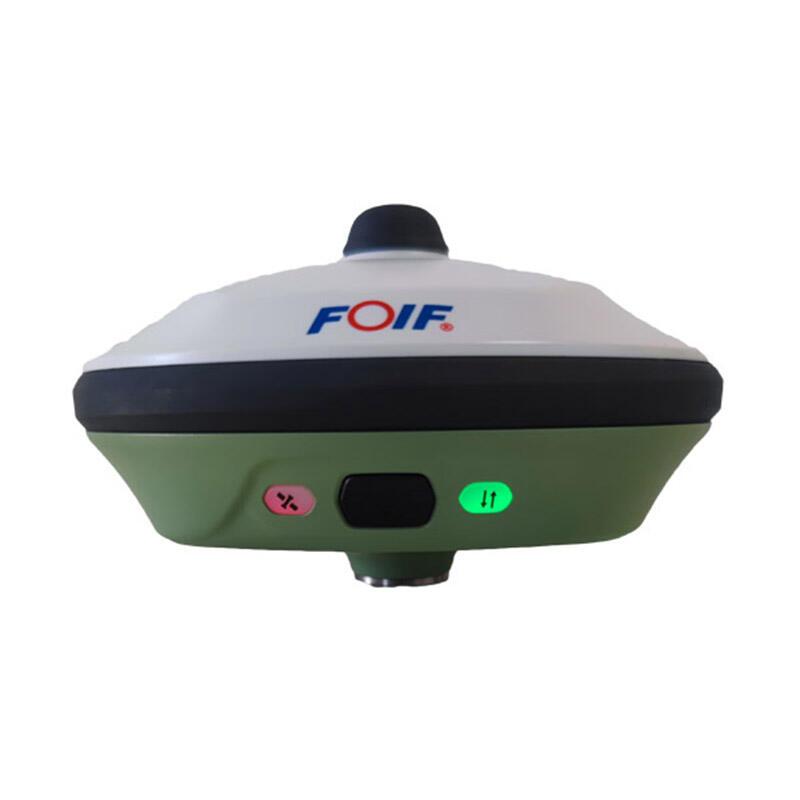
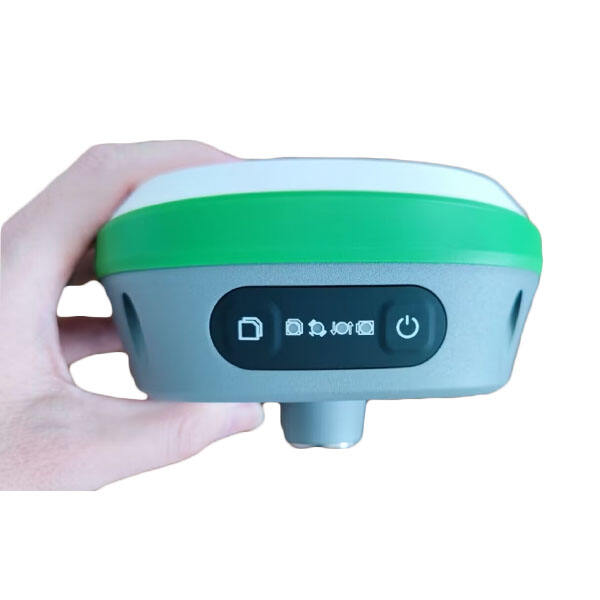
RTK GPS accuracy represents a revolutionary advancement in positioning technology that delivers centimeter-level precision for surveying, mapping, and navigation applications. Real-Time Kinematic positioning enhances standard GPS systems by utilizing a network of reference stations that broadcast correction signals to mobile receivers, dramatically improving location accuracy from several meters to just 1-3 centimeters. This sophisticated technology operates through differential correction methods, where base stations with known precise coordinates transmit error correction data to rover units in real-time. The rtk gps accuracy system employs carrier-phase measurements of satellite signals, processing multiple frequency bands to eliminate atmospheric delays, satellite orbit errors, and clock discrepancies that affect conventional GPS readings. Modern RTK systems integrate seamlessly with various satellite constellations including GPS, GLONASS, Galileo, and BeiDou, ensuring robust signal availability and enhanced reliability across different geographic regions. The technology features rapid initialization times, typically achieving fixed solutions within minutes of startup, making it ideal for time-sensitive applications. RTK GPS accuracy systems support multiple communication protocols including radio, cellular, and internet-based correction delivery methods, providing flexibility for diverse operational environments. These systems incorporate advanced algorithms that continuously monitor signal quality, automatically switching between satellite sources to maintain optimal performance. The rtk gps accuracy technology finds extensive applications in precision agriculture, construction site management, autonomous vehicle navigation, archaeological surveys, and environmental monitoring projects. Professional-grade RTK systems offer ruggedized hardware designs capable of withstanding harsh environmental conditions while maintaining consistent performance standards. Integration capabilities allow seamless connectivity with GIS software, CAD applications, and specialized surveying programs, streamlining workflow processes for technical professionals across multiple industries.

New Product Releases

RTK GPS accuracy delivers exceptional positioning precision that transforms how professionals approach surveying and mapping projects, providing measurements accurate to within centimeters rather than the several-meter accuracy of standard GPS systems. This enhanced precision eliminates the need for extensive post-processing workflows, allowing operators to collect reliable data in real-time and make immediate decisions based on accurate positioning information. The rtk gps accuracy system reduces project completion times significantly by enabling faster data collection processes, as operators can verify measurement quality instantly without requiring return visits to sites for verification surveys. Cost savings become substantial when using RTK technology, as projects require fewer personnel hours and reduced equipment deployment time compared to traditional surveying methods that demand extensive setup and calibration procedures. Weather resistance ensures consistent performance across various environmental conditions, maintaining rtk gps accuracy even during challenging weather situations that might compromise other positioning technologies. The technology provides exceptional versatility through multi-constellation satellite support, accessing signals from GPS, GLONASS, Galileo, and BeiDou systems simultaneously to ensure reliable positioning even in areas with limited sky visibility or signal obstructions. Integration capabilities streamline existing workflows by connecting seamlessly with popular GIS software platforms, CAD applications, and specialized industry programs, eliminating data transfer complications and reducing potential human errors during information processing. Real-time validation features allow operators to identify and correct positioning errors immediately, preventing costly mistakes that could require expensive rework or project delays. The rtk gps accuracy system supports multiple output formats, ensuring compatibility with various data processing requirements and client specifications without requiring additional conversion procedures. Battery efficiency improvements in modern RTK systems enable extended field operations, reducing downtime for equipment charging and increasing overall productivity during critical project phases. Advanced error detection algorithms continuously monitor system performance, automatically alerting operators to potential issues before they affect measurement quality, ensuring consistent rtk gps accuracy throughout entire project lifecycles.

Tips And Tricks

GNSS RTK vs. Traditional Surveying: What’s the Difference?

27

Nov

GNSS RTK vs. Traditional Surveying: What’s the Difference?

Modern surveying has undergone a revolutionary transformation with the introduction of Global Navigation Satellite Systems (GNSS) technology, particularly Real-Time Kinematic (RTK) positioning. While traditional surveying methods have served the cons...
View More
How Can RTK Improve Surveying Precision for Large Construction Sites?

22

Dec

How Can RTK Improve Surveying Precision for Large Construction Sites?

Modern construction projects demand unprecedented accuracy and efficiency, particularly when dealing with expansive development sites spanning hundreds of acres. Traditional surveying methods often fall short when faced with the complexities of large...
View More
What Should Engineers Check Before Choosing an RTK System?

22

Dec

What Should Engineers Check Before Choosing an RTK System?

Selecting the right RTK system represents one of the most critical decisions in modern surveying and construction projects. Engineers must navigate through numerous technical specifications, accuracy requirements, and operational considerations to en...
View More
What Should Buyers Compare When Sourcing RTK GPS Equipment?

13

Jan

What Should Buyers Compare When Sourcing RTK GPS Equipment?

Modern construction, surveying, and agricultural operations increasingly rely on precise positioning technology to achieve millimeter-level accuracy in their work. When sourcing RTK GPS equipment, buyers face numerous technical specifications, featur...
View More

Get a Free Quote

Our representative will contact you soon.
Email
Name
Company Name
Message
0/1000

rtk gps accuracy

Centimeter-Level Precision Technology

Centimeter-Level Precision Technology

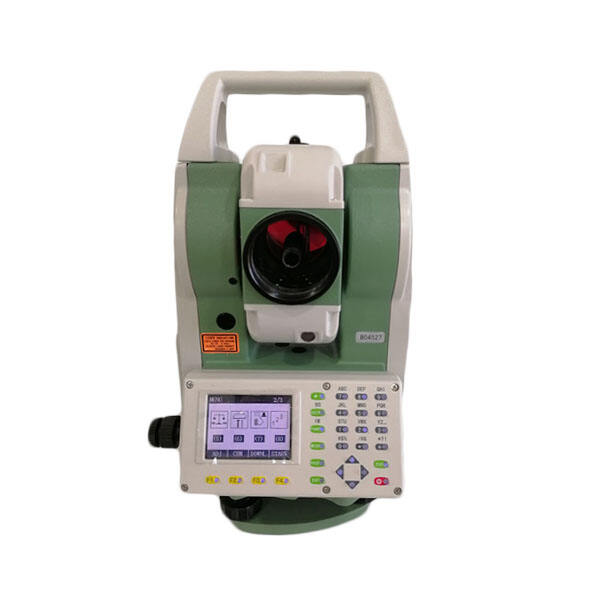
The rtk gps accuracy system delivers unprecedented positioning precision through advanced carrier-phase differential correction technology that processes multiple satellite frequency signals simultaneously. This sophisticated approach eliminates common GPS errors including atmospheric delays, satellite clock drift, and orbital inaccuracies that typically affect standard positioning systems. The technology utilizes base stations with precisely surveyed coordinates that continuously broadcast correction data to mobile receivers, enabling real-time error compensation and achieving positioning accuracy within 1-3 centimeters horizontally and 2-5 centimeters vertically. Professional surveyors and engineers benefit tremendously from this exceptional precision level, as it enables direct stakeout operations without requiring additional verification measurements or extensive post-processing procedures. Construction projects utilizing rtk gps accuracy can achieve precise grade control, ensuring that foundations, roadways, and infrastructure elements meet exact specifications without costly corrections or rework requirements. Agricultural applications leverage this precision for variable-rate seeding, precise fertilizer application, and automated machinery guidance, optimizing crop yields while minimizing input costs and environmental impact. The system maintains consistent accuracy across various operational conditions, including challenging environments with limited satellite visibility or electromagnetic interference that might compromise other positioning technologies. Advanced algorithms continuously process correction signals, automatically selecting optimal satellite combinations and adjusting for changing atmospheric conditions to preserve measurement quality throughout extended operational periods. This reliability proves essential for critical applications where positioning errors could result in significant financial losses or safety concerns. The rtk gps accuracy technology integrates seamlessly with existing surveying instruments, transforming traditional total stations and theodolites into highly efficient positioning systems capable of rapid, accurate measurements across large project areas without requiring extensive control point networks or time-consuming setup procedures.
Real-Time Data Processing and Validation

Real-Time Data Processing and Validation

RTK GPS accuracy systems excel through sophisticated real-time data processing capabilities that validate positioning information instantaneously, providing operators with immediate confidence in measurement quality and enabling rapid decision-making during critical project phases. The technology employs advanced kalman filtering algorithms that continuously analyze incoming satellite signals, correction data, and positioning calculations to ensure optimal accuracy while detecting potential errors before they affect final measurements. This real-time validation process eliminates traditional surveying workflows that required extensive post-processing verification, allowing professionals to complete projects faster while maintaining superior quality standards. The rtk gps accuracy system displays solution quality indicators directly on operator interfaces, providing instant feedback about positioning reliability through clear visual and audible alerts that prevent measurement errors from propagating through project datasets. Quality assurance features include automatic outlier detection, signal strength monitoring, and geometric dilution of precision calculations that help operators optimize measurement conditions for maximum accuracy. Professional users benefit from customizable tolerance settings that automatically flag measurements exceeding specified accuracy thresholds, ensuring consistent data quality across entire project lifecycles without requiring constant manual verification. The system supports multiple measurement modes including static, kinematic, and stop-and-go operations, adapting automatically to different surveying requirements while maintaining consistent rtk gps accuracy standards. Integration with mobile computing platforms enables sophisticated field data management, allowing operators to visualize measurements in real-time, perform immediate quality control checks, and generate preliminary reports directly from field locations. Communication redundancy ensures continuous correction signal availability through multiple delivery methods including radio links, cellular networks, and internet-based services, maintaining positioning accuracy even when primary communication channels experience interruptions. The technology processes correction data from multiple reference networks simultaneously, automatically selecting optimal correction sources based on proximity, signal quality, and geometric distribution to maximize positioning reliability and maintain consistent rtk gps accuracy performance across diverse operational environments.
Versatile Multi-Application Integration

Versatile Multi-Application Integration

The rtk gps accuracy system demonstrates exceptional versatility through comprehensive integration capabilities that seamlessly connect with diverse professional workflows, software platforms, and specialized equipment across multiple industries and applications. Modern RTK systems support extensive communication protocols including NMEA, CMR, RTCM, and proprietary formats, ensuring compatibility with existing surveying instruments, GIS software, CAD applications, and industry-specific programs without requiring extensive system modifications or data conversion procedures. Construction professionals utilize rtk gps accuracy for precise machine control applications, integrating positioning data directly with excavator guidance systems, grader control modules, and paving equipment to achieve exact grade specifications while minimizing material waste and reducing project completion times. Agricultural operations benefit from seamless integration with precision farming equipment including tractors, combines, and application machinery, enabling variable-rate operations, automated steering, and precise field mapping that optimize crop production while reducing input costs and environmental impact. The technology supports multiple data export formats including CSV, DXF, KML, and specialized industry standards, facilitating smooth information transfer between field collection systems and office-based processing applications without data integrity concerns. Cloud-based data management platforms connect rtk gps accuracy systems with centralized project databases, enabling real-time collaboration between field crews and office personnel while maintaining comprehensive project documentation and quality control records. Surveying applications leverage integration capabilities to combine RTK positioning with traditional instruments, creating hybrid measurement systems that optimize accuracy, efficiency, and operational flexibility across diverse project requirements. The system accommodates various antenna configurations and receiver types, supporting everything from handheld units for basic positioning tasks to professional-grade systems capable of supporting multiple simultaneous users across extended project areas. Mobile device integration enables comprehensive field data management through smartphone and tablet applications that display positioning information, manage project databases, and facilitate communication with office personnel, streamlining overall project workflows while maintaining consistent rtk gps accuracy standards throughout all operational phases.


Get a Free Quote

Our representative will contact you soon.
Email
Name
Company Name
Message
0/1000