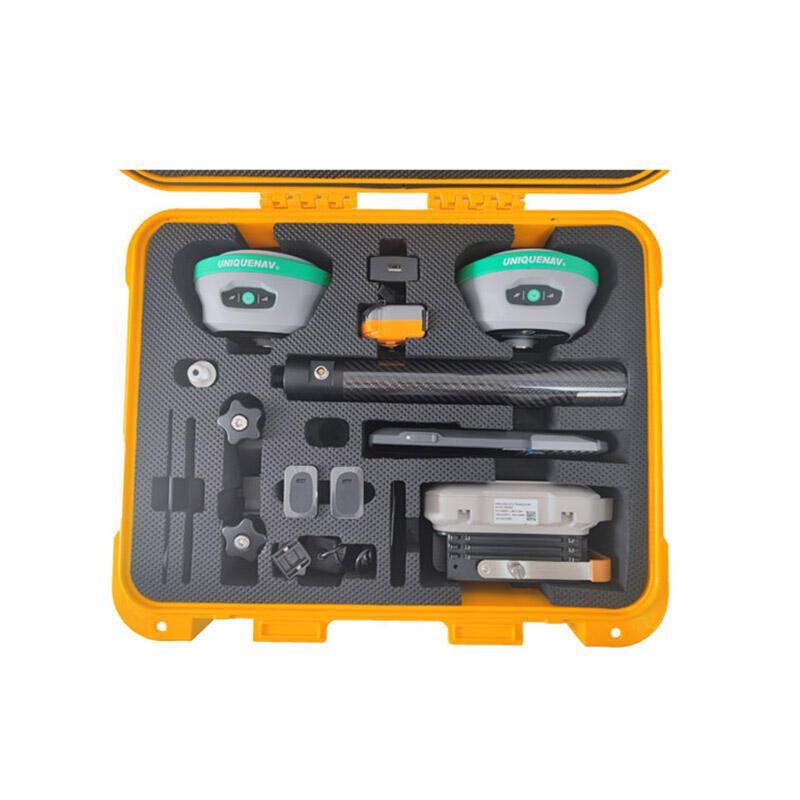
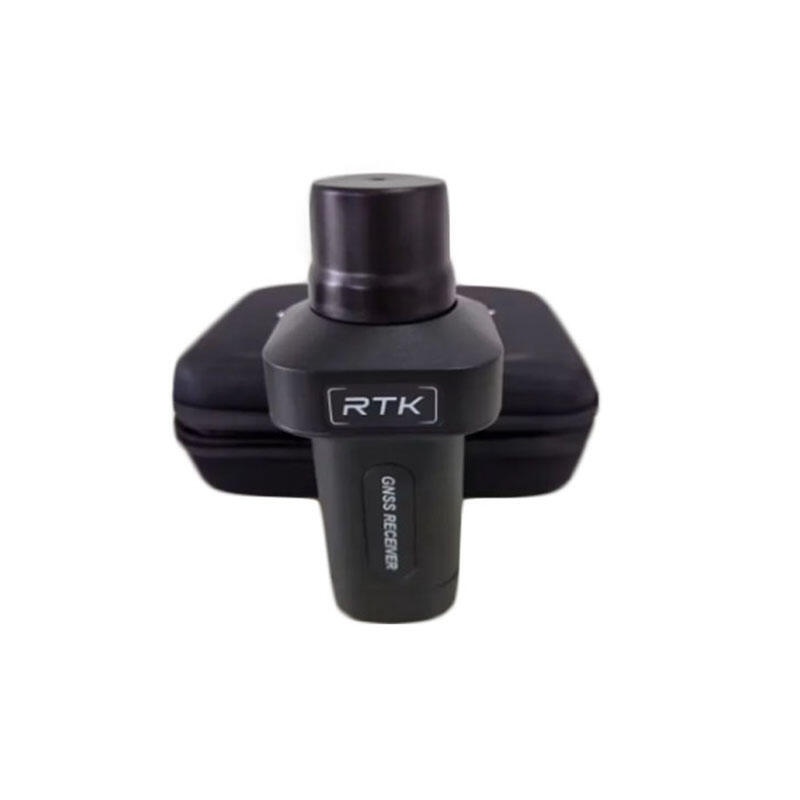
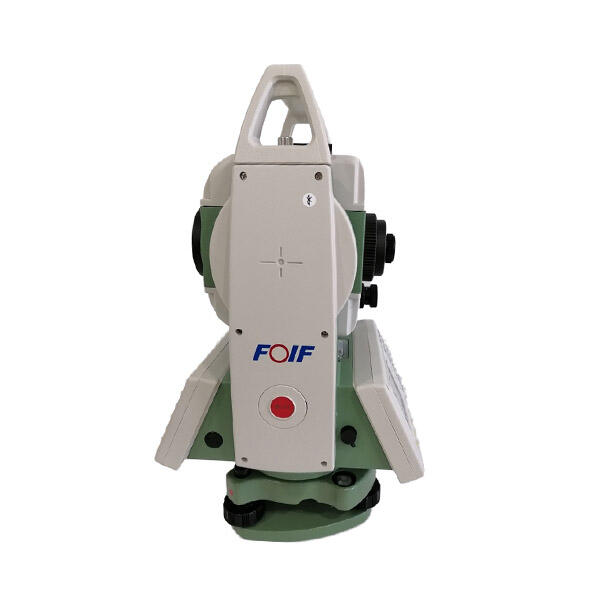
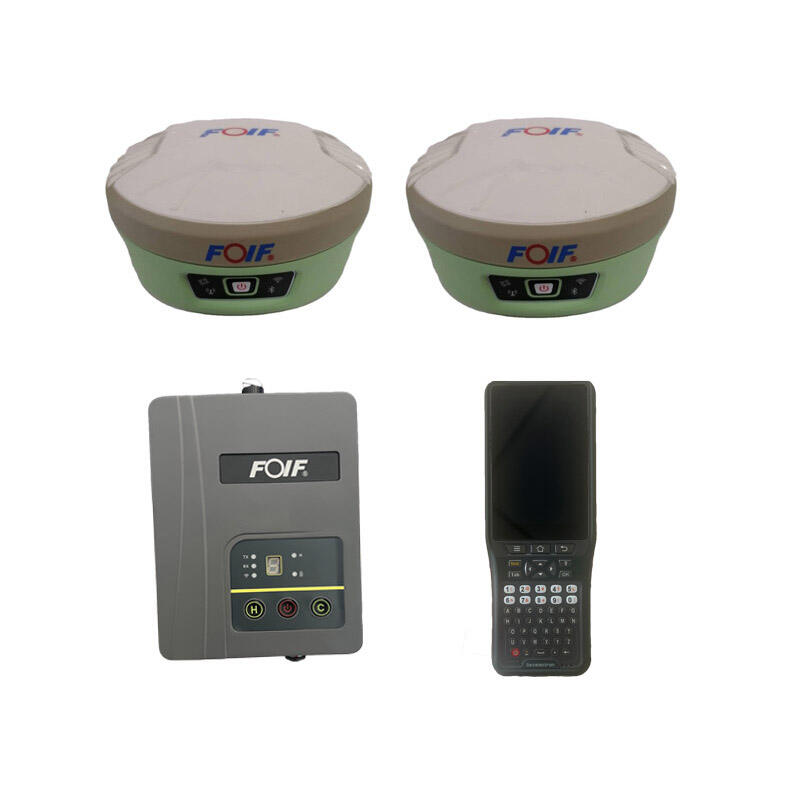
Precision RTK Systems - Professional Centimeter-Level GPS Positioning Technology

All Categories

precision rtk

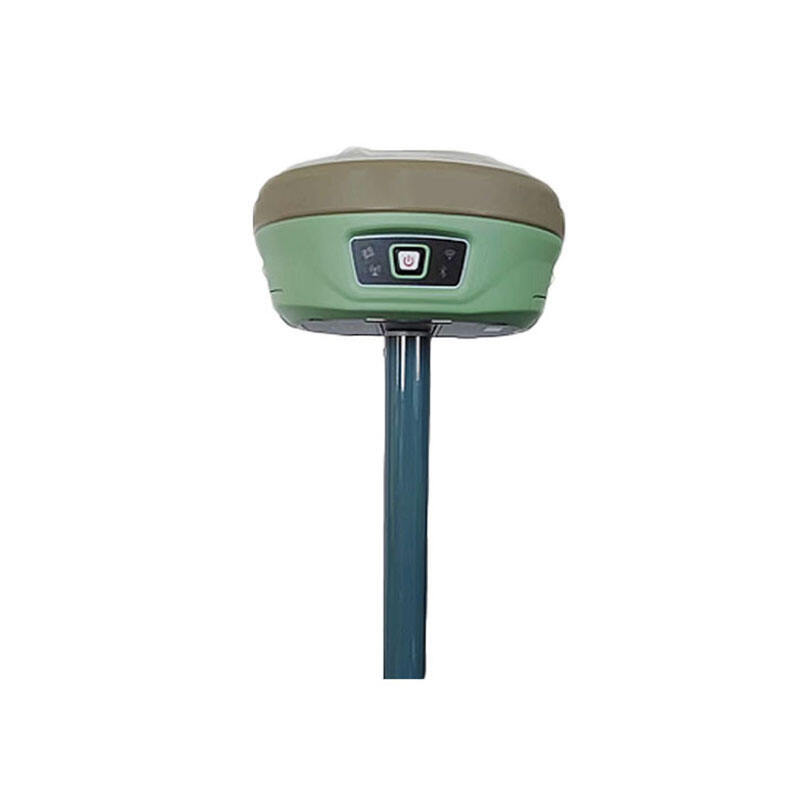
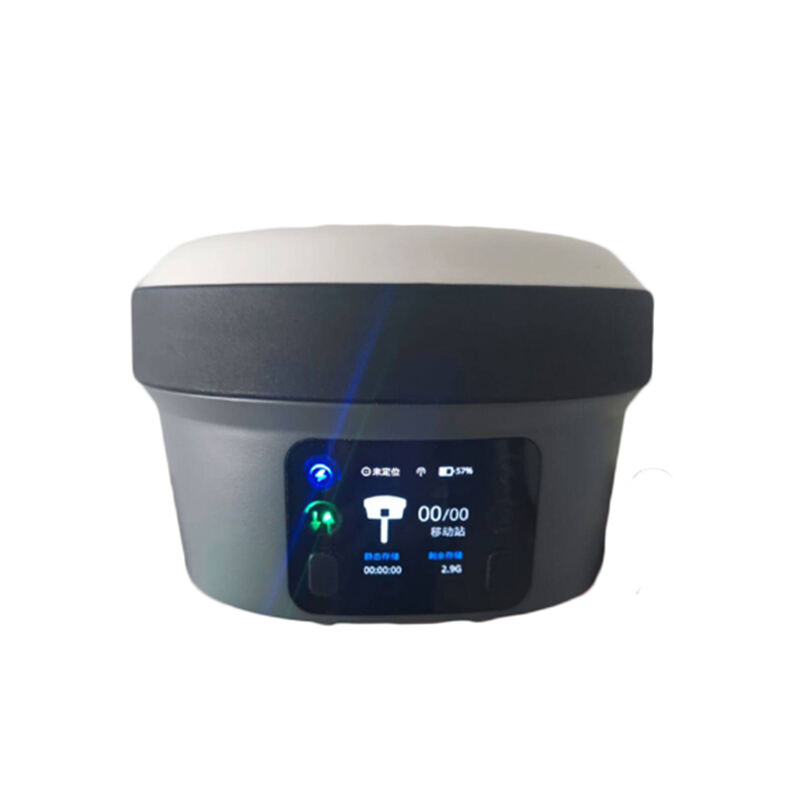
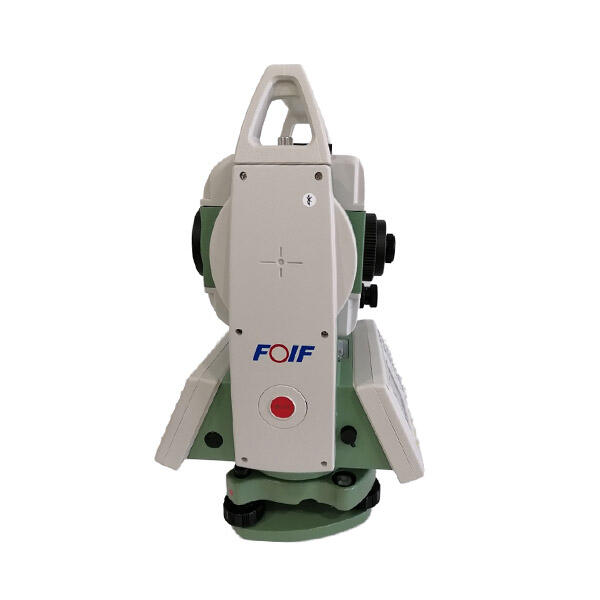
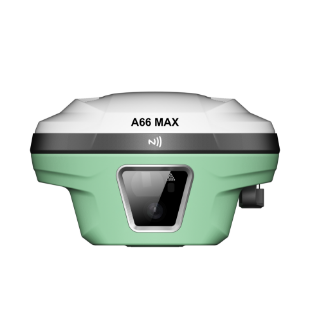
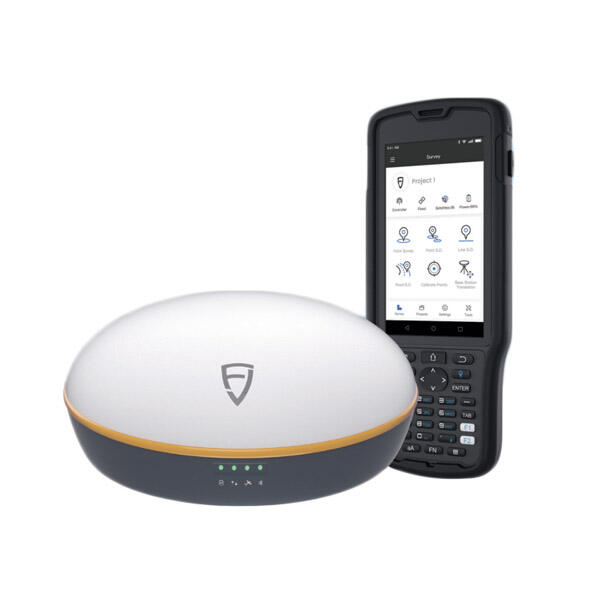
Precision RTK represents a revolutionary advancement in satellite positioning technology that delivers centimeter-level accuracy for surveying, construction, and mapping applications. Real Time Kinematic positioning combines GPS, GLONASS, Galileo, and BeiDou satellite signals with ground-based reference stations to achieve unprecedented positioning precision. The precision RTK system operates by establishing a base station at a known coordinate location, which continuously receives satellite signals and calculates positioning corrections. These corrections are transmitted in real-time to mobile rovers operating within the coverage area, typically ranging from 10 to 50 kilometers from the base station. The precision RTK technology eliminates atmospheric delays, satellite clock errors, and orbital uncertainties that commonly affect standard GPS receivers. Modern precision RTK systems feature dual-frequency receivers that process L1 and L2 satellite signals simultaneously, enabling faster convergence times and improved reliability in challenging environments. Advanced algorithms within precision RTK units perform integer ambiguity resolution, determining the exact number of carrier wave cycles between satellites and receivers. This mathematical process enables the system to achieve horizontal accuracy within 1 centimeter and vertical accuracy within 2 centimeters under optimal conditions. Contemporary precision RTK solutions integrate seamlessly with Geographic Information Systems, Computer Aided Design software, and machine control platforms. The technology supports multiple communication protocols including radio modems, cellular networks, and internet connections for correction data transmission. Professional precision RTK equipment incorporates rugged housings designed to withstand extreme weather conditions, electromagnetic interference, and physical impacts commonly encountered in field operations. Battery life optimization ensures continuous operation for extended survey sessions, while hot-swappable power systems minimize downtime during critical projects.


New Product Recommendations

Precision RTK technology transforms field operations by delivering immediate positioning results without post-processing delays that traditional surveying methods require. Survey teams can complete projects in significantly less time because the precision RTK system provides real-time coordinates with centimeter accuracy directly in the field. This immediate feedback capability eliminates the need for multiple site visits and reduces overall project costs substantially. Construction crews benefit tremendously from precision RTK systems because they can stake out building layouts, road alignments, and utility corridors with confidence that measurements meet engineering specifications. The technology prevents costly construction errors that occur when positioning data lacks sufficient accuracy, protecting project budgets and timelines. Agricultural operations gain substantial value from precision RTK applications in variable rate seeding, fertilizer application, and harvest optimization. Farmers using precision RTK guidance systems reduce input costs while maximizing crop yields through precise field management techniques. The consistent accuracy of precision RTK systems enables repeatable operations across multiple growing seasons, supporting data-driven agricultural decisions. Mapping professionals appreciate how precision RTK technology streamlines data collection workflows by eliminating the traditional occupy-and-measure approach required with conventional surveying instruments. Field crews can walk or drive through project areas while continuously logging high-accuracy positions for topographic surveys, boundary determinations, and asset inventories. This mobile data collection approach dramatically increases productivity compared to static measurement methods. Environmental monitoring projects benefit from precision RTK systems because researchers can establish permanent monitoring points with known coordinates that support long-term data analysis. The ability to return to exact locations year after year ensures measurement consistency essential for detecting environmental changes. Infrastructure maintenance teams rely on precision RTK technology to locate underground utilities, monitor structural movements, and document facility conditions with spatial accuracy that supports engineering analysis. Emergency response organizations use precision RTK systems to create accurate incident maps, coordinate resource deployment, and document disaster impacts for insurance and recovery planning purposes.

Tips And Tricks

Choosing the Best GNSS RTK System for Your Project

27

Nov

Choosing the Best GNSS RTK System for Your Project

When precision positioning is critical for your surveying, construction, or engineering project, selecting the right GNSS RTK system becomes a pivotal decision that can determine project success. Modern surveying demands centimeter-level accuracy, re...
View More
What Should Engineers Check Before Choosing an RTK System?

22

Dec

What Should Engineers Check Before Choosing an RTK System?

Selecting the right RTK system represents one of the most critical decisions in modern surveying and construction projects. Engineers must navigate through numerous technical specifications, accuracy requirements, and operational considerations to en...
View More
How Can a Digital Level Boost Efficiency in Surveying Tasks?

11

Feb

How Can a Digital Level Boost Efficiency in Surveying Tasks?

Modern surveying operations demand precision, speed, and reliability to meet tight project deadlines while maintaining accuracy standards. Traditional surveying methods, while foundational, often fall short of the efficiency requirements in today's f...
View More
How Does a Theodolite Compare to Total Stations in Practical Use?

11

Feb

How Does a Theodolite Compare to Total Stations in Practical Use?

Surveying professionals and construction engineers face critical decisions when selecting measurement instruments for their projects. The choice between traditional surveying tools and modern integrated systems can significantly impact project effici...
View More

Get a Free Quote

Our representative will contact you soon.
Email
Name
Company Name
Message
0/1000

precision rtk

Sub-Centimeter Positioning Accuracy in Real-Time Operations

Sub-Centimeter Positioning Accuracy in Real-Time Operations

The cornerstone advantage of precision RTK technology lies in its ability to deliver sub-centimeter positioning accuracy during live field operations, eliminating the uncertainty and delays associated with traditional surveying methods. Unlike conventional GPS systems that provide meter-level accuracy, precision RTK achieves horizontal positioning within 8 millimeters plus 1 part per million of baseline distance under optimal conditions. This extraordinary precision results from sophisticated carrier phase measurements and differential corrections that remove atmospheric interference, satellite orbit errors, and clock discrepancies in real-time. Professional surveyors and construction teams can trust precision RTK measurements for critical applications including building foundation layouts, road construction, pipeline installation, and property boundary determinations. The technology maintains this exceptional accuracy across various environmental conditions, including urban canyons with limited sky visibility and forested areas where satellite signals experience multipath interference. Advanced precision RTK receivers incorporate multiple satellite constellations simultaneously, ensuring robust positioning solutions even when individual satellites become temporarily unavailable. The system continuously validates measurement quality through statistical analysis and redundant observations, alerting operators when accuracy parameters fall outside acceptable thresholds. This real-time quality assurance prevents measurement errors that could compromise project integrity or require expensive rework. Field teams appreciate how precision RTK systems display accuracy estimates alongside position coordinates, enabling informed decisions about measurement acceptance or rejection. The consistency of precision RTK accuracy across different times of day, weather conditions, and geographic locations provides professional confidence that survey data meets engineering specifications and regulatory requirements. Project managers value the predictable precision RTK performance because it supports realistic scheduling and budgeting for surveying activities. Quality control becomes streamlined when precision RTK systems document measurement uncertainties automatically, creating audit trails that support professional liability protection and client confidence.
Seamless Integration with Modern Surveying Workflows

Seamless Integration with Modern Surveying Workflows

Precision RTK technology seamlessly integrates with contemporary surveying and construction workflows through advanced connectivity options and software compatibility that enhance operational efficiency. Modern precision RTK systems support multiple communication protocols including cellular networks, radio modems, and internet connections, enabling flexible deployment strategies that match specific project requirements and geographic constraints. Field crews can establish precision RTK base stations using temporary monuments or connect to permanent continuously operating reference stations through Network RTK services, eliminating the need for traditional survey control establishment. The technology interfaces directly with popular surveying software platforms including Trimble Access, Leica Captivate, and Topcon MAGNET, allowing seamless data transfer between field collection and office processing systems. This integration capability reduces data entry errors and accelerates project delivery timelines significantly. Construction equipment manufacturers have developed machine control systems that utilize precision RTK positioning for automated grading, excavation, and paving operations, transforming heavy equipment into precision instruments. Operators can achieve design specifications without traditional grade stakes or constant surveyor oversight, reducing labor costs while improving construction quality. Geographic Information System applications benefit from precision RTK integration through direct coordinate capture that eliminates manual digitization processes and improves spatial database accuracy. Environmental consultants use precision RTK systems with specialized software for habitat mapping, contamination assessment, and ecological monitoring applications that require precise spatial referencing. The technology supports real-time data sharing between field teams and office personnel through cloud-based platforms, enabling remote project oversight and immediate quality control feedback. Project stakeholders can monitor survey progress and review collected data without physical site visits, improving communication and decision-making processes. Data export capabilities allow precision RTK systems to generate industry-standard file formats including AutoCAD drawings, GIS shapefiles, and engineering design files, ensuring compatibility with downstream applications. This comprehensive integration ecosystem positions precision RTK as a central component in modern surveying and construction technology stacks.
Exceptional Reliability in Challenging Field Conditions

Exceptional Reliability in Challenging Field Conditions

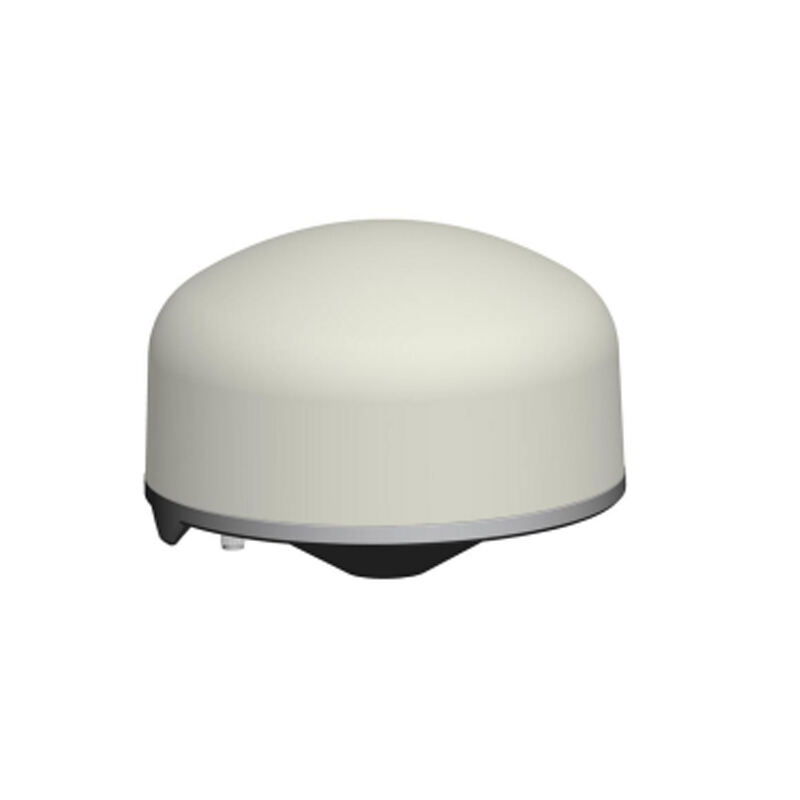
Precision RTK systems demonstrate exceptional reliability in challenging field conditions through robust hardware design and intelligent software algorithms that maintain positioning accuracy when conventional surveying methods fail. Professional-grade precision RTK receivers feature sealed enclosures with IP67 ratings that protect sensitive electronics from dust, moisture, and temperature extremes commonly encountered during fieldwork. These rugged systems operate reliably in temperatures ranging from -40°C to +65°C, ensuring consistent performance across diverse climate conditions and seasonal variations. Advanced antenna designs incorporate ground plane technology and multipath rejection algorithms that minimize signal interference from nearby reflective surfaces including buildings, vehicles, and water bodies. This interference mitigation capability enables precision RTK systems to maintain accuracy in urban environments where traditional GPS receivers struggle with signal quality issues. Power management systems within precision RTK units optimize battery consumption through intelligent sleep modes and selective receiver activation, extending field operation times to support lengthy survey sessions. Hot-swappable battery systems allow continuous operation during critical projects by enabling power source replacement without measurement interruption or system recalibration. Internal data logging capabilities ensure measurement preservation even during communication failures or software crashes, protecting valuable survey data from loss. Precision RTK systems incorporate multiple backup communication channels including cellular, radio, and satellite links, maintaining correction data reception when primary communication methods become unavailable. Atmospheric modeling algorithms within precision RTK receivers compensate for ionospheric and tropospheric signal delays that vary throughout the day and across geographic locations, ensuring consistent accuracy regardless of measurement timing. Quality control algorithms continuously monitor satellite geometry, signal strength, and solution convergence parameters, automatically alerting operators to potential accuracy degradation before measurements become unreliable. Field calibration procedures allow precision RTK systems to adapt to local coordinate systems and datum transformations, ensuring compatibility with existing survey control networks and project requirements. Professional support networks provide firmware updates, technical assistance, and repair services that maintain precision RTK system performance throughout extended service lives, protecting equipment investments and minimizing project disruptions.

Get a Free Quote

Our representative will contact you soon.
Email
Name
Company Name
Message
0/1000