Differential Global Positioning System: Advanced GPS Technology for Centimeter-Level Accuracy

All Categories

differential global positioning system

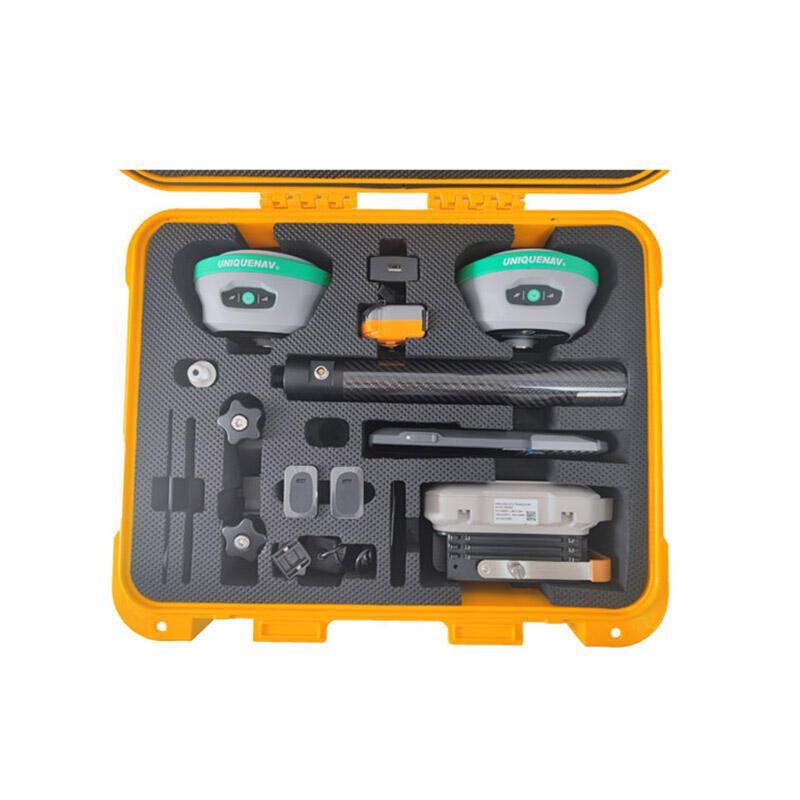
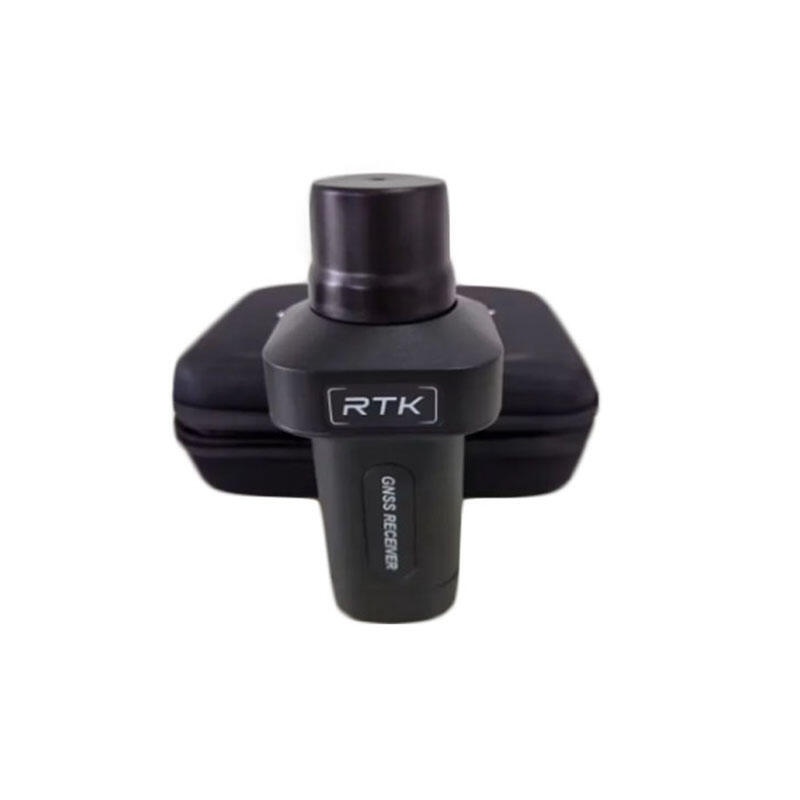
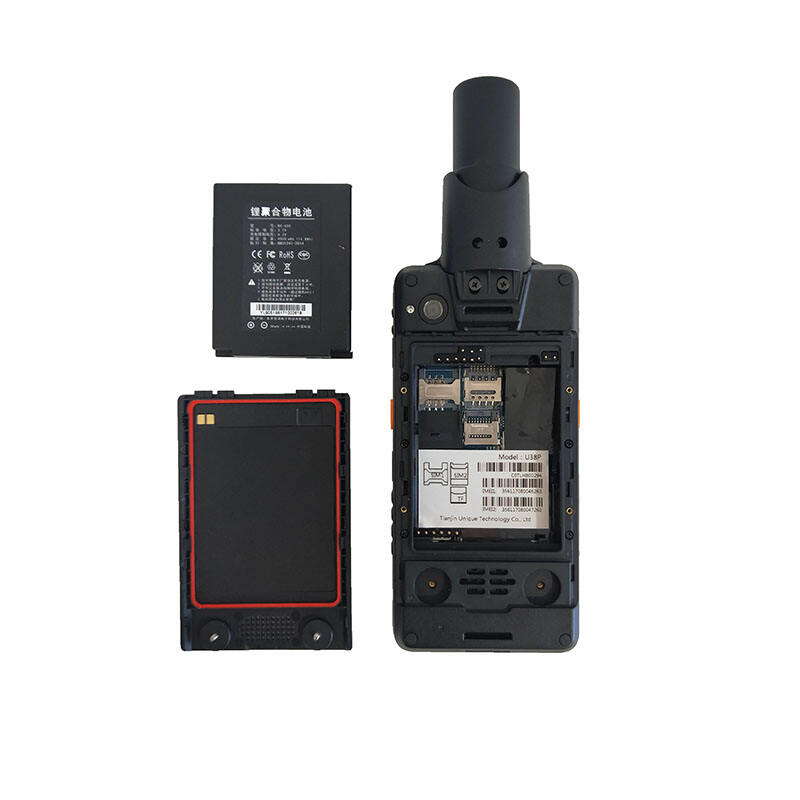
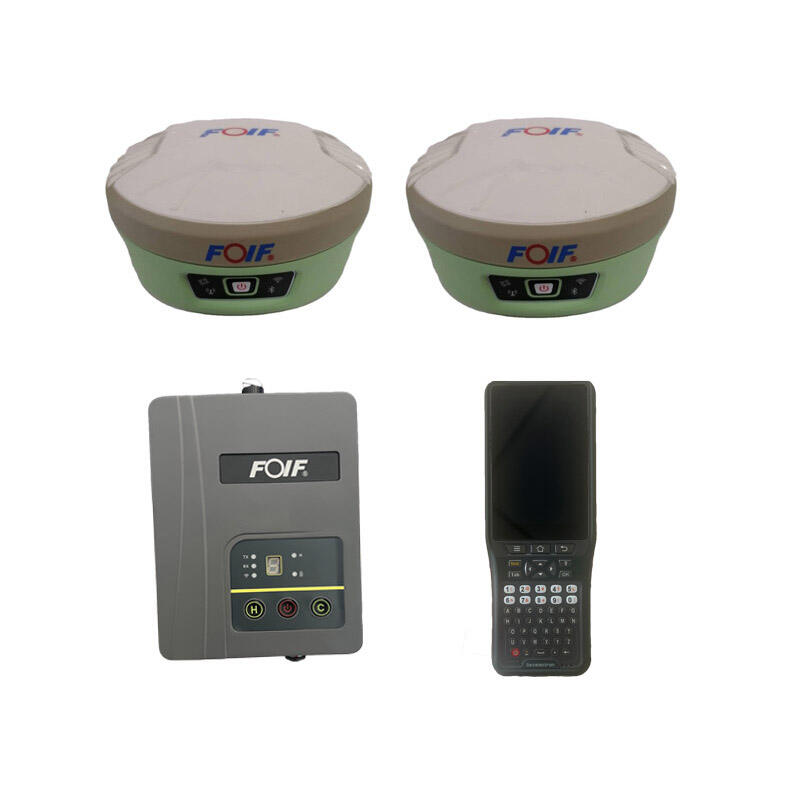
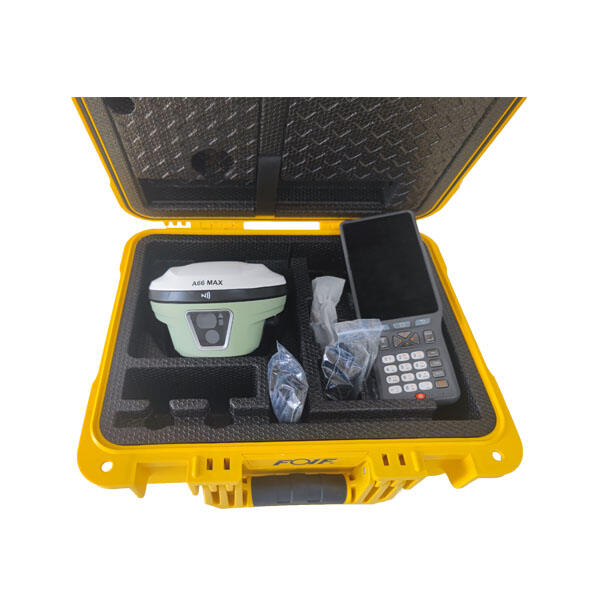
The differential global positioning system represents a sophisticated enhancement to standard GPS technology, delivering unprecedented accuracy and reliability for position determination across diverse applications. This advanced navigation solution addresses the inherent limitations of conventional GPS by implementing correction techniques that significantly reduce positioning errors. The differential global positioning system operates through a network of reference stations strategically positioned at precisely surveyed locations, continuously monitoring GPS satellite signals and calculating correction data. These reference stations detect discrepancies between their known positions and GPS-calculated positions, generating real-time correction messages transmitted to nearby users. The system architecture encompasses multiple components working in harmony: base stations equipped with high-precision GPS receivers, communication links for transmitting correction data, and mobile receivers capable of applying these corrections. The differential global positioning system employs various correction methodologies, including pseudorange corrections, carrier phase measurements, and atmospheric modeling techniques. Real-time kinematic processing enables centimeter-level accuracy for surveying applications, while post-processed differential corrections provide enhanced precision for less time-sensitive tasks. The system supports multiple frequency bands and satellite constellations, ensuring robust performance across challenging environments. Communication protocols facilitate seamless data exchange between reference stations and user equipment through radio frequencies, cellular networks, or internet connections. The differential global positioning system continuously adapts to changing atmospheric conditions, satellite geometry, and signal propagation effects, maintaining consistent accuracy throughout operational periods. Advanced algorithms filter noise, detect outliers, and optimize correction parameters based on local conditions and user requirements. This technology transforms standard GPS accuracy from several meters to submeter, decimeter, or even centimeter precision levels, depending on the specific implementation and operational parameters employed.

New Products

The differential global positioning system delivers substantial practical benefits that directly impact operational efficiency and cost-effectiveness across numerous industries and applications. Enhanced accuracy represents the most significant advantage, transforming positioning capabilities from meter-level precision to centimeter-level accuracy for critical tasks requiring exact measurements. This improved precision eliminates costly rework, reduces material waste, and accelerates project completion timelines in construction, surveying, and infrastructure development projects. The system provides consistent reliability regardless of environmental conditions, maintaining stable performance during adverse weather, atmospheric disturbances, or challenging terrain situations that typically compromise standard GPS functionality. Users experience dramatically reduced positioning errors, enabling confident decision-making for navigation, mapping, and measurement applications where precision directly correlates with project success and safety outcomes. The differential global positioning system operates in real-time, delivering immediate corrections that enable dynamic positioning applications such as precision agriculture, autonomous vehicle guidance, and marine navigation without delays that could compromise operational effectiveness. Cost savings emerge through reduced labor requirements, minimized equipment positioning errors, and decreased project duration for surveying, construction layout, and geospatial data collection activities. The system supports multiple user access simultaneously, allowing entire teams to benefit from enhanced accuracy without additional infrastructure investments or complex setup procedures. Flexibility characterizes system deployment, accommodating temporary installations for specific projects or permanent networks serving ongoing operational requirements across extended geographic areas. The differential global positioning system integrates seamlessly with existing GPS equipment through software updates or simple hardware additions, protecting previous technology investments while delivering significant performance improvements. Scalability enables system expansion from single-user applications to enterprise-wide networks supporting hundreds of simultaneous users across multiple project sites. The technology reduces dependency on traditional surveying methods, eliminating time-intensive setup procedures and costly equipment transportation between measurement locations. Quality assurance improves through consistent accuracy standards, enabling standardized workflows and reducing measurement verification requirements that typically consume significant project resources and personnel time.

Latest News

Choosing the Best GNSS RTK System for Your Project

27

Nov

Choosing the Best GNSS RTK System for Your Project

When precision positioning is critical for your surveying, construction, or engineering project, selecting the right GNSS RTK system becomes a pivotal decision that can determine project success. Modern surveying demands centimeter-level accuracy, re...
View More
What Should Engineers Check Before Choosing an RTK System?

22

Dec

What Should Engineers Check Before Choosing an RTK System?

Selecting the right RTK system represents one of the most critical decisions in modern surveying and construction projects. Engineers must navigate through numerous technical specifications, accuracy requirements, and operational considerations to en...
View More
Why Is RTK GNSS Essential for High-Accuracy Industrial Positioning?

22

Dec

Why Is RTK GNSS Essential for High-Accuracy Industrial Positioning?

In today's rapidly evolving industrial landscape, precise positioning has become the cornerstone of operational excellence across multiple sectors. RTK GNSS technology represents a quantum leap forward in positioning accuracy, delivering centimeter-l...
View More
How Does a Theodolite Compare to Total Stations in Practical Use?

11

Feb

How Does a Theodolite Compare to Total Stations in Practical Use?

Surveying professionals and construction engineers face critical decisions when selecting measurement instruments for their projects. The choice between traditional surveying tools and modern integrated systems can significantly impact project effici...
View More

Get a Free Quote

Our representative will contact you soon.
Email
Name
Company Name
Message
0/1000

differential global positioning system

Unprecedented Centimeter-Level Positioning Accuracy

Unprecedented Centimeter-Level Positioning Accuracy

The differential global positioning system revolutionizes precision positioning by delivering centimeter-level accuracy that transforms how professionals approach measurement-critical applications across industries. This exceptional precision capability stems from sophisticated correction algorithms that continuously analyze GPS signal discrepancies and provide real-time adjustments to eliminate atmospheric interference, satellite orbit errors, and clock synchronization issues that plague standard GPS systems. The technology employs carrier phase measurements combined with code-based corrections, creating a dual-layer accuracy enhancement that consistently achieves positioning precision within 2-5 centimeters under optimal conditions. Professional surveyors benefit enormously from this accuracy level, completing boundary determinations, topographic mapping, and construction layout tasks with confidence previously reserved for traditional optical surveying methods. The system eliminates the time-intensive setup procedures associated with conventional surveying equipment while maintaining measurement standards required for legal documentation and engineering specifications. Construction professionals leverage this precision for equipment guidance systems, enabling automated grading, paving, and excavation operations that achieve design specifications without costly rework or material waste. Agricultural applications utilize centimeter-level accuracy for precision planting, fertilizer application, and harvesting operations, maximizing crop yields while minimizing input costs and environmental impact. The differential global positioning system maintains this accuracy across extended operational periods, providing consistent performance throughout daily work cycles without degradation or recalibration requirements. Geographic information system applications benefit from enhanced data collection accuracy, creating detailed mapping products that support critical infrastructure planning, environmental monitoring, and emergency response coordination. The technology enables real-time quality control, allowing operators to verify positioning accuracy during data collection rather than discovering errors during post-processing phases that require costly field revisits and measurement repetition.
Real-Time Correction Processing for Dynamic Applications

Real-Time Correction Processing for Dynamic Applications

The differential global positioning system excels in providing instantaneous correction processing that enables dynamic applications requiring continuous, high-accuracy positioning throughout extended operational periods. This real-time capability represents a paradigm shift from post-processed correction methods, delivering immediate positioning enhancements that support time-sensitive applications across transportation, agriculture, construction, and maritime industries. The system processes correction data within milliseconds, ensuring positioning solutions remain current and accurate for moving platforms, automated machinery, and navigation applications where delays could compromise safety or operational effectiveness. Advanced communication protocols facilitate seamless correction data transmission through multiple channels including radio frequencies, cellular networks, and internet connections, ensuring reliable correction delivery regardless of geographic location or infrastructure availability. Marine navigation applications particularly benefit from real-time corrections, enabling precise vessel positioning for port approaches, channel navigation, and offshore operations where positioning accuracy directly impacts safety and operational efficiency. The differential global positioning system supports simultaneous multiple-user access, allowing entire fleets or work teams to benefit from enhanced accuracy without system performance degradation or increased operational costs. Autonomous vehicle guidance systems rely on real-time corrections for safe operation, utilizing continuous positioning updates to maintain precise lane positioning, obstacle avoidance, and destination routing throughout journey duration. Construction equipment guidance benefits from immediate correction processing, enabling automated machinery to follow design specifications precisely while operators maintain productivity levels impossible with manual positioning methods. The system adapts correction parameters based on changing atmospheric conditions, satellite geometry, and local interference sources, maintaining consistent accuracy throughout daily operational cycles. Emergency response applications leverage real-time corrections for precise incident location determination, resource deployment optimization, and coordination between multiple response teams operating across extended geographic areas where positioning accuracy directly impacts response effectiveness and public safety outcomes.

Seamless Integration with Existing GPS Infrastructure

Seamless Integration with Existing GPS Infrastructure

The differential global positioning system demonstrates exceptional compatibility and integration capabilities with existing GPS infrastructure, enabling organizations to enhance positioning accuracy without replacing current equipment investments or disrupting established workflows. This integration advantage reduces implementation costs while maximizing return on existing technology investments through simple software updates or minimal hardware additions that transform standard GPS receivers into high-precision positioning tools. The system supports industry-standard communication protocols and data formats, ensuring compatibility with diverse equipment manufacturers and existing positioning software applications used across surveying, construction, agriculture, and transportation industries. Legacy GPS equipment receives significant performance improvements through differential corrections, extending useful life cycles and protecting capital investments while delivering accuracy improvements comparable to expensive precision positioning systems. The differential global positioning system accommodates various receiver types and manufacturers, providing universal compatibility that eliminates vendor lock-in concerns and supports mixed equipment environments common in large organizations. Installation procedures require minimal technical expertise, enabling field personnel to implement system enhancements without specialized training or external technical support that increases operational costs and implementation timelines. The technology integrates with existing data collection software, geographic information systems, and construction management applications through standard interfaces that preserve established workflows and data processing procedures. Network infrastructure utilization optimizes correction data distribution, leveraging existing communication systems including cellular networks, radio systems, and internet connections to minimize additional infrastructure requirements and associated costs. The differential global positioning system supports graduated implementation approaches, allowing organizations to begin with single-user applications and expand coverage areas or user quantities based on demonstrated benefits and budget availability. Quality assurance procedures integrate with existing project management systems, providing positioning accuracy verification and documentation that supports quality control requirements without additional administrative burden. The system maintains backward compatibility with standard GPS operations, ensuring continued functionality if differential corrections become temporarily unavailable while preserving positioning capabilities for mission-critical applications that cannot tolerate service interruptions or accuracy degradation.

Get a Free Quote

Our representative will contact you soon.
Email
Name
Company Name
Message
0/1000