total station price
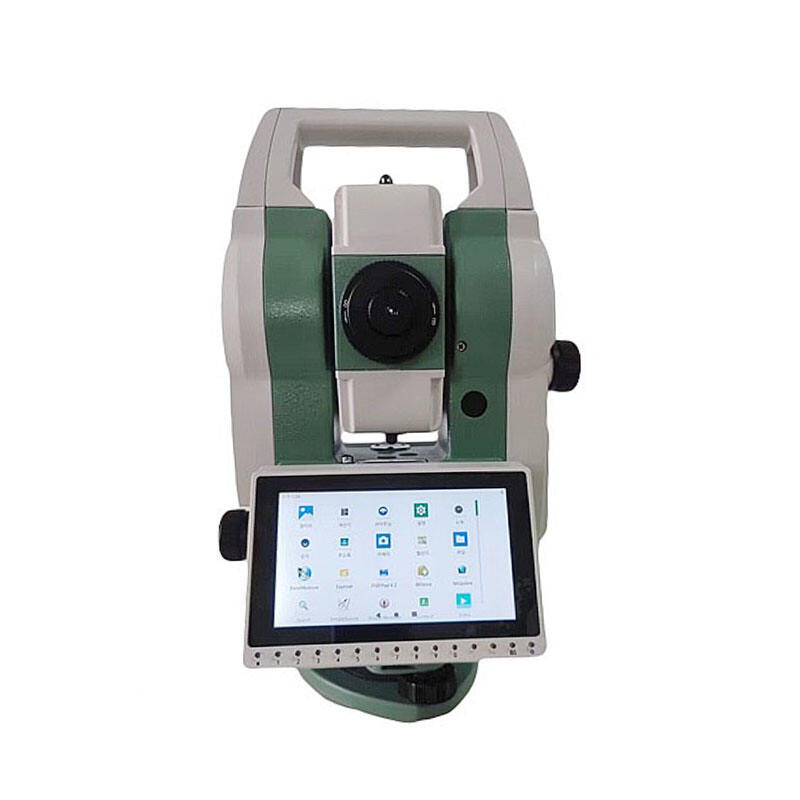
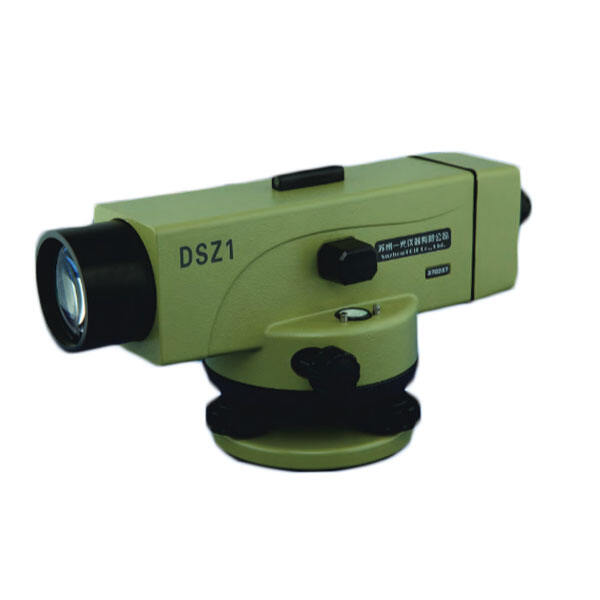
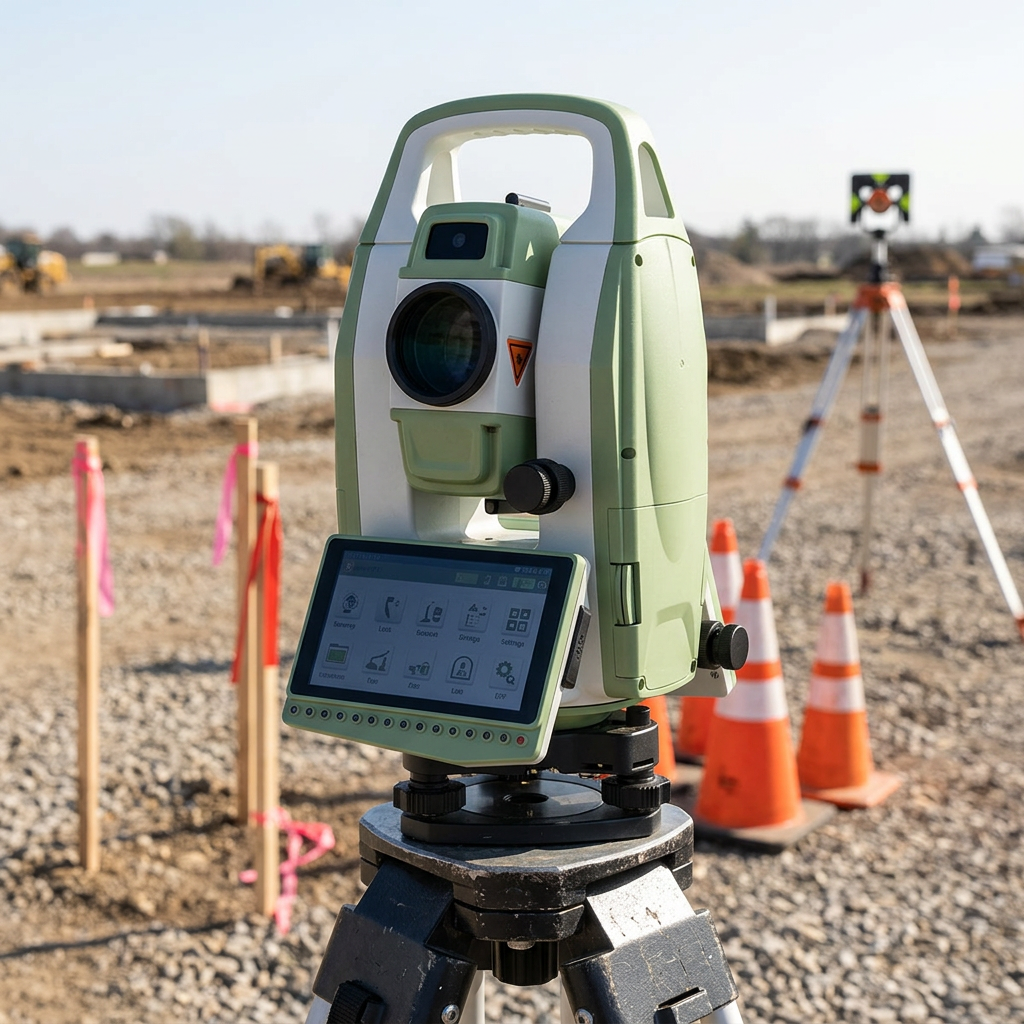
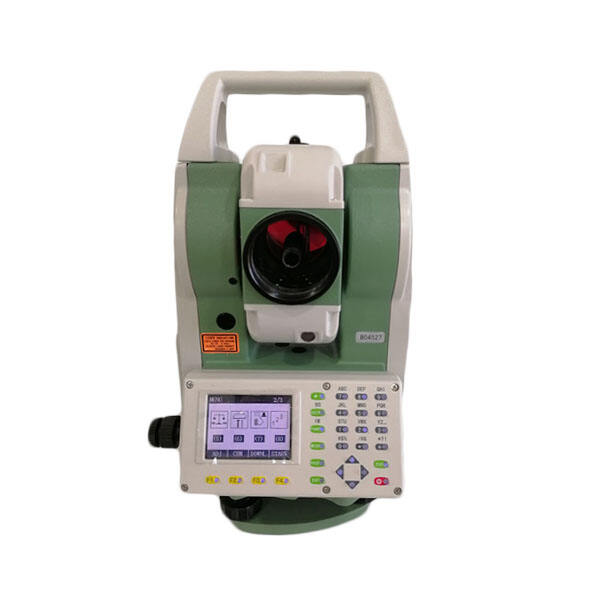
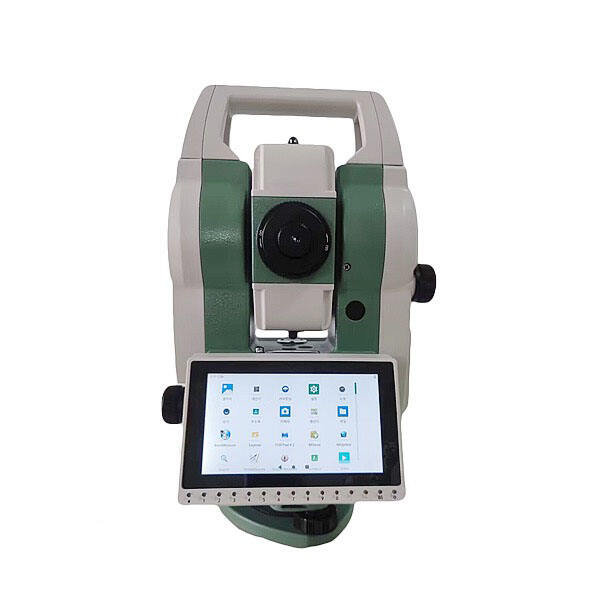
Total station price represents a significant investment consideration for surveying professionals, construction companies, and engineering firms seeking precision measurement equipment. A total station combines electronic distance measurement capabilities with angular measurement functions, creating an integrated instrument that revolutionizes land surveying and construction layout procedures. Understanding total station price factors helps buyers make informed decisions when selecting equipment that matches their project requirements and budget constraints. Modern total stations incorporate advanced electronic theodolite technology with electronic distance measuring devices, enabling simultaneous measurement of horizontal angles, vertical angles, and distances with exceptional accuracy. The total station price varies considerably based on measurement precision levels, ranging from basic models suitable for general construction work to high-precision instruments required for geodetic surveying applications. Key technological features influencing total station price include automatic target recognition systems, robotic functionality, Bluetooth connectivity, and integrated data collection capabilities. These instruments typically offer measurement accuracies ranging from 2 to 30 arc seconds for angular measurements and 1 to 5 millimeters plus parts per million for distance measurements. Applications spanning topographic surveying, construction staking, monitoring structural deformation, and establishing control networks demonstrate the versatility justifying total station price investments. Advanced models feature motorized drives enabling remote operation, significantly reducing field crew requirements and improving productivity. Data storage capabilities allow direct recording of measurements with point identification, coordinate calculations, and seamless integration with computer-aided design software. Weather-resistant construction ensures reliable operation across diverse environmental conditions, protecting the substantial total station price investment. Battery life considerations, typically providing 8 to 24 hours of continuous operation, affect field productivity and operational costs beyond the initial total station price.

 EN
EN