Total Station Cost Guide 2024: Features, Benefits & Pricing Analysis

All Categories

total station cost

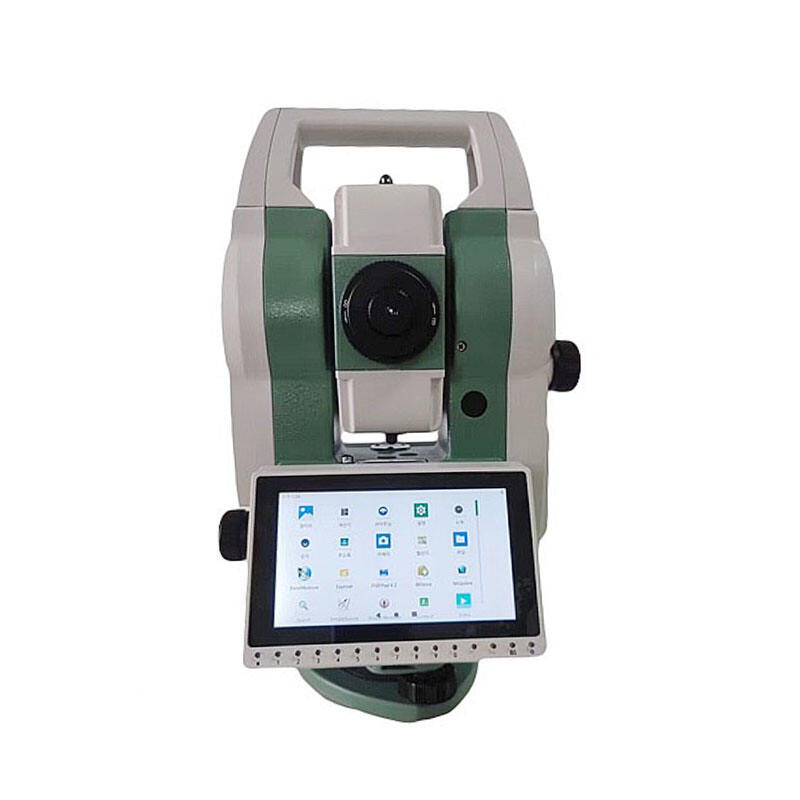
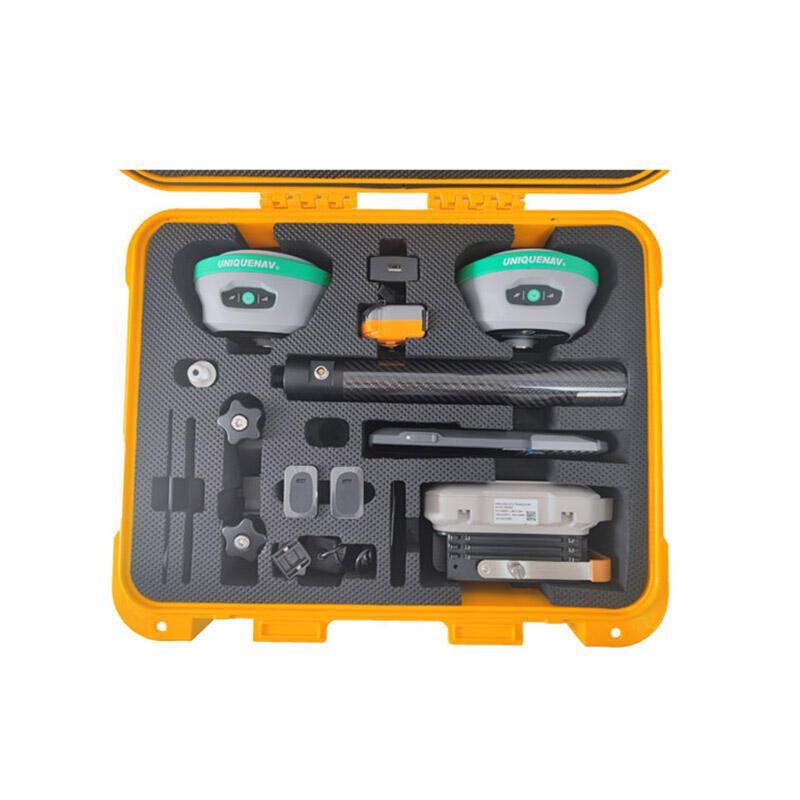
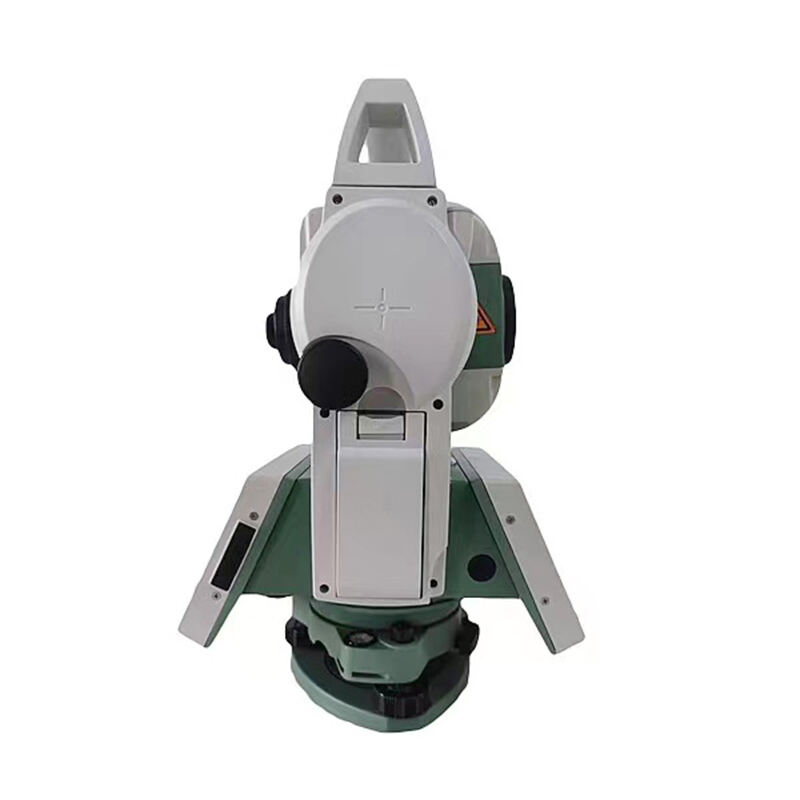
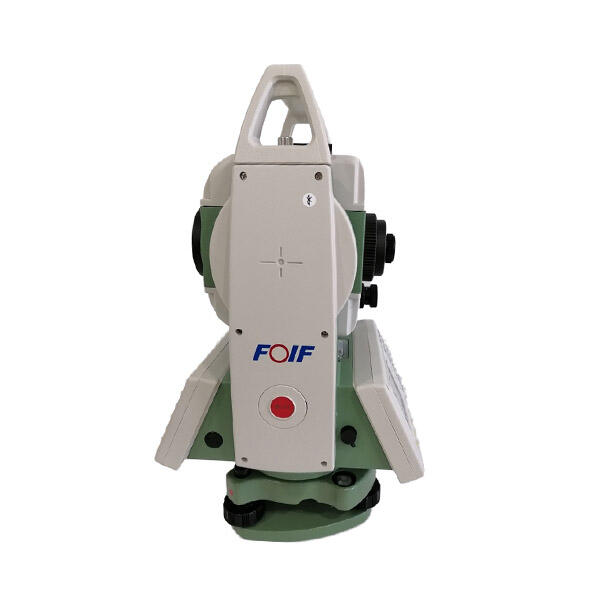
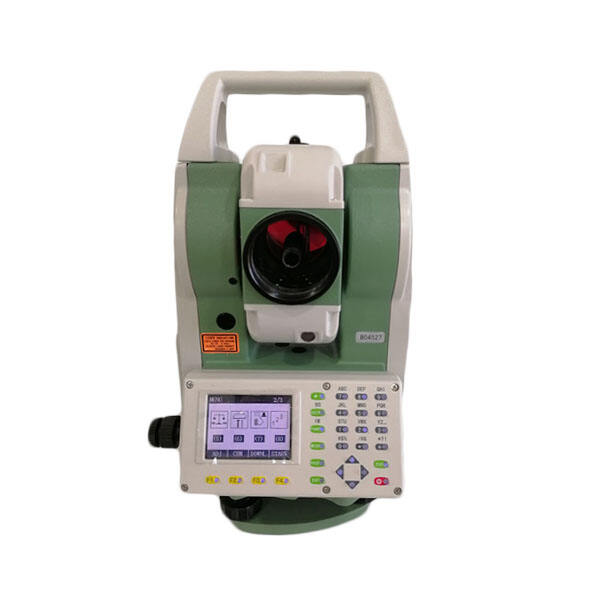
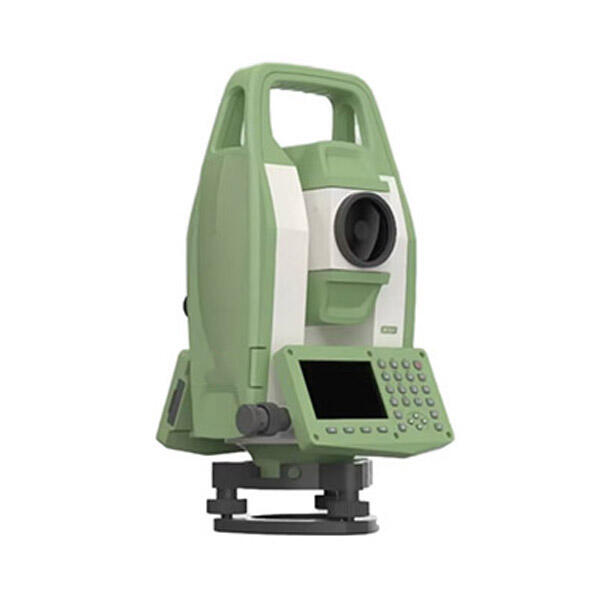
Understanding total station cost involves examining a sophisticated surveying instrument that combines electronic distance measurement, angle measurement, and data processing capabilities into one comprehensive device. The total station cost reflects the advanced technology and precision engineering required to create these multi-functional surveying tools. Modern total stations integrate theodolite functionality with electronic distance measuring equipment, enabling surveyors to capture horizontal and vertical angles alongside precise distance measurements simultaneously. The total station cost encompasses various technological features including laser technology, GPS integration, Bluetooth connectivity, and advanced software capabilities. These instruments typically feature high-resolution displays, internal memory storage, and robust construction designed to withstand harsh field conditions. The total station cost varies significantly based on accuracy specifications, with instruments offering measurement precision ranging from standard construction-grade accuracy to ultra-precise engineering applications. Advanced models incorporate automatic target recognition systems, motorized drives for remote operation, and integrated imaging capabilities that enhance productivity and measurement reliability. The total station cost also reflects the inclusion of comprehensive software packages that enable data collection, processing, and seamless integration with computer-aided design applications. These instruments find extensive applications across multiple industries including construction surveying, topographic mapping, engineering projects, mining operations, and infrastructure development. The total station cost consideration becomes crucial when evaluating the instrument's role in streamlining workflow processes, reducing measurement time, and improving overall project accuracy. Professional surveyors rely on these devices for establishing property boundaries, monitoring structural deformation, conducting as-built surveys, and supporting complex engineering calculations that demand exceptional precision and reliability throughout various environmental conditions.

New Products

The primary advantage of considering total station cost lies in understanding the exceptional value these instruments provide through their multi-functional capabilities that replace multiple traditional surveying tools. When evaluating total station cost, professionals recognize significant time savings achieved through integrated measurement systems that capture angles and distances simultaneously, eliminating the need for separate theodolites and measuring tapes. The total station cost investment delivers enhanced accuracy compared to conventional surveying methods, with electronic measurement systems providing consistent precision that reduces human error and improves project outcomes. Advanced data management capabilities included in total station cost considerations enable real-time data processing, automatic calculations, and seamless transfer to design software, streamlining project workflows and reducing office processing time. Weather resistance features incorporated into total station cost justify the investment through reliable performance in challenging environmental conditions, ensuring project continuity regardless of temperature, humidity, or light conditions. The total station cost reflects sophisticated software integration that enables coordinate geometry calculations, traverse adjustments, and immediate quality control checks, allowing surveyors to identify and correct errors before leaving the field. Remote operation capabilities available in higher-end models justify increased total station cost through enhanced safety benefits, enabling measurements in hazardous locations while maintaining operator protection. Long-term durability considerations within total station cost evaluation reveal instruments designed for extended field use with minimal maintenance requirements, providing excellent return on investment through reduced replacement and repair expenses. The total station cost encompasses comprehensive training and support services that ensure operators maximize instrument capabilities, improving measurement efficiency and project profitability. Modern total station cost includes connectivity features enabling cloud-based data sharing, team collaboration, and real-time project monitoring that enhance communication between field crews and office personnel. Professional-grade total station cost reflects precision manufacturing standards that ensure measurement reliability across diverse applications, from basic construction layout to complex engineering surveys requiring millimeter accuracy.

Latest News

Choosing the Best GNSS RTK System for Your Project

27

Nov

Choosing the Best GNSS RTK System for Your Project

When precision positioning is critical for your surveying, construction, or engineering project, selecting the right GNSS RTK system becomes a pivotal decision that can determine project success. Modern surveying demands centimeter-level accuracy, re...
View More
Top Tips for Using High Accuracy Handheld GPS in the Field

27

Nov

Top Tips for Using High Accuracy Handheld GPS in the Field

Professional fieldwork demands precision, reliability, and efficiency in positioning technology. Modern surveying, construction, and geospatial applications require positioning solutions that deliver centimeter-level accuracy while maintaining the po...
View More
How Does a Digital Level Improve Accuracy in Construction Measurements?

13

Jan

How Does a Digital Level Improve Accuracy in Construction Measurements?

Construction professionals understand that precision forms the foundation of every successful project. Modern building techniques demand measurement accuracy that surpasses traditional methods, making the digital level an indispensable tool for contr...
View More
How Does RTK GPS Reduce Errors in Professional Survey Work?

13

Jan

How Does RTK GPS Reduce Errors in Professional Survey Work?

Professional surveying demands precision that can make the difference between project success and costly mistakes. Traditional GPS systems, while revolutionary, often fall short of the accuracy requirements needed for construction, engineering, and l...
View More

Get a Free Quote

Our representative will contact you soon.
Email
Name
Company Name
Message
0/1000

total station cost

Advanced Measurement Precision and Accuracy

Advanced Measurement Precision and Accuracy

The total station cost directly correlates with the instrument's exceptional measurement precision capabilities that revolutionize surveying accuracy standards across professional applications. When evaluating total station cost, the precision factor becomes paramount as these instruments deliver angular measurements accurate to seconds of arc and distance measurements precise to millimeters, surpassing traditional surveying methods by significant margins. The total station cost reflects sophisticated electronic distance measurement technology utilizing laser or infrared signals that eliminate atmospheric interference and provide consistent results regardless of environmental conditions. Advanced prism-less measurement capabilities included in total station cost considerations enable accurate distance measurements to any solid surface up to several hundred meters, expanding measurement possibilities while maintaining precision standards. The total station cost encompasses dual-axis compensators that automatically correct for instrument leveling errors, ensuring measurement accuracy even when the instrument setup is not perfectly level, reducing setup time while maintaining precision. Professional-grade total station cost includes sophisticated software algorithms that perform real-time error analysis, atmospheric corrections, and coordinate transformations, delivering survey-quality results immediately upon measurement completion. The total station cost reflects advanced optical systems with high-magnification telescopes and illuminated reticles that enable precise target sighting under various lighting conditions, maintaining accuracy throughout extended work periods. Automatic target recognition features incorporated into higher-end total station cost models eliminate human sighting errors by automatically locating and tracking survey targets, ensuring consistent measurement precision across large-scale projects. The total station cost justification becomes evident through reduced survey time and improved project accuracy that translates into significant cost savings through eliminated rework, reduced liability, and enhanced client satisfaction. Temperature and pressure sensors integrated into total station cost provide automatic atmospheric corrections that maintain measurement accuracy across varying environmental conditions, ensuring reliable results throughout diverse geographic locations and seasonal variations.
Comprehensive Data Management and Integration

Comprehensive Data Management and Integration

The total station cost encompasses advanced data management systems that transform raw field measurements into comprehensive project databases, streamlining surveying workflows and enhancing productivity. Modern total station cost includes sophisticated onboard computers with ample memory storage, enabling surveyors to collect, organize, and process thousands of measurement points without external devices or manual recording procedures. The total station cost reflects integrated software packages that perform coordinate calculations, traverse adjustments, and area computations automatically, eliminating time-consuming office calculations while reducing computational errors. Advanced connectivity options included in total station cost enable wireless data transfer via Bluetooth, Wi-Fi, or cellular connections, facilitating real-time data sharing between field crews and office personnel for immediate project coordination. The total station cost encompasses compatibility with industry-standard CAD software, allowing seamless integration of field measurements into design applications without format conversions or data manipulation procedures. Cloud-based data synchronization features incorporated into total station cost enable multiple team members to access updated project information simultaneously, improving collaboration and reducing communication delays. The total station cost includes comprehensive reporting capabilities that generate professional survey reports, stake-out lists, and quality control summaries directly from field measurements, eliminating manual report preparation time. Advanced data validation features within total station cost automatically identify measurement inconsistencies, closure errors, and potential problems, enabling immediate field corrections rather than costly office discoveries. The total station cost reflects robust data security measures including password protection, encryption capabilities, and backup systems that protect valuable survey data from loss or unauthorized access. Customizable data collection templates included in total station cost allow surveyors to standardize measurement procedures across projects, ensuring consistency while reducing training requirements for new operators. The total station cost encompasses comprehensive data export options supporting various file formats, enabling integration with specialized analysis software, GIS systems, and client-specific applications without compatibility concerns.

Versatile Applications and Industry Adaptability

Versatile Applications and Industry Adaptability

The total station cost represents exceptional value through versatile applications spanning multiple industries and project types, making these instruments indispensable tools for diverse professional surveying requirements. Construction industry applications justify total station cost through precise building layout, foundation surveys, and progress monitoring capabilities that ensure project accuracy while reducing costly construction errors. The total station cost proves valuable in topographic surveying applications where detailed terrain mapping, contour generation, and boundary establishment require precise measurements across challenging landscapes and varying terrain conditions. Engineering projects benefit from total station cost investments through precise control surveys, deformation monitoring, and as-built documentation that support complex infrastructure development and maintenance programs. Mining industry applications validate total station cost through volume calculations, shaft surveys, and safety monitoring that ensure operational efficiency while maintaining strict safety standards in hazardous environments. The total station cost provides excellent value in environmental surveying applications including wetland delineation, erosion monitoring, and habitat mapping where precise location data supports regulatory compliance and environmental protection initiatives. Archaeological applications justify total station cost through detailed site mapping, artifact positioning, and excavation documentation that preserve historical information while supporting research and preservation efforts. The total station cost proves beneficial in transportation projects including highway design, railroad surveys, and airport construction where precise alignment and grade control ensure safety and operational efficiency. Utility surveying applications validate total station cost through underground facility location, right-of-way surveys, and infrastructure mapping that support essential service delivery while preventing costly conflicts during construction. The total station cost encompasses forestry applications including timber cruising, boundary surveys, and forest inventory where accurate measurements support sustainable resource management and conservation planning. Municipal surveying applications benefit from total station cost through property surveys, infrastructure mapping, and GIS data collection that support urban planning and public works management. The total station cost provides value in specialized applications including offshore platform surveys, tunnel construction, and bridge monitoring where extreme precision requirements justify advanced instrument capabilities and associated investment costs.

Get a Free Quote

Our representative will contact you soon.
Email
Name
Company Name
Message
0/1000