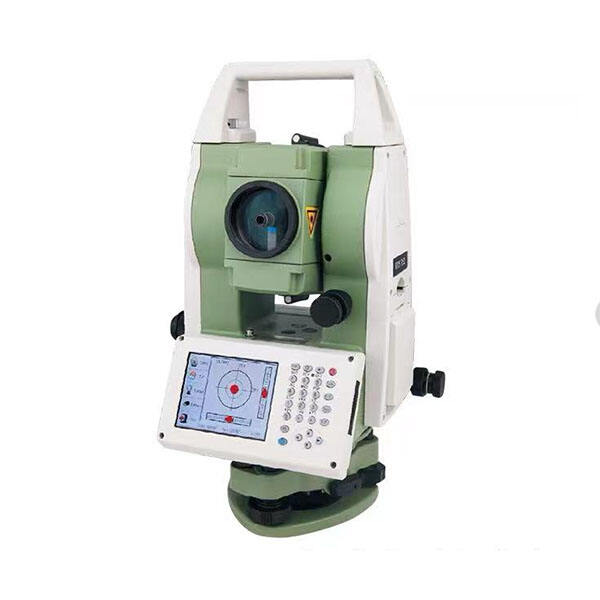
Versatile Applications Across Multiple Industries
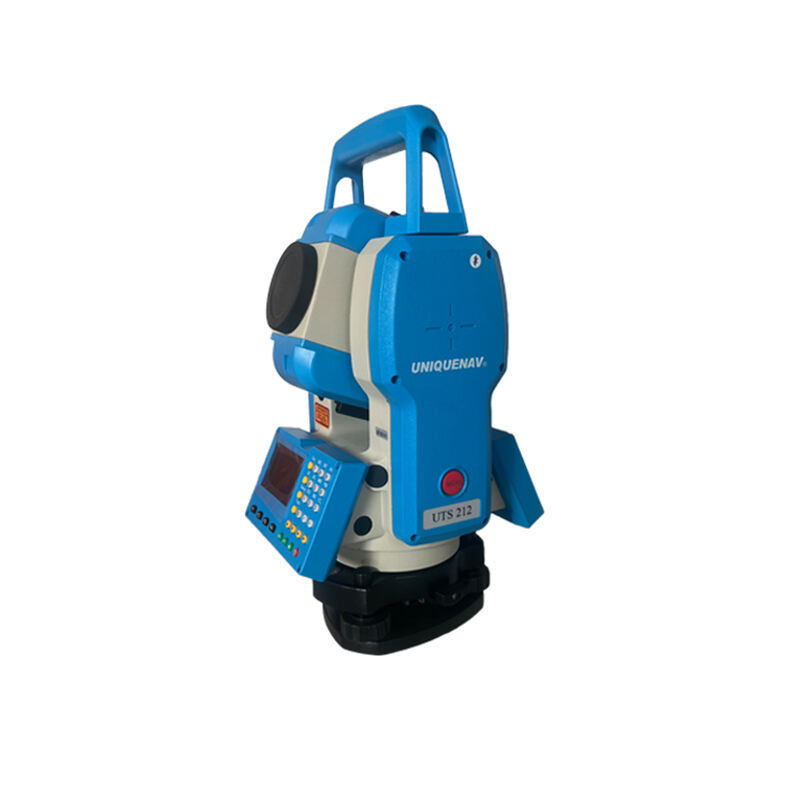
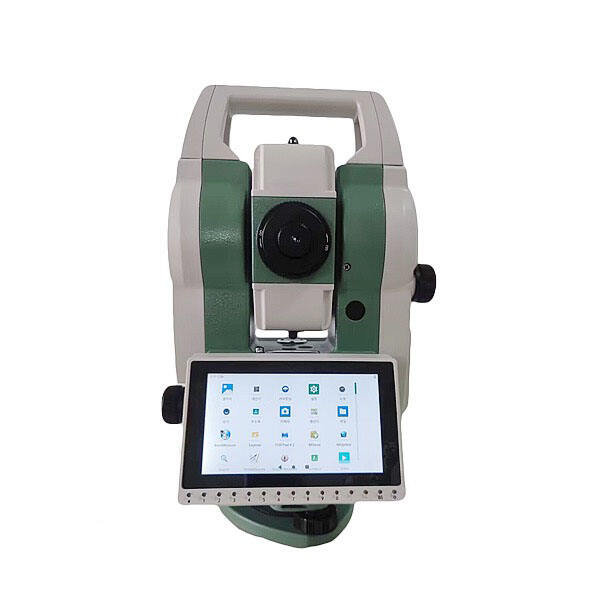
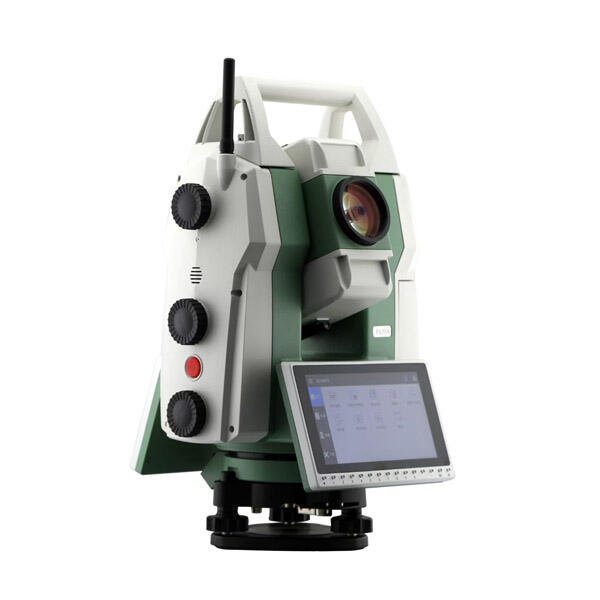
The mechanical total station serves as an indispensable tool across diverse industries, demonstrating remarkable versatility that makes it essential for numerous professional applications. Construction professionals utilize these instruments for precise building layout, foundation surveying, and structural monitoring throughout project lifecycles. The mechanical total station excels in infrastructure projects including road construction, where precise grade control and alignment verification ensure transportation networks meet engineering specifications and safety requirements. Mining operations depend on these instruments for accurate tunnel surveying, ore body mapping, and safety monitoring in challenging underground environments where precision directly impacts worker safety and operational efficiency. Archaeological teams employ mechanical total station technology for precise site documentation, artifact mapping, and excavation control, enabling detailed recording of historical discoveries while maintaining scientific accuracy standards. Environmental monitoring applications benefit from the instrument's ability to track ground movement, measure erosion patterns, and monitor structural stability of natural and artificial slopes over extended time periods. The mechanical total station proves invaluable for utility surveying applications, enabling accurate mapping of underground infrastructure and precise placement of new utility systems in congested urban environments. Surveying professionals use these instruments for property boundary determination, topographic mapping, and cadastral surveys that form the legal foundation for land ownership and development rights. Industrial applications include precision machinery installation, where the mechanical total station ensures accurate positioning of manufacturing equipment and quality control systems. Port and maritime industries rely on these instruments for dock construction, channel surveying, and navigation aid placement where accuracy directly impacts shipping safety and operational efficiency. Agricultural applications utilize mechanical total station technology for precision farming operations, including field mapping, drainage system design, and irrigation infrastructure placement that optimize crop production and resource utilization. The instrument supports specialized applications including sports facility construction, where precise measurements ensure playing surfaces and structures meet official competition standards and safety requirements. Renewable energy projects depend on mechanical total station accuracy for wind turbine positioning, solar panel array alignment, and transmission line surveying that optimize energy production and system performance. Emergency response teams utilize portable mechanical total station units for disaster assessment, enabling rapid damage evaluation and recovery planning following natural disasters or industrial accidents. The instrument's adaptability to different measurement scenarios and environmental conditions makes it suitable for both routine surveying tasks and specialized applications requiring exceptional accuracy and reliability standards.

 EN
EN