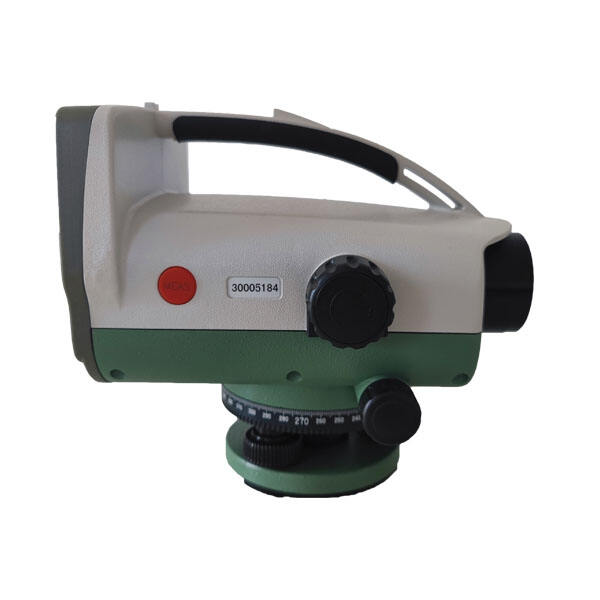
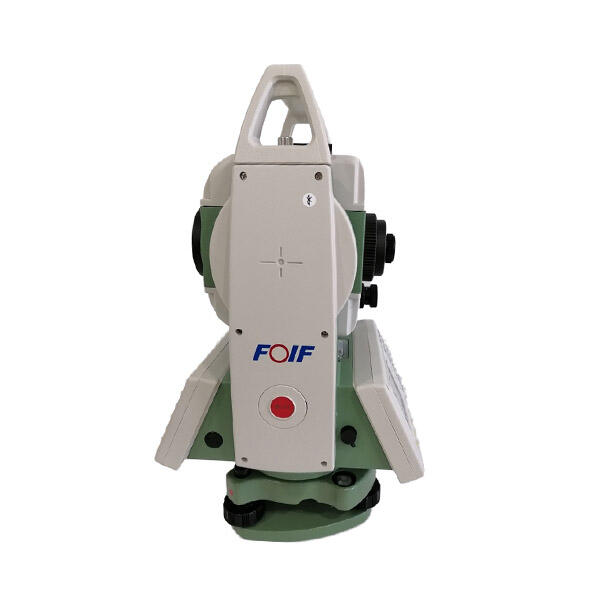
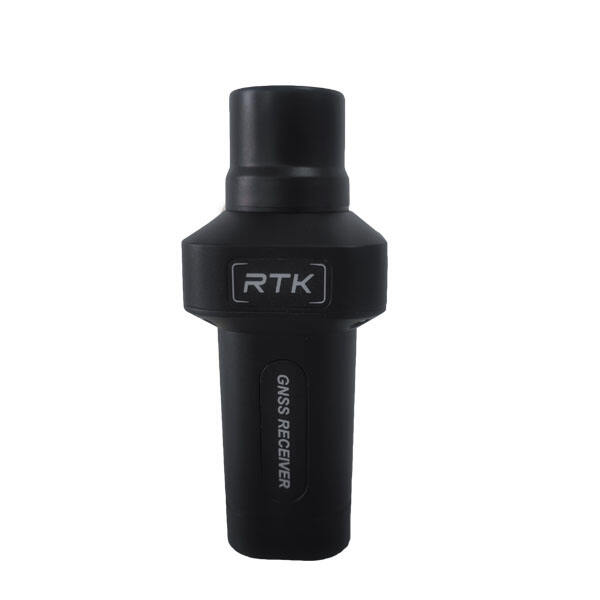
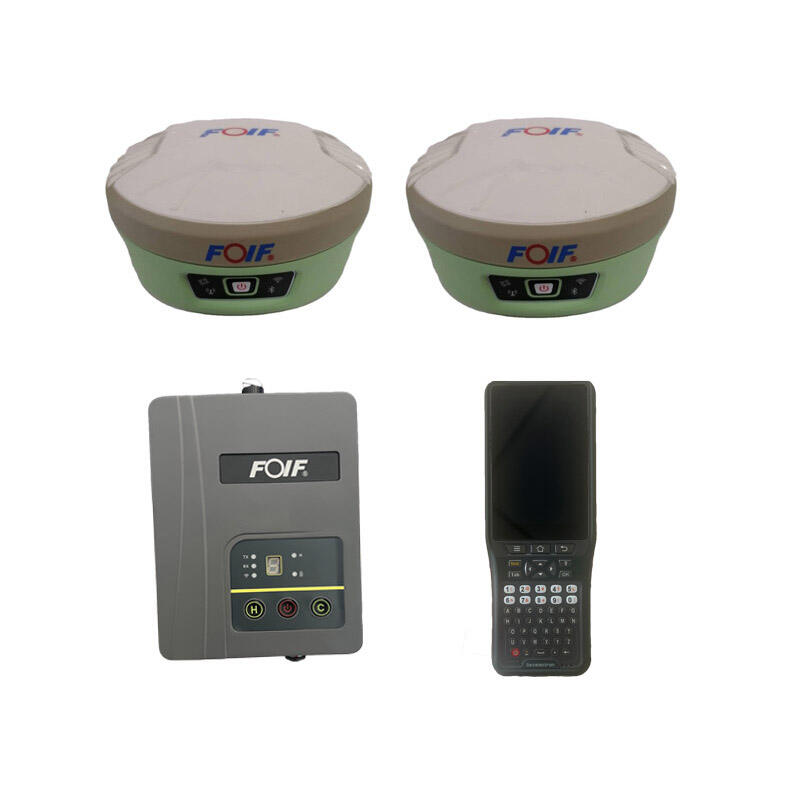
Professional Total Station Equipment - Precision Survey Instruments for Construction & Engineering

All Categories

total station equipment

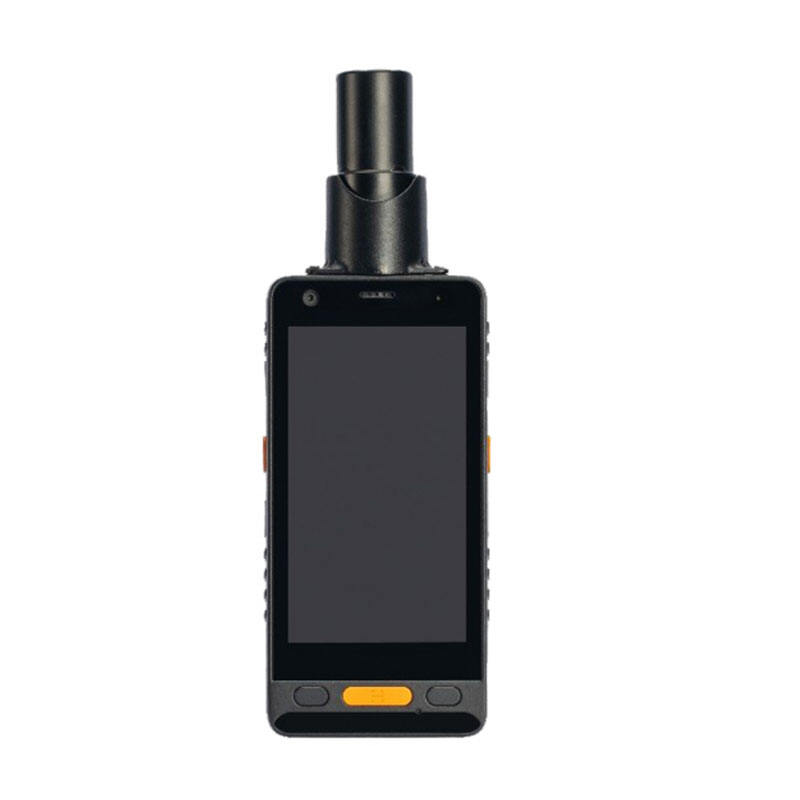
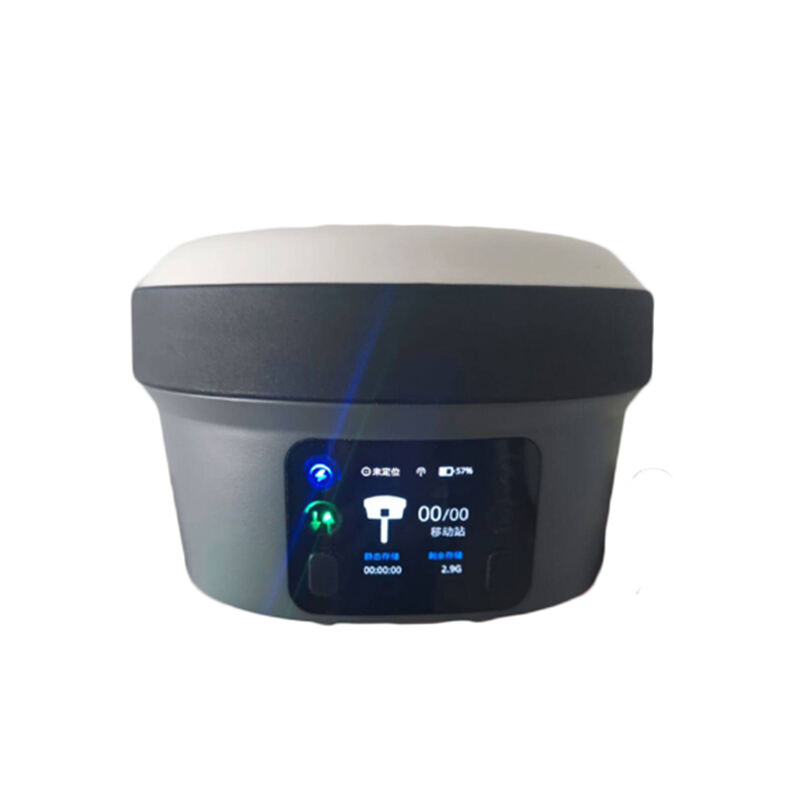
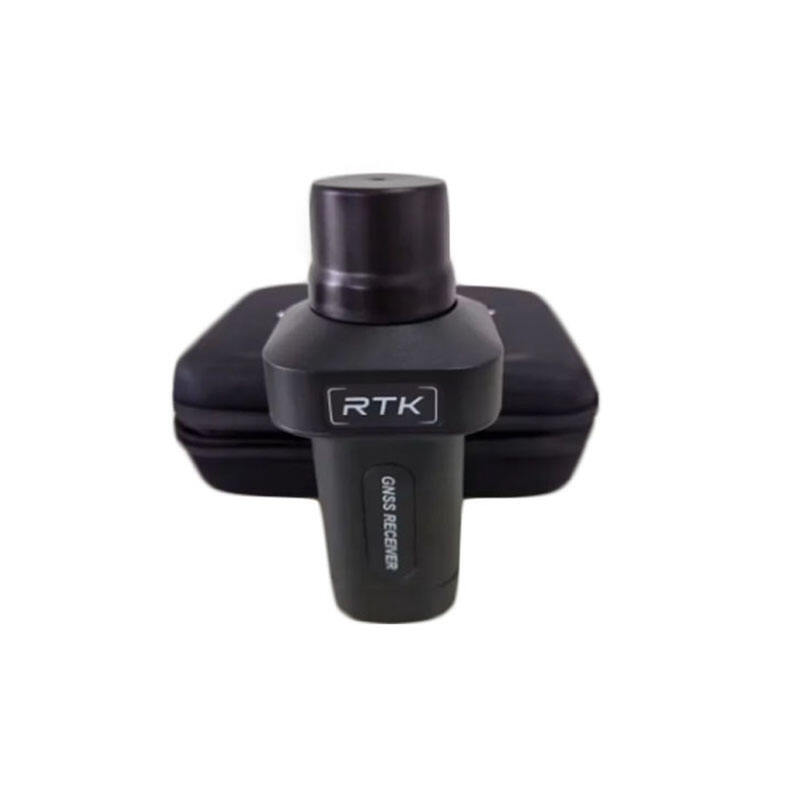
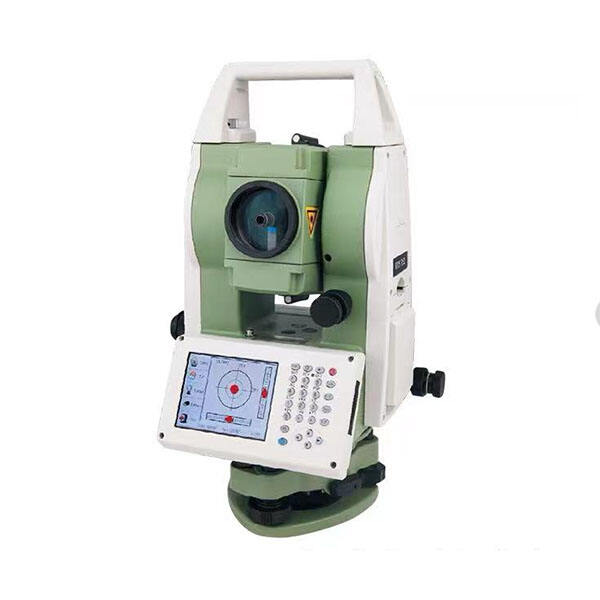
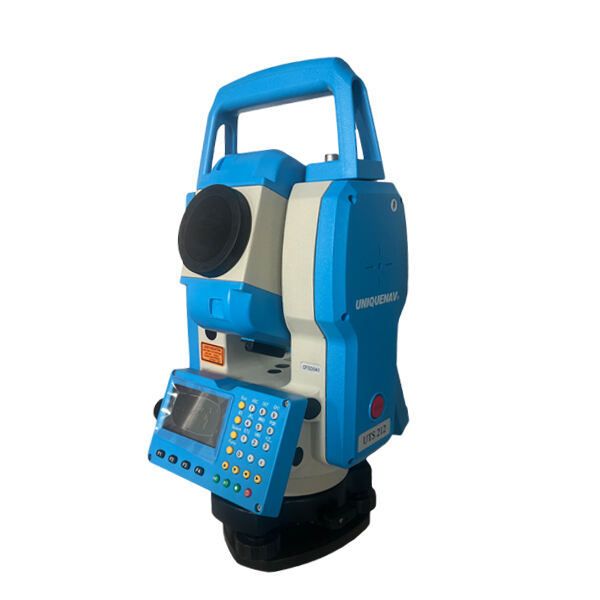
Total station equipment represents a revolutionary advancement in surveying technology, combining electronic distance measurement, angle measurement, and data processing capabilities into a single integrated device. This sophisticated instrument serves as the cornerstone of modern surveying operations, enabling professionals to measure horizontal and vertical angles with exceptional precision while simultaneously calculating distances to target points. The total station equipment incorporates advanced electronic components, including electronic theodolites and electronic distance meters, creating a comprehensive measurement solution that dramatically improves field productivity and accuracy. Modern total station equipment features high-resolution displays, intuitive user interfaces, and robust construction designed to withstand challenging environmental conditions. These instruments utilize laser technology or infrared signals to measure distances accurately across various terrains and weather conditions. The integration of GPS technology in many total station models enhances positioning capabilities, allowing surveyors to establish precise coordinate systems efficiently. Data storage and processing functions enable real-time calculations, coordinate transformations, and immediate quality control checks during field operations. Contemporary total station equipment often includes wireless connectivity options, facilitating seamless data transfer to office computers and cloud-based platforms. The versatility of total station equipment makes it indispensable across multiple industries, from construction and engineering to archaeology and forensic investigations. Professional surveyors rely on total station equipment for boundary surveys, topographic mapping, construction layout, and monitoring structural movements. The precision and reliability of these instruments ensure compliance with industry standards and regulatory requirements. Advanced total station equipment models feature motorized components, enabling automated target tracking and remote operation capabilities. This automation significantly reduces human error while increasing measurement speed and consistency across large-scale projects.

New Product Recommendations

Total station equipment delivers exceptional measurement accuracy that surpasses traditional surveying methods, providing precise angular and distance measurements within millimeter tolerances. This superior accuracy eliminates costly errors and rework, saving construction projects significant time and money. The integrated design of total station equipment streamlines field operations by combining multiple functions into a single device, reducing the equipment load and setup time required for surveying tasks. Operators can complete complex surveys more efficiently, as the total station equipment automatically calculates coordinates, elevations, and distances without manual computations. The digital data collection capabilities of total station equipment eliminate transcription errors common with manual recording methods, ensuring data integrity throughout the surveying process. Real-time data processing allows surveyors to identify and correct potential issues immediately, preventing problems from compounding during project execution. The weather-resistant construction of total station equipment ensures reliable performance in diverse environmental conditions, from extreme temperatures to dusty construction sites. This durability reduces equipment downtime and maintenance costs while extending the instrument's operational lifespan. Modern total station equipment incorporates user-friendly interfaces that minimize training requirements, allowing new operators to become productive quickly. The automation features in advanced models reduce the physical demands on survey crews, improving workplace safety and reducing fatigue-related errors. Data storage capabilities enable extensive project documentation, creating comprehensive records for quality control, legal compliance, and future reference. The wireless connectivity options in contemporary total station equipment facilitate immediate data sharing with project teams, accelerating decision-making processes and improving collaboration. Total station equipment significantly reduces the number of personnel required for surveying operations, as many tasks can be performed by a single operator using remote control functions. This workforce efficiency translates directly into reduced project costs and improved profit margins. The versatility of total station equipment allows it to adapt to various project types and scales, from small residential developments to major infrastructure projects. Investment in quality total station equipment provides long-term value through consistent performance, reduced operational costs, and enhanced project delivery capabilities.

Latest News

How Do RTK GNSS Receivers Maintain Stability in Complex Terrains?

22

Dec

How Do RTK GNSS Receivers Maintain Stability in Complex Terrains?

Navigation accuracy in challenging environments has become a critical requirement across industries ranging from construction and surveying to autonomous vehicles and precision agriculture. RTK GNSS receivers represent the pinnacle of satellite-based...
View More
How Can a Digital Level Boost Efficiency in Surveying Tasks?

11

Feb

How Can a Digital Level Boost Efficiency in Surveying Tasks?

Modern surveying operations demand precision, speed, and reliability to meet tight project deadlines while maintaining accuracy standards. Traditional surveying methods, while foundational, often fall short of the efficiency requirements in today's f...
View More
Why Are Digital Levels Preferred Over Traditional Bubble Levels?

11

Feb

Why Are Digital Levels Preferred Over Traditional Bubble Levels?

The construction and engineering industries have witnessed a significant transformation in measurement tools over the past decade. Among these advancements, digital levels have emerged as the preferred choice for professionals who demand precision, e...
View More
How Does a Theodolite Compare to Total Stations in Practical Use?

11

Feb

How Does a Theodolite Compare to Total Stations in Practical Use?

Surveying professionals and construction engineers face critical decisions when selecting measurement instruments for their projects. The choice between traditional surveying tools and modern integrated systems can significantly impact project effici...
View More

Get a Free Quote

Our representative will contact you soon.
Email
Name
Company Name
Message
0/1000

total station equipment

Precision Measurement Technology for Unmatched Accuracy

Precision Measurement Technology for Unmatched Accuracy

The precision measurement technology integrated into total station equipment represents the pinnacle of surveying accuracy, delivering measurements with tolerances that meet the most demanding professional standards. This advanced technology combines electronic angle measurement systems with sophisticated distance measurement capabilities, creating an instrument that consistently achieves millimeter-level precision across extensive measurement ranges. The electronic theodolite component of total station equipment utilizes high-resolution encoders and advanced signal processing algorithms to measure horizontal and vertical angles with exceptional accuracy, typically achieving angular measurements precise to within seconds of arc. The electronic distance measurement system employs laser or infrared technology to determine distances with remarkable precision, often achieving accuracy levels of 1-3 millimeters plus 2 parts per million of the measured distance. This level of precision is crucial for construction projects where structural elements must align perfectly, infrastructure developments requiring exact positioning, and boundary surveys where legal accuracy is paramount. The sophisticated calibration systems built into total station equipment ensure measurement consistency over time, automatically compensating for environmental factors such as temperature, atmospheric pressure, and humidity that could affect measurement accuracy. Advanced total station equipment models incorporate dual-axis compensation systems that automatically correct for instrument tilting, maintaining measurement precision even when the device is not perfectly leveled. The precision measurement technology also includes sophisticated error detection and correction algorithms that identify and eliminate systematic errors, ensuring that accumulated measurements remain accurate over long survey traverses. Quality control features embedded in the total station equipment continuously monitor measurement consistency, alerting operators to potential issues before they compromise survey accuracy. This precision measurement technology enables surveyors to establish control networks with confidence, knowing that their measurements will provide a reliable foundation for all subsequent project activities. The economic benefits of this precision are substantial, as accurate measurements prevent costly construction errors, reduce material waste, and eliminate the need for expensive rework operations.
Integrated Data Management System for Enhanced Productivity

Integrated Data Management System for Enhanced Productivity

The integrated data management system within total station equipment revolutionizes how surveying professionals collect, process, and manage field data, creating a seamless workflow that dramatically enhances productivity and reduces project completion times. This comprehensive system combines real-time data collection with sophisticated processing capabilities, enabling surveyors to perform complex calculations, coordinate transformations, and quality control checks immediately in the field. The data management system automatically stores all measurements with comprehensive metadata, including timestamps, operator identification, and environmental conditions, creating detailed audit trails that support quality assurance protocols and legal requirements. Advanced total station equipment features intuitive software interfaces that guide operators through survey procedures, reducing the likelihood of errors while ensuring consistent data collection methodologies across different projects and personnel. The system supports multiple coordinate systems and datum transformations, allowing surveyors to work seamlessly across projects with different reference frameworks without manual conversions or additional calculations. Real-time stakeout capabilities enable construction crews to position elements accurately during installation, eliminating the traditional delay between surveying and construction activities. The data management system includes comprehensive project management tools that organize measurements by job, date, and survey type, making data retrieval and analysis efficient and straightforward. Cloud connectivity features in modern total station equipment enable automatic data backup and synchronization, ensuring that valuable survey data is protected against loss while remaining accessible to project teams regardless of their location. The system supports various data export formats, facilitating integration with computer-aided design software, geographic information systems, and construction management platforms. Quality control algorithms continuously monitor data consistency, flagging potential errors or inconsistencies for operator review and correction. The integrated data management system also supports batch processing capabilities, allowing surveyors to apply corrections or transformations to entire datasets efficiently. This comprehensive approach to data management eliminates many traditional bottlenecks in the surveying workflow, enabling faster project delivery and improved client satisfaction while maintaining the highest standards of accuracy and documentation.

Versatile Application Capabilities Across Multiple Industries

Versatile Application Capabilities Across Multiple Industries

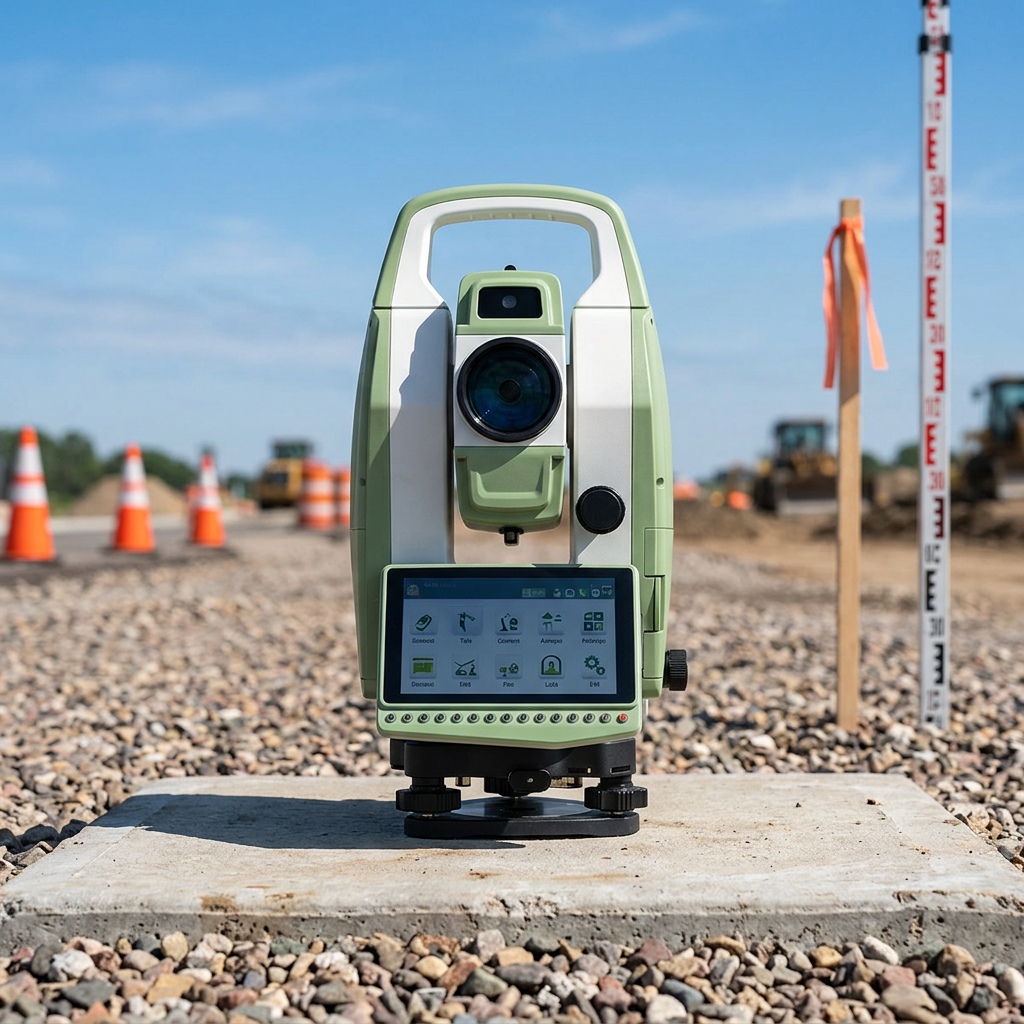
The versatile application capabilities of total station equipment make it an invaluable asset across numerous industries, demonstrating remarkable adaptability to diverse measurement and positioning challenges that extend far beyond traditional surveying applications. In construction and engineering projects, total station equipment serves multiple critical functions, from initial site surveys and foundation layout to structural monitoring and as-built documentation. The instrument excels in establishing precise control networks that provide the geometric foundation for complex construction projects, ensuring that all building elements align correctly according to design specifications. Civil engineering applications leverage total station equipment for highway design and construction, where precise elevation control and horizontal alignment are essential for proper drainage and traffic safety. The equipment proves particularly valuable in infrastructure projects such as bridges, tunnels, and airports, where millimeter-level accuracy is required for structural integrity and operational safety. Archaeological applications benefit significantly from total station equipment capabilities, as researchers use these instruments to document excavation sites with exceptional precision, creating detailed three-dimensional records of artifact locations and stratigraphic relationships. The non-invasive nature of total station measurements makes it ideal for heritage preservation projects where traditional measurement methods might damage sensitive structures or environments. Mining operations utilize total station equipment for underground surveys, stockpile calculations, and equipment positioning in challenging environments where GPS signals are unavailable or unreliable. Forensic applications demonstrate another dimension of total station equipment versatility, as investigators use these instruments to document accident scenes, crime scenes, and structural failures with the precision required for legal proceedings. Environmental monitoring projects employ total station equipment for tracking ground movement, structural deformation, and natural phenomena such as landslide monitoring and glacier movement studies. The equipment's ability to perform measurements in challenging weather conditions and diverse terrains makes it suitable for projects in remote locations where other measurement technologies might fail. Utility mapping and asset management applications benefit from total station equipment capabilities to create accurate records of underground infrastructure, overhead power lines, and telecommunications networks. The versatility extends to specialized applications such as industrial plant surveys, ship building, and precision manufacturing where dimensional accuracy is critical for operational success and safety compliance.

Get a Free Quote

Our representative will contact you soon.
Email
Name
Company Name
Message
0/1000