Advanced Total Station with GPS: Professional Surveying Solutions for Precision Measurement

All Categories

total station with gps

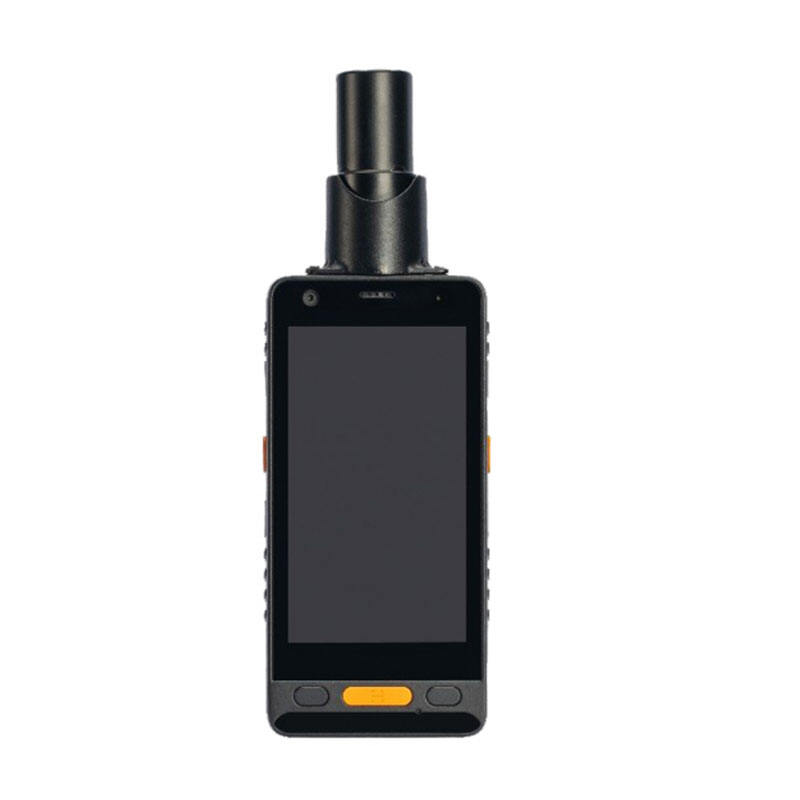
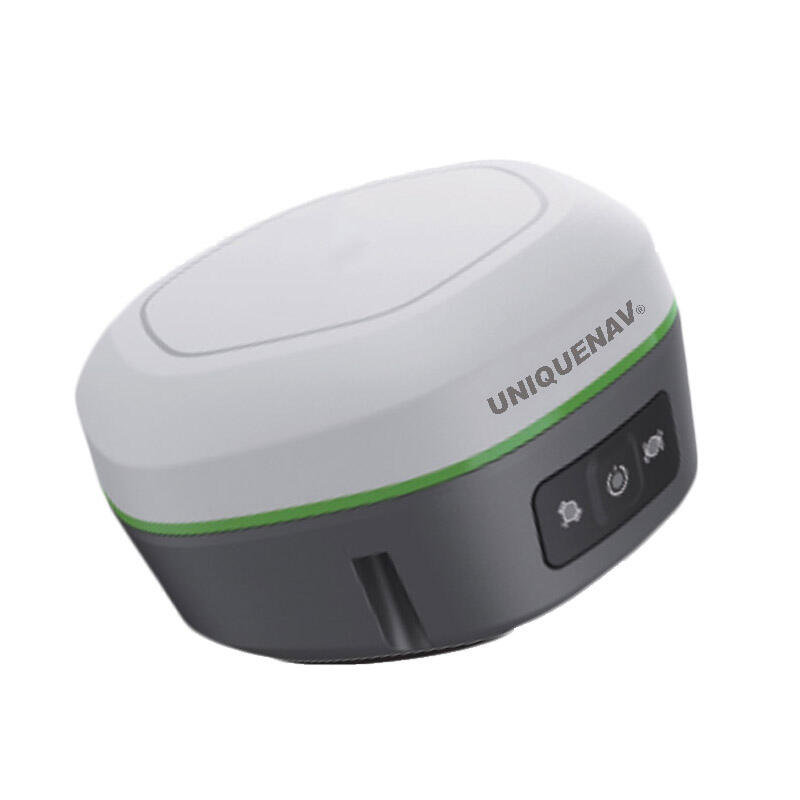
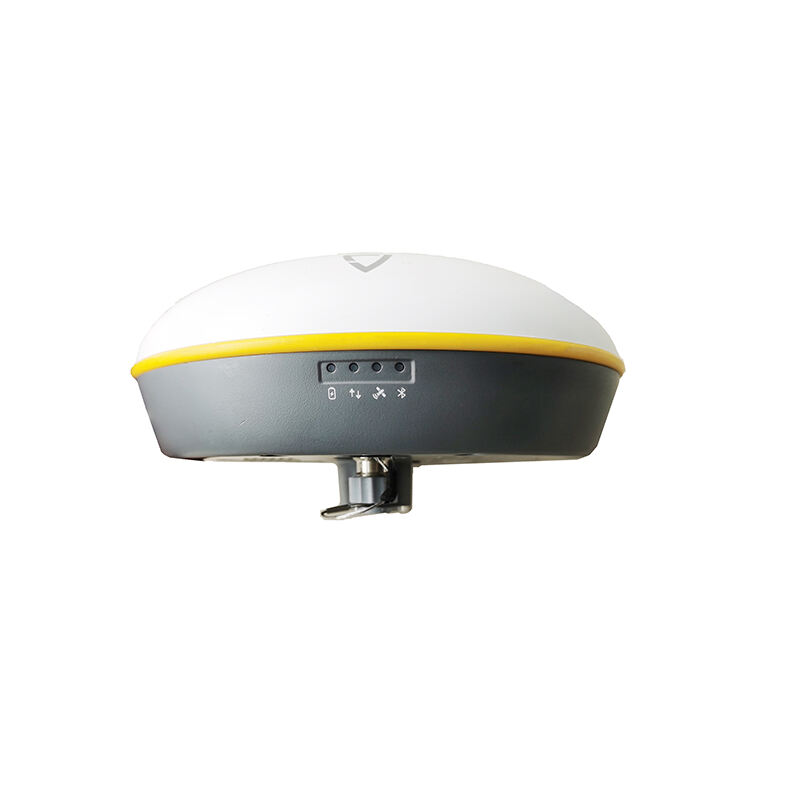
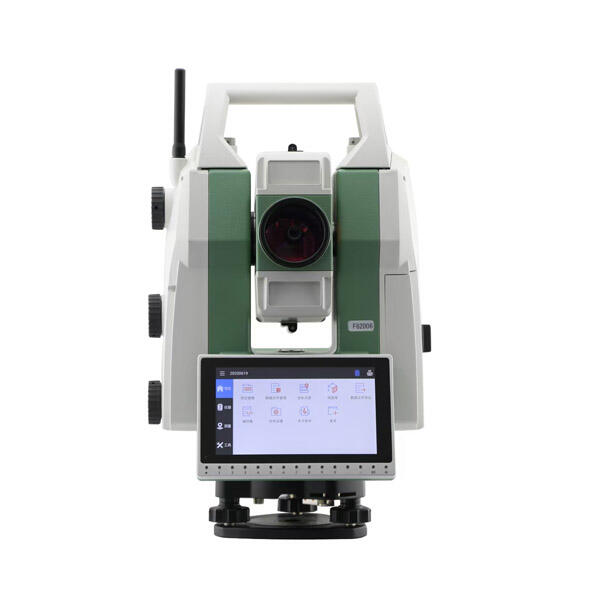
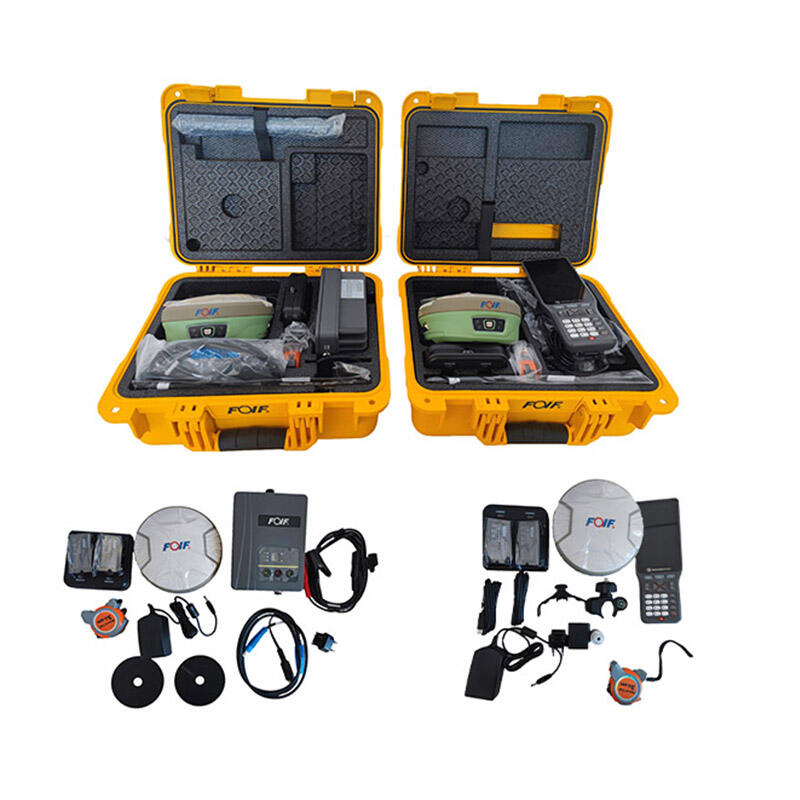
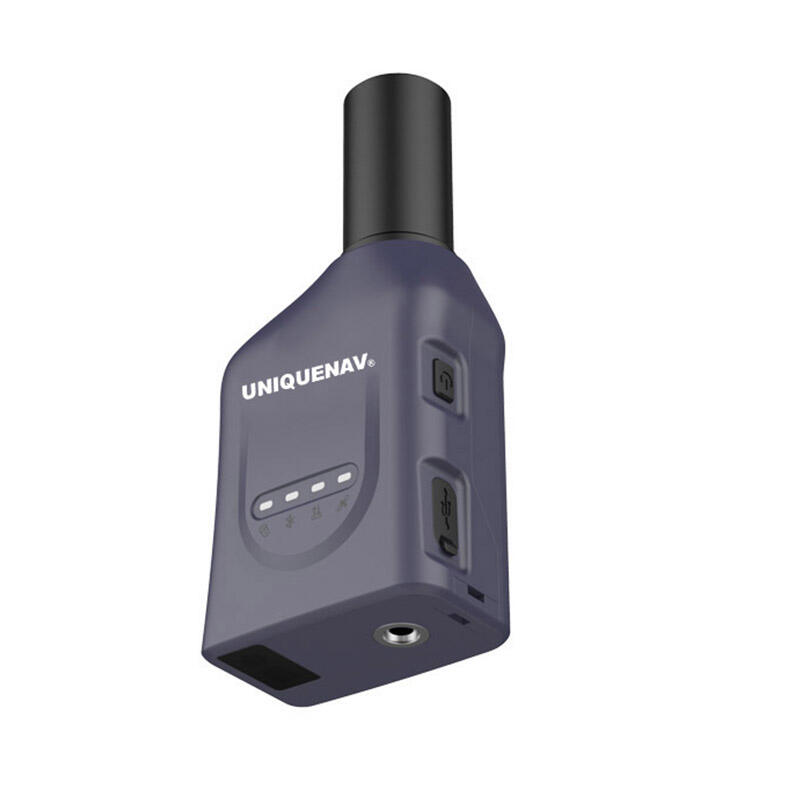
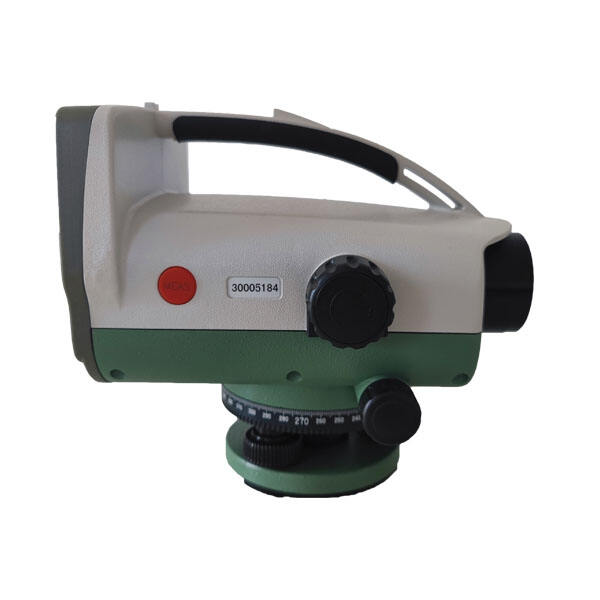
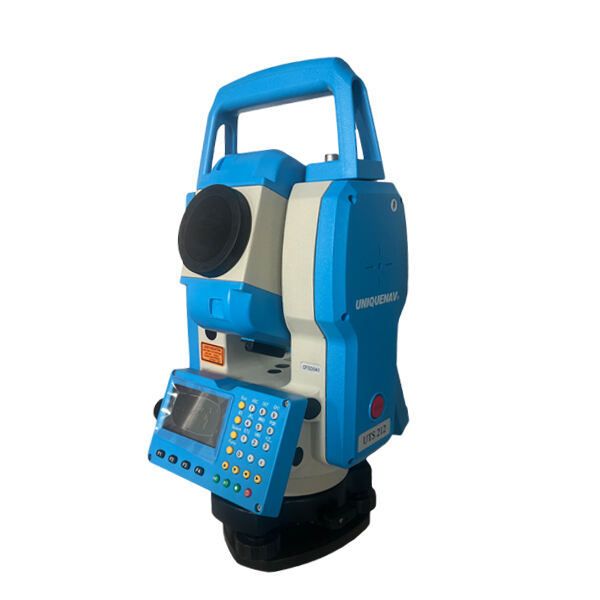
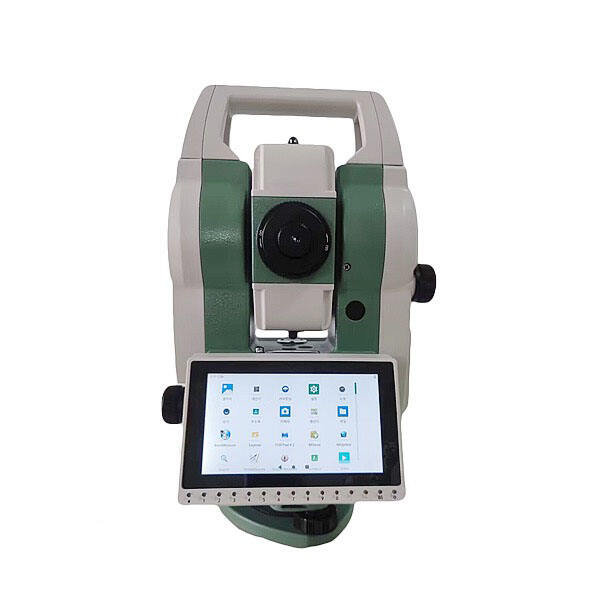
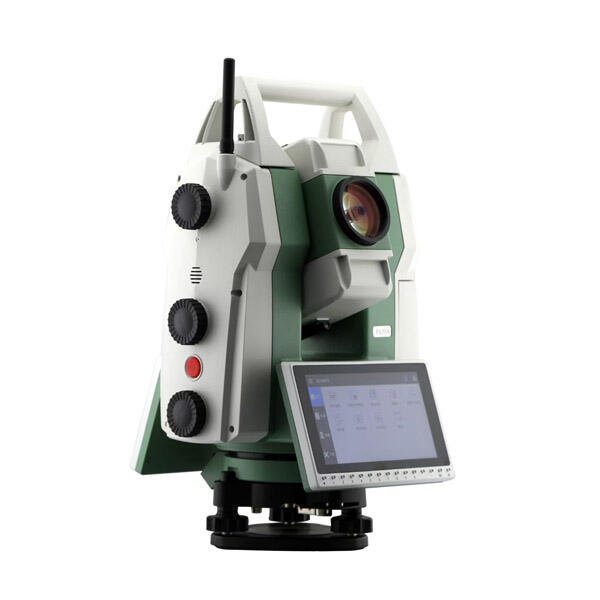
A total station with GPS represents the pinnacle of modern surveying technology, combining traditional electronic distance measurement capabilities with satellite-based positioning systems to deliver unparalleled accuracy and efficiency in field measurements. This sophisticated instrument merges the functionality of a theodolite, electronic distance meter, and GPS receiver into one comprehensive unit, revolutionizing how surveying professionals approach their work. The integration of GPS technology with conventional total station measurements creates a powerful hybrid system that eliminates many limitations associated with traditional surveying methods. Modern total station with GPS units feature advanced processors that seamlessly blend terrestrial observations with satellite data, providing surveyors with multiple positioning methods within a single device. The instrument automatically switches between GPS and optical measurements based on environmental conditions and project requirements, ensuring continuous productivity regardless of site constraints. Key technological features include real-time kinematic positioning, which delivers centimeter-level accuracy through satellite corrections, and robotic functionality that allows remote operation from distances up to several hundred meters. The total station with GPS incorporates sophisticated software algorithms that process both satellite signals and ground-based measurements simultaneously, creating redundant data streams that enhance reliability and precision. Advanced communication capabilities enable seamless data transfer to office systems, while ruggedized construction ensures reliable performance in challenging field conditions. These instruments typically feature large color displays, intuitive interfaces, and extensive memory capacity for storing complex project data. The integration of multiple measurement technologies within the total station with GPS platform provides surveyors with unprecedented flexibility, allowing them to adapt quickly to changing site conditions while maintaining consistent accuracy standards throughout their projects.

New Products

The primary advantage of using a total station with GPS lies in its remarkable versatility, allowing surveyors to work efficiently across diverse environments and project types without requiring multiple instruments. This integrated approach significantly reduces equipment costs while streamlining field operations, as professionals can accomplish comprehensive surveys using just one device. The total station with GPS eliminates the traditional dependency on established control networks, enabling surveyors to begin work immediately upon arrival at any site worldwide. This independence from existing reference points dramatically reduces project setup time and associated costs, particularly beneficial for remote locations or emergency response situations. Real-time positioning capabilities ensure surveyors receive instant feedback about measurement quality and accuracy, allowing immediate verification and correction of any issues before leaving the field. This immediate validation prevents costly return trips and reduces the risk of discovering problems during office processing. The total station with GPS delivers consistent accuracy across varying distances and environmental conditions, maintaining precision whether measuring short distances in urban environments or long sightlines across open terrain. Advanced atmospheric correction algorithms automatically compensate for temperature, humidity, and pressure variations, ensuring reliable measurements throughout changing weather conditions. The instrument's ability to establish coordinate systems instantly through GPS initialization eliminates lengthy traditional setup procedures, allowing surveyors to focus on data collection rather than complex preparation routines. Integrated data management systems within the total station with GPS automatically organize measurements, calculate coordinates, and generate reports, significantly reducing manual processing time and potential errors. The combination of optical and satellite measurements provides redundant positioning information, enhancing data reliability and enabling quality control checks that identify potential issues before they affect project outcomes. Remote operation capabilities allow single-person surveys in many situations previously requiring multiple team members, reducing labor costs while maintaining safety standards. The total station with GPS adapts seamlessly to various applications, from construction layout and topographic mapping to boundary surveys and engineering projects, making it an invaluable investment for surveying professionals seeking maximum operational flexibility and cost-effectiveness.

Practical Tips

GNSS RTK: The Ultimate Guide to Real-Time Kinematic Surveying

27

Nov

GNSS RTK: The Ultimate Guide to Real-Time Kinematic Surveying

Real-Time Kinematic (RTK) technology has revolutionized the field of surveying by providing centimeter-level accuracy in positioning measurements. This advanced Global Navigation Satellite System (GNSS) technique enables surveyors, construction profe...
View More
GNSS RTK vs. Traditional Surveying: What’s the Difference?

27

Nov

GNSS RTK vs. Traditional Surveying: What’s the Difference?

Modern surveying has undergone a revolutionary transformation with the introduction of Global Navigation Satellite Systems (GNSS) technology, particularly Real-Time Kinematic (RTK) positioning. While traditional surveying methods have served the cons...
View More
Why Is RTK GNSS Essential for High-Accuracy Industrial Positioning?

22

Dec

Why Is RTK GNSS Essential for High-Accuracy Industrial Positioning?

In today's rapidly evolving industrial landscape, precise positioning has become the cornerstone of operational excellence across multiple sectors. RTK GNSS technology represents a quantum leap forward in positioning accuracy, delivering centimeter-l...
View More
How Do RTK GNSS Receivers Maintain Stability in Complex Terrains?

22

Dec

How Do RTK GNSS Receivers Maintain Stability in Complex Terrains?

Navigation accuracy in challenging environments has become a critical requirement across industries ranging from construction and surveying to autonomous vehicles and precision agriculture. RTK GNSS receivers represent the pinnacle of satellite-based...
View More

Get a Free Quote

Our representative will contact you soon.
Email
Name
Company Name
Message
0/1000

total station with gps

Revolutionary Real-Time Kinematic Technology

Revolutionary Real-Time Kinematic Technology

The integration of Real-Time Kinematic technology within the total station with GPS represents a groundbreaking advancement that transforms how surveying professionals achieve centimeter-level accuracy in real-time field operations. This sophisticated positioning system utilizes carrier phase measurements from multiple satellite constellations, including GPS, GLONASS, Galileo, and BeiDou, to deliver unprecedented precision that rivals traditional optical measurements while offering the convenience of satellite-based positioning. The RTK-enabled total station with GPS processes correction data from base stations or network services to eliminate atmospheric delays and satellite orbit errors that typically affect standard GPS measurements. This correction process happens instantaneously, providing surveyors with immediate confirmation of measurement quality through real-time accuracy indicators displayed on the instrument's interface. The technology enables surveyors to establish precise coordinates anywhere on Earth without requiring existing control points, dramatically expanding operational capabilities and reducing project dependencies. Advanced algorithms within the total station with GPS continuously monitor satellite geometry and signal quality, automatically selecting the optimal combination of satellites to maintain accuracy even in challenging environments with limited sky visibility. The system's ability to maintain RTK positioning while transitioning between different satellite constellations ensures continuous operation despite signal interruptions or geometric changes. This robust performance proves particularly valuable in urban environments where buildings may obstruct satellite signals, as the total station with GPS seamlessly switches to terrestrial measurements when necessary. The RTK functionality integrates seamlessly with conventional total station operations, allowing surveyors to combine satellite positioning with optical measurements for enhanced redundancy and verification. This dual-mode capability provides confidence in measurement accuracy while offering flexibility to adapt measurement methods based on site conditions and project requirements. The real-time nature of RTK corrections eliminates the need for post-processing procedures that traditionally delayed project completion, enabling surveyors to deliver final coordinates and layout information immediately upon field completion.
Seamless Multi-Mode Operation and Adaptability

Seamless Multi-Mode Operation and Adaptability

The exceptional multi-mode operational capability of the total station with GPS sets it apart as the most adaptable surveying instrument available, seamlessly transitioning between GPS positioning, optical measurements, and combined hybrid modes based on environmental conditions and project requirements. This intelligent adaptability ensures continuous productivity regardless of site constraints, weather conditions, or accessibility limitations that might otherwise halt traditional surveying operations. The instrument's sophisticated software continuously evaluates measurement conditions and automatically selects the most appropriate positioning method, whether utilizing satellite signals in open areas or switching to optical measurements in obstructed environments. This automatic mode selection eliminates the need for manual intervention while ensuring optimal accuracy throughout the survey process. The total station with GPS excels in challenging environments where traditional GPS units fail, such as beneath forest canopies, near tall buildings, or in narrow corridors where satellite visibility is severely limited. In these situations, the instrument seamlessly transitions to its high-precision optical measurement capabilities while maintaining coordinate system integrity and measurement continuity. The hybrid measurement approach allows the total station with GPS to leverage the strengths of both positioning technologies, using GPS for rapid point establishment and optical measurements for precise detail work or verification shots. This combination proves invaluable for large-scale projects where efficiency and accuracy must be balanced across varying site conditions. Advanced communication protocols within the total station with GPS enable real-time coordination with office systems, allowing project managers to monitor progress and provide guidance remotely while field crews adapt to changing conditions. The instrument's ability to store multiple coordinate systems and seamlessly switch between local and global reference frames provides flexibility for projects requiring integration with existing surveys or compliance with various datum requirements. Field crews can confidently work in areas with mixed satellite visibility, knowing the total station with GPS will maintain accuracy standards while adapting measurement methods as needed. This adaptability extends to various applications, from construction stakeout requiring rapid point location to boundary surveys demanding precise angular measurements, all within a single instrument platform that eliminates the need for multiple specialized devices.

Advanced Data Integration and Workflow Optimization

Advanced Data Integration and Workflow Optimization

The sophisticated data integration capabilities of the total station with GPS revolutionize surveying workflows by providing seamless connectivity between field measurements and office processing systems, eliminating traditional bottlenecks that delay project completion and increase costs. This advanced integration encompasses real-time data transmission, automated processing algorithms, and intelligent quality control systems that work together to streamline the entire surveying process from initial setup through final deliverable production. The total station with GPS features built-in cellular and wireless communication capabilities that enable instant data transfer to cloud-based platforms, allowing office personnel to begin processing and analysis while field work continues. This concurrent workflow approach significantly reduces project turnaround times and enables rapid identification of any issues that might require field verification or additional measurements. Advanced onboard processing power within the total station with GPS performs complex calculations and coordinate transformations in real-time, providing immediate feedback about measurement accuracy and project compliance. The instrument automatically applies atmospheric corrections, scale factors, and datum transformations, ensuring all measurements conform to project specifications without requiring manual intervention or post-processing adjustments. Intelligent data management systems organize measurements automatically, creating structured datasets that integrate seamlessly with popular CAD and GIS software packages. The total station with GPS can export data in multiple formats simultaneously, accommodating various software requirements and client specifications without additional conversion steps. Quality control algorithms continuously monitor measurement consistency and flag potential issues before they affect project outcomes, providing visual indicators and alerts when measurements fall outside acceptable tolerances. This proactive quality management prevents costly errors while ensuring deliverables meet professional standards and regulatory requirements. The instrument's ability to store and recall project templates enables rapid deployment for similar projects, standardizing measurement procedures and reducing setup time for recurring work types. Integration with mobile applications allows field crews to access project information, view real-time progress, and coordinate with office personnel through intuitive interfaces that require minimal training. The total station with GPS supports collaborative workflows where multiple instruments can share reference data and coordinate measurements across large project areas, ensuring consistency and enabling efficient team deployment for complex surveys requiring multiple crews working simultaneously.

Get a Free Quote

Our representative will contact you soon.
Email
Name
Company Name
Message
0/1000