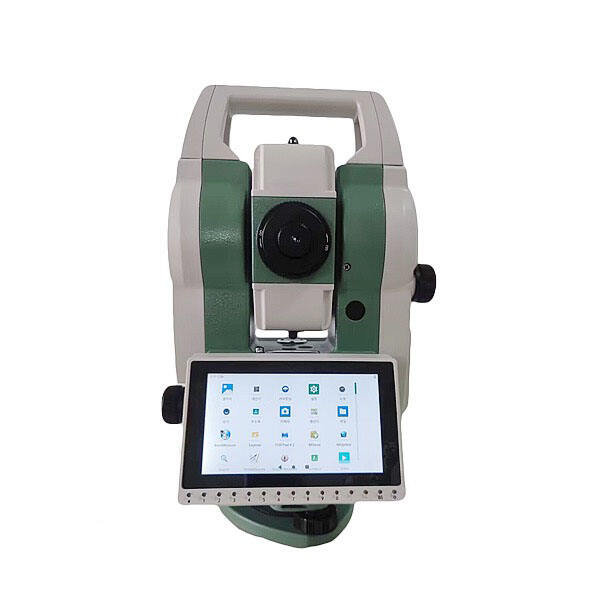
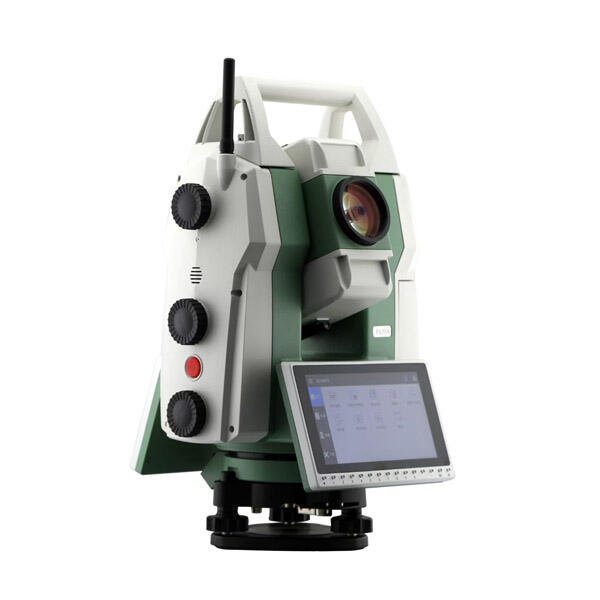
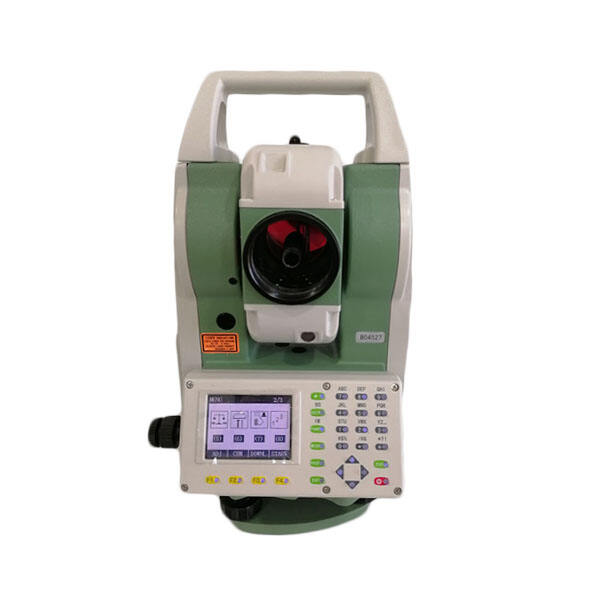
Professional Total Station Survey Equipment - Advanced Surveying Technology Solutions

All Categories

total station survey equipment

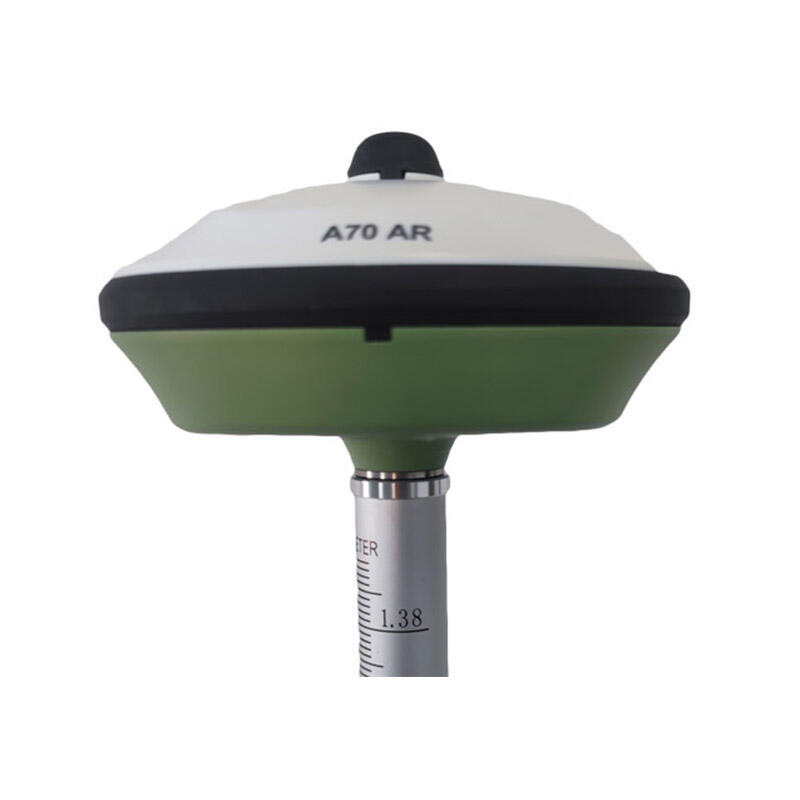
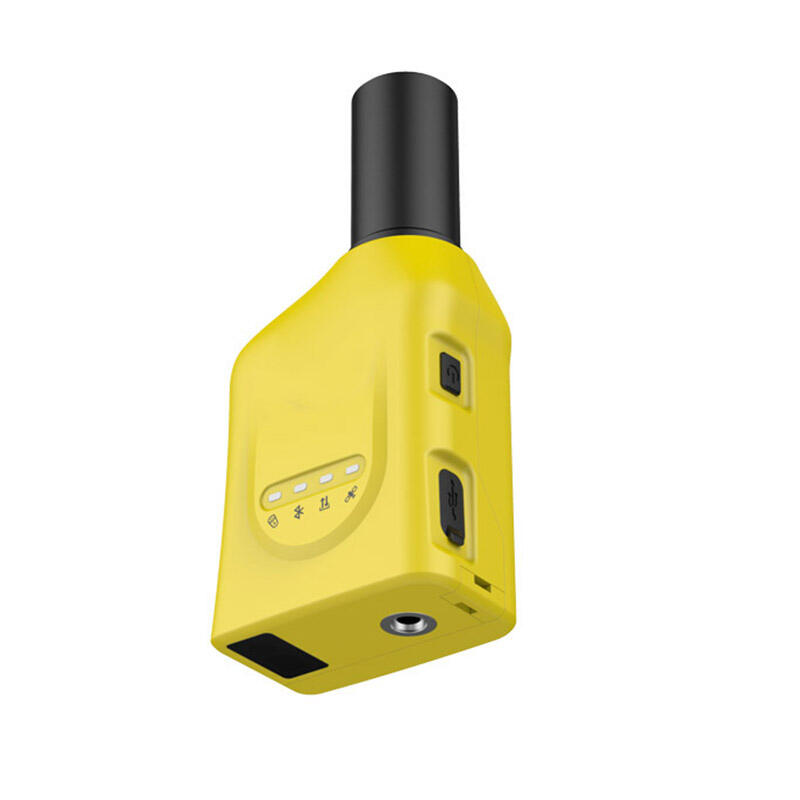
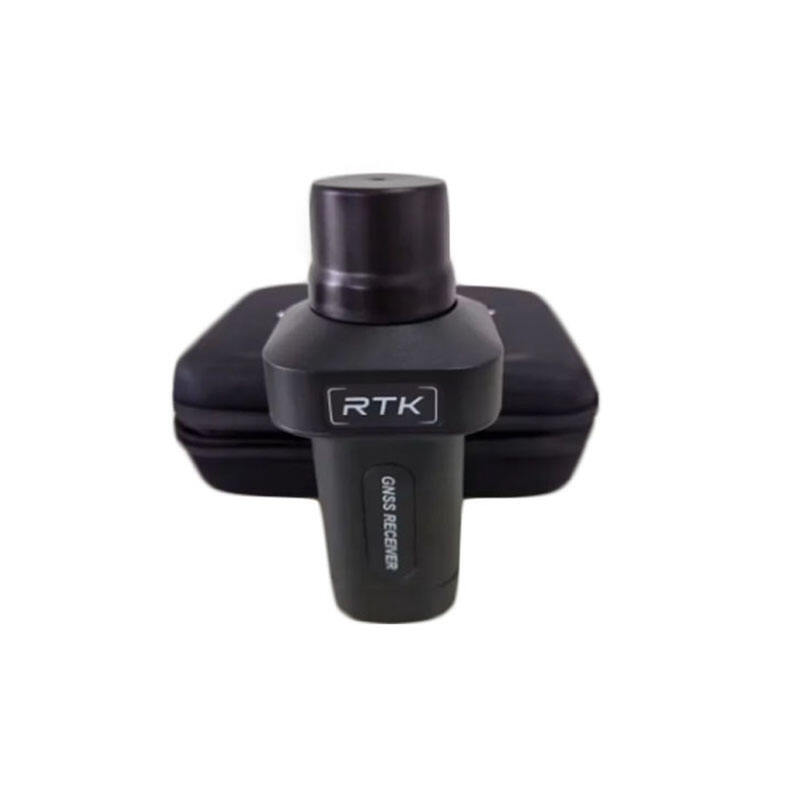
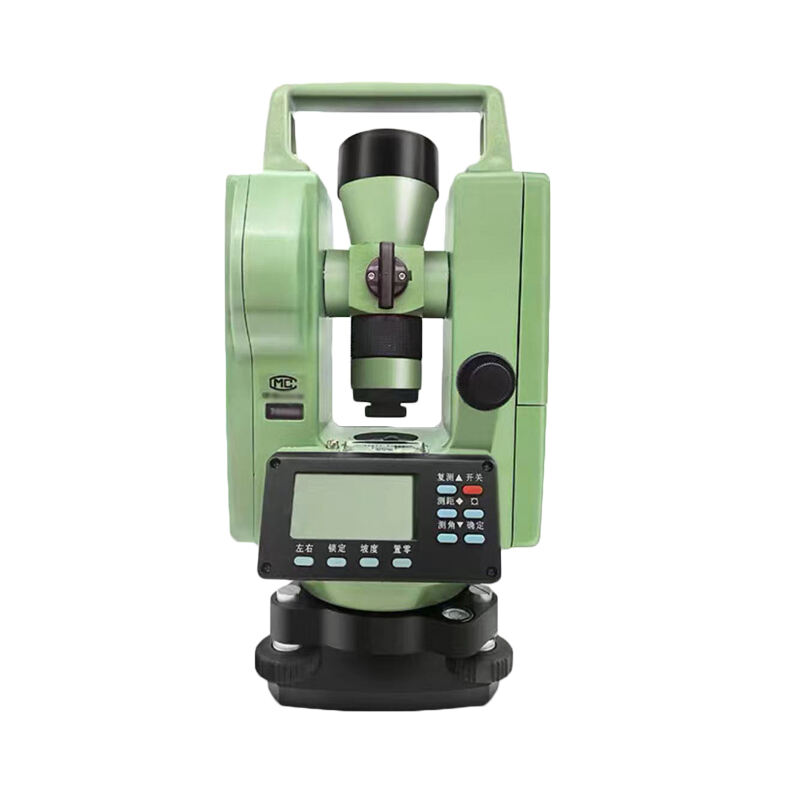
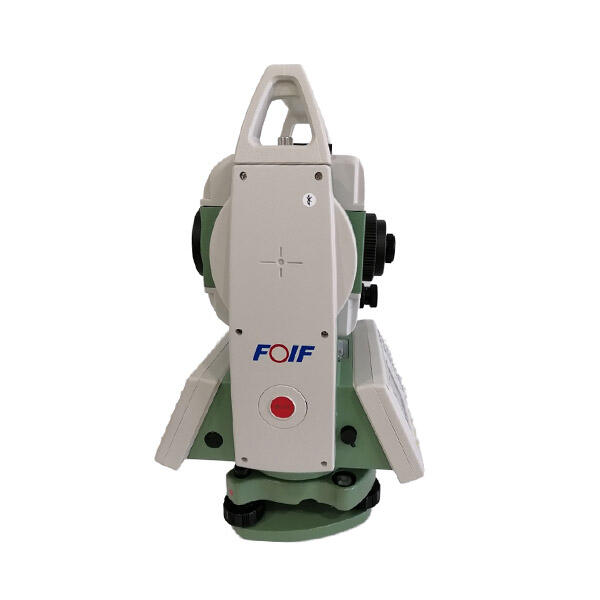
Total station survey equipment represents a revolutionary advancement in modern surveying and construction technology, combining electronic distance measurement, digital theodolite functionality, and sophisticated data processing capabilities into one comprehensive instrument. This cutting-edge surveying tool has transformed how professionals conduct land surveys, construction layout, and engineering measurements across diverse industries. The total station survey equipment integrates precise angle measurement with electronic distance measurement technology, enabling surveyors to capture accurate horizontal and vertical angles while simultaneously measuring distances to target points with exceptional precision. Modern total station survey equipment features advanced electronic components including high-resolution displays, internal data storage systems, and wireless connectivity options that streamline field operations and enhance productivity. The instrument operates using electromagnetic waves to measure distances, typically employing infrared light or laser technology to achieve millimeter-level accuracy over extensive ranges. Contemporary total station survey equipment incorporates GPS integration capabilities, allowing seamless coordination between satellite positioning data and traditional surveying measurements for enhanced accuracy and efficiency. The versatility of total station survey equipment extends beyond basic surveying applications, encompassing topographic mapping, construction staking, boundary determination, volumetric calculations, and infrastructure monitoring projects. Professional surveyors rely on total station survey equipment for its ability to automatically compensate for atmospheric conditions, instrument errors, and earth curvature effects that could compromise measurement accuracy. Advanced total station survey equipment models feature motorized tracking systems that can automatically follow prism targets, significantly reducing fieldwork time and minimizing human error during data collection processes. The robust construction of total station survey equipment ensures reliable performance in challenging environmental conditions, with weatherproof housings and shock-resistant designs that protect sensitive electronic components from moisture, dust, and mechanical impacts encountered during field operations.


Popular Products

Total station survey equipment offers substantial advantages that dramatically improve surveying efficiency and measurement accuracy compared to traditional surveying methods. The integrated design of total station survey equipment eliminates the need for multiple separate instruments, reducing equipment transportation costs and setup time while minimizing potential errors associated with instrument coordination. Professional surveyors experience significant time savings when using total station survey equipment because the instrument combines distance measurement and angle measurement functions in a single operation, allowing rapid data collection across large survey areas. The digital data storage capabilities of total station survey equipment eliminate manual recording errors and provide instant access to measurement data, enabling real-time quality control and immediate correction of any discrepancies during field operations. Modern total station survey equipment features user-friendly interfaces with intuitive menu systems and large, high-contrast displays that remain clearly visible in various lighting conditions, reducing operator fatigue and improving measurement consistency throughout extended work sessions. The automatic error correction features built into total station survey equipment compensate for atmospheric conditions, instrument inclination, and systematic errors, ensuring measurement accuracy that consistently exceeds manual surveying methods. Total station survey equipment enables seamless integration with computer-aided design software and geographic information systems, allowing surveyors to transfer field data directly to office computers for immediate processing and analysis without time-consuming manual data entry procedures. The wireless connectivity options available in contemporary total station survey equipment facilitate real-time data sharing between field crews and office personnel, enabling immediate project coordination and decision-making that accelerates project completion timelines. Battery technology advances in total station survey equipment provide extended operating periods that support full-day field operations without interruption, while rapid charging capabilities minimize downtime between survey sessions. The precision capabilities of total station survey equipment support demanding applications including construction layout for high-rise buildings, infrastructure monitoring for bridges and dams, and boundary surveys requiring legal-grade accuracy that meets stringent regulatory requirements. Investment in total station survey equipment generates long-term cost savings through reduced labor requirements, improved measurement accuracy that minimizes costly resurvey work, and enhanced productivity that allows surveying professionals to complete more projects within shorter timeframes while maintaining superior quality standards.

Latest News

Choosing the Best GNSS RTK System for Your Project

27

Nov

Choosing the Best GNSS RTK System for Your Project

When precision positioning is critical for your surveying, construction, or engineering project, selecting the right GNSS RTK system becomes a pivotal decision that can determine project success. Modern surveying demands centimeter-level accuracy, re...
View More
What Should Engineers Check Before Choosing an RTK System?

22

Dec

What Should Engineers Check Before Choosing an RTK System?

Selecting the right RTK system represents one of the most critical decisions in modern surveying and construction projects. Engineers must navigate through numerous technical specifications, accuracy requirements, and operational considerations to en...
View More
What Should You Evaluate Before Purchasing a Total Station?

13

Jan

What Should You Evaluate Before Purchasing a Total Station?

When investing in surveying equipment, selecting the right total station represents one of the most critical decisions for engineering professionals, construction teams, and surveying companies. A total station serves as the backbone of precise measu...
View More
How Can a Digital Level Boost Efficiency in Surveying Tasks?

11

Feb

How Can a Digital Level Boost Efficiency in Surveying Tasks?

Modern surveying operations demand precision, speed, and reliability to meet tight project deadlines while maintaining accuracy standards. Traditional surveying methods, while foundational, often fall short of the efficiency requirements in today's f...
View More

Get a Free Quote

Our representative will contact you soon.
Email
Name
Company Name
Message
0/1000

total station survey equipment

Advanced Electronic Distance Measurement Technology

Advanced Electronic Distance Measurement Technology

The sophisticated electronic distance measurement technology integrated within total station survey equipment represents a quantum leap forward in surveying precision and operational efficiency. This advanced technology employs precisely calibrated electromagnetic waves, typically in the infrared or visible light spectrum, to measure distances with extraordinary accuracy that surpasses traditional tape and chain measurement methods by several orders of magnitude. The total station survey equipment utilizes phase comparison and time-of-flight measurement principles to calculate distances, automatically compensating for atmospheric conditions including temperature, pressure, and humidity variations that could affect measurement accuracy. Modern total station survey equipment incorporates multiple measurement modes including fine, rapid, and tracking modes that optimize measurement speed and precision based on specific survey requirements and environmental conditions. The reflectorless measurement capability found in advanced total station survey equipment allows direct distance measurement to any surface without requiring prism installation, significantly expanding measurement flexibility and reducing setup time in challenging terrain or inaccessible locations. The measurement range capabilities of contemporary total station survey equipment extend from millimeters to several kilometers, with accuracy specifications typically ranging from ±1mm to ±3mm plus 1-2 parts per million of measured distance, ensuring reliable performance across diverse surveying applications. The automatic target recognition features integrated into premium total station survey equipment models can distinguish between different prism types and automatically adjust measurement parameters to optimize accuracy and measurement speed based on target characteristics. The sophisticated error detection and correction algorithms built into total station survey equipment continuously monitor measurement quality, automatically flagging potentially erroneous readings and prompting operators to verify or repeat measurements when necessary. This advanced electronic distance measurement technology enables total station survey equipment to perform complex calculations including coordinate transformations, area computations, and volumetric measurements in real-time, providing immediate results that facilitate rapid decision-making during field operations and enhance overall project efficiency while maintaining the highest standards of measurement accuracy and reliability.
Integrated Data Management and Connectivity Solutions

Integrated Data Management and Connectivity Solutions

The comprehensive data management and connectivity solutions integrated within modern total station survey equipment revolutionize how surveying professionals collect, store, process, and share measurement data throughout project lifecycles. Contemporary total station survey equipment features substantial internal memory capacity capable of storing thousands of measurement points, complete with detailed metadata including timestamps, operator identification, and measurement quality indicators that support comprehensive project documentation and quality assurance protocols. The advanced file management systems built into total station survey equipment organize survey data using customizable naming conventions and folder structures that facilitate efficient data retrieval and project organization, while automatic backup functions protect valuable survey data against accidental loss or equipment malfunction. Modern total station survey equipment incorporates multiple connectivity options including USB ports, Bluetooth wireless technology, and Wi-Fi capabilities that enable seamless data transfer to field computers, smartphones, and cloud-based storage systems for real-time project collaboration and remote data access. The sophisticated survey software packages integrated with total station survey equipment provide comprehensive field applications including coordinate geometry calculations, traverse adjustments, area and volume computations, and construction layout functions that eliminate the need for separate calculation tools and reduce potential transcription errors. The real-time data synchronization capabilities of connected total station survey equipment enable multiple field crews to access shared project databases, coordinate measurement activities, and maintain consistent reference systems across large survey projects involving multiple instruments and operators. Advanced total station survey equipment models support custom data formats and industry-standard file formats including ASCII, CSV, and proprietary CAD formats that ensure compatibility with popular design software packages and geographic information systems used throughout the surveying and engineering industries. The comprehensive data validation features built into total station survey equipment automatically check measurement consistency, identify potential errors, and generate quality reports that support professional surveying standards and regulatory compliance requirements. The remote monitoring and control capabilities available through connected total station survey equipment allow office personnel to monitor field operations, provide technical support, and access real-time project progress information that enhances project management efficiency and client communication while maintaining the highest standards of data security and project confidentiality.
Precision Angle Measurement and Automatic Compensation Systems

Precision Angle Measurement and Automatic Compensation Systems

The exceptional precision angle measurement capabilities and sophisticated automatic compensation systems integrated within total station survey equipment establish new standards for angular accuracy and measurement reliability in professional surveying applications. The high-resolution electronic angle measurement sensors embedded in total station survey equipment utilize advanced optical encoding technology and precision glass circles to achieve angular accuracy specifications typically ranging from 1 to 5 arc seconds, representing measurement precision that exceeds traditional optical theodolites while providing enhanced stability and repeatability. The dual-axis compensator systems incorporated in professional-grade total station survey equipment automatically detect and correct for instrument leveling errors up to several arc minutes, ensuring accurate measurements even when the instrument setup is not perfectly level, significantly reducing setup time and minimizing potential operator errors during field operations. The advanced circle reading technology employed in total station survey equipment utilizes multiple reading heads and sophisticated averaging algorithms to eliminate systematic errors associated with circle eccentricity, graduation errors, and thermal effects, providing consistently accurate angle measurements across varying environmental conditions and temperature ranges. The automatic index correction features built into total station survey equipment continuously monitor and adjust for systematic instrument errors including horizontal and vertical circle index errors, ensuring measurement accuracy remains within specifications throughout extended operational periods without requiring manual calibration adjustments. The sophisticated error modeling algorithms integrated within total station survey equipment compensate for earth curvature effects, atmospheric refraction, and instrument-specific systematic errors, enabling accurate measurements over extended distances that maintain surveying accuracy requirements for large-scale mapping and engineering projects. The precision pointing and targeting capabilities of total station survey equipment incorporate fine adjustment mechanisms and high-magnification telescopes with advanced reticle designs that facilitate accurate targeting of prism reflectors and natural targets at significant distances, ensuring measurement precision is maintained regardless of target distance or environmental conditions. The comprehensive measurement quality indicators built into total station survey equipment provide real-time feedback regarding measurement precision, atmospheric conditions, and instrument stability, enabling operators to make informed decisions regarding measurement procedures and quality control protocols. The automated measurement sequencing capabilities available in advanced total station survey equipment models can execute complex measurement routines including multiple face observations, repeat measurements, and statistical analysis that optimize measurement accuracy while reducing operator workload and minimizing the potential for procedural errors during critical surveying operations that demand the highest levels of precision and reliability.

Get a Free Quote

Our representative will contact you soon.
Email
Name
Company Name
Message
0/1000