Exceptional Versatility and Operational Flexibility
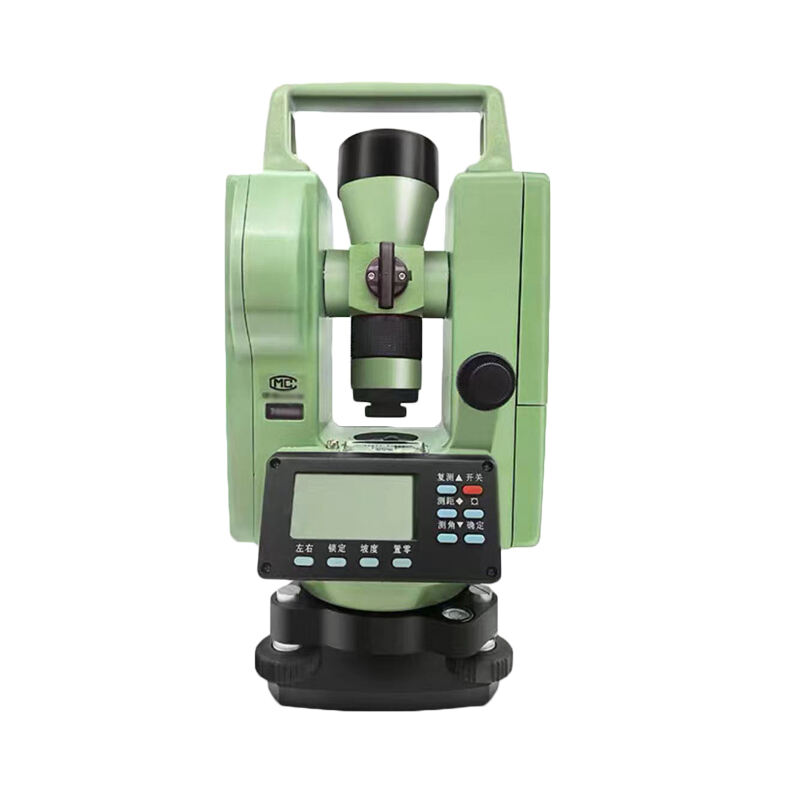
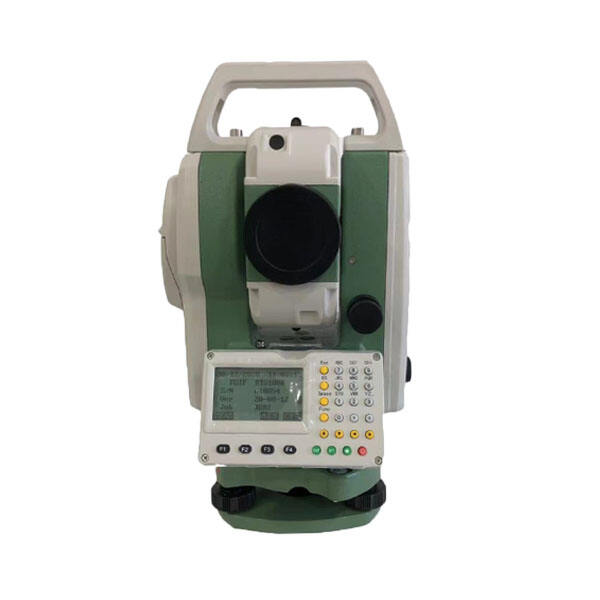
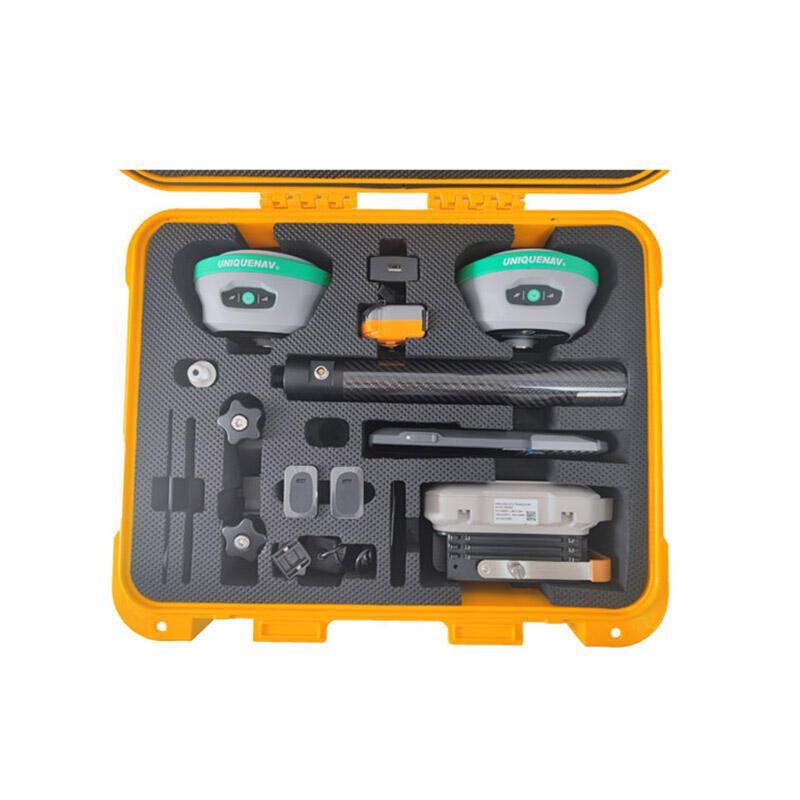
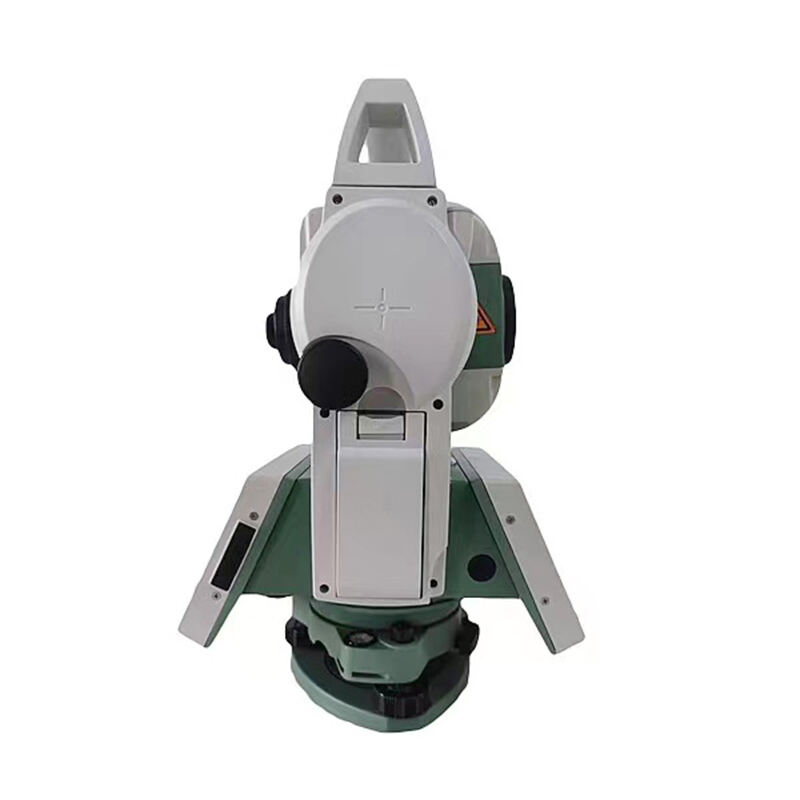
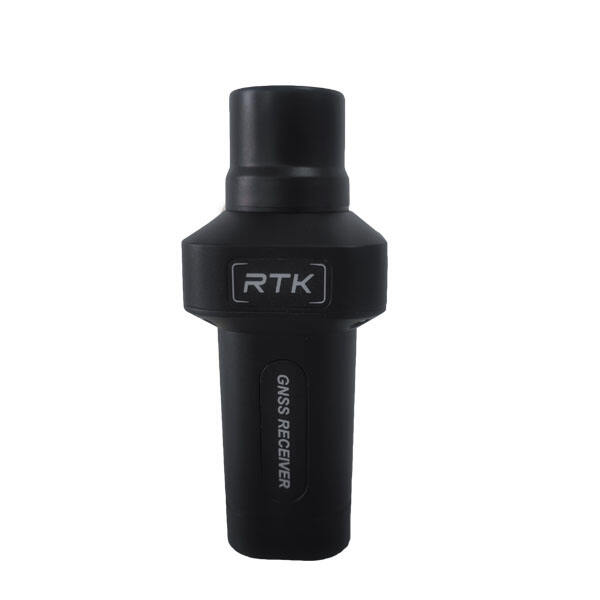
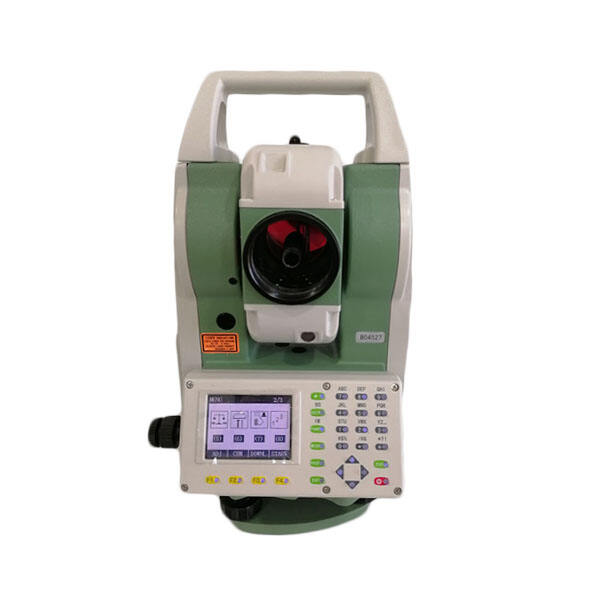
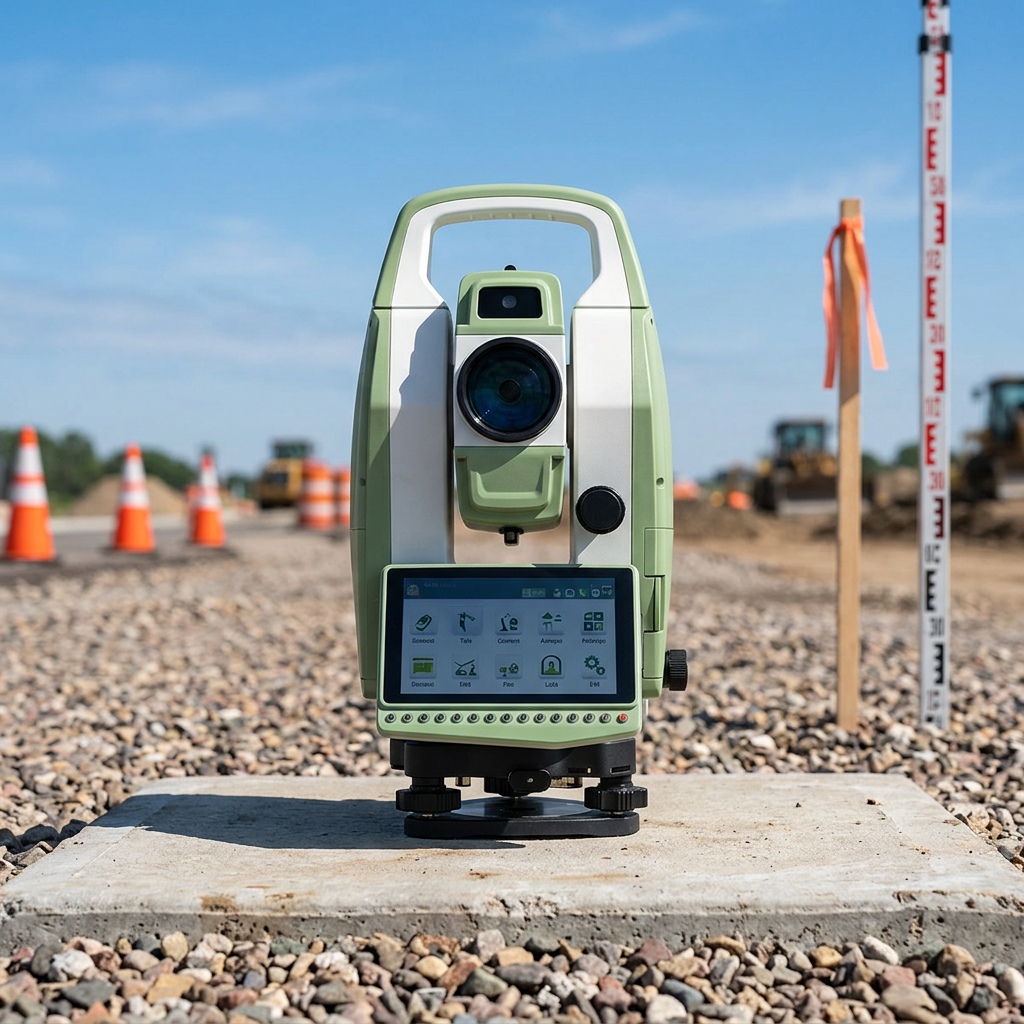
The land survey by total station demonstrates remarkable versatility that allows surveying professionals to handle diverse project requirements with a single, sophisticated instrument capable of adapting to various measurement challenges and site conditions. Unlike specialized surveying equipment designed for specific applications, total stations excel in multiple surveying disciplines including topographic mapping, boundary surveys, construction layout, monitoring applications, and as-built documentation projects. The reflectorless measurement capability of modern total stations enables surveyors to measure distances to any visible surface within several hundred meters, eliminating the need to place prisms or targets in inaccessible, hazardous, or restricted areas. This flexibility proves invaluable when surveying existing buildings, infrastructure facilities, or environmentally sensitive areas where physical access is limited or prohibited. The land survey by total station methodology accommodates both prism-based measurements for maximum accuracy and reflectorless measurements for operational convenience, allowing surveyors to select the optimal measurement approach for each specific situation. Motorized total stations feature automated target tracking and remote operation capabilities, enabling single-person survey operations that reduce labor costs and improve operational efficiency for routine measurement tasks. The robotic functionality allows the instrument to automatically locate and track prisms as survey personnel move throughout the site, maintaining continuous measurement capability without requiring constant instrument adjustment. Weather-resistant construction and extended battery life enable land survey by total station operations in challenging environmental conditions, from extreme temperatures to dusty construction sites, ensuring project continuity regardless of external factors. The modular design of many total station systems supports field-upgradeable components and software updates that extend instrument capabilities and maintain compatibility with evolving technology standards. Multiple measurement modes within total stations accommodate various survey requirements, from high-precision engineering applications requiring millimeter accuracy to general mapping projects where centimeter-level precision is sufficient. The land survey by total station approach supports both traditional surveying coordinate systems and modern GPS integration, enabling surveyors to work within existing local coordinate frameworks or establish new control networks linked to global positioning systems. Interchangeable batteries and field-chargeable power systems ensure continuous operation during extended survey projects, while rugged construction withstands the physical demands of construction site environments and transportation between multiple project locations.

 EN
EN