Versatile Applications Across Multiple Professional Industries
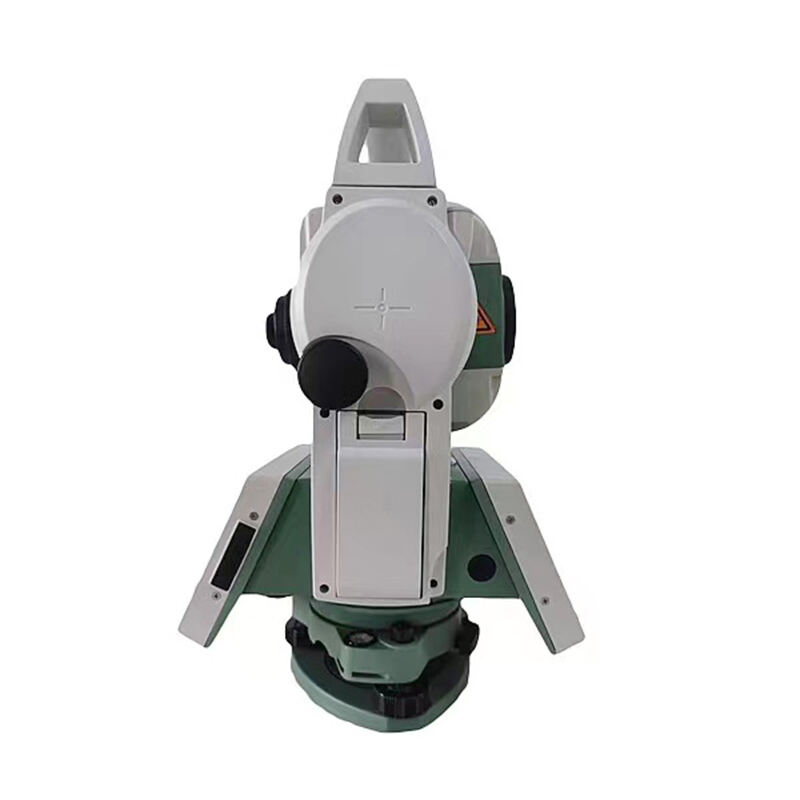
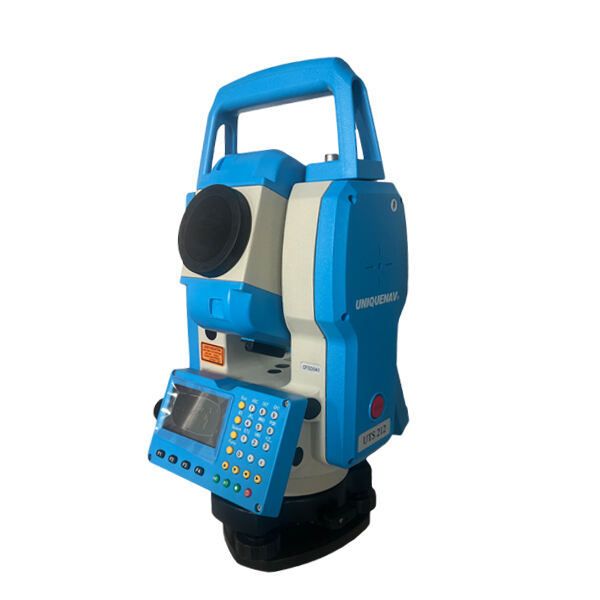
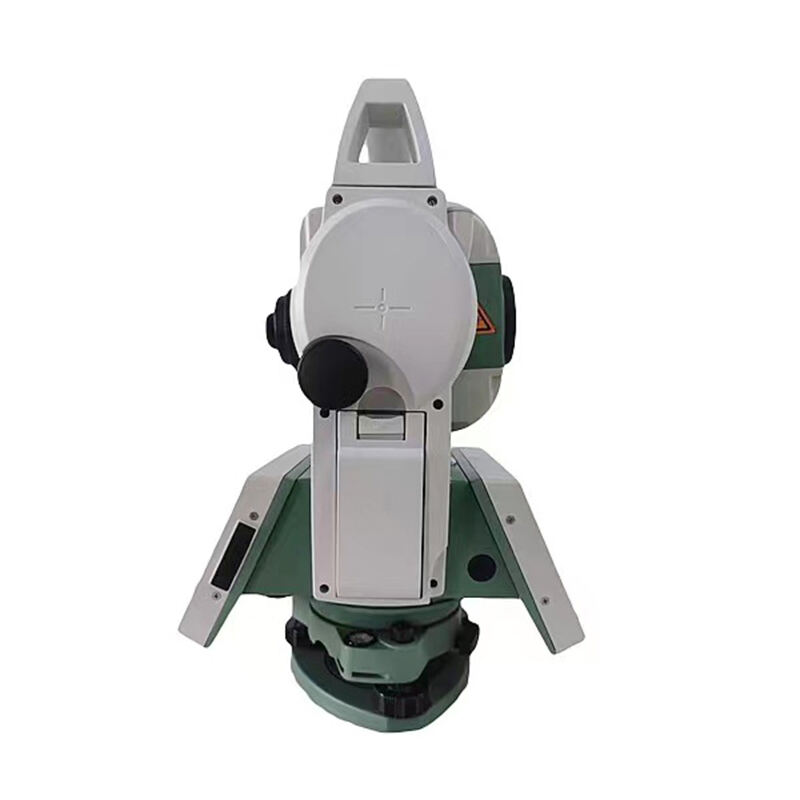
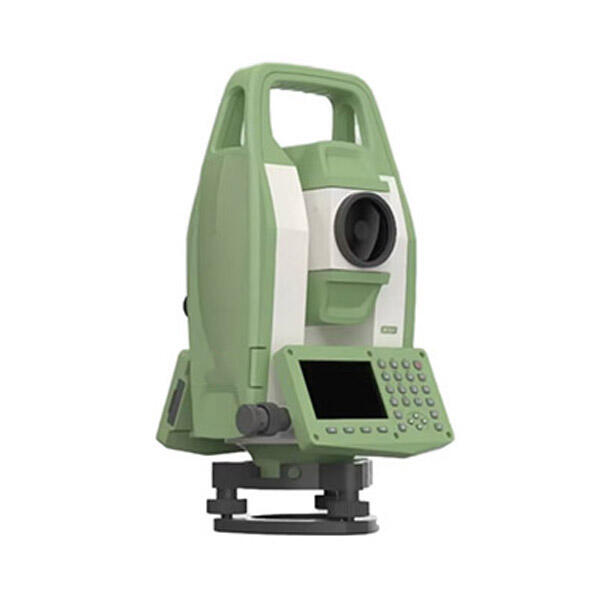
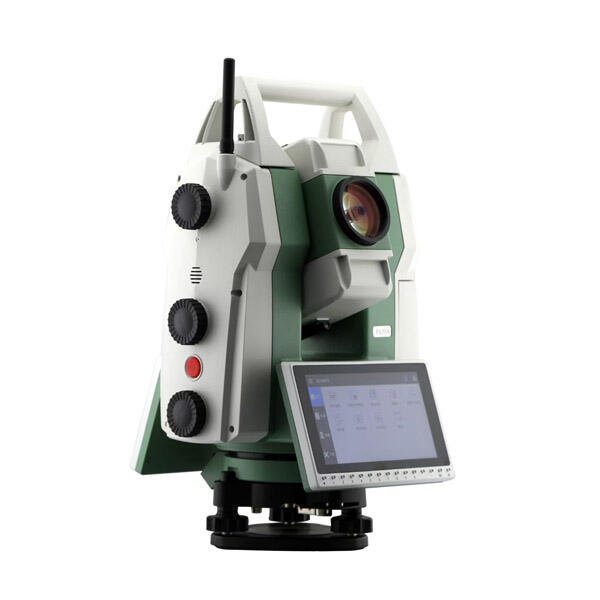
The exceptional versatility of land survey total station technology makes it an indispensable instrument across numerous professional industries and specialized applications. Construction professionals rely on these sophisticated devices for precise building layout, foundation positioning, and structural alignment verification throughout project lifecycles. The land survey total station enables construction teams to establish accurate reference points, verify elevation grades, and monitor structural movements with confidence. Engineering consultants utilize these instruments for infrastructure development projects including roads, bridges, utilities, and transportation systems where precision requirements are critical. Topographic mapping applications benefit from the land survey total station's ability to rapidly collect detailed terrain data for environmental studies, flood modeling, and development planning initiatives. Mining operations depend on these instruments for shaft positioning, ore body delineation, and safety monitoring in challenging underground environments. Archaeological teams employ land survey total station technology to document excavation sites with millimeter precision, preserving historical context while supporting research objectives. Property boundary surveys represent a fundamental application where legal accuracy requirements make the land survey total station essential for establishing definitive property lines and resolving disputes. Environmental monitoring projects utilize these instruments to track land movement, monitor construction impacts, and document ecological changes over time. Industrial facility management applications include equipment positioning, facility expansion planning, and maintenance documentation where precise measurements support operational efficiency. The land survey total station serves renewable energy projects by providing accurate positioning data for wind turbine installations, solar panel arrays, and transmission line routing. Municipal governments employ these instruments for infrastructure asset management, property assessment, and urban planning initiatives that require detailed spatial information. Agricultural applications include precision farming layout, irrigation system design, and land use optimization where accurate measurements support productivity improvements. The instrument's adaptability to specialized mounting systems enables applications in marine environments, aerial platforms, and challenging terrain where traditional surveying methods prove inadequate. Professional training programs across multiple disciplines incorporate land survey total station instruction, recognizing its fundamental importance in modern measurement science and spatial data collection practices.

 EN
EN